Puppy Shedding: How to Manage the Fluff
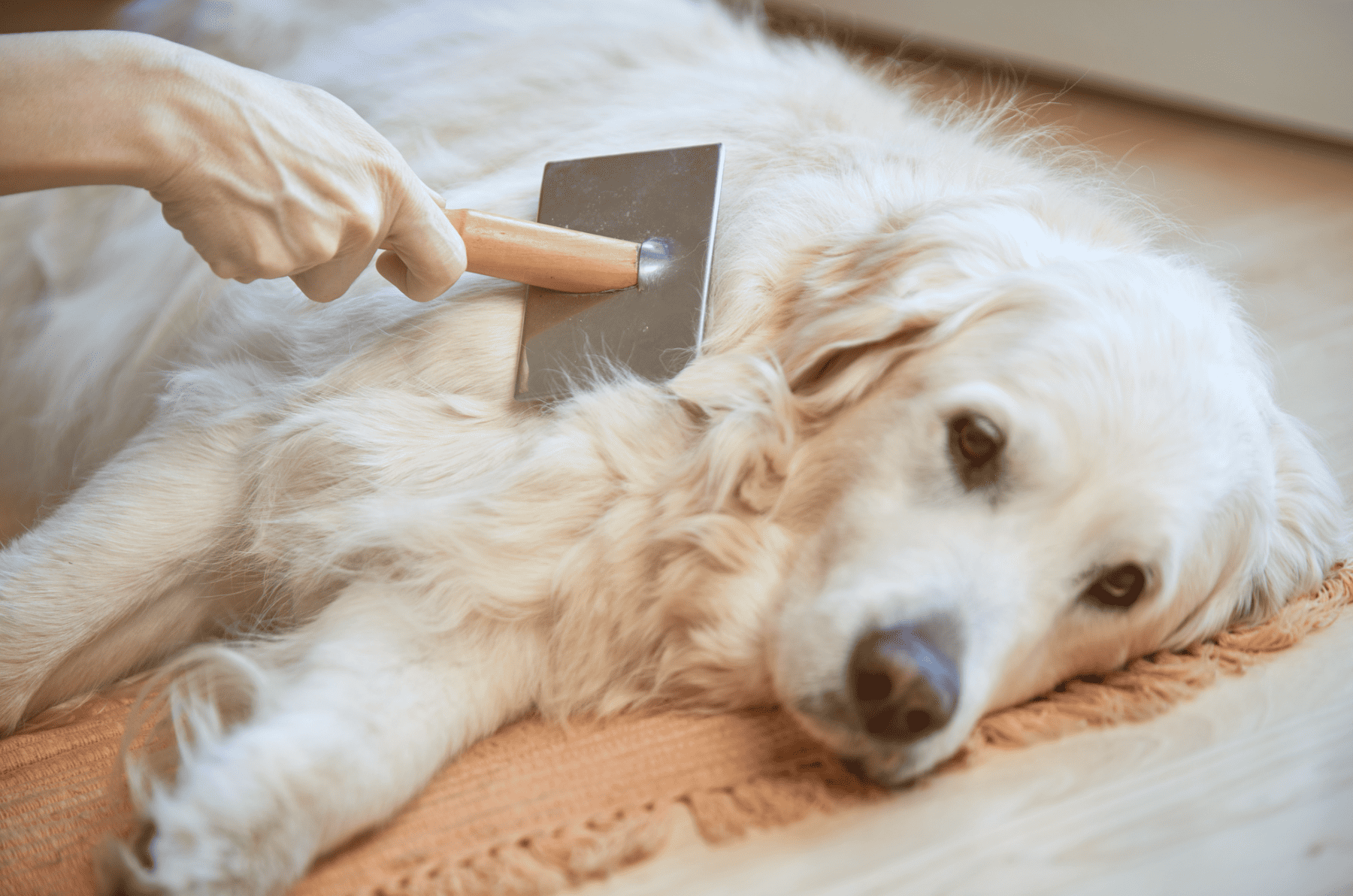
Picture this: you bring home an adorable, fluffy puppy, ready for cuddles and playtime. Fast forward a few weeks, and suddenly, your home is covered in a layer of fur that seems to multiply overnight. Sound familiar? You're not alone! Puppy shedding is a common experience for many new dog owners, and it can be quite overwhelming.
Dealing with constant fur tumbleweeds rolling across your floors, finding it clinging to your clothes, and even discovering it in your food can be frustrating. You might even start questioning if you made the right decision in getting a puppy, or worry about allergies flaring up. It's a lot to handle on top of all the other responsibilities that come with raising a young dog.
This guide is here to help you navigate the furry storm of puppy shedding. We'll explore why puppies shed, how to manage the mess, and what you can do to keep your puppy comfortable and your home relatively fur-free. We'll cover everything from grooming techniques to dietary considerations, empowering you to tackle the shedding season with confidence.
Essentially, we'll dive into the world of puppy fur, covering grooming tips, dietary adjustments, and environmental controls to minimize shedding. We'll discuss the differences between normal shedding and excessive shedding that might warrant a vet visit. Understanding the process and implementing effective strategies will help you manage the fluff and enjoy your puppy's company without being constantly bombarded by fur.
Understanding Puppy Coat Transition
The target of understanding puppy coat transition is to educate pet owners about the natural shedding process that puppies go through as they transition from their soft puppy coat to their adult coat. It aims to clarify why this happens, what to expect during this period, and how to support their puppy's comfort and health. I remember when I got my golden retriever puppy, Gus, I was completely unprepared for the sheer volume of fur that started appearing everywhere. I thought something was wrong! He seemed perfectly healthy, but the shedding was constant. After a bit of research, I learned about the puppy coat transition and realized it was a normal phase. It was such a relief to understand what was happening. Puppies are born with a very soft, downy coat. As they grow, this coat is gradually replaced by their adult coat, which is typically coarser and more protective. This transition usually starts around 4 to 6 months of age and can last for several months, depending on the breed. During this time, the puppy coat is shed, making way for the new adult coat to grow in. The amount of shedding can vary greatly between breeds. Breeds with double coats, like Huskies and German Shepherds, tend to shed more heavily than breeds with single coats, like Poodles or Maltese. Nutrition plays a huge role. A balanced diet rich in omega-3 and omega-6 fatty acids can support healthy coat growth and minimize excessive shedding. Regular grooming is also essential. Brushing helps remove loose fur, prevents matting, and stimulates blood circulation, promoting healthy skin and coat. If you notice excessive shedding accompanied by skin irritation, bald patches, or other symptoms, it's always best to consult with your veterinarian to rule out any underlying health issues.
Effective Grooming Techniques
Effective grooming techniques target to provide pet owners with practical and actionable methods for grooming their puppies to manage shedding, maintain coat health, and strengthen the bond between them. It aims to equip them with the knowledge and skills needed to create a positive grooming experience for their puppies. Grooming is more than just brushing; it's a chance to bond with your puppy and keep their coat healthy. Start by acclimating your puppy to the grooming process from a young age. Introduce them to the brush, comb, and other tools gradually, using positive reinforcement like treats and praise. This will help them associate grooming with positive experiences. Choose the right grooming tools for your puppy's coat type. A slicker brush is great for removing loose fur and preventing mats, while a metal comb can help detangle knots. A deshedding tool can be particularly effective during the shedding season. Establish a regular grooming routine, even if it's just for a few minutes each day. This will help minimize shedding and keep your puppy's coat clean and healthy. During grooming, pay attention to your puppy's skin. Look for any signs of irritation, redness, or bumps. If you notice anything unusual, consult with your veterinarian. Bathing your puppy too frequently can strip their coat of its natural oils, leading to dryness and irritation. Bathe them only when necessary, and use a gentle, dog-specific shampoo. After bathing, be sure to dry your puppy thoroughly to prevent skin problems. Grooming is also an excellent opportunity to check your puppy for fleas, ticks, and other parasites. Regular grooming not only keeps your puppy looking and feeling their best but also allows you to monitor their overall health.
The History and Myth of Shedding
The history and myth of shedding is targeted to delve into the historical perceptions and common misconceptions surrounding puppy shedding, providing a deeper understanding of how these beliefs have evolved and how they influence current shedding management practices. Shedding has been a part of dog ownership since, well, dogs have been domesticated! Ancient cultures certainly dealt with it, though their methods for managing it were likely quite different from ours. No fancy deshedding tools back then! There are plenty of myths surrounding shedding. One common one is that short-haired dogs don't shed as much as long-haired dogs. That's not always true! Some short-haired breeds can be heavy shedders. Another myth is that shaving your dog will stop shedding. While it might seem logical, shaving can actually damage the coat and lead to even more shedding in the long run. It's important to separate fact from fiction when it comes to shedding. Trust reliable sources of information, like your veterinarian or a professional groomer. Understanding the reality of shedding can help you develop effective management strategies. Consider this: Before the advent of modern grooming tools and specialized dog food, people likely just lived with the shedding. Perhaps they used the fur for crafting or simply accepted it as part of life with a dog. Our modern obsession with controlling every last strand of fur is a relatively new phenomenon. Understanding the history and busting the myths can help us approach shedding with a more realistic and informed perspective. Don't fall for every "miracle cure" you see advertised. Stick to proven methods, like regular grooming, a healthy diet, and consulting with professionals when needed.
Unveiling the Hidden Secrets of Puppy Shedding
The hidden secrets of puppy shedding are targeted to reveal less commonly known factors that contribute to or influence puppy shedding, such as environmental triggers, stress levels, and breed-specific predispositions, empowering owners with a more holistic understanding. Many things can impact how much your puppy sheds. Stress, for example, can trigger shedding. A new environment, a change in routine, or even separation anxiety can all contribute to increased shedding. Environmental factors, like temperature and humidity, can also play a role. Some breeds are simply predisposed to shed more than others. Genetics is a major factor. Certain medications or medical conditions can also cause excessive shedding. It's important to be aware of these hidden factors and address them accordingly. If you suspect that stress is contributing to your puppy's shedding, try to create a calm and stable environment for them. Environmental allergies can also trigger shedding. If you suspect your puppy has allergies, consult with your veterinarian to determine the cause and develop a treatment plan. Sometimes, a simple change in diet or adding a supplement can make a big difference. Keep a close eye on your puppy's shedding patterns. If you notice any sudden changes or excessive shedding, it's always best to consult with your veterinarian. Early detection and treatment of underlying issues can help minimize shedding and keep your puppy healthy and comfortable. Remember, shedding is a normal process, but excessive shedding can be a sign of something else going on.
Recommendations for Puppy Shedding Management
Recommendations for puppy shedding management are targeted to offer a comprehensive set of practical recommendations and actionable strategies for effectively managing puppy shedding, ensuring both the puppy's comfort and the owner's sanity. It aims to provide a step-by-step guide to help owners minimize shedding and maintain a clean and healthy home. Start with a good quality diet. A balanced diet rich in omega-3 and omega-6 fatty acids is essential for healthy coat growth and minimizing shedding. Regular grooming is key. Brush your puppy regularly to remove loose fur and prevent matting. Choose the right grooming tools for your puppy's coat type. Consider using a deshedding tool during the shedding season. Bath your puppy only when necessary, and use a gentle, dog-specific shampoo. Provide a stress-free environment for your puppy. Stress can trigger shedding. Consult with your veterinarian if you notice any sudden changes or excessive shedding. They can help rule out any underlying medical conditions. Consider using air purifiers to remove pet dander from the air. Vacuum regularly to remove loose fur from your floors and furniture. Use lint rollers to remove fur from your clothes. Be patient and consistent with your shedding management efforts. It takes time to develop a routine that works for you and your puppy. Don't get discouraged if you still find fur everywhere. It's all part of being a dog owner! Focus on creating a happy and healthy environment for your puppy, and the shedding will become more manageable.
Diet and Shedding: A Closer Look
Diet and shedding target to explore the relationship between a puppy's diet and their shedding patterns, providing insights into how specific nutrients and dietary choices can influence coat health and minimize excessive shedding. The food you feed your puppy plays a huge role in the health of their coat, and therefore, how much they shed. A diet lacking in essential nutrients can lead to a dry, brittle coat that sheds more easily. Look for puppy food that is specifically formulated for their age and breed. These formulas are designed to meet their unique nutritional needs. Pay attention to the ingredients list. Look for high-quality protein sources, such as chicken, lamb, or fish. Avoid foods that are high in fillers, such as corn, wheat, and soy. Consider adding omega-3 and omega-6 fatty acids to your puppy's diet. These essential fatty acids are crucial for healthy skin and coat. You can find them in fish oil supplements or in certain puppy food formulas. Always consult with your veterinarian before making any significant changes to your puppy's diet. They can help you determine the best food and supplement options for your puppy's individual needs. Remember, a healthy diet is not just about minimizing shedding. It's about supporting your puppy's overall health and well-being. A good diet will help them grow strong and healthy, both inside and out. A well-nourished puppy will have a shinier coat, stronger immune system, and more energy.
Tips and Tricks for a Fur-Free Home
Tips and tricks for a fur-free home is targeted to provide pet owners with a collection of practical tips, hacks, and creative solutions for minimizing pet fur in their homes, reducing the amount of cleaning required, and maintaining a tidy living space. I know it seems impossible, but it's not! Here are some tips and tricks for a (relatively) fur-free home: Vacuum regularly. Invest in a good vacuum cleaner that is designed for pet hair. Vacuum your floors, furniture, and even your curtains and rugs regularly. Use lint rollers. Keep lint rollers on hand for quick cleanups of your clothes, furniture, and car seats. Cover your furniture. Use furniture covers or throws to protect your furniture from pet hair. Wash your pet's bedding regularly. Wash their bedding at least once a week to remove loose fur and prevent odors. Use air purifiers. Air purifiers can help remove pet dander from the air, reducing the amount of fur that settles on surfaces. Train your puppy to stay off furniture. This may be a challenge, but it can significantly reduce the amount of fur on your furniture. Designate pet-free zones in your home. This can help contain the fur to certain areas. Sweep hard floors regularly. A quick sweep can remove loose fur before it gets tracked around the house. Invest in microfiber cloths. Microfiber cloths are great for picking up pet hair from surfaces. Be consistent with your cleaning routine. The more consistent you are, the easier it will be to keep your home relatively fur-free.
Breed-Specific Shedding Considerations
Breed-specific shedding considerations target to highlight the variations in shedding patterns among different dog breeds, providing tailored grooming and management advice based on coat type, shedding frequency, and unique breed characteristics. Different breeds shed differently! Some breeds are heavy shedders, while others shed very little. Understanding your puppy's breed and coat type is essential for effective shedding management. Breeds with double coats, like Huskies and German Shepherds, tend to shed more heavily than breeds with single coats, like Poodles or Maltese. Long-haired breeds, like Collies and Shih Tzus, require more frequent grooming to prevent matting and tangles. Short-haired breeds, like Boxers and Beagles, may shed less overall but can still leave a lot of fur on furniture and clothing. Research your puppy's breed to learn about their specific shedding characteristics. This will help you choose the right grooming tools and develop a suitable grooming routine. Talk to your veterinarian or a professional groomer for breed-specific shedding advice. They can provide personalized recommendations based on your puppy's individual needs. Remember, even within the same breed, there can be variations in shedding patterns. Pay attention to your puppy's individual shedding habits and adjust your management strategies accordingly. Don't compare your puppy's shedding to other dogs of the same breed. Each dog is unique. Focus on providing your puppy with the best possible care, including a healthy diet, regular grooming, and a stress-free environment. This will help minimize shedding and keep them comfortable and healthy.
Fun Facts About Puppy Shedding
Fun facts about puppy shedding target to present interesting and little-known facts about puppy shedding, making the topic more engaging and entertaining while still providing valuable information. Did you know that puppies don't actually "shed" their puppy coat in the same way that adult dogs shed their adult coat? It's more of a gradual replacement of the puppy fur with the adult fur. The amount of fur a puppy sheds can vary depending on the time of year. Puppies tend to shed more in the spring and fall, as they adjust to the changing temperatures. Some puppies barely shed at all! It all depends on their breed and genetics. Shedding is a natural and healthy process. It helps puppies get rid of dead or damaged fur and grow a healthy, new coat. Puppies can start shedding as early as a few weeks old. The shedding process can last for several months, depending on the breed. Regular grooming can help speed up the shedding process and keep your home cleaner. Some people collect their puppy's shed fur and use it to make crafts, like yarn or felt. There are even competitions for the most creative use of dog fur! Shedding is a sign that your puppy is growing and developing. It's a normal part of their life cycle. While shedding can be frustrating, it's also a reminder of the love and companionship that your puppy brings into your life. Embrace the fluff and enjoy the puppy years!
How to Minimize Puppy Shedding
How to minimize puppy shedding target to provide a step-by-step guide on the actions that can be taken by the pet owner to minimize, reduce, or avoid puppy shedding to their house to keep the area where pet and owner live clean and healthy. Here's a simple plan to minimize shedding. Step 1: Feed your puppy a high-quality diet. Step 2: Brush your puppy regularly. Step 3: Bathe your puppy only when necessary. Step 4: Provide a stress-free environment for your puppy. Step 5: Consult with your veterinarian if you notice any sudden changes or excessive shedding. Step 6: Vacuum regularly. Step 7: Use lint rollers. Step 8: Cover your furniture. Step 9: Wash your pet's bedding regularly. Step 10: Use air purifiers. Be consistent with these steps, and you'll be well on your way to minimizing puppy shedding and keeping your home cleaner.
What If Puppy Shedding Is Excessive?
What if puppy shedding is excessive? target to address the signs and potential causes of excessive shedding in puppies, guiding owners on when to seek veterinary advice and what diagnostic steps might be necessary. Sometimes, shedding can be a sign of an underlying health problem. If you notice that your puppy is shedding excessively, or if they have other symptoms like skin irritation, bald patches, or changes in appetite, it's important to consult with your veterinarian. Excessive shedding can be caused by a variety of factors, including allergies, parasites, infections, hormonal imbalances, and stress. Your veterinarian will be able to perform a thorough examination and run tests to determine the cause of the shedding. Once the underlying cause is identified, your veterinarian can recommend a treatment plan. This may include medication, dietary changes, or lifestyle adjustments. Don't ignore excessive shedding. It's always better to be safe than sorry. Early detection and treatment of underlying health problems can help minimize shedding and keep your puppy healthy and comfortable.
Listicle: Top 5 Puppy Shedding Myths Debunked
Listicle: Top 5 Puppy Shedding Myths Debunked target to dispel common misconceptions about puppy shedding, providing accurate information in a concise and easily digestible format to help pet owners make informed decisions. Myth #1: Short-haired dogs don't shed as much as long-haired dogs. Truth: Some short-haired breeds can be heavy shedders. Myth #2: Shaving your dog will stop shedding. Truth: Shaving can actually damage the coat and lead to even more shedding. Myth #3: You only need to groom your puppy when they start shedding. Truth: Regular grooming is essential for maintaining a healthy coat and minimizing shedding. Myth #4: All puppy shedding is the same. Truth: Shedding patterns can vary depending on the breed, age, and health of the puppy. Myth #5: There's a miracle cure for shedding. Truth: There's no magic bullet for shedding. Consistent grooming, a healthy diet, and a stress-free environment are the best ways to manage shedding.
Question and Answer
Here are some frequently asked questions about puppy shedding:
Q: When will my puppy start shedding?
A: Puppies can start shedding as early as a few weeks old, but the most noticeable shedding usually begins around 4 to 6 months of age as they transition from their puppy coat to their adult coat.
Q: How often should I brush my puppy?
A: The frequency of brushing depends on your puppy's breed and coat type. Generally, brushing 2 to 3 times a week is a good starting point. During shedding season, you may need to brush more frequently.
Q: What kind of brush should I use?
A: Choose a brush that is appropriate for your puppy's coat type. A slicker brush is great for removing loose fur and preventing mats, while a metal comb can help detangle knots. A deshedding tool can be particularly effective during shedding season.
Q: When should I be concerned about excessive shedding?
A: If your puppy is shedding excessively, or if they have other symptoms like skin irritation, bald patches, or changes in appetite, consult with your veterinarian. Excessive shedding can be a sign of an underlying health problem.
Conclusion of Puppy Shedding: How to Manage the Fluff
Puppy shedding is a normal, albeit sometimes frustrating, part of dog ownership. By understanding why puppies shed and implementing effective management strategies, you can minimize the mess and enjoy your puppy's company without being constantly bombarded by fur. Remember to focus on providing a healthy diet, regular grooming, and a stress-free environment for your puppy. With a little patience and effort, you can successfully navigate the shedding season and maintain a clean and comfortable home.
0 Response to "Puppy Shedding: How to Manage the Fluff"
Post a Comment