15 Fun Facts About Puppies That Will Melt Your Heart
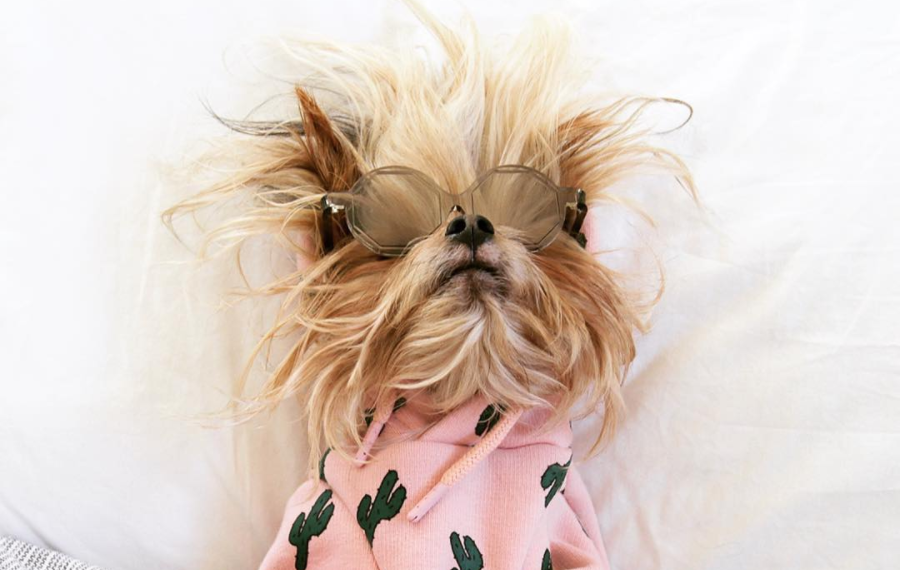
Ever catch yourself scrolling through endless puppy pictures and videos, a goofy grin plastered across your face? Those little bundles of fur have a way of instantly brightening even the toughest days. But beyond their undeniable cuteness, there's a whole world of fascinating facts just waiting to be discovered about these adorable creatures. Get ready to have your heart melted and your mind blown!
It's easy to get caught up in the overwhelming joy of puppyhood, from those first wobbly steps to the playful nips that seem to say, "I love you!" But behind all that fluff and puppy breath, there's a lot we might not know. What makes their noses so special? Why do they sleep so much? And how do they learn so quickly? Navigating the world of puppyhood can sometimes feel like decoding a secret language, filled with hidden clues about their behavior and development.
That's where we come in! We're diving deep into the wonderful world of puppies to uncover 15 fun facts that will not only melt your heart but also give you a deeper appreciation for these amazing animals. Prepare to be amazed by their incredible senses, unique personalities, and the fascinating ways they learn and grow.
From their super-powered noses to their surprisingly complex social lives, puppies are full of surprises. This exploration will help you understand your furry friend a little better, appreciate their unique quirks, and maybe even impress your friends with your newfound puppy knowledge. So, get ready to embark on a journey of discovery into the captivating world of puppies, where cuteness reigns supreme and fascinating facts abound! We'll cover everything from their amazing senses and sleeping habits to their communication skills and playful antics, all in the name of puppy love. This post will provide insights into puppy behavior, puppy development, and the science behind their charm.
Puppies are born blind, deaf, and toothless!
I remember the day we brought our golden retriever, Gus, home. He was this tiny ball of fluff, constantly bumping into things. It was a bit alarming at first, seeing him navigate the world so clumsily. My initial thought was that there must be something wrong, until the vet reassured me that his senses just hadn’t fully developed yet, and this is perfectly normal for all puppies. Those first few weeks were a lesson in patience and understanding. We had to create a safe and predictable environment for him, guiding him gently around obstacles and making sure he always knew where we were.
Understanding that puppies are born with these sensory limitations gives us a new appreciation for their incredible journey of development. It highlights the importance of those early weeks and the role we play in helping them adapt to their surroundings. It also makes their eventual mastery of the world even more impressive. They go from relying entirely on scent and touch to becoming highly skilled and intelligent creatures, all in a relatively short amount of time. This fact also serves as a reminder that those early puppy days are precious, and that our patience and care can make all the difference in their lives.
The lack of sight and hearing at birth emphasizes the crucial role of scent and touch in their early development. They rely on their mother's scent to find her and stay close. As they grow, their senses gradually awaken, opening up a whole new world of possibilities.
A Puppy's Nose Knows!
What makes the sense of smell so remarkable in puppies? It’s all about the sheer number of olfactory receptors they possess. A human has around 5 million of these receptors, while a puppy can have anywhere from 100 million to 300 million, depending on the breed. This explains why they can detect scents that are virtually imperceptible to us. This incredible sense of smell is not just for finding food or tracking toys. It also plays a vital role in their social lives. Puppies use scent to identify other dogs, recognize their family members, and even gather information about their environment. Each scent is like a complex message, providing them with insights into the world around them.
The reason a puppy's nose knows is because of the specialized structure of their noses and their brains that is specifically wired to process olfactory data. Puppies can detect individual scents even when they are mixed together, like being able to pick out the individual ingredients in a soup. Some breeds have been specially bred to have incredible noses. These dogs are often used in search and rescue operations, detecting drugs or explosives, and even sniffing out certain medical conditions.
Because of the powerful noses puppies tend to enjoy exploring new environments and experiencing new smells, hence their fascination with their surroundings and eagerness to discover new things.
Puppies Sleep A Lot For a Good Reason
The myth surrounding puppy sleep is that they are just lazy! But this is a misconception. The truth is that puppies need a lot of sleep because they are growing at an exponential rate. During sleep, their bodies release growth hormones that help them build strong bones and muscles. Sleep is also important for brain development. While puppies are sleeping, their brains are processing information and forming new connections. The amount of sleep a puppy needs can vary depending on age, breed, and activity level, but most puppies need between 15 and 20 hours of sleep per day.
Puppies also experience dreams like humans do. It is possible to observe their paws twitching, their noses wiggling, and their mouths moving during sleep. Some believe that they are replaying their day in their dreams, which helps them learn and grow. Lack of sleep can cause irritability, anxiety, and behavioral issues in puppies. Ensuring your puppy has a quiet, comfortable place to sleep will help them get the rest they need to be healthy and happy. Some owners even play calming music or use special scents to help their puppies relax and fall asleep more easily. Understanding the importance of sleep will help you provide your puppy with the care and support they need to thrive.
Puppy Breath is a Real Thing
The hidden secret to puppy breath lies in the volatile organic compounds released by bacteria in a puppy's mouth. These bacteria break down food particles and other organic matter, producing a unique and often sweet-smelling odor. Puppy breath is usually temporary and fades as the puppy matures and its adult teeth come in. However, poor dental hygiene can cause bad breath and dental problems later in life. It’s important to start brushing your puppy’s teeth early to get them used to the process.
Introducing a soft toothbrush and dog-friendly toothpaste as early as possible will create a positive association and make dental care easier. Veterinarians recommend brushing your dog’s teeth daily, but even a few times a week can make a significant difference. Dental chews and toys can also help remove plaque and tartar buildup. Proper nutrition is essential for good dental health. Feeding your puppy high-quality food designed for their age and size will help prevent dental problems. Regular veterinary checkups are also crucial for early detection and treatment of dental issues.
Puppy breath is a sign of a healthy and thriving puppy. However, if the breath becomes foul or unpleasant, it may indicate a more serious problem such as dental disease or an underlying medical condition. Consult your veterinarian if you notice any changes in your puppy’s breath.
Puppies Have Unique Paw Prints
For a recommendation for puppies having unique paw prints, consider investing in a paw print kit. This kit allows you to capture your puppy's unique paw print, creating a lasting memento of their early days. These kits usually include non-toxic ink pads or clay that are safe for your puppy's paws. Simply press your puppy's paw onto the ink pad or clay, and you'll have a beautiful keepsake to cherish forever. You can also use these paw prints to create personalized artwork, greeting cards, or even jewelry.
You can also use your puppy's paw print to create a custom ID tag. This tag will not only help identify your puppy if they ever get lost but also add a personal touch. There are many online services that allow you to upload a photo of your puppy's paw print and have it engraved onto a metal or plastic tag.
Because of the unique paw prints, capturing and preserving these prints is a fun and meaningful way to celebrate your puppy's individuality. It's also a great way to create lasting memories that you can enjoy for years to come. In addition, it's a practical way to identify your pet if they ever become lost.
Puppies Can Experience Separation Anxiety
Separation anxiety in puppies is a common issue that can be challenging for both the puppy and their owner. It occurs when a puppy becomes overly attached to their owner and experiences distress when left alone. Symptoms of separation anxiety can include excessive barking, destructive behavior, urination or defecation inside the house, and attempts to escape.
There are several strategies you can use to help your puppy cope with separation anxiety. One of the most important is to gradually acclimate your puppy to being alone. Start by leaving them alone for short periods and gradually increase the duration over time. Providing your puppy with plenty of exercise and mental stimulation can also help reduce anxiety. A tired and engaged puppy is less likely to feel anxious when left alone. Create a safe and comfortable space for your puppy when you leave, such as a crate or a bed with their favorite toys. This will help them feel more secure and relaxed.
It is also helpful to avoid making a big fuss when you leave or return home. This can reinforce the puppy's anxiety. Instead, try to remain calm and matter-of-fact. In severe cases, you may need to consult with a veterinarian or a professional dog trainer for additional help. They can provide personalized advice and recommend behavior modification techniques to help your puppy overcome separation anxiety.
Socialization is Key for Puppies
The key for puppies is that socialization is the process of exposing your puppy to a variety of people, places, and experiences in a positive and controlled manner. The critical period for socialization is typically between 3 and 16 weeks of age. During this time, puppies are more receptive to new experiences and are less likely to develop fear or anxiety later in life.
Socializing your puppy involves exposing them to different sights, sounds, smells, and textures. Take them to parks, pet stores, and other public places where they can interact with other dogs and people. Introduce them to different types of people, including children, adults, and people of different races and ethnicities. Allow them to experience different surfaces, such as grass, concrete, and carpet.
Socialization is not just about exposing your puppy to new things. It's also about making sure those experiences are positive. Always supervise your puppy's interactions with other dogs and people to ensure they are safe and comfortable. If your puppy seems scared or overwhelmed, remove them from the situation and try again later at a slower pace. A well-socialized puppy is more likely to be confident, well-behaved, and adaptable to new situations. This will make them a happier and more enjoyable companion for years to come.
Puppies Communicate Through Body Language
Puppies communicate primarily through body language, using a combination of postures, facial expressions, and vocalizations to convey their feelings and intentions. Understanding their body language is essential for building a strong bond and preventing miscommunication. A relaxed puppy will have a loose and wiggly body, with their tail wagging gently. Their ears will be in a natural position, and their eyes will be soft and relaxed.
A fearful or anxious puppy may tuck their tail between their legs, lower their body to the ground, and flatten their ears against their head. They may also pant, yawn, or lick their lips excessively. An aggressive puppy may stand tall and stiff, with their tail held high and their ears forward. They may also growl, snarl, or show their teeth. It's important to be aware of these signs and take appropriate action to prevent a potentially dangerous situation.
Puppies also use vocalizations to communicate. Barking, whining, and growling are all ways for them to express their needs and emotions. For example, a puppy may bark to get your attention, whine to express discomfort, or growl to warn you to stay away. By paying attention to your puppy's body language and vocalizations, you can learn to understand what they are trying to tell you and respond accordingly. This will help you build a stronger relationship and create a more harmonious environment.
Puppies Can Learn Many Tricks
The fun facts is that puppies are incredibly smart and trainable. They can learn a wide range of tricks and commands with patience, consistency, and positive reinforcement. Start with basic commands like "sit," "stay," "come," and down.Use positive reinforcement techniques such as treats, praise, and toys to reward your puppy when they perform the desired behavior. Keep training sessions short and fun to maintain your puppy's interest.
Puppies are highly motivated by food, so using treats as rewards can be very effective. However, it's important to use small, healthy treats and to avoid overfeeding your puppy. You can also use toys as rewards, especially if your puppy is particularly fond of playing fetch or tug-of-war.
Training is not just about teaching your puppy tricks. It's also about building a strong bond and establishing clear communication. Training provides mental stimulation, which can help prevent boredom and destructive behavior. It also helps your puppy learn to focus and follow directions, which can be invaluable in various situations. In addition, teaching your puppy tricks can be a fun and rewarding experience for both of you.
Puppies Need Plenty of Exercise
How to make sure a puppy gets plenty of exercise, understanding that exercise is crucial for a puppy's physical and mental health. Regular exercise helps puppies burn energy, build strong muscles, and maintain a healthy weight. It also provides mental stimulation, which can help prevent boredom and destructive behavior. The amount of exercise a puppy needs depends on their age, breed, and activity level. However, most puppies need at least 30 minutes to an hour of exercise per day.
Exercise can take many forms, including walks, playtime, and training sessions. Walks are a great way to provide your puppy with exercise and exposure to new sights and smells. Playtime can involve games like fetch, tug-of-war, and chase. Training sessions can also be a form of exercise, as they require your puppy to focus and use their energy.
It's important to avoid overexerting your puppy, especially when they are young. Puppies' joints and bones are still developing, so it's essential to avoid activities that could put too much stress on their bodies. Start with short, gentle exercise sessions and gradually increase the duration and intensity as your puppy gets older and stronger. Always supervise your puppy during exercise and provide them with plenty of water to stay hydrated. With consistent exercise, your puppy will be happy, healthy, and well-behaved.
Puppies Teething Can Be Painful
What if puppy teething is a natural process that occurs when puppies' baby teeth are replaced by adult teeth. This process typically begins around 3 to 4 months of age and can last until 6 to 8 months of age. Teething can be uncomfortable for puppies, as their gums become inflamed and sensitive. They may also experience an increased urge to chew, as this helps relieve the discomfort.
During teething, puppies may exhibit various symptoms, including excessive chewing, drooling, and irritability. They may also lose their appetite or refuse to eat hard foods. It's important to provide your puppy with appropriate chewing toys during this time to help them cope with the discomfort. Choose toys that are designed for teething puppies, such as rubber or nylon toys that can withstand vigorous chewing. You can also freeze wet washcloths or offer ice cubes to soothe their gums.
It's essential to supervise your puppy closely during teething to prevent them from chewing on inappropriate items, such as furniture or electrical cords. Make sure to keep these items out of reach or provide a designated chewing area where your puppy can safely satisfy their urge to chew. With patience and understanding, you can help your puppy get through the teething process with minimal discomfort.
15 Fun Facts About Puppies That Will Melt Your Heart
Here is a listicle of 15 fun facts about puppies that will melt your heart:
- Puppies are born blind, deaf, and toothless.
- A puppy's nose knows, thanks to their incredible sense of smell.
- Puppies sleep a lot for a good reason, as sleep is crucial for their growth and development.
- Puppy breath is a real thing, caused by bacteria in their mouths.
- Puppies have unique paw prints, just like human fingerprints.
- Puppies can experience separation anxiety when left alone.
- Socialization is key for puppies, exposing them to various people, places, and experiences.
- Puppies communicate through body language, using postures, facial expressions, and vocalizations.
- Puppies can learn many tricks with patience and positive reinforcement.
- Puppies need plenty of exercise to stay healthy and happy.
- Puppy teething can be painful, but appropriate chewing toys can help.
- Puppies' tails wag to express different emotions, not just happiness.
- Puppies can recognize their owners by scent, even from a distance.
- Puppies' hearts beat faster than human hearts.
- Puppies bring joy and companionship to our lives, enriching our lives in countless ways.
Questions and Answers About Puppies
Here are some common questions and answers about puppies:
Question: How often should I feed my puppy?
Answer: Puppies need to be fed more frequently than adult dogs. Typically, puppies should be fed three to four times a day until they are about six months old. After that, you can reduce the feedings to twice a day.
Question: How do I housetrain my puppy?
Answer: Housetraining requires consistency and patience. Take your puppy outside frequently, especially after waking up, eating, and playing. Reward them with praise and a treat when they eliminate outside. Clean up accidents inside thoroughly to remove any lingering odors.
Question: What vaccinations do puppies need?
Answer: Puppies need a series of vaccinations to protect them from common diseases. These typically include vaccinations for distemper, parvovirus, adenovirus, and rabies. Consult with your veterinarian to determine the appropriate vaccination schedule for your puppy.
Question: How much exercise does my puppy need?
Answer: The amount of exercise a puppy needs depends on their age, breed, and activity level. However, most puppies need at least 30 minutes to an hour of exercise per day. This can include walks, playtime, and training sessions. Avoid overexerting your puppy, especially when they are young.
Conclusion of 15 Fun Facts About Puppies That Will Melt Your Heart
Puppies are truly remarkable creatures, full of surprises and endless charm. From their incredible senses and playful antics to their unwavering loyalty and unconditional love, they enrich our lives in countless ways. By understanding their unique needs and behaviors, we can provide them with the care and support they need to thrive, ensuring a happy and fulfilling life for both them and us. So, the next time you find yourself gazing into those adorable puppy eyes, remember these fun facts and appreciate the amazing animal that shares your life.
0 Response to "15 Fun Facts About Puppies That Will Melt Your Heart"
Post a Comment