How to Socialize Your Puppy With Other Dogs
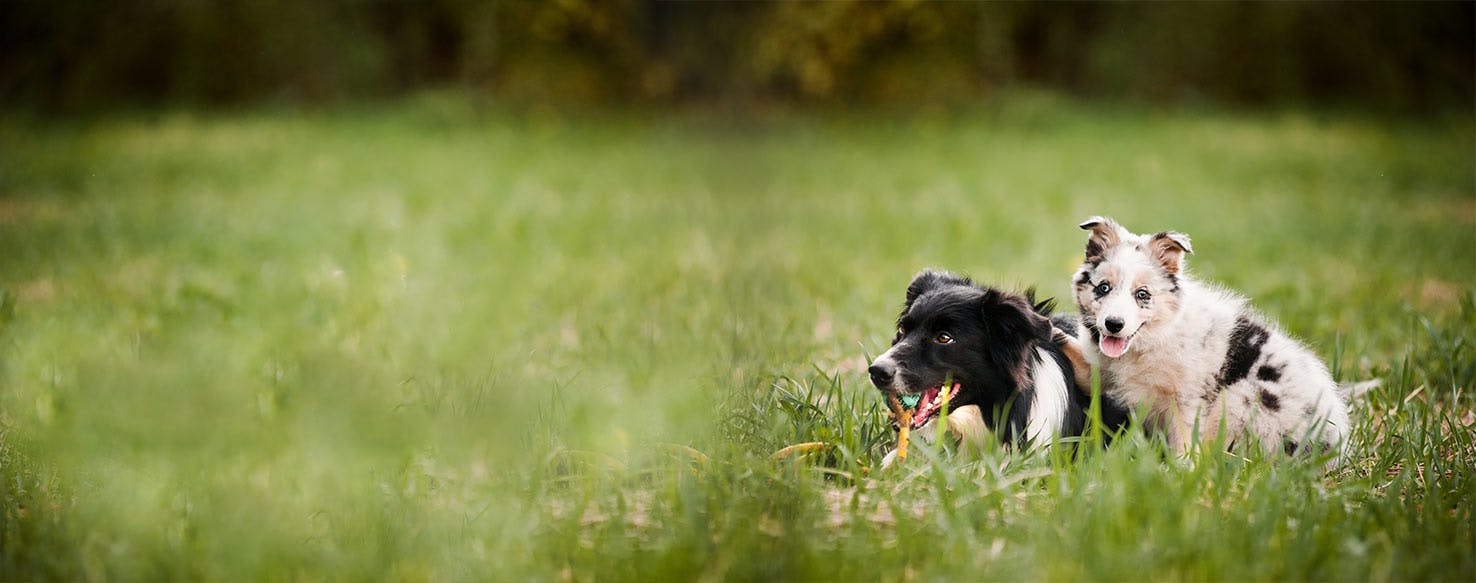
Bringing a puppy into your life is pure joy, a whirlwind of cuddles, playful nips, and those irresistible puppy-dog eyes. But amidst all the fun, a crucial task awaits: helping your furry friend become a well-adjusted, confident dog who loves making new friends, canine or otherwise.
The thought of navigating the world of dog parks and puppy playdates can feel overwhelming. Visions of chaotic interactions, potential scuffles, or a timid puppy shrinking away from bolder companions might cross your mind. You might wonder how to ensure positive experiences that shape your puppy into a social butterfly instead of a nervous wallflower.
This guide will walk you through the essential steps of socializing your puppy with other dogs, ensuring they develop into happy, well-behaved members of the canine community. We'll cover everything from creating positive first encounters to understanding dog body language and navigating different play styles.
Socializing your puppy with other dogs is a crucial part of their development. It involves creating positive experiences through controlled interactions with other canines, fostering good social skills and confidence. The key is to start early, prioritize safety, and ensure that every encounter is a positive one. By understanding dog body language, choosing appropriate playmates, and gradually exposing your puppy to different environments, you can lay the foundation for a well-adjusted and happy dog. Remember, socialization is an ongoing process that continues throughout your dog's life.
Understanding Puppy Socialization Windows
The socialization window, a critical period in a puppy's life, typically spans from 3 to 16 weeks of age. During this time, puppies are highly receptive to new experiences and learn to accept a wide range of stimuli, including other dogs, people, and environments. Positive interactions during this window can have a lasting impact on your puppy's social development, shaping them into confident and well-adjusted adults. Conversely, negative experiences or a lack of exposure during this period can lead to fear, anxiety, and aggression later in life.
I remember when I got my golden retriever puppy, Gus. I was so excited to introduce him to the world, but I also felt a huge responsibility to do it right. I started by taking him to puppy classes, where he could interact with other puppies in a controlled environment. It was amazing to watch him learn and grow, making new friends and developing his social skills. One day, however, he had a slightly negative interaction with a particularly boisterous bulldog. Gus seemed a bit shaken, so I immediately separated them and showered him with praise and reassurance. It taught me the importance of always being vigilant and intervening when necessary to protect my puppy's confidence. From then on, I was extra careful to only expose him to dogs with gentle temperaments, ensuring every encounter was a positive one. Understanding the socialization window and prioritizing positive experiences really made all the difference in shaping Gus into the friendly, well-adjusted dog he is today. This window is like a sponge – your puppy soaks up everything around them. We need to make sure it's the right stuff.
What Exactly is "Socializing"?
Socialization isn't just about letting your puppy run wild in a dog park. It's a carefully orchestrated process of exposing them to a variety of sights, sounds, people, and other animals in a positive and controlled manner. This includes introducing them to different breeds of dogs, sizes, and temperaments. The goal is to help your puppy develop confidence and appropriate social skills, learning how to interact with other dogs in a respectful and playful way. Socialization also extends beyond canine interactions. It encompasses introducing your puppy to different environments, like busy streets, parks, and even car rides, helping them become desensitized to potentially stressful situations.
Think of it as building a strong foundation for your puppy's social life. We want them to learn how to "speak dog," understand canine body language, and navigate social situations with grace and confidence. A well-socialized dog is less likely to react fearfully or aggressively in new situations, making them a more enjoyable and well-behaved companion. This involves more than just letting them play. It means teaching them how to read cues, respond appropriately, and handle themselves in different social settings. Essentially, it's about equipping them with the tools they need to thrive in a world full of other dogs and people.
The History and Myths of Dog Socialization
The concept of dog socialization has evolved significantly over time. In the past, dogs were often viewed primarily as working animals, with less emphasis placed on their social development. However, as dogs transitioned into beloved family companions, the importance of socialization became increasingly recognized. Early approaches to socialization sometimes involved throwing puppies into the deep end, exposing them to large groups of dogs without proper supervision or guidance. This "sink or swim" method often resulted in negative experiences and could actually hinder a puppy's social development.
One common myth is that all dogs are naturally good with puppies. While some adult dogs are naturally gentle and patient, others may not be comfortable around young, energetic puppies. It's crucial to carefully select your puppy's playmates, ensuring that they are tolerant and have good social skills themselves. Another myth is that dog parks are always the best place to socialize a puppy. While dog parks can be a great resource for some dogs, they can also be overwhelming and even dangerous for young puppies, especially if not properly supervised. Another misconception is that socialization ends after puppyhood. While the critical socialization window is crucial, ongoing exposure to new experiences and positive interactions is essential throughout a dog's life to maintain their social skills and confidence. We must remember that socialization is a journey, not a destination.
The Hidden Secrets to Successful Socialization
One of the biggest secrets to successful socialization is understanding dog body language. Learning to read canine cues, such as tail wags, ear position, and body posture, can help you anticipate potential problems and intervene before they escalate. A wagging tail doesn't always mean a happy dog; it can also indicate arousal or anxiety. Similarly, a tucked tail, flattened ears, and whale eye (when the whites of the eyes are visible) are all signs of stress or discomfort.
Another hidden secret is to prioritize quality over quantity. It's better to have a few positive interactions with well-matched dogs than to bombard your puppy with a constant stream of unfamiliar faces. Focus on creating safe and controlled environments where your puppy can learn to interact appropriately. Furthermore, remember that every puppy is different. Some puppies are naturally outgoing and confident, while others are more timid and require a more gradual approach to socialization. Pay attention to your puppy's individual personality and adjust your socialization plan accordingly. Don't force interactions if your puppy seems overwhelmed or fearful. Instead, take a step back and try again later, with a more gradual and positive approach. The goal is to build confidence, not create anxiety. It's all about finding the right pace and approach for your individual puppy.
Recommended Socialization Strategies
Start with controlled environments: Begin by introducing your puppy to one or two well-behaved, vaccinated adult dogs in a neutral setting. Avoid overwhelming situations like dog parks until your puppy is older and more confident. Puppy classes are a fantastic resource for supervised socialization, providing a safe and structured environment for puppies to interact and learn. These classes often include basic obedience training as well, reinforcing positive behaviors and building a strong bond between you and your puppy.
Gradually increase exposure: Once your puppy is comfortable interacting with a few familiar dogs, gradually expand their social circle. Introduce them to different breeds, sizes, and temperaments, always ensuring that interactions are positive and supervised. Expose your puppy to a variety of environments, such as parks, pet stores, and even busy streets, to help them become desensitized to different sights and sounds. Remember to always keep your puppy on a leash and maintain control in unfamiliar environments. Observe their body language closely and intervene if they appear stressed or overwhelmed. Positive reinforcement is key. Reward your puppy with treats and praise for calm and appropriate behavior during social interactions. This will help them associate socialization with positive experiences. Always end socialization sessions on a positive note, leaving your puppy feeling confident and happy.
Choosing the Right Playmates
Selecting appropriate playmates is crucial for ensuring positive socialization experiences. Look for dogs that are known to be gentle, patient, and well-socialized themselves. Avoid dogs that are overly dominant, aggressive, or have a history of negative interactions with other dogs. Adult dogs can be excellent role models for puppies, teaching them appropriate social skills and boundaries. However, it's important to ensure that the adult dog is tolerant and willing to engage in gentle play. Monitor interactions closely and intervene if you notice any signs of bullying or aggression. Always supervise play sessions, even if the dogs seem to be getting along well. Be prepared to separate them if the play becomes too rough or if one of the dogs starts to display signs of stress.
Consider your puppy's personality when choosing playmates. Timid puppies may benefit from interacting with calm and gentle dogs, while more confident puppies may enjoy playing with more energetic companions. It's okay to say no to a playdate if you're not comfortable with the other dog. Trust your instincts and prioritize your puppy's safety and well-being. Remember, socialization is not about forcing your puppy to interact with every dog they meet. It's about creating positive and safe experiences that build their confidence and social skills. A good rule of thumb is to start with short, supervised interactions and gradually increase the duration as your puppy becomes more comfortable. Don't be afraid to take breaks and give your puppy time to rest and recharge. A tired puppy is more likely to become overwhelmed and reactive.
Essential Tips for Socializing Your Puppy
One of the most important tips for socializing your puppy is to be patient and understanding. Socialization is a process that takes time and effort. There will be good days and bad days, and it's important to remain consistent and supportive throughout the journey. Never punish your puppy for being fearful or anxious. Instead, focus on creating a safe and positive environment where they can gradually build confidence. Use positive reinforcement techniques, such as treats, praise, and toys, to reward calm and appropriate behavior during social interactions. This will help your puppy associate socialization with positive experiences.
Carry high-value treats with you during socialization sessions. These can be used to reward your puppy for calm behavior around other dogs and to distract them from potentially stressful situations. Start with short, frequent socialization sessions. A few minutes of positive interaction is better than a long, overwhelming encounter. End each session on a positive note, leaving your puppy feeling confident and happy. If your puppy is showing signs of stress, such as panting, yawning, lip licking, or whale eye, immediately remove them from the situation and try again later, with a more gradual approach. Remember, socialization is not a race. It's about creating positive experiences that build your puppy's confidence and social skills. Don't compare your puppy's progress to other puppies. Every dog is different and learns at their own pace. Focus on celebrating your puppy's successes, no matter how small they may seem. Remember that your attitude plays a huge role. If you are nervous or anxious, your puppy will pick up on that energy. Try to remain calm and confident, even if you're feeling a little unsure. Your puppy will look to you for guidance and reassurance.
Reading Dog Body Language
Understanding dog body language is paramount for successful socialization. Dogs communicate through a variety of visual cues, including their tail, ears, eyes, and body posture. A relaxed dog will typically have a loose and wiggly body, a wagging tail held at a neutral height, and soft eyes. A stressed or anxious dog may exhibit signs such as panting, yawning, lip licking, whale eye (showing the whites of their eyes), a tucked tail, flattened ears, and a tense body posture. Learning to recognize these subtle cues can help you anticipate potential problems and intervene before they escalate. If you see a dog displaying signs of stress, immediately remove your puppy from the situation and create some distance. It's also important to pay attention to the other dog's body language. Are they displaying signs of playfulness, such as a play bow or exaggerated movements? Or are they showing signs of dominance or aggression, such as a stiff posture, a raised hackles, or a direct stare?
Avoid forcing interactions if one of the dogs seems uncomfortable. It's better to err on the side of caution and give them space. Remember that not all dogs are going to be best friends, and that's okay. The goal is to help your puppy learn how to interact with other dogs in a respectful and appropriate manner, even if they don't become inseparable buddies. Educate yourself about dog body language through books, articles, or online resources. There are many excellent resources available that can help you learn to interpret canine communication. Practice observing dogs in different social situations. Pay attention to their interactions and try to identify the different body language cues they are using. The more you practice, the better you will become at reading dog body language. This skill will not only help you with socialization but will also improve your overall understanding of your dog and their needs.
Fun Facts About Puppy Socialization
Did you know that puppies learn more in their first few months of life than they will for the rest of their lives? This is why the socialization window is so critical. During this time, their brains are like sponges, absorbing information and forming lasting impressions. Puppies can even learn to recognize different human faces and voices, demonstrating their incredible cognitive abilities. Another fun fact is that puppies use different play styles to communicate and bond with each other. Some puppies enjoy chasing and wrestling, while others prefer gentle games like tug-of-war or fetch. These play styles help puppies develop their social skills and learn how to navigate different social situations. Socialization is also crucial for preventing behavioral problems later in life. A well-socialized puppy is less likely to develop fear, anxiety, or aggression, making them a more enjoyable and well-behaved companion. They will also adapt more easily to new environments and situations, reducing stress and improving their overall quality of life.
Puppies can even learn from observing other dogs. By watching how adult dogs interact with each other, puppies can learn valuable social skills and boundaries. This is why it's so important to expose your puppy to well-behaved adult dogs who can serve as positive role models. Socialization can also be a fun and rewarding experience for both you and your puppy. It's a chance to bond with your furry friend, explore new places, and meet new people and dogs. Embrace the adventure and enjoy the process of helping your puppy become a well-adjusted and happy member of the canine community. And don't forget to take lots of pictures and videos to capture all the adorable moments along the way. These memories will be cherished for years to come.
How to Handle Setbacks in Socialization
Even with the best planning, setbacks can happen during socialization. A negative encounter with another dog, a scary experience in a new environment, or even a simple case of overstimulation can temporarily derail your puppy's progress. The key is to remain calm and address the setback with patience and understanding. If your puppy has a negative experience, don't panic. Remove them from the situation and provide comfort and reassurance. Avoid scolding or punishing them, as this will only reinforce their fear and anxiety. Instead, focus on creating a positive association with the situation. For example, if your puppy was scared by a loud noise, try playing some soft music or giving them a chew toy to distract them. Gradually reintroduce them to the situation at a later time, starting with small, controlled exposures. If your puppy is overstimulated, give them a break in a quiet and calm environment. This will allow them to decompress and recharge. Avoid pushing them too hard, as this can lead to anxiety and reactivity. Remember that setbacks are a normal part of the socialization process. Don't get discouraged if your puppy has a bad day. Just take a step back, reassess the situation, and try again later. With patience and understanding, you can help your puppy overcome any setbacks and continue to progress in their socialization journey. And don't hesitate to seek professional help from a certified dog trainer or behaviorist if you are struggling to manage setbacks on your own. They can provide valuable guidance and support.
What If My Puppy Is Scared of Other Dogs?
If your puppy is showing signs of fear around other dogs, it's important to take a step back and reassess your socialization plan. Forcing a fearful puppy to interact with other dogs will only exacerbate their anxiety and could lead to long-term behavioral problems. Instead, focus on creating positive associations with the presence of other dogs, without forcing direct interaction. Start by exposing your puppy to other dogs from a distance, such as across the street or in a park. Reward them with treats and praise for remaining calm and relaxed. Gradually decrease the distance as your puppy becomes more comfortable. If your puppy starts to show signs of stress, immediately increase the distance and try again later. Consider enrolling your puppy in a "shy dog" class. These classes are designed specifically for puppies who are fearful or anxious around other dogs. They provide a safe and supportive environment where puppies can gradually build confidence and learn to interact with other dogs at their own pace. Work with a certified dog trainer or behaviorist who specializes in fear and anxiety. They can help you develop a customized socialization plan that addresses your puppy's specific needs. They can also teach you techniques for managing your puppy's fear and anxiety, such as counter-conditioning and desensitization. Remember that overcoming fear takes time and patience. Don't get discouraged if your puppy doesn't make progress overnight. Just keep working with them consistently and providing them with plenty of love and support. With time and patience, you can help your puppy overcome their fear and learn to enjoy the company of other dogs.
Listicle: 5 Ways to Ensure Positive Puppy Socialization
1.Start Early: Begin socializing your puppy as soon as they are cleared by your veterinarian, ideally between 8 and 16 weeks of age. This is the critical socialization window when puppies are most receptive to new experiences.
2.Controlled Environments: Introduce your puppy to other dogs in safe and controlled environments, such as puppy classes or supervised playdates with well-behaved, vaccinated dogs.
3.Positive Reinforcement: Use positive reinforcement techniques, such as treats, praise, and toys, to reward calm and appropriate behavior during social interactions. This will help your puppy associate socialization with positive experiences.
4.Read Body Language: Learn to read dog body language and intervene if you notice any signs of stress, fear, or aggression. It's important to create a safe and comfortable environment for your puppy.
5.Gradual Exposure: Gradually expose your puppy to a variety of sights, sounds, people, and other animals, ensuring that each experience is positive and controlled. This will help them become well-adjusted and confident members of the canine community. These tips can set the stage for the well adjusted puppy you are hoping to have.
Question and Answer Section
Q: When is the best time to start socializing my puppy?
A: The ideal time to start socializing your puppy is between 8 and 16 weeks of age, after they have received their initial vaccinations. This is the critical socialization window when puppies are most receptive to new experiences.
Q: Where should I take my puppy to socialize them?
A: Start with safe and controlled environments, such as puppy classes, supervised playdates with well-behaved dogs, and quiet parks. Avoid overwhelming situations like dog parks until your puppy is older and more confident.
Q: How do I know if my puppy is overwhelmed during socialization?
A: Signs of stress in puppies include panting, yawning, lip licking, whale eye (showing the whites of their eyes), a tucked tail, flattened ears, and a tense body posture. If you see any of these signs, immediately remove your puppy from the situation and provide comfort and reassurance.
Q: What if my puppy has a negative experience during socialization?
A: Don't panic. Remove your puppy from the situation and provide comfort and reassurance. Avoid scolding or punishing them. Gradually reintroduce them to similar situations at a later time, starting with small, controlled exposures.
Conclusion of How to Socialize Your Puppy With Other Dogs
Socializing your puppy with other dogs is an investment in their future happiness and well-being. By following the tips and guidelines outlined in this guide, you can help your puppy develop into a confident, well-adjusted, and social companion. Remember to start early, prioritize safety, and always focus on creating positive experiences. With patience, understanding, and a little bit of effort, you can help your puppy thrive in a world full of canine friends.
0 Response to "How to Socialize Your Puppy With Other Dogs"
Post a Comment