Puppy Ear Cleaning: How and When to Do It
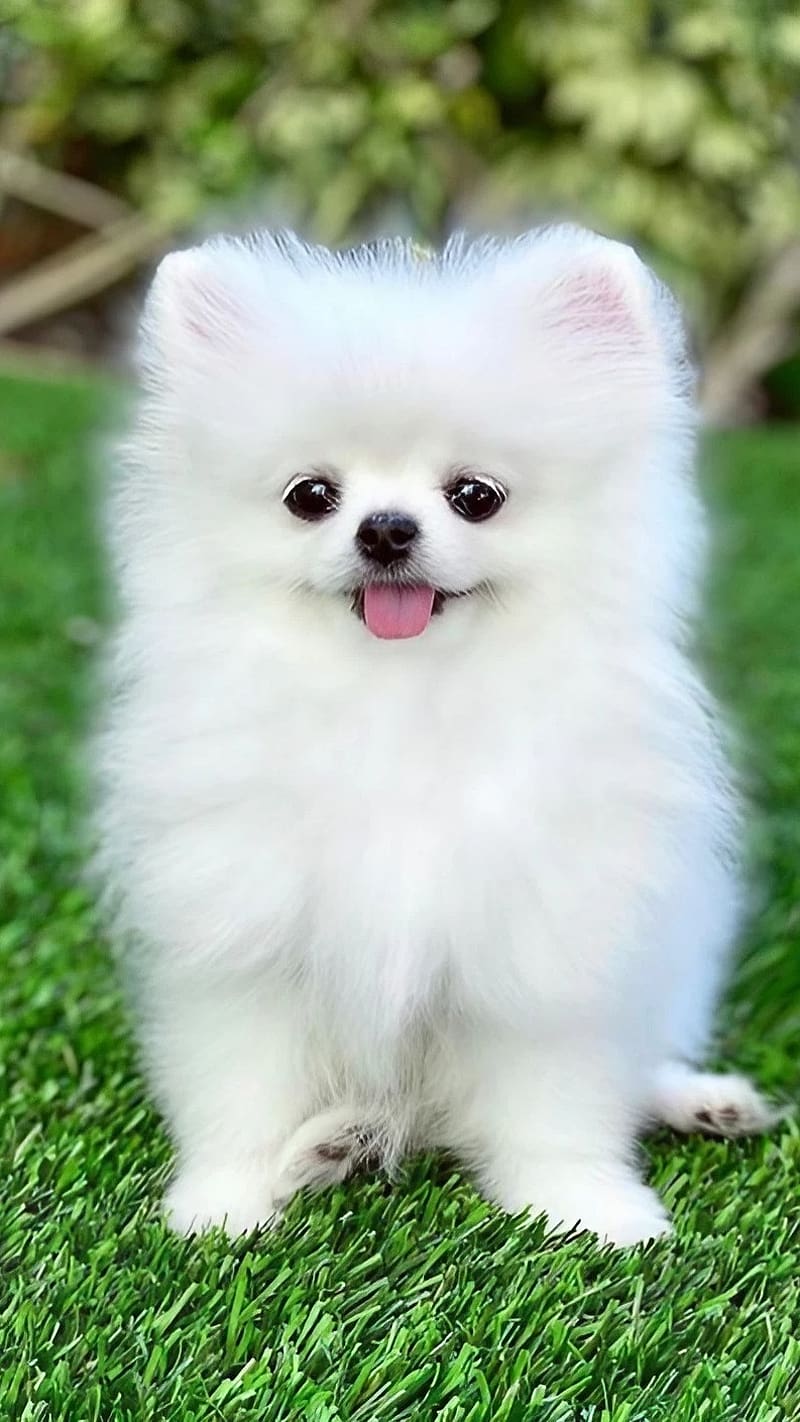
Those floppy puppy ears! Adorable, right? But behind all that cuteness, potential lurks a breeding ground for dirt, wax, and even infections. Knowing how to properly clean your puppy's ears is an essential part of responsible pet ownership, ensuring their comfort and preventing future health problems.
Let's be honest, the thought of sticking something in your puppy's ear can be a little daunting. You might worry about hurting them, or perhaps you're unsure about what products are safe to use. It's easy to put it off, but neglecting ear care can lead to discomfort for your furry friend and potentially costly vet visits down the line.
This guide is all about empowering you with the knowledge and confidence to clean your puppy's ears effectively and safely. We'll cover everything from the right techniques to the best products, and even address some common concerns you might have. With the right approach, ear cleaning can become a positive experience for both you and your pup!
This article covers the proper techniques and best practices for cleaning your puppy's ears. We'll explore when and how to clean, safe products, potential problems, and tips for a positive experience. Key terms include puppy ear cleaning, ear infections, cleaning solutions, ear health, and preventative care.
When to Start Cleaning Your Puppy's Ears
Knowing when to start ear cleaning is crucial. Starting too early can be stressful for a young pup, while waiting too long can allow build-up to accumulate. The target is to introduce ear cleaning gradually and positively. For me, with my Golden Retriever puppy, Gus, I waited until he was fully settled into our home at around 10 weeks old. I began by simply handling his ears, gently touching and lifting them to get him used to the sensation. Then, I'd offer a treat. This created a positive association with ear handling. It took a few days of this before I even considered introducing a cleaning solution. Once I did, I started with a very small amount of veterinarian-approved ear cleaner on a cotton ball and gently wiped the outer area of his ear. If your puppy shows signs of distress, stop and try again later. Observe the puppy's behavior and make it a pleasant experience for your puppy!
Regular ear cleaning is important, especially for breeds with floppy ears that restrict airflow, creating a warm, moist environment perfect for bacteria and yeast to thrive. These conditions can easily lead to ear infections, causing discomfort, itching, and even pain. A veterinarian can recommend the frequency of ear cleaning based on your puppy's breed, lifestyle, and any pre-existing conditions. They can also advise on appropriate cleaning solutions and techniques to use.
Choosing the Right Ear Cleaning Solution
Not all ear cleaning solutions are created equal. Using the wrong product can irritate your puppy's ears, causing more harm than good. So, what should you look for? The aim is to choose a gentle, veterinarian-approved solution specifically designed for puppies. Many over-the-counter ear cleaners contain harsh chemicals or alcohol, which can dry out the ear canal and lead to inflammation. Look for solutions that are p H-balanced and contain ingredients like boric acid or acetic acid, which help to control bacteria and yeast growth. Witch hazel can also be included, but make sure it's alcohol-free. Always avoid using hydrogen peroxide or rubbing alcohol, as these can be too harsh and cause damage. A vet can make recommendations on some suitable products, but always do your research before purchasing anything.
When cleaning your puppy's ears, be gentle and avoid inserting anything deep into the ear canal. Use a cotton ball or gauze pad moistened with the cleaning solution to wipe away any visible dirt or debris. If you notice any signs of irritation, such as redness, swelling, or discharge, stop using the product and consult your veterinarian. They can help determine the underlying cause and recommend appropriate treatment.
The History and Myths of Puppy Ear Cleaning
Ear cleaning has been a part of dog grooming for centuries, but the approach has evolved significantly over time. In the past, harsh chemicals and rudimentary tools were often used, leading to discomfort and potential damage to the ears. Fortunately, modern veterinary medicine has provided us with safer and more effective methods. A common myth is that all dogs need their ears cleaned regularly, regardless of breed or lifestyle. While regular cleaning is important for some dogs, others may only require occasional cleaning or none at all. Over-cleaning can actually disrupt the natural balance of bacteria and yeast in the ear canal, making it more susceptible to infections. It's important to work with your veterinarian to develop a cleaning routine that's tailored to your puppy's individual needs.
The belief that cotton swabs can be safely used to clean a dog's ears is another misconception. Cotton swabs can actually push dirt and debris further into the ear canal, increasing the risk of impaction and infection. Additionally, the delicate skin inside the ear canal can be easily damaged by the swab. It's always best to use a cotton ball or gauze pad to gently wipe away any visible dirt or debris from the outer ear. Always consult a veterinarian if you have any concerns about your puppy's ear health.
Hidden Secrets of Puppy Ear Cleaning
One often-overlooked secret to successful ear cleaning is timing. Choose a time when your puppy is relaxed and receptive to handling. Trying to clean their ears when they're full of energy or feeling anxious is likely to be met with resistance. Another secret is to make it a positive experience by offering treats and praise throughout the process. The more positive associations your puppy has with ear cleaning, the more cooperative they'll be in the future. Another is understanding the anatomy of your puppy's ear canal. Unlike humans, dogs have an L-shaped ear canal, which makes it more difficult to reach the deepest parts of the ear. When administering ear cleaning solution, gently massage the base of the ear to help loosen any debris and allow the solution to reach all areas of the ear canal.
Don't forget to regularly check your puppy's ears for any signs of problems. Redness, swelling, discharge, or an unusual odor can all be indicators of an ear infection. The earlier an ear infection is detected, the easier it will be to treat. If you notice any of these signs, contact your veterinarian right away. Early intervention can prevent the infection from worsening and causing more serious health problems. Always consult with your veterinarian if your puppy is experiencing any type of ear issues.
Recommendations for Puppy Ear Cleaning
My top recommendation is to always consult with your veterinarian before starting any ear cleaning routine for your puppy. They can assess your puppy's individual needs and recommend the best cleaning solution and technique. I also recommend starting slow and making it a positive experience. Don't try to do too much at once, and always offer treats and praise to reward your puppy's cooperation. Investing in high-quality, veterinarian-approved ear cleaning solution is another important recommendation. Avoid using products that contain harsh chemicals or alcohol, as these can irritate your puppy's ears. Instead, look for solutions that are p H-balanced and contain gentle ingredients like boric acid or acetic acid. Remember, prevention is key.
Regular ear cleaning can help prevent ear infections and other ear problems. However, it's important to avoid over-cleaning, as this can disrupt the natural balance of bacteria and yeast in the ear canal. Aim to clean your puppy's ears as needed, based on their breed, lifestyle, and any pre-existing conditions. Always check your puppy's ears regularly for any signs of problems, such as redness, swelling, or discharge. If you notice any of these signs, contact your veterinarian right away. It is important to consult with a veterinarian and do your research to determine what is best for your puppy!
Step-by-Step Guide to Cleaning Your Puppy's Ears
Now that you have the right tools and information, let's walk through the steps of cleaning your puppy's ears: First, gather your supplies. You'll need a veterinarian-approved ear cleaning solution, cotton balls or gauze pads, and some treats. Find a quiet and comfortable place where your puppy feels relaxed. Gently lift your puppy's ear flap and inspect the ear canal. Look for any signs of redness, swelling, discharge, or an unusual odor. If you notice any of these signs, contact your veterinarian before proceeding. Next, saturate a cotton ball or gauze pad with the ear cleaning solution. Gently wipe the outer area of the ear canal, removing any visible dirt or debris. Avoid inserting the cotton ball or gauze pad deep into the ear canal. Gently massage the base of the ear for about 30 seconds to help loosen any debris and allow the solution to reach all areas of the ear canal.
Allow your puppy to shake their head. This will help to dislodge any remaining debris. Use a clean cotton ball or gauze pad to wipe away any excess solution. Repeat these steps for the other ear. Offer your puppy plenty of praise and treats throughout the process. This will help to create a positive association with ear cleaning. After you've finished cleaning your puppy's ears, be sure to wash your hands thoroughly with soap and water. This will help prevent the spread of bacteria. Remember to always be gentle and avoid causing any discomfort to your puppy. If your puppy resists ear cleaning, stop and try again later. Consistency and patience are key to success.
Tips for a Positive Ear Cleaning Experience
Creating a positive association with ear cleaning is crucial for making the process easier for both you and your puppy. Start by handling your puppy's ears regularly, even when you're not cleaning them. Gently touch and lift their ears, and offer a treat or praise. This will help them get used to the sensation and associate it with positive experiences. When you do clean their ears, choose a time when your puppy is relaxed and receptive to handling. Avoid trying to clean their ears when they're full of energy or feeling anxious. Always use a gentle touch and avoid causing any discomfort. Talk to your puppy in a soothing voice and offer plenty of praise and treats throughout the process. The more positive associations your puppy has with ear cleaning, the more cooperative they'll be in the future.
Another tip is to break the process down into small steps. Start by simply showing your puppy the ear cleaning solution and allowing them to sniff it. Then, gently wipe the outer area of their ear with a dry cotton ball or gauze pad. Gradually introduce the cleaning solution and increase the amount of time you spend cleaning their ears. If your puppy shows signs of distress, stop and try again later. It's important to be patient and avoid forcing them to do anything they're not comfortable with. Remember, the goal is to make ear cleaning a positive and stress-free experience for both you and your puppy. Consider using a lick mat, where you can add peanut butter or yogurt, to distract your puppy while you are cleaning their ears.
Recognizing Signs of Ear Problems
Being able to recognize the signs of ear problems is essential for protecting your puppy's ear health. Common signs of ear problems include redness, swelling, discharge, an unusual odor, excessive scratching or head shaking, and pain or sensitivity around the ears. If you notice any of these signs, it's important to contact your veterinarian right away. Early intervention can prevent the problem from worsening and causing more serious health problems. Ear infections are a common problem in puppies, particularly those with floppy ears. These infections can be caused by bacteria, yeast, or ear mites. Symptoms of an ear infection include redness, swelling, discharge, an unusual odor, and excessive scratching or head shaking. If your puppy has an ear infection, your veterinarian will likely prescribe antibiotics or antifungal medication to treat the infection. It's important to follow your veterinarian's instructions carefully and complete the entire course of medication, even if your puppy's symptoms improve. Ear mites are tiny parasites that can infest a dog's ears, causing intense itching and irritation. If your puppy has ear mites, your veterinarian will likely prescribe a topical medication to kill the mites.
Foreign objects, such as grass seeds or foxtails, can also get lodged in a dog's ears, causing pain and inflammation. If you suspect that your puppy has a foreign object in their ear, it's important to contact your veterinarian right away. They will be able to remove the object safely and prevent any further damage. Regular ear cleaning can help to prevent ear problems by removing dirt, debris, and excess wax from the ear canal. However, it's important to avoid over-cleaning, as this can disrupt the natural balance of bacteria and yeast in the ear canal and make it more susceptible to infections. Work with your veterinarian to develop a cleaning routine that's tailored to your puppy's individual needs. If you have any concerns about your puppy's ear health, always consult with your veterinarian.
Fun Facts About Puppy Ear Cleaning
Did you know that some dog breeds are more prone to ear problems than others? Breeds with floppy ears, such as Cocker Spaniels, Basset Hounds, and Labrador Retrievers, are particularly susceptible to ear infections because their ears trap moisture and restrict airflow. This creates a warm, moist environment that's perfect for bacteria and yeast to thrive. Another fun fact is that dogs have a unique ear anatomy. Unlike humans, dogs have an L-shaped ear canal, which makes it more difficult to reach the deepest parts of the ear. This is why it's important to use a gentle technique when cleaning your puppy's ears and avoid inserting anything deep into the ear canal. Some dogs enjoy having their ears cleaned, while others find it stressful. It all depends on the dog's personality and experiences. By making ear cleaning a positive experience from a young age, you can help your puppy to tolerate and even enjoy the process.
The shape of a dog's ear can also affect their hearing ability. Dogs with upright ears, such as German Shepherds and Siberian Huskies, tend to have better hearing than dogs with floppy ears. This is because upright ears can capture sound more effectively. Regular ear cleaning is an important part of responsible pet ownership. By keeping your puppy's ears clean and healthy, you can help to prevent ear infections and other ear problems. This will ensure their comfort and well-being for years to come. It is very important to take care of your dog's ears, but also to know a little bit about the anatomy, breed and personality of your dog.
How to Make Ear Cleaning a Bonding Experience
Ear cleaning doesn't have to be a chore. It can actually be a bonding experience between you and your puppy. By approaching ear cleaning with patience, gentleness, and positive reinforcement, you can create a positive association with the process and strengthen your relationship with your furry friend. Start by creating a calm and relaxing environment. Choose a time when your puppy is relaxed and receptive to handling. Avoid trying to clean their ears when they're full of energy or feeling anxious. Gather your supplies and have them within reach. This will prevent you from having to leave your puppy unattended during the process. Speak to your puppy in a soothing voice and offer plenty of praise and encouragement. This will help them feel more comfortable and secure. Use a gentle touch and avoid causing any discomfort. If your puppy shows signs of distress, stop and try again later. It's important to be patient and avoid forcing them to do anything they're not comfortable with.
Offer your puppy treats and rewards throughout the process. This will help them associate ear cleaning with positive experiences. After you've finished cleaning their ears, spend some time cuddling and playing with your puppy. This will reinforce the bond between you and help them feel loved and appreciated. Regular ear cleaning can become a special routine that you both enjoy. It's an opportunity to spend quality time together and show your puppy how much you care. Remember to always be gentle and patient, and focus on creating a positive and stress-free experience. By making ear cleaning a bonding experience, you can strengthen your relationship with your puppy and ensure their ear health for years to come.
What If My Puppy Resists Ear Cleaning?
It's not uncommon for puppies to resist ear cleaning, especially if they're not used to it or if they've had a negative experience in the past. If your puppy resists ear cleaning, don't get discouraged. There are several things you can do to make the process easier and more comfortable for both of you. Start by identifying the reason why your puppy is resisting. Are they afraid of the ear cleaning solution? Do they dislike being handled around the ears? Once you know the cause of the resistance, you can take steps to address it. If your puppy is afraid of the ear cleaning solution, try using a different product. Look for a solution that's specifically designed for puppies and that's fragrance-free. You can also try warming the solution slightly before using it. This can make it more comfortable for your puppy.
If your puppy dislikes being handled around the ears, start by gently touching and massaging their ears on a regular basis. Offer treats and praise to reward them for their cooperation. Gradually increase the amount of time you spend handling their ears. You can also try using a lick mat or puzzle toy to distract your puppy while you're cleaning their ears. If your puppy continues to resist ear cleaning, don't force them. Stop and try again later. It's important to be patient and avoid causing any discomfort. You can also consult with your veterinarian or a professional dog groomer for advice on how to make ear cleaning easier. Remember, the goal is to make ear cleaning a positive and stress-free experience for both you and your puppy.
Listicle: 5 Essential Tips for Puppy Ear Cleaning
1.Consult Your Vet: Before starting any ear cleaning routine, consult with your veterinarian. They can assess your puppy's individual needs and recommend the best cleaning solution and technique.
2.Choose the Right Solution: Use a veterinarian-approved ear cleaning solution that's specifically designed for puppies. Avoid products that contain harsh chemicals or alcohol.
3.Start Slow and Be Gentle: Introduce ear cleaning gradually and make it a positive experience. Be gentle when handling your puppy's ears and avoid causing any discomfort.
4.Recognize Signs of Problems: Regularly check your puppy's ears for any signs of redness, swelling, discharge, or an unusual odor. Contact your veterinarian if you notice any of these signs.
5.Make it a Bonding Experience: Approach ear cleaning with patience, gentleness, and positive reinforcement. This can help create a positive association with the process and strengthen your relationship with your puppy.
Question and Answer
Q: How often should I clean my puppy's ears?
A: The frequency of ear cleaning depends on your puppy's breed, lifestyle, and any pre-existing conditions. Your veterinarian can recommend a cleaning schedule that's tailored to your puppy's individual needs. In general, puppies with floppy ears may need more frequent cleaning than puppies with upright ears.
Q: What are the signs of an ear infection in puppies?
A: Common signs of an ear infection include redness, swelling, discharge, an unusual odor, excessive scratching or head shaking, and pain or sensitivity around the ears. If you notice any of these signs, contact your veterinarian right away.
Q: Can I use cotton swabs to clean my puppy's ears?
A: It's generally not recommended to use cotton swabs to clean your puppy's ears. Cotton swabs can actually push dirt and debris further into the ear canal, increasing the risk of impaction and infection. It's best to use a cotton ball or gauze pad to gently wipe away any visible dirt or debris from the outer ear.
Q: What should I do if my puppy resists ear cleaning?
A: If your puppy resists ear cleaning, don't force them. Stop and try again later. You can also try using a lick mat or puzzle toy to distract your puppy while you're cleaning their ears. Consult with your veterinarian or a professional dog groomer for advice on how to make ear cleaning easier.
Conclusion of Puppy Ear Cleaning: How and When to Do It
Cleaning your puppy's ears might seem like a small task, but it's a crucial part of their overall health and well-being. By following the tips and guidelines outlined in this article, you can ensure that your furry friend's ears stay clean, healthy, and free from infections. Remember to consult with your veterinarian, choose the right cleaning solution, be gentle, and make it a positive experience. With a little patience and care, ear cleaning can become a bonding experience that strengthens your relationship with your puppy.
0 Response to "Puppy Ear Cleaning: How and When to Do It"
Post a Comment