Why Puppies Tilt Their Heads (It’s Adorable and Scientific)
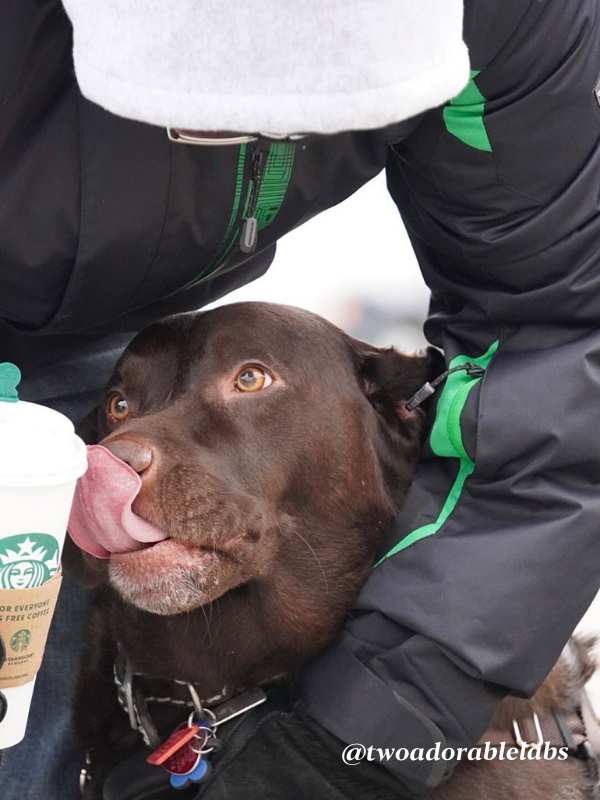
That little head tilt. It melts your heart every time, doesn't it? It's like they're trying so hard to understand, those big, innocent eyes peering up at you with unwavering attention. But have you ever stopped to wonderwhythey do it?
Sometimes you might wonder if your furry friend is truly grasping what you're saying, or if they're just putting on a show for treats. Maybe you've even worried if the head tilt could be a sign of something more, a potential health issue lurking beneath the surface. It's a common curiosity for pet owners, trying to decipher the secret language of our canine companions.
The truth is, that adorable head tilt is likely a combination of factors, from improving their hearing to trying to get a better view of your face. Science suggests it's all about helping them understand us better. They're not just being cute (though they definitely are!); they're actively processing information.
This article will dive into the science and the speculation behind why puppies tilt their heads, exploring the roles of hearing, vision, and even communication in this endearing behavior. Prepare to have your heart warmed and your mind enlightened as we uncover the secrets behind this canine quirk. We'll explore the potential explanations, share some personal anecdotes, and delve into the history and myths surrounding the head tilt. Get ready to learn everything you ever wanted to know about why puppies tilt their heads!
The “Better Hearing” Hypothesis
My old Labrador, Buster, was the master of the head tilt. It was particularly pronounced when I was telling him off (even though he knew he was guilty of chewing my favorite slippers!). I always assumed he was just trying to look extra innocent to avoid punishment. Turns out, there might have been a more practical reason behind it. He was getting older, and his hearing wasn't what it used to be, he might have been shifting his head to better pinpoint the source of the sound and clarify the noises I was making.
The "better hearing" hypothesis suggests that puppies tilt their heads to improve their ability to locate and understand sounds. Dogs' ears are shaped differently than humans', and this can make it difficult for them to determine the exact location of a sound. By tilting their head, they can slightly adjust the position of their ears, allowing them to better triangulate the sound source and get a clearer auditory picture. This is especially helpful for sounds that are at a higher frequency, like human speech. Imagine trying to hear a faint noise with one ear slightly blocked – you'd probably tilt your head to try and get a better angle, right? Puppies are doing something similar!
Furthermore, the head tilt may help them filter out background noise. By subtly shifting their head, they can minimize distractions and focus on the specific sounds they're trying to understand. This is particularly useful in busy environments where there are a lot of competing noises. Think about it: your pup might tilt its head more often when you're talking to them in a crowded park compared to when you're chatting quietly at home. In essence, the head tilt could be a sophisticated auditory processing technique that helps puppies make sense of the world around them.
Vision and Facial Cues
The idea of vision playing a role in head-tilting came about when I started noticingwhenmy dog, Luna, did it the most. It wasn’t just when I was talking, but often when I was expressing different emotions. A furrowed brow, a wide smile – these seemed to trigger the tilt. Perhaps it wasn't just about hearing my words, but also seeing my expressions.
The shape of a dog's muzzle can actually obstruct their vision, particularly when looking directly at a human face. Our mouths are a key part of facial expression, and for dogs with longer snouts, those expressions might be partially obscured. By tilting their head, they could be shifting their perspective to get a clearer view of our lips and facial cues. Think of it like trying to see around a tall object – you might move your head to the side to get a better look.
This visual adjustment allows them to better interpret our emotions and intentions. They're essentially trying to "read" us by combining what they hear with what they see. So, that adorable head tilt might be your dog's way of saying, "I'm trying to understand what you're feeling!" This also explains why some breeds with flatter faces tend to tilt their heads less often; their vision isn't as obstructed, so they don't need to adjust their perspective as much.
The Breed Connection and Head Tilting
I remember reading an article about Hungarian Vizslas and their propensity for head-tilting. Apparently, they're almost famous for it! This got me thinking: could certain breeds be more inclined to tilt their heads than others? And if so, why?
While there's no definitive scientific evidence to say that some breeds aremore likelyto tilt their heads, anecdotal evidence suggests there might be a correlation. Certain breeds, like German Shepherds, Poodles, and Chihuahuas, seem to be frequent head-tilters. This could be due to a combination of factors, including their ear shape, muzzle length, and overall intelligence. Breeds with upright ears, for example, might be more inclined to tilt their heads to better pinpoint sounds.
Historically, breeds developed for specific tasks that required acute hearing or visual perception might also be more prone to head-tilting. For instance, dogs bred for herding or hunting need to be highly attuned to their environment, and head-tilting could be a learned behavior that helps them gather more information. While we can't definitively say that breed plays a direct role, it's certainly an interesting avenue for further research.
Is It Ever a Cause for Concern?
A friend of mine once called me in a panic, convinced her puppy's head tilt was a sign of a serious neurological problem. It was understandable – anything out of the ordinary can be worrying when it comes to our beloved pets. But when should a head tilt be a reason to visit the vet?
While most head tilts are perfectly normal and harmless, there are instances where it could indicate an underlying medical condition. If the head tilt is sudden, persistent, and accompanied by other symptoms like loss of balance, vomiting, or nystagmus (rapid, involuntary eye movements), it's crucial to seek veterinary attention immediately. These symptoms could be signs of vestibular disease, an ear infection, or even a neurological issue.
It's also important to rule out any potential injuries. A head tilt could be a sign that your puppy is experiencing pain or discomfort in their neck or head. If you notice any swelling, bruising, or tenderness, consult your vet right away. As always, it's better to be safe than sorry. If you're concerned about your puppy's head tilt, don't hesitate to schedule a checkup. Your vet can perform a thorough examination and determine if there's any cause for concern.
Understanding Canine Communication
Dogs communicate in ways that go far beyond barking and wagging their tails. They use a complex combination of body language, vocalizations, and scent to convey their feelings and intentions. Understanding these subtle cues is essential for building a strong bond with your furry friend and ensuring their well-being.
Body language is a crucial part of canine communication. A relaxed posture, a wagging tail, and soft eyes indicate that your dog is feeling comfortable and happy. Conversely, a stiff posture, a tucked tail, and whale eye (when you can see the whites of their eyes) could be signs of fear or anxiety. Pay close attention to your dog's overall body language to get a better sense of their emotional state.
Vocalizations, such as barking, whining, and growling, also play a significant role in canine communication. While barking can be used to alert you to danger or express excitement, whining is often a sign of attention-seeking or discomfort. Growling, on the other hand, is a warning signal that your dog is feeling threatened or protective. It's important to understand the context behind these vocalizations to respond appropriately.
The Science of Sound Localization
Sound localization is the process by which we determine the location of a sound source. Our brains use a variety of cues to achieve this, including the time difference between when the sound reaches each ear (interaural time difference) and the intensity difference between the sounds (interaural level difference). Dogs, like humans, rely on these cues to pinpoint the source of a sound.
The shape and size of a dog's ears can influence their ability to localize sounds. Dogs with upright, pointed ears tend to be better at sound localization than those with floppy ears. This is because upright ears act like natural amplifiers, allowing them to capture more sound and pinpoint its source more accurately. The ability to localize sounds is particularly important for dogs that are used for hunting or herding, as they need to be able to quickly and accurately locate their prey or livestock.
Head-tilting may also play a role in sound localization. By tilting their head, dogs can slightly adjust the position of their ears, which may help them to better triangulate the sound source. This is especially helpful for sounds that are at a higher frequency, like human speech. The head tilt allows them to gather more information about the sound, making it easier for them to understand what we're saying.
Encouraging and Rewarding the Head Tilt
Let's be honest, the head tilt is ridiculously adorable, and it's tempting to want to encourage it. But is it okay to do so? And if so, how can you do it responsibly?
Encouraging the head tilt is generally harmless, as long as you're not doing it in a way that causes your puppy stress or anxiety. You can try using specific words or phrases that you know trigger the head tilt, and then reward your puppy with praise or a treat when they do it. This will help them associate the head tilt with positive reinforcement, making them more likely to do it in the future.
However, it's important to be mindful of your puppy's overall well-being. If they seem confused or stressed when you're trying to elicit the head tilt, stop immediately. The goal is to create a positive and enjoyable experience for both of you. You can also try incorporating the head tilt into training games. For example, you could teach your puppy to tilt their head on command, using a specific hand signal or verbal cue. This can be a fun and engaging way to strengthen your bond and reinforce positive behavior.
The Importance of Positive Reinforcement
Positive reinforcement is a training method that involves rewarding desired behaviors with positive stimuli, such as praise, treats, or toys. This approach is based on the principle that behaviors that are rewarded are more likely to be repeated. Positive reinforcement is a highly effective and humane way to train dogs, as it focuses on building a positive relationship and avoiding the use of punishment.
When using positive reinforcement, it's important to be consistent and clear with your commands. Use simple, concise language that your dog can easily understand. Reward your dog immediately after they perform the desired behavior. This will help them make the connection between the action and the reward. You can also use a clicker to mark the exact moment when your dog performs the desired behavior. This will help them understand what you're asking them to do and make the training process more efficient.
It's also important to be patient and understanding. Training takes time and effort, and there will be days when your dog doesn't seem to be making progress. Don't get discouraged. Keep practicing and stay positive. With consistent effort and positive reinforcement, you can teach your dog a wide range of behaviors and strengthen your bond in the process.
Fun Facts About Puppy Head Tilting
Did you know that puppies are more likely to tilt their heads when they're listening to human speech compared to other types of sounds? Or that some puppies will even tilt their heads in response to visual cues, like a raised eyebrow or a funny facial expression?
Here are a few more fun facts about puppy head tilting: Studies have shown that puppies are more likely to tilt their heads when they're trying to understand something that's unfamiliar or confusing. The head tilt may be a way for them to gather more information and process what they're hearing or seeing. Puppies that are highly intelligent and attentive are also more likely to tilt their heads. This suggests that the head tilt may be a sign of cognitive engagement.
Some puppies will even tilt their heads in response to their own names. This is likely because they've learned to associate their name with positive attention and rewards. Puppies may also tilt their heads when they're feeling empathetic or sympathetic towards their owners. If you're feeling sad or upset, your puppy may tilt their head as a way of showing concern and offering comfort.
How to Capture the Perfect Head Tilt Photo
Let's face it, a puppy head tilt is Instagram gold. But capturing that perfect shot can be tricky. Here are a few tips and tricks to help you get the most adorable head tilt photo possible:
First, get your puppy's attention. Use a high-pitched voice, a squeaky toy, or a tasty treat to pique their interest. Make sure they're looking directly at you. Next, try using a word or phrase that you know triggers the head tilt. Some common phrases include "What?" "Huh?" or "Are you serious?" Be patient and persistent. It may take a few tries to get the perfect shot. Finally, make sure the lighting is good. Natural light is always best. Avoid using harsh flash, as this can wash out your puppy's features.
Experiment with different angles and perspectives. Try shooting from below to make your puppy look even more adorable. You can also try capturing a close-up of their face to highlight their expressive eyes and tilted head. Most importantly, have fun and be creative! The best photos are the ones that capture your puppy's unique personality and charm.
What if Your Puppy Doesn't Tilt Their Head?
So, you've read all about the adorable head tilt, but your puppy just doesn't seem to do it. Should you be worried? The short answer is: probably not! Every puppy is different, and some may simply not be inclined to tilt their heads as often as others.
There could be a variety of reasons why your puppy doesn't tilt their head. Perhaps they have excellent hearing and vision, and they don't need to adjust their perspective to understand you. Or maybe they're just not as expressive as other puppies. It's also possible that you haven't found the right trigger yet. Try experimenting with different sounds, words, and facial expressions to see if anything elicits a head tilt.
The most important thing is to focus on building a strong bond with your puppy, regardless of whether they tilt their head or not. Spend time playing with them, training them, and showering them with love and affection. As long as your puppy is happy, healthy, and responsive, there's no need to worry about their lack of head-tilting.
Top 5 Reasons Why Puppies Tilt Their Heads (Listicle Style!)
Let's recap the main reasons behind the adorable head tilt in a handy list format:
1.Better Hearing: They're trying to pinpoint the source of the sound and filter out background noise.
2.Improved Vision: They're adjusting their perspective to get a clearer view of your face and facial expressions.
3.Understanding Human Speech: They're trying to process and comprehend what you're saying.
4.Empathy and Connection: They're showing concern and offering comfort.
5.Positive Reinforcement: They've learned that tilting their head gets them attention and rewards.
Question and Answer Section
Q: Is head tilting a sign of intelligence in puppies?
A: While there's no definitive proof, some studies suggest that intelligent and attentive puppies may be more likely to tilt their heads.
Q: Can head tilting be a sign of a medical problem?
A: In most cases, head tilting is harmless. However, if it's sudden, persistent, and accompanied by other symptoms, it could indicate a medical condition.
Q: How can I encourage my puppy to tilt their head?
A: Use specific words or phrases that you know trigger the head tilt, and reward your puppy with praise or a treat when they do it.
Q: Is it okay if my puppy doesn't tilt their head?
A: Absolutely! Every puppy is different, and some may simply not be inclined to tilt their heads as often as others.
Conclusion of Why Puppies Tilt Their Heads (It’s Adorable and Scientific)
So, there you have it! The mystery of the puppy head tilt, at least partially, unraveled. While we may never know theexactreason behind this adorable behavior, it's likely a combination of improved hearing, visual adjustments, and a genuine desire to understand us better. Whether it's a sign of intelligence, empathy, or simply a way to get a better view, one thing's for sure: the puppy head tilt is a heartwarming reminder of the incredible bond we share with our canine companions. So next time your furry friend cocks their head to the side, take a moment to appreciate the science and the sweetness behind that endearing gesture.
0 Response to "Why Puppies Tilt Their Heads (It’s Adorable and Scientific)"
Post a Comment