Fun Games to Play With Your Puppy at Home
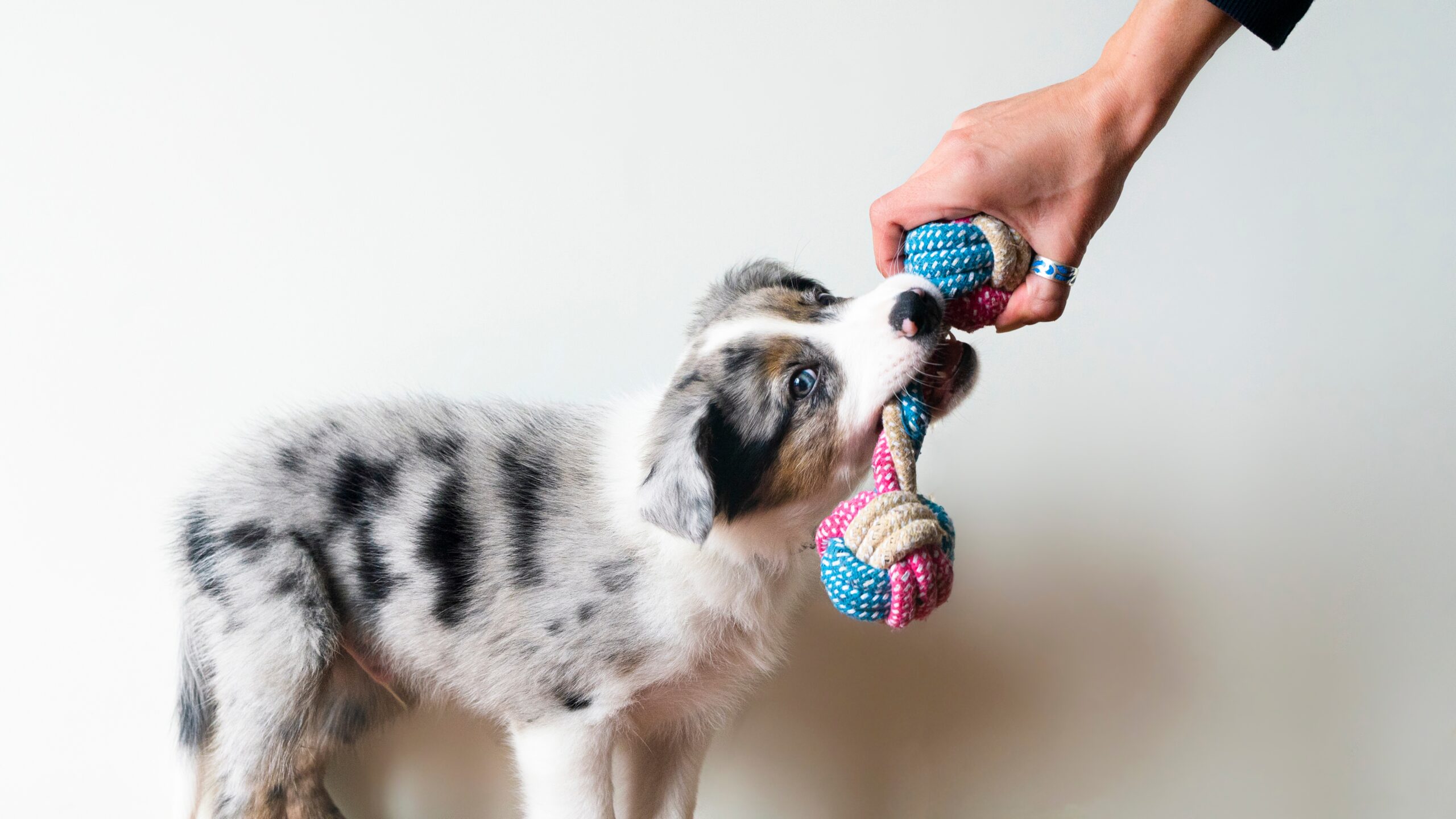
Bringing a new puppy home is an exciting time, filled with cuddles, playful nips, and those adorable puppy-dog eyes. But keeping your furry friend entertained and stimulated, especially indoors, can sometimes feel like a challenge. What if I told you that transforming your living room into a puppy playground is easier than you think?
Are you struggling to find ways to keep your energetic puppy from chewing on your favorite shoes or turning your couch into a personal jungle gym? Do you feel guilty leaving your pup alone, worried they're bored and lonely? It's tough juggling work, errands, and trying to provide the constant attention a new puppy craves.
This blog post is your guide to unlocking a world of fun and engaging games you can play with your puppy right at home. We'll explore activities that stimulate their minds, burn off excess energy, strengthen your bond, and teach them valuable skills – all within the comfort of your own house!
From classic games like fetch and tug-of-war (with a puppy-safe twist!) to brain-boosting puzzles and scent work, we'll cover a variety of activities that will keep your puppy entertained, happy, and well-behaved. Get ready to unleash your inner puppy parent and transform your home into a haven of fun and learning. Let's explore the world of puppy games, training, and entertainment all within the friendly confines of your home.
Why Play Games With Your Puppy?
Playing games with your puppy isn't just about having fun (though that's a big part of it!). It's about building a strong relationship based on trust, communication, and mutual enjoyment. I remember when I first brought my Golden Retriever puppy, Leo, home. He was a whirlwind of energy, constantly nipping at my heels and exploring everything with his teeth. I quickly realized that simply feeding and walking him wasn't enough. He needed mental and physical stimulation to thrive. By incorporating games into our daily routine, I noticed a huge difference in his behavior. He became more focused, less destructive, and incredibly bonded to me. The target of playing games is to create a harmonious environment where both you and your puppy can thrive.
Games provide puppies with a healthy outlet for their energy, preventing boredom and destructive behaviors. They also offer opportunities for training and socialization, helping your puppy learn valuable skills like recall, impulse control, and bite inhibition. Think of games as a fun and engaging way to teach your puppy important life lessons. These lessons include how to interact appropriately with humans and other animals.
Furthermore, playing games strengthens your bond with your puppy. By engaging in activities they enjoy, you're showing them that you're a fun, reliable, and trustworthy companion. This strengthens your connection and makes training much easier. The sense of accomplishment after successfully completing a game or puzzle is also highly beneficial for your dog's confidence.
What Games Are Safe for Puppies?
Puppies are still developing, so it's crucial to choose games that are safe and appropriate for their age and size. Avoid activities that could put excessive strain on their joints, such as jumping from high surfaces or running long distances. A good rule of thumb is to keep playtime short and sweet, focusing on quality over quantity. The what question is an essential one for any puppy owner as, like babies, you don't want to hurt them.
Safe games for puppies typically involve soft toys, such as plush animals or rope toys. These are gentle on their developing teeth and gums. Avoid toys with small parts that could be swallowed, as puppies have a tendency to chew on everything. You can also use food-dispensing toys or puzzle feeders to engage their minds and satisfy their natural scavenging instincts. These are great for mental stimulation and can help prevent boredom. Just be sure to supervise your puppy during playtime to ensure they don't destroy the toy and ingest any pieces.
The classic game of fetch can also be adapted for puppies. Use a soft ball or toy that's easy for them to carry and avoid throwing it too far. Focus on rewarding them for bringing the toy back to you, rather than making them run long distances. Tug-of-war is another popular game, but it's important to teach your puppy the "drop it" command and avoid being too forceful. The goal is to have fun and build a positive relationship, not to engage in a power struggle. Always prioritize safety and choose games that are appropriate for your puppy's age and physical abilities.
The History and Myth of Puppy Games
The idea of playing games with puppies isn't new. Throughout history, humans have recognized the importance of providing mental and physical stimulation for their canine companions. From ancient hunting dogs to modern-day family pets, games have played a vital role in shaping the bond between humans and dogs. The how aspect of this section is what drives the importance of knowing the past to determine the future, so in other words, how did playing with puppies begin?
In many cultures, dogs were valued for their working abilities, such as hunting, herding, and guarding. Games were often incorporated into training routines to sharpen their skills and prepare them for their roles. For example, retrieving games were used to train hunting dogs to retrieve game birds, while herding games were used to teach herding dogs to control livestock. These activities not only honed their physical abilities but also fostered a strong working relationship between the dog and its handler.
Over time, as dogs became more integrated into human society as companions, the focus of games shifted from practical training to recreational enjoyment. People began to invent new games and activities to entertain their dogs and strengthen their bond. Today, there's a wide variety of puppy games available, ranging from simple fetch to complex agility courses. While the specific games may have evolved, the underlying purpose remains the same: to provide mental and physical stimulation, build a strong relationship, and have fun with our furry friends.
The Hidden Secret of Engaging Puppy Games
The real secret to engaging puppy games isn't about fancy toys or complicated rules. It's about understanding your puppy's individual personality and tailoring the games to their specific interests and abilities. Just like humans, puppies have different preferences when it comes to play. Some puppies may be highly motivated by food, while others may be more interested in toys or social interaction. The hidden secret is discovering your puppy's motivation and leveraging it to create fun and engaging games. The why behind this is simple: if you understand your puppy's motivations, you can create games that are truly rewarding for them.
Pay attention to your puppy's body language and responses during playtime. Are they excited and eager to participate, or are they hesitant and uninterested? If they're not enjoying a particular game, don't force it. Try a different activity or adjust the rules to make it more enjoyable for them. Remember, the goal is to have fun and build a positive relationship, so it's important to be flexible and adapt to your puppy's needs.
Another key secret is to keep playtime short and sweet. Puppies have short attention spans, so it's better to have several short play sessions throughout the day rather than one long one. This will help keep them engaged and prevent them from becoming bored or overwhelmed. End each play session on a positive note, leaving your puppy wanting more. This will help create a positive association with playtime and make them more eager to participate in future sessions.
Recommended Games to Play With Your Puppy at Home
Now that you understand the importance of playing games with your puppy, let's dive into some specific activities you can try at home. These recommendations are based on my experience with Leo and other puppies I've interacted with. Remember to adjust the games to suit your puppy's individual needs and abilities. I highly recommend these games because they’re effective and simple.
Fetch: A classic game that's perfect for burning off excess energy. Use a soft ball or toy that's easy for your puppy to carry and avoid throwing it too far. Focus on rewarding them for bringing the toy back to you. You can also incorporate training into this game by teaching them the "drop it" command.
Tug-of-War: A great way to build a strong bond and teach your puppy impulse control. Use a soft rope toy and avoid being too forceful. Teach your puppy the "drop it" command and end the game on a positive note.
Hide-and-Seek: A fun and engaging game that stimulates your puppy's mind. Start by hiding treats or toys around the room and encouraging your puppy to find them. As they get better at the game, you can start hiding yourself and calling them to come find you.
Puzzle Toys: These are a great way to keep your puppy entertained and mentally stimulated. There are many different types of puzzle toys available, ranging from simple food-dispensing toys to more complex interactive puzzles. Choose a puzzle that's appropriate for your puppy's age and skill level.
The Importance of Positive Reinforcement
When playing games with your puppy, it's crucial to use positive reinforcement techniques. This means rewarding your puppy for desired behaviors, such as bringing the toy back to you, dropping the rope, or finding a hidden treat. Positive reinforcement can be anything that your puppy finds motivating, such as treats, praise, or petting. It's a crucial point to talk about positive reinforcement as your dog needs to know what is good and bad, so it is important to train it.
Avoid using punishment or harsh corrections, as these can damage your relationship with your puppy and create fear and anxiety. Instead, focus on rewarding good behavior and ignoring or redirecting unwanted behavior. For example, if your puppy nips at your hand during tug-of-war, simply stop the game and ignore them. Once they calm down, you can resume the game, rewarding them for playing appropriately.
Be consistent with your rewards and use clear and concise commands. This will help your puppy understand what you expect of them and make it easier for them to learn. Remember, training should be fun and enjoyable for both you and your puppy. By using positive reinforcement techniques, you can create a positive learning environment and build a strong and lasting bond with your furry friend.
Tips for Making Games More Engaging
To keep your puppy engaged and motivated during playtime, try incorporating these tips into your routine. Remember, the key is to keep things interesting and challenging, while still ensuring that the games are fun and enjoyable for your puppy. Some tips are quite obvious like keeping the game fun, but it bears restating.
Vary the Games: Don't stick to the same games all the time. Mix things up by introducing new games and activities to keep your puppy mentally stimulated.
Adjust the Difficulty: As your puppy gets better at a particular game, increase the difficulty to keep them challenged. For example, you can hide treats in more difficult places or use a more complex puzzle toy.
Use High-Value Rewards: Use treats or toys that your puppy finds particularly motivating. This will make them more eager to participate in the games.
Keep Play Sessions Short: Puppies have short attention spans, so it's better to have several short play sessions throughout the day rather than one long one.
End on a Positive Note: Always end each play session on a positive note, leaving your puppy wanting more. This will help create a positive association with playtime.
Consider Your Puppy's Breed and Temperament
It is essential to consider your puppy's breed and temperament when choosing games and activities. Different breeds have different energy levels and instincts, so it's important to select games that are appropriate for their specific needs. Breed-specific needs often play a huge role in determining the type of games you can play.
For example, herding breeds like Border Collies and Australian Shepherds have a strong instinct to herd, so they may enjoy games that involve chasing or rounding up objects. Retrieving breeds like Golden Retrievers and Labrador Retrievers have a natural desire to retrieve, so they may excel at fetch and other retrieving games.
In addition to breed, it's also important to consider your puppy's individual temperament. Some puppies are naturally more energetic and playful than others, while others may be more laid-back and reserved. Choose games that are appropriate for your puppy's personality and energy level. If you have a shy or timid puppy, start with gentle games and activities that build their confidence. If you have a high-energy puppy, provide plenty of opportunities for them to run and play.
Fun Facts About Puppy Playtime
Did you know that puppies actually learn social skills through play? Play fighting, chasing, and even playful biting helps them develop important communication skills and learn how to interact appropriately with other dogs. These fun facts are an added bonus to your enjoyment of puppy games and bonding.
Another interesting fact is that puppies' brains are highly active during playtime. Play stimulates their cognitive development, helping them learn problem-solving skills and improve their memory. It's like a workout for their brains!
Playtime also releases endorphins, which are natural mood boosters. This helps reduce stress and anxiety in puppies and promote a sense of well-being. So, not only is playtime fun, it's also good for their mental and emotional health.
How to Teach Your Puppy New Games
Teaching your puppy a new game can be a fun and rewarding experience. Start by breaking the game down into small, manageable steps. Use positive reinforcement to reward your puppy for each step they master. This makes the teaching process feel seamless as both the human and animal are satisfied with the progress.
For example, if you're teaching your puppy to play hide-and-seek, start by showing them a treat or toy and then hiding it in a very obvious place. Encourage them to find it and reward them when they do. As they get better at the game, you can start hiding the treat or toy in more challenging locations. Eventually, you can start hiding yourself and calling them to come find you.
Be patient and consistent with your training. It may take several attempts for your puppy to learn a new game, so don't get discouraged if they don't pick it up right away. Just keep practicing and rewarding them for their efforts, and they'll eventually get the hang of it.
What if Your Puppy Doesn't Seem Interested in Games?
If your puppy doesn't seem interested in playing games, don't worry. There could be several reasons why they're not engaging, and there are things you can do to help. One possibility is that they're not feeling well. If your puppy is lethargic or has a loss of appetite, consult with your veterinarian to rule out any underlying health issues. Perhaps they need to feel safer to enjoy themselves and loosen up.
Another possibility is that they're not comfortable with the environment. Make sure the playtime area is safe and secure, free from distractions and potential hazards. If your puppy is easily startled, try playing games in a quiet room with minimal noise.
It's also possible that you haven't found the right type of game yet. Experiment with different activities until you find something that your puppy enjoys. Try different toys, treats, and play styles to see what motivates them.
Listicle of Essential Puppy Games
Here's a quick list of essential puppy games to keep your furry friend entertained:
- Fetch: A classic for burning energy.
- Tug-of-War: Great for bonding and impulse control.
- Hide-and-Seek: Stimulates their mind.
- Puzzle Toys: Keeps them mentally challenged.
- Scent Work: Engages their sense of smell.
- Agility Courses: For the more athletic pups.
- Chase Games: A fun way to get them moving.
- Bubble Chasing: A whimsical and silly activity.
- "Find the Treat": Simple and rewarding.
- Kiddie Pool Fun: Perfect for hot days.
These games provide a variety of mental and physical stimulation, ensuring your puppy stays happy and well-behaved.
Question and Answer About Fun Games to Play With Your Puppy at Home
Q: How often should I play games with my puppy?
A: Aim for several short play sessions throughout the day, rather than one long one. Puppies have short attention spans, so 10-15 minute sessions are ideal.
Q: What if my puppy bites during playtime?
A: If your puppy nips or bites, immediately stop the game and ignore them. Once they calm down, you can resume playtime, rewarding them for playing appropriately.
Q: How do I choose the right toys for my puppy?
A: Choose toys that are safe, durable, and appropriate for your puppy's age and size. Avoid toys with small parts that could be swallowed.
Q: Can I play games with my puppy outdoors?
A: Absolutely! Outdoor games like fetch, chase, and agility courses are great for puppies. Just make sure the environment is safe and secure.
Conclusion of Fun Games to Play With Your Puppy at Home
Playing games with your puppy is more than just a fun activity; it's an essential part of their development and well-being. By incorporating games into your daily routine, you can provide them with the mental and physical stimulation they need to thrive, while also building a strong and lasting bond. So, get ready to unleash your inner puppy parent and transform your home into a haven of fun and learning! From fetch and tug-of-war to puzzle toys and hide-and-seek, there's a whole world of engaging activities waiting to be explored. Remember to prioritize safety, use positive reinforcement, and tailor the games to your puppy's individual needs and preferences. With a little creativity and patience, you can create a happy, healthy, and well-behaved furry friend.
0 Response to "Fun Games to Play With Your Puppy at Home"
Post a Comment