Puppy Teething Survival Guide: What to Expect
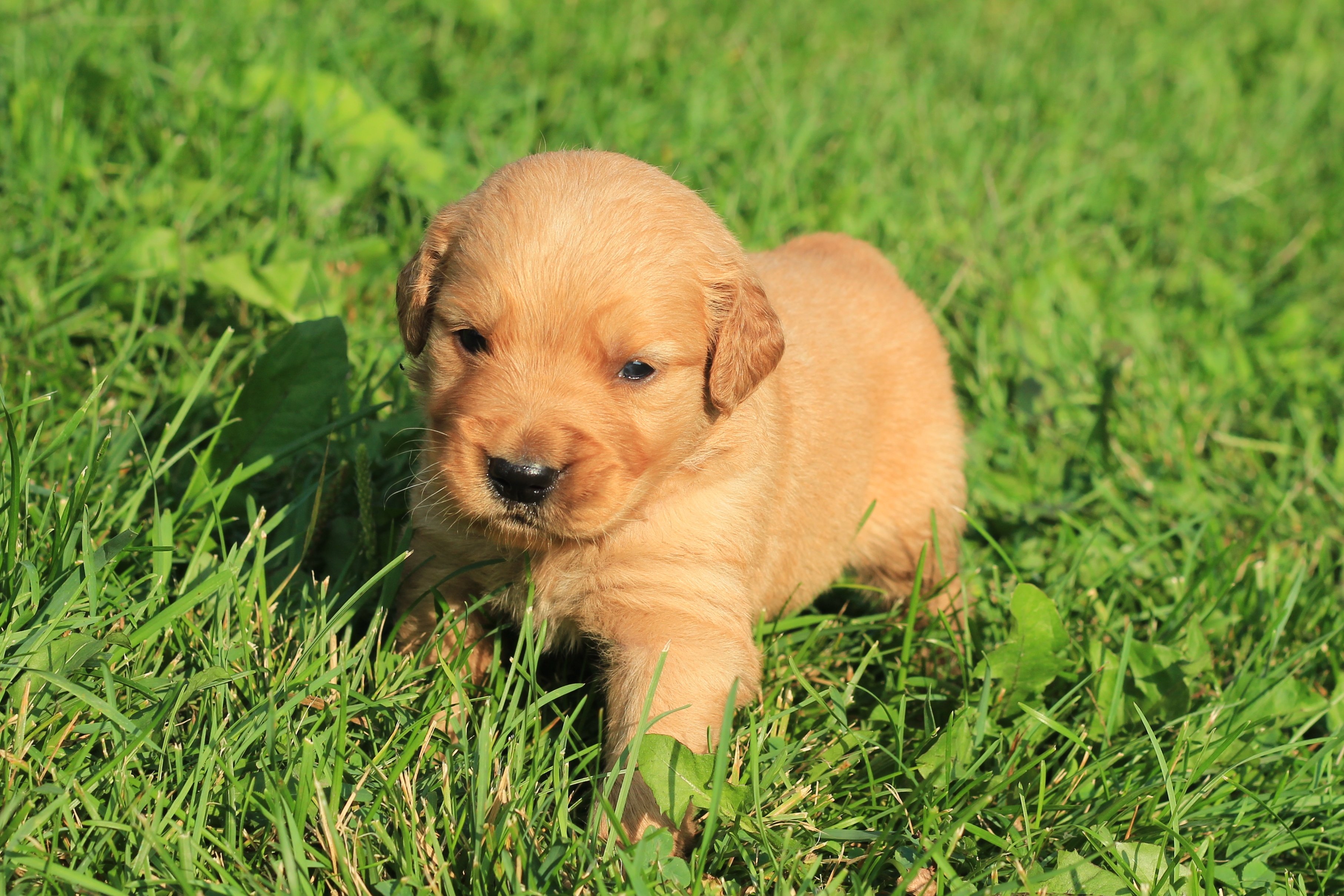
So, you've brought home a fluffy bundle of joy, a puppy whose cuteness is only rivaled by their… razor-sharp teeth? Congratulations! Puppyhood is an amazing journey, filled with cuddles, playtime, and the inevitable teething phase. It’s a wild ride, but knowing what to expect can make all the difference.
Are your shoes suddenly disappearing? Are your furniture legs looking a little… chewed? Is your puppy alternating between bursts of playful energy and grumpy naps? You're not alone. Navigating the teething period can feel overwhelming, leaving you wondering how to soothe your pup's discomfort while saving your belongings from becoming chew toys.
This guide is designed to equip you with the knowledge and tools you need to survive (and even thrive) during your puppy's teething phase. We'll cover everything from understanding the teething process to providing the best chew toys and soothing techniques. Consider this your roadmap to a happier puppy and a less-destroyed home!
Inside, we'll explore the stages of teething, effective chew toy options, DIY soothing methods, and potential warning signs that warrant a vet visit. Get ready to arm yourself with practical tips, tried-and-true strategies, and a whole lot of patience. Understanding puppy teething is the first step to a smooth and happy puppyhood. We'll cover timeline, symptom, relief and when to see a vet.
Understanding the Puppy Teething Timeline
The goal here is to understand the common stages of teething and when they typically occur, but with the recognition that every puppy is unique. My own experience with a rambunctious Golden Retriever named Gus taught me this firsthand. I thought I was prepared, having read all the articles and watched all the videos. I even made an infographic about the timeline for puppy teething. But Gus had other plans! His baby teeth seemed to vanish overnight, and his adult teeth came in with surprising speed. One day he was gumming my fingers, the next he was gnawing on a frozen carrot like a seasoned pro. Knowing thegeneraltimeline is helpful, but it's crucial to observe your own puppy's individual pace.
So, what's the general timeline? Puppies are born without teeth. Around 2-4 weeks, their tiny needle-sharp deciduous teeth (puppy teeth) start to emerge. By 6-8 weeks, they usually have a full set of 28 puppy teeth. Then, around 3-6 months, the adult teeth start pushing through, causing the puppy teeth to fall out. This is the peak of the teething frenzy! By 6-8 months, most puppies have their full set of 42 adult teeth. Breed size can also influence this timeline, with smaller breeds sometimes teething later. Keep a close eye on your pup's mouth, checking for any signs of retained puppy teeth (puppy teeth that don't fall out, requiring vet attention). This is key to prevent dental problems later. Understanding the timeline allows you to anticipate their needs and provide appropriate support during each stage.
Recognizing the Signs and Symptoms
This part aims to equip you with the ability to identify the common signs and symptoms associated with teething. I can still picture my living room rug, forever bearing the marks of what I like to call, "The Great Teething Battle of 2018." There were subtle clues at first – a little more drool than usual, a slight hesitation when eating kibble. Then, the floodgates opened. Suddenly, everything was fair game. Shoes, furniture, remote controls, even my poor unsuspecting hand. Looking back, I wish I had recognized the early signs sooner, so I could have been more proactive in providing relief.
So, what should you be looking for? Excessive chewing is the most obvious sign. A puppy who is constantly gnawing on everything in sight is likely teething. Other common symptoms include: increased drooling, red or swollen gums, fussiness or irritability, decreased appetite (due to sore gums), whining or whimpering, and even loose or missing puppy teeth. You might also notice small spots of blood on their toys or around their mouth. Observe your puppy's behavior closely. Is he pawing at his mouth? Is he reluctant to eat hard food? Recognizing these signs early on will allow you to take steps to ease their discomfort and protect your belongings. Remember, patience is key! This is a temporary phase, and your puppy isn't trying to be destructive; they're just trying to cope with the discomfort.
The Historical Context of Teething Remedies
This section explores the historical and cultural perspectives surrounding teething remedies. Historically, teething has been a source of concern for parents of both human and animal babies. In the past, various (and sometimes questionable) remedies were used to alleviate discomfort. Consider teething necklaces made of amber or other materials, believed to have mystical healing properties. Of course, these present a choking hazard! Even with puppies, the 'old wives' tales' abound.
In some cultures, teething was even blamed for illnesses. For example, fever, diarrhea, and even convulsions were sometimes attributed to teething. Fortunately, modern science has debunked these myths, but the historical context highlights the long-standing concern and the desire to find solutions for teething discomfort. Over time, practices have evolved significantly, with modern approaches focusing on safe and effective methods like appropriate chew toys, frozen treats, and gentle gum massage. It's a fascinating journey from folklore to evidence-based care, reminding us to always prioritize safety and consult with experts like veterinarians when in doubt. The important takeaway is that many old methods are disproven, especially those for humans, so it's important to learn about the current veterinary standard of care.
Unveiling the Secrets to Successful Teething Relief
The secret, and it's not really a secret at all, is understanding your puppy's individual needs and providing a variety of safe and appropriate options for them to chew on. I used to think that just any chew toy would do. But I quickly learned that puppies have preferences, just like people! Some prefer soft and plush toys, while others crave the resistance of hard rubber. The texture, size, and even the scent of a toy can make a difference.
The real secret lies in experimentation and observation. Offer your puppy a range of options and see what they gravitate towards. Rotate the toys regularly to keep things interesting. And most importantly, supervise their play to ensure they aren't breaking off pieces and swallowing them. Providing relief isn't just about giving them something to chew on; it's about providing safe, stimulating, and appropriate options that meet their individual needs. Freezing a wet rope toy can provide a stimulating and soothing chew. Remember to monitor your puppy for any signs of digestive upset after introducing new treats or toys.
Recommended Chew Toys and Soothing Techniques
The goal is to recommend safe and effective chew toys and soothing techniques tailored to your puppy's needs. My personal experience? It was a trial-and-error process, to say the least. I bought a mountain of chew toys, hoping to find the "magic bullet" that would save my furniture. Some were instantly rejected, others were destroyed in minutes. It was a journey of discovery, learning what textures and materials my puppy preferred. I soon realized that variety was key. He needed different options for different moods and stages of teething. And the frozen carrot? That was a lifesaver on particularly bad days.
Let's talk about specific recommendations. For puppies who love soft textures, try plush toys designed specifically for teething. Look for durable fabrics and avoid toys with small parts that could be swallowed. For more aggressive chewers, opt for durable rubber toys like Kongs or Nylabones. Freezing these toys can provide extra relief for sore gums. Rope toys are also a good option, but always supervise your puppy to prevent them from swallowing strands. As for soothing techniques, gentle gum massage with a clean finger can work wonders. You can also offer frozen treats like ice cubes or frozen yogurt (make sure it's xylitol-free!). Remember to always supervise your puppy when they're chewing on anything and discard any toys that become damaged or pose a choking hazard. Consider the size of the toys: small toys pose a choking hazard and extra large toys can be difficult for puppies to hold and chew.
DIY Frozen Treats for Teething Puppies
Diving into the world of DIY frozen treats opens up a realm of possibilities for soothing your teething pup. Let me tell you, the first time I made frozen yogurt cubes for my puppy, it was an absolute game-changer. He went from a grumpy, chewing machine to a happy, relaxed pup in a matter of minutes. It was like a magical transformation! The coldness provided instant relief, and the taste kept him entertained for a good long while. Plus, I knew exactly what ingredients were going into his treats, which gave me peace of mind.
So, how do you make these magical treats? It's surprisingly simple! Start with a base of plain yogurt (make sure it's xylitol-free, as xylitol is toxic to dogs). You can add in other dog-friendly ingredients like mashed banana, pureed pumpkin, or even a little bit of peanut butter (again, check for xylitol!). Mix everything together and pour it into ice cube trays or small molds. Freeze for a few hours until solid. Once frozen, pop them out and let your puppy enjoy! You can also freeze broth (chicken or beef broth works well) for a savory option. Get creative and experiment with different flavors and textures to find what your puppy loves best. Just remember to introduce new ingredients gradually and always supervise your puppy while they're enjoying their frozen treats. Watch for signs of digestive upset.
When to Seek Veterinary Advice
This section focuses on recognizing potential complications and knowing when to consult a veterinarian. I remember a time when my puppy's gums were unusually red and swollen, and he was constantly pawing at his mouth. I tried all the usual remedies – chew toys, frozen treats, gentle massage – but nothing seemed to help. He was also starting to refuse food, which was very uncharacteristic of him. I decided to err on the side of caution and take him to the vet. It turned out he had a minor infection in his gums, which the vet was able to treat with antibiotics.
So, what are some red flags to watch out for? Excessive bleeding, severe swelling, persistent pain, refusal to eat, or retained puppy teeth are all signs that warrant a vet visit. Retained puppy teeth can cause problems with the alignment of adult teeth, leading to dental issues later in life. Your vet can assess your puppy's mouth and determine if any intervention is needed. Don't hesitate to seek professional advice if you're concerned about your puppy's teething process. It's always better to be safe than sorry! A veterinarian can rule out underlying health issues and provide appropriate treatment to ensure your puppy's comfort and well-being. Regular checkups during the teething phase can also help identify potential problems early on.
Preventing Problem Behaviors During Teething
Preventing problem behaviors during teething is all about redirecting your puppy's natural urge to chew onto appropriate objects. My biggest mistake was not providing enough acceptable alternatives for my puppy to chew on. I expected him to instinctively know that my shoes were off-limits, but his brand-new (and painful!) teeth had other ideas. The key is to make sure your puppy always has access to a variety of safe and engaging chew toys. Rotate the toys regularly to keep things interesting and prevent boredom.
If you catch your puppy chewing on something they shouldn't, calmly redirect them to an appropriate chew toy. Praise them enthusiastically when they chew on the correct item. You can also use deterrent sprays (available at most pet stores) on furniture or other items you want to protect. These sprays have a bitter taste that discourages chewing. Supervise your puppy closely, especially during the peak of the teething phase. Crate training can also be a helpful tool, providing your puppy with a safe and secure space when you can't directly supervise them. Remember, consistency is key! By providing clear boundaries and plenty of appropriate chewing options, you can minimize destructive behavior and help your puppy navigate the teething process with ease.
Fun Facts About Puppy Teething
Did you know that puppies have two sets of teeth, just like humans? The first set, the puppy teeth, are also called deciduous teeth or milk teeth. These teeth are smaller and sharper than adult teeth, perfectly designed for nipping and exploring the world. And here's a fun one: puppies don't get molars as puppy teeth! They only get molars when their adult teeth come in.
Another interesting fact is that the process of teething can vary greatly from puppy to puppy. Some puppies breeze through it with minimal discomfort, while others experience significant pain and chewing urges. Breed size can also play a role, with smaller breeds sometimes teething later than larger breeds. The purpose of teething is to transition from puppy teeth, which may be too small for proper chewing, to larger, stronger adult teeth capable of breaking down food and contributing to overall health. Despite the challenges, the teething phase is a crucial step in your puppy's development, paving the way for a lifetime of healthy chewing and happy smiles. Remember that even if the timeline is different for all puppies, if your puppy is at least a year old and they still have their puppy teeth, then you should consult your vet!
How to Choose the Right Chew Toys
Choosing the right chew toys involves considering your puppy's chewing style, size, and preferences. I made the mistake of buying a toy that was too small for my puppy, and he nearly swallowed it whole! It was a scary moment, and I learned my lesson. It's essential to choose toys that are appropriately sized for your puppy's breed and age. Avoid toys with small parts that could be chewed off and swallowed.
Consider your puppy's chewing style. Is he a gentle chewer, or a power chewer? If he's a power chewer, opt for durable rubber toys or nylon bones. For gentle chewers, plush toys or softer rubber toys may be a better choice. Pay attention to the materials used in the toys. Avoid toys made with toxic chemicals or dyes. Natural rubber, cotton rope, and durable nylon are generally safe options. Rotate your puppy's toys regularly to keep things interesting and prevent boredom. And always supervise your puppy while they're playing with toys, especially new ones. Remove any toys that become damaged or pose a choking hazard. The right chew toys can provide hours of entertainment and relief for your teething puppy, while also keeping them safe and preventing destructive behavior.
What If My Puppy Swallows a Piece of a Toy?
If your puppy swallows a piece of a toy, it's important to stay calm and assess the situation. The first thing to do is try to determine the size and type of material swallowed. A small piece of soft material may pass through your puppy's system without causing any problems. However, larger pieces or sharp objects could pose a risk of obstruction or injury.
Watch your puppy closely for any signs of distress, such as vomiting, diarrhea, loss of appetite, lethargy, or abdominal pain. If you notice any of these symptoms, contact your veterinarian immediately. Do not try to induce vomiting without consulting your vet first, as this could potentially cause more harm. Your veterinarian may recommend X-rays or other diagnostic tests to determine the location and size of the object. In some cases, the object may pass on its own with supportive care. However, if the object is causing an obstruction, surgery may be necessary to remove it. Prevention is key, so always choose durable toys that are appropriately sized for your puppy and supervise their play closely. Remove any toys that become damaged or pose a choking hazard. Knowing what to do in this situation can help you act quickly and protect your puppy's health.
Teething Survival Kit: A Puppy Parent's Listicle
Let's put together a "Teething Survival Kit" – a curated list of must-haves to help you navigate this challenging phase. First on the list: a variety of chew toys. Include different textures, sizes, and materials to cater to your puppy's individual preferences. Second: frozen treats. Ice cubes, frozen yogurt, and frozen broth can provide instant relief for sore gums. Third: a deterrent spray. This can help protect your furniture and other belongings from unwanted chewing.
Fourth: a first-aid kit. Include items like gauze, antiseptic wipes, and your veterinarian's phone number in case of any minor injuries. Fifth: patience. Remember that teething is a temporary phase, and your puppy isn't trying to be destructive. Be patient and understanding, and provide plenty of love and support. Sixth: a good vacuum cleaner. You'll be cleaning up a lot of dropped puppy teeth and toy debris! Seventh: puppy-proofed space. Dedicate a safe and secure area where your puppy can chew and play without getting into trouble. This list can help you prepare for the challenges of teething and create a more comfortable and enjoyable experience for both you and your puppy.
Question and Answer Section
Here are some frequently asked questions about puppy teething:
Q: How long does puppy teething last?
A: The main teething period usually lasts from around 3-6 months of age, when their adult teeth are erupting.
Q: How can I tell if my puppy is teething?
A: Common signs include excessive chewing, drooling, red or swollen gums, fussiness, and sometimes a decreased appetite.
Q: What are some good chew toys for teething puppies?
A: Durable rubber toys, frozen toys, rope toys (with supervision), and plush toys designed for teething are all good options.
Q: When should I take my teething puppy to the vet?
A: If you notice excessive bleeding, severe swelling, persistent pain, refusal to eat, or retained puppy teeth, consult your veterinarian.
Conclusion of Puppy Teething Survival Guide: What to Expect
Congratulations, you've made it through the puppy teething gauntlet! Remember that this is a temporary phase, and with the right knowledge and tools, you can navigate it successfully. By understanding the teething timeline, recognizing the signs and symptoms, providing appropriate chew toys, and seeking veterinary advice when needed, you can help your puppy stay comfortable and healthy during this important stage of development. Enjoy the puppy cuddles (even with those sharp little teeth!) and celebrate the milestones as your furry friend grows into a happy, healthy adult dog.
0 Response to "Puppy Teething Survival Guide: What to Expect"
Post a Comment