Preparing Your Puppy for Their First Vet Visit
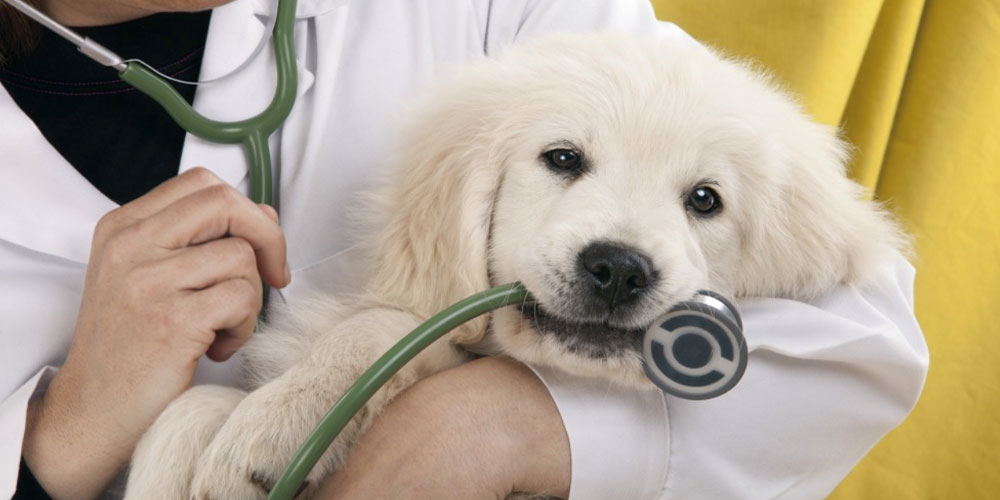
Bringing a new puppy home is one of life's greatest joys! But amidst the cuddles and playful nips, there's a very important milestone looming: their first vet visit. It can be a daunting experience for both you and your furry friend, but with a little preparation, you can make it a positive and stress-free introduction to the world of veterinary care.
Let's face it, the thought of wrestling a wiggly, possibly scared, puppy into a carrier, driving to an unfamiliar place filled with strange smells and sounds, and then subjecting them to pokes and prods isn't exactly a walk in the park. You might worry about them being scared, developing a lifelong aversion to the vet, or even just the sheer chaos of trying to manage them in a clinical setting.
This blog post is your guide to smoothing out that first vet visit! We'll cover everything from getting your puppy comfortable with handling to what to expect during the appointment and how to make it a positive experience for everyone involved. We’re aiming to empower you to create a calm and confident introduction to veterinary care, setting the stage for a lifetime of good health for your precious pup.
Ultimately, preparing your puppy for their first vet visit involves socialization, familiarization, and positive reinforcement. We'll discuss crate training, car rides, handling exercises, and how to create a positive association with the vet's office. Let's dive in and ensure your puppy's first trip to the vet is a success! Key terms include: puppy socialization, vet visit preparation, positive reinforcement, handling exercises, crate training, car rides, and fear-free vet visits.
Creating Positive Associations
The goal here is simple: make the vet's office a happy place! Don't just show up for appointments. Consider stopping by for "fun visits" where your puppy gets treats and praise without any examinations. This helps them associate the location with positive experiences. When Luna, our Golden Retriever, was a puppy, her first vet visit was a disaster. She was terrified of the metal table, the stethoscope, and the thermometer. It was my fault, I realized, because I hadn't properly prepared her. I started taking her for "happy visits" to the vet. We'd walk in, she'd get a treat from the receptionist, we'd sit in the waiting room for a few minutes while she sniffed around, and then we'd leave. No pokes, no prods, just good vibes. It took several visits, but eventually, Luna started wagging her tail when we pulled into the parking lot. The key is consistency and patience. Pair positive experiences, like treats and praise, with the vet's office and handling. This helps to counter any anxiety and creates a foundation of trust. Even the smallest gestures, like a gentle scratch behind the ears while the vet is examining them, can make a world of difference. Remember, a positive first impression can shape your puppy's perception of veterinary care for years to come.
Desensitization to Handling
Imagine someone poking and prodding you without warning. Not fun, right? The same goes for your puppy! Before the vet visit, get them used to being handled all over their body. Gently touch their paws, look in their ears, lift their tail, and examine their teeth. This will make the vet's examination much less stressful. Desensitization involves gradually exposing your puppy to different sensations and experiences in a controlled and positive manner. Start with brief, gentle touches and gradually increase the duration and intensity. Use positive reinforcement, like treats and praise, to reward them for their calm behavior. If they pull away or show signs of discomfort, back off and try again later with a less intense stimulus. The key is to proceed at their pace and make it a positive experience. Regularly handling your puppy also allows you to notice any abnormalities, such as lumps, bumps, or areas of pain, which you can then discuss with your veterinarian. This proactive approach can help identify and address potential health issues early on.
The History and Myth of Fear-Free Visits
While the concept of "fear-free" veterinary visits is relatively new, the awareness of animal anxiety during vet visits has been around for ages. Historically, vet visits were often stressful events for both pets and owners, with little emphasis on minimizing fear and anxiety. The modern "fear-free" movement emphasizes understanding animal behavior and creating a calmer, more comfortable environment. The myth that "dogs just don't like the vet" is harmful because it normalizes and accepts unnecessary stress. In reality, with proper preparation and a fear-free approach, many dogs can learn to tolerate, and even enjoy, vet visits. Veterinarians and staff trained in fear-free techniques use gentle handling, positive reinforcement, and pheromone diffusers to create a more relaxed atmosphere. They also prioritize understanding each animal's individual needs and adjusting their approach accordingly. By dispelling the myth that vet visits have to be stressful, we can empower pet owners to advocate for their animals' well-being and seek out veterinary care that prioritizes their emotional and psychological health.
Unlocking the Secret to Stress-Free Car Rides
For many puppies, the car ride to the vet is the first source of anxiety. Car sickness, fear of the unknown, and association with unpleasant experiences can all contribute to a negative car riding experience. The secret is to make car rides fun! Start with short trips to enjoyable destinations like the park or a friend's house. Use positive reinforcement, such as treats and praise, during the ride. Gradually increase the duration of the trips as your puppy becomes more comfortable. Consider using a comfortable and secure carrier or car seat to help them feel safe and secure. Pheromone sprays can also help to reduce anxiety. If your puppy experiences car sickness, consult with your veterinarian about potential remedies. The key is to create a positive association with car rides so that the trip to the vet is just another enjoyable outing. A relaxed puppy in the car will be much more receptive to the vet visit itself. Creating a positive association might take time, but a relaxed car ride can greatly impact the overall experience of vet appointments. A calm and happy car ride could make the difference between a stressed-out pup and a calm patient during their first vet visit.
Recommendations for a Successful Vet Visit
Before the appointment, write down any questions or concerns you have for the veterinarian. Bring your puppy's vaccination and deworming records, if available. Arrive a few minutes early to allow your puppy to acclimate to the environment. Keep them on a leash or in a carrier to ensure their safety and prevent them from interacting with other animals without supervision. Bring high-value treats to reward them for good behavior. During the examination, stay calm and reassuring. Talk to your puppy in a soothing voice and offer gentle praise. If they become anxious or fearful, ask the veterinarian to slow down or take a break. The veterinarian is there to help you and your puppy, so don't hesitate to voice any concerns or ask for clarification. After the appointment, reward your puppy with a special treat or toy. This will help them associate the vet visit with positive experiences and make them more likely to cooperate in the future. Remember, a successful vet visit is a team effort between you, your puppy, and the veterinarian.
Socialization Starts Early
Socialization is about more than just meeting other dogs; it's about exposing your puppy to a wide variety of sights, sounds, and experiences in a safe and controlled manner. This helps them develop into well-adjusted and confident adults. Start with introducing them to different surfaces, such as grass, concrete, and tile. Expose them to different noises, such as cars, sirens, and vacuum cleaners. Introduce them to different people, including children, adults, and people wearing hats or glasses. The key is to make these experiences positive and rewarding. Use treats, praise, and gentle encouragement to help them feel comfortable and confident. Avoid overwhelming them with too much stimulation at once. Observe their body language closely and back off if they show signs of anxiety or fear. Early socialization is crucial for preventing fear-based aggression and other behavioral problems. A well-socialized puppy is more likely to be confident and adaptable in new situations, making vet visits and other potentially stressful experiences much easier. Proper socialization is key to ensuring that your puppy is happy and well-adjusted.
Essential Tips for a Smooth Appointment
Bring a favorite toy or blanket to provide comfort. Use a pheromone diffuser or spray in the car and waiting room to help reduce anxiety. Practice handling exercises at home to prepare them for the examination. Bring high-value treats to reward good behavior. Stay calm and reassuring throughout the visit. If your puppy is particularly anxious, consider asking your veterinarian about pre-visit anxiety medication. Communicate your concerns to the veterinarian and let them know if your puppy is sensitive to certain types of handling. Don't be afraid to ask questions. The veterinarian is there to help you understand your puppy's health and well-being. Follow the veterinarian's recommendations for vaccinations, deworming, and other preventative care. Schedule regular checkups to ensure your puppy stays healthy and happy. Remember, a healthy puppy is a happy puppy! Preparing your puppy for their first vet visit doesn’t need to be scary. With preparation and a positive attitude, you can make it a positive experience. Building a strong relationship with your vet and providing excellent care can greatly impact your puppy’s well-being.
The Importance of Crate Training
Crate training provides your puppy with a safe and secure den, which can be especially helpful during stressful situations like vet visits. Introduce the crate gradually, making it a positive and comfortable space. Start by feeding them their meals inside the crate with the door open. Gradually increase the amount of time they spend in the crate with the door closed. Use treats and toys to reward them for entering and staying in the crate. Never use the crate as punishment. A crate-trained puppy is more likely to feel safe and secure during car rides and in the waiting room at the vet's office. It can also provide them with a sense of comfort and security during the examination itself. Crate training not only makes vet visits easier but also provides your puppy with a valuable life skill that can be beneficial in many other situations. A well-trained puppy who is comfortable in their crate will likely find the experience of new places and unfamiliar situations less frightening. Creating a safe and positive association with their crate gives them a place to retreat to during times of stress.
Fun Facts About Puppy Health
Did you know that puppies have 28 teeth, while adult dogs have 42? Or that a puppy's sense of smell is estimated to be 100,000 times stronger than a human's? Puppies require more frequent vaccinations than adult dogs because their immune systems are still developing. Regular deworming is essential for puppies to prevent intestinal parasites. Puppies need a balanced diet specifically formulated for their growth stage to ensure proper development. Socialization is crucial for puppies to prevent fear-based aggression and other behavioral problems. Early training can help prevent behavioral issues that can lead to health problems and expensive treatment. Knowing fun facts like these can help you understand your puppy's unique needs and provide them with the best possible care. Understanding their developmental stages and care requirements can also allow you to make more informed decisions. From their rapidly developing immune system to their heightened senses, appreciating the unique characteristics of puppies emphasizes the importance of proactive health care. Staying informed can lead to a healthier and happier life for your furry companion.
How To Handle a Fearful Puppy
If your puppy is showing signs of fear, such as trembling, panting, or trying to escape, it's important to remain calm and reassuring. Avoid forcing them into situations that make them uncomfortable. Speak to them in a soothing voice and offer gentle praise. Use high-value treats to reward them for calm behavior. If possible, ask the veterinarian to slow down or take a break. You can also ask if it’s possible for you to hold them in your lap during the appointment or examination. Distract your puppy with a favorite toy or puzzle. If your puppy is extremely fearful, consider consulting with a veterinary behaviorist for specialized guidance. Remember, patience and understanding are key to helping your puppy overcome their fears. If your puppy becomes aggressive, calmly move them away from the situation and seek professional help from a qualified trainer or behaviorist. A fearful puppy can become a happy and well-adjusted companion with the right care and support. Making a plan with your veterinarian ahead of time is a great way to ensure you can proactively address your puppy’s anxieties during their first visit.
What if My Puppy Has a Bad Experience?
Even with the best preparation, sometimes things don't go as planned. If your puppy has a bad experience at the vet, don't despair. The most important thing is to not get discouraged, and keep the communication channels open with your vet and your puppy. Acknowledge their feelings and provide plenty of comfort and reassurance. Avoid scolding or punishing them, as this will only make them more fearful. Schedule follow-up visits that focus on positive experiences, such as "happy visits" where they get treats and praise without any examinations. If your puppy continues to exhibit fear or anxiety, consider consulting with a veterinary behaviorist for specialized guidance. It's important to address the problem early on to prevent it from escalating into a more serious behavioral issue. With patience, understanding, and a proactive approach, you can help your puppy overcome their fear and develop a positive association with the vet. If your puppy becomes difficult to handle, ask your veterinarian about medication options. Remember that a single negative experience doesn't have to define their perception of veterinary care.
Listicle: Top 5 Tips for a Successful First Vet Visit
1. Start socialization early: Expose your puppy to a variety of sights, sounds, and experiences to help them develop into confident and adaptable adults.
2. Practice handling exercises: Get your puppy used to being touched all over their body to prepare them for the examination.
3. Create positive associations: Make the vet's office a happy place by visiting for treats and praise without any examinations.
4. Make car rides fun: Take short trips to enjoyable destinations to help your puppy associate car rides with positive experiences.
5. Stay calm and reassuring: Your puppy will pick up on your emotions, so it's important to remain calm and supportive throughout the visit. These tips can help you prepare your puppy for their first vet visit and make it a positive experience for everyone involved.
Creating a checklist can help prepare you, as well as, make sure that your pup is set for the first visit!
Being prepared is the best way to make the visit as smooth as possible.
Remember to consult with your veterinarian if you have any questions or concerns.
These five tips will surely get you off to a running start!
Question and Answer
Q: How early should I start preparing my puppy for the vet?
A: As soon as you bring them home! Start with gentle handling exercises and socialization to different sights, sounds, and experiences.
Q: What should I bring to my puppy's first vet visit?
A: Bring any vaccination or deworming records, a leash or carrier, high-value treats, and a favorite toy or blanket.
Q: What if my puppy is scared at the vet?
A: Stay calm and reassuring, speak in a soothing voice, and offer treats and praise. Ask the veterinarian to slow down or take a break if needed.
Q: How often should my puppy visit the vet?
A: Puppies typically need to visit the vet every 3-4 weeks for vaccinations and deworming until they are around 16 weeks old. After that, they will need annual checkups.
Conclusion of Preparing Your Puppy for Their First Vet Visit
Preparing your puppy for their first vet visit might seem overwhelming, but by following these tips and tricks, you can transform it into a positive and stress-free experience. Remember that socialization, familiarization, and positive reinforcement are key. By creating positive associations, desensitizing your puppy to handling, and staying calm and reassuring, you can set the stage for a lifetime of good health and a strong relationship with your veterinarian. So, take a deep breath, gather your supplies, and embark on this journey with confidence. Your furry friend will thank you for it!
0 Response to "Preparing Your Puppy for Their First Vet Visit"
Post a Comment