How to Build a Strong Recall With Your Puppy
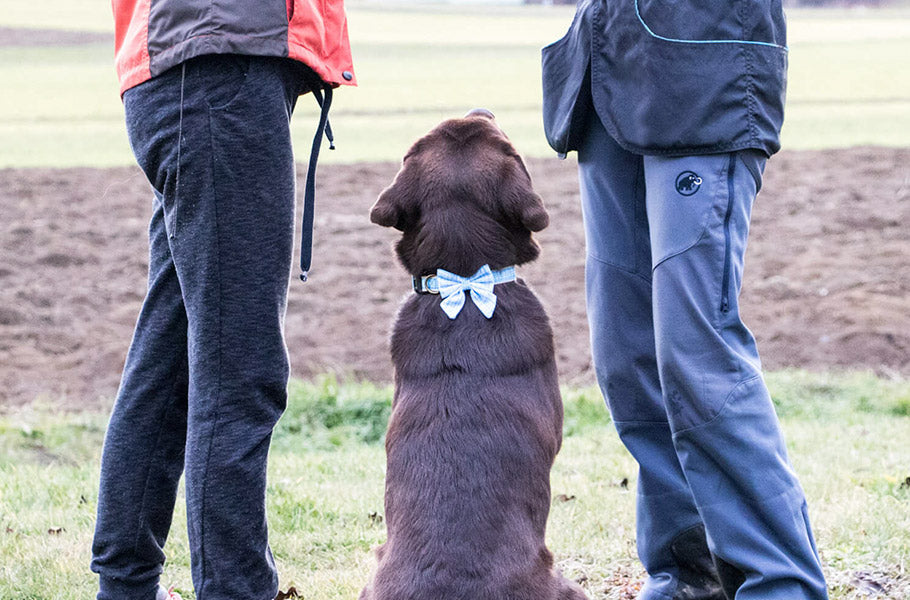
Picture this: you're at the park, your adorable puppy is bounding through the grass, tail wagging furiously. You call their name, expecting them to come running back to you, but instead, they're sniffing at a particularly interesting bush, completely oblivious. Sound familiar?
Many puppy parents dream of off-leash freedom, envisioning joyful romps in the park and confident walks where their furry friend stays close. The reality, however, can be a little different. The frustration of a puppy who ignores your calls, the worry of them running into danger, and the embarrassment of having to chase them down can quickly dampen the joy of puppyhood. You are not alone!
This guide is designed to help you build a rock-solid recall with your puppy. We'll break down the process into easy-to-follow steps, covering everything from initial training to proofing your recall in different environments. We will equip you with the knowledge and techniques you need to transform your puppy into a recall rockstar, fostering a stronger bond and unlocking a world of off-leash adventures.
By using positive reinforcement, starting training early, and creating a fun and rewarding experience, you can create a puppy who comes running every time you call! A reliable recall is the cornerstone of off-leash freedom and a vital safety skill for your puppy. With patience, consistency, and the right approach, you'll be well on your way to achieving that dream.
The Power of Positive Reinforcement
Positive reinforcement is at the heart of successful puppy training, and recall is no exception. Forget about scolding or punishment; we want your puppy to associate coming to you with something wonderful! For a few weeks when I first got Luna I would start training her, but would give up when she wouldn't do what I asked. What I didn't understand was the power of Positive Reinforcement.
The concept is simple: when your puppy comes to you after you call their name, reward them immediately with something they love. This could be a tasty treat, a favorite toy, enthusiastic praise, or even a quick cuddle. The key is to make the reward irresistible and to deliver it right when they arrive. If you wait too long, they might not connect the reward with the act of coming.
Think about it from your puppy's perspective. If coming to you means receiving a delicious morsel or a fun game, they'll be much more motivated to drop whatever they're doing and zoom over. Positive reinforcement builds a strong, positive association with recall, making it a joyful and rewarding experience for both of you. It's not just about obedience; it's about strengthening your bond and creating a trusting relationship with your puppy.
Start Early and Keep it Short
Puppies have short attention spans, so it's essential to start recall training as soon as you bring them home and keep training sessions short and sweet. We are talking like 10 minutes a day, and that's it! Think of each session as a fun game, not a chore. Begin in a quiet, distraction-free environment, such as your living room or backyard. The earlier you start the better!
Begin by saying your puppy's name in an upbeat, enthusiastic tone, followed by the word "Come!" As soon as they take a step towards you, get excited and give them praise. When they reach you, shower them with affection and a high-value treat. Repeat this several times, gradually increasing the distance between you and your puppy.
Remember to end each session on a positive note. Even if your puppy doesn't get it right every time, focus on their successes and celebrate their efforts. By keeping training sessions short, fun, and rewarding, you'll help your puppy develop a positive association with recall and build a strong foundation for future success.
The History and Evolution of Recall Training
Recall training, at its core, is about establishing a reliable line of communication between you and your dog. Early humans recognized the need to call their canine companions back, whether from a hunt or to protect them from danger. In the past, recall training may have involved harsher methods, but modern techniques emphasize positive reinforcement and building a strong bond.
Over time, recall training has evolved to incorporate a deeper understanding of canine behavior and learning. Today, trainers and behaviorists recognize the importance of creating a positive and rewarding experience for dogs, rather than relying on fear or coercion. The focus is on building trust, motivation, and a strong desire for the dog to return to their handler.
Many myths surround recall training, such as the belief that certain breeds are simply "un-trainable" or that it's impossible to teach an old dog new tricks. These myths are often based on outdated methods or a lack of understanding of canine behavior. With the right approach, patience, and consistency, nearly any dog can learn a reliable recall.
The Hidden Secret: High-Value Rewards
The secret weapon of successful recall training is the use of high-value rewards. These are treats or toys that your puppy finds incredibly irresistible, something they're willing to work hard for. Think beyond their regular kibble! This is a very important step of the process for successful training. I love to use freeze dried liver.
Experiment with different types of rewards to find what motivates your puppy the most. Some puppies might go crazy for tiny pieces of cooked chicken or cheese, while others might prefer a squeaky toy or a game of tug-of-war. Once you've identified your puppy's high-value rewards, reserve them specifically for recall training.
The key is to use these rewards strategically to create a strong association between coming to you and receiving something amazing. When your puppy comes running after you call their name, deliver the high-value reward immediately and with lots of enthusiasm. This will reinforce the desired behavior and make your puppy eager to repeat it.
Recommendations for Reliable Recall
Consistency is key to building a reliable recall. Practice regularly, even when you don't need to. This will reinforce the behavior and make it more ingrained in your puppy's mind. Remember, recall is not just about obedience; it's about building a strong bond and creating a trusting relationship with your puppy.
Use a consistent cue word. Whether you choose "Come," "Here," or another word, stick with it. This will help your puppy understand exactly what you expect of them. Avoid using your puppy's name in a negative context, as this can create a negative association with their name and make them less likely to respond to recall.
Gradually increase the difficulty of your recall training by introducing distractions and practicing in different environments. Start in a quiet backyard, then move to a park with other dogs and people. Always supervise your puppy carefully and be prepared to use a long leash or training line if needed.
Proofing Your Recall
Proofing your recall means testing it in various real-world situations, gradually increasing the distractions and challenges. Start with low-distraction environments and gradually work your way up to more challenging settings, such as parks with other dogs or busy streets. Remember to always use positive reinforcement and make it a fun experience for your puppy.
One effective proofing technique is to use a long leash or training line. This allows you to give your puppy some freedom to explore while still maintaining control. If your puppy starts to wander off or ignores your recall cue, gently guide them back to you using the leash and then reward them for coming.
Another important aspect of proofing is to practice recall in different environments and with different distractions. This will help your puppy learn to generalize the behavior and respond reliably, regardless of the situation. Remember to always be patient and consistent, and celebrate your puppy's successes along the way.
Troubleshooting Common Recall Problems
Even with consistent training, you might encounter some challenges along the way. One common issue is that puppies sometimes ignore recall cues when they're engrossed in something exciting. If this happens, try to make yourself more interesting than whatever has caught their attention.
Another common problem is that puppies may hesitate to come if they associate recall with something unpleasant, such as getting a bath or having their nails trimmed. To address this, make sure to always follow recall with positive reinforcement and avoid using it in situations that your puppy finds stressful.
If you're struggling with recall, consider seeking guidance from a professional dog trainer or behaviorist. They can assess your puppy's behavior, identify any underlying issues, and provide personalized training advice to help you overcome these challenges.
Recall Training on a Leash
While the ultimate goal is often off-leash freedom, recall training on a leash is a crucial stepping stone. It allows you to establish the basic concept of coming when called without the risk of your puppy running off. Start by attaching a lightweight leash to your puppy's collar and practicing recall in a controlled environment.
As you call your puppy's name and say "Come," gently guide them towards you using the leash. When they reach you, reward them with praise and a treat. Gradually increase the distance and distractions as your puppy becomes more confident and responsive.
Once your puppy is consistently responding to recall on a leash, you can start practicing off-leash recall in a safe and enclosed area, such as a fenced backyard or dog park. Always supervise your puppy closely and be prepared to use a long leash or training line if needed.
Fun Facts About Dog Recall
Did you know that a dog's sense of smell is estimated to be 10,000 to 100,000 times more sensitive than a human's? This incredible sense of smell can sometimes make recall training challenging, as your puppy might be more interested in following a scent than listening to your commands.
Another interesting fact is that dogs can learn to recognize hundreds of words and commands. This means that you can use a variety of cues to communicate with your puppy, not just the word Come.Some trainers recommend using different cues for different situations, such as a whistle for long-distance recall or a hand signal for quiet recall.
Finally, it's important to remember that every dog is an individual and learns at their own pace. Some puppies might pick up recall quickly, while others might need more time and patience. The key is to be consistent, positive, and celebrate your puppy's progress along the way.
How to Train Your Puppy
Training your puppy requires patience, consistency, and a positive approach. Start with the basics, such as sit, stay, and come, and gradually introduce more complex commands as your puppy progresses. Keep training sessions short and fun, and always reward your puppy for their efforts.
One of the most effective training methods is positive reinforcement. This involves rewarding your puppy for good behavior with treats, praise, or toys. Avoid using punishment or harsh corrections, as these can damage your relationship with your puppy and make them less likely to trust you.
Another important aspect of training is socialization. Expose your puppy to a variety of people, places, and situations to help them become well-adjusted and confident adults. Enroll in a puppy class or take your puppy to a dog park to help them learn to interact with other dogs in a safe and controlled environment.
What If Your Puppy Won't Recall?
If your puppy consistently refuses to come when called, it's important to take a step back and assess the situation. Are you using positive reinforcement consistently? Are you practicing in different environments and with different distractions? Is your puppy experiencing any fear or anxiety that might be hindering their ability to focus?
One common reason why puppies won't recall is that they associate recall with something unpleasant, such as getting a bath or having their nails trimmed. If this is the case, try to make recall a more positive experience by rewarding your puppy with high-value treats and praise every time they come.
If you're still struggling with recall, consider seeking guidance from a professional dog trainer or behaviorist. They can help you identify any underlying issues and develop a personalized training plan to address your puppy's specific needs. Remember, patience and consistency are key to building a reliable recall.
Listicle: 5 Ways to Improve Your Puppy's Recall
1.Use High-Value Rewards: Find out what your puppy loves most and use it exclusively for recall training.
2.Practice Regularly: Consistency is key! Short, frequent training sessions are more effective than long, infrequent ones.
3.Make it Fun: Recall training should be a positive and enjoyable experience for both you and your puppy.
4.Gradually Increase Distractions: Start in a quiet environment and gradually introduce distractions as your puppy progresses.
5.Be Patient and Consistent: Every puppy learns at their own pace. Don't get discouraged if your puppy doesn't get it right away.
Question and Answer
Q: My puppy comes sometimes, but not others. What am I doing wrong?
A: Consistency is key! Ensure you're always rewarding your puppy when they come, even if it takes them a while. Also, consider the environment – is it more distracting than usual? Adjust your training accordingly.
Q: What if my puppy only comes when I have a treat?
A: That's a good start! Once they understand the concept, start phasing out treats gradually, replacing them with praise and occasional high-value rewards to keep them motivated.
Q: My puppy is easily distracted by other dogs. How can I improve recall around them?
A: Start by practicing recall at a distance from other dogs, gradually decreasing the distance as your puppy becomes more responsive. Use high-value rewards and lots of praise to keep their attention focused on you.
Q: Is it ever too late to teach a dog recall?
A: It's never too late! While it might take more time and patience with an older dog, you can still build a reliable recall using positive reinforcement techniques.
Conclusion of How to Build a Strong Recall With Your Puppy
Building a strong recall with your puppy is an investment that pays off in countless ways. It's not just about obedience; it's about safety, freedom, and a deeper connection with your furry friend. By using positive reinforcement, starting early, being consistent, and proofing your recall in different environments, you can create a puppy who comes running every time you call! Remember to be patient, celebrate your successes, and enjoy the journey. With a little effort and dedication, you'll be well on your way to enjoying off-leash adventures with your recall superstar!
0 Response to "How to Build a Strong Recall With Your Puppy"
Post a Comment