How Much Exercise Does Your Puppy Really Need?
Bringing a puppy home is one of life's greatest joys! Those tiny paws, wet noses, and endless energy are enough to melt anyone's heart. But amidst all the cuddles and playtime, a crucial question arises: are you giving your furry friend the right amount of exercise? Too little, and they might become destructive balls of pent-up energy. Too much, and you could be setting them up for joint problems down the road. It's a delicate balance, and understanding it is key to raising a happy, healthy pup.
Many new puppy parents find themselves overwhelmed. You want to do the best for your new family member, but advice seems to contradict itself at every turn. You might worry about accidentally injuring your puppy, or perhaps you're struggling to fit exercise into your already busy schedule. The guilt of not knowing if you're doing enough, or the frustration of dealing with a puppy that seems to have endless energy, can be tough. Navigating this stage can feel like a constant guessing game.
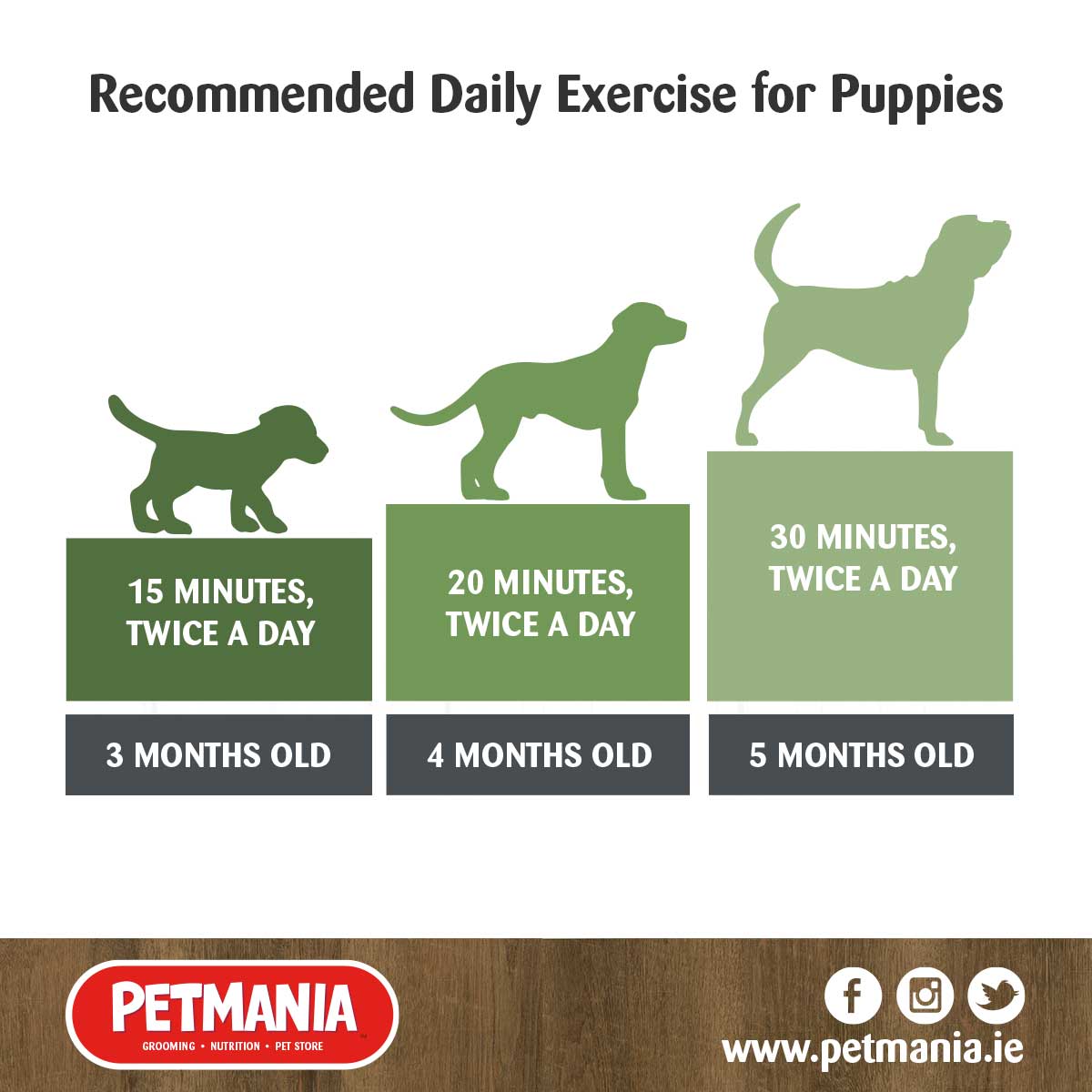
So, how much exercise does your puppyreallyneed? A good general guideline is the "5-minute rule": 5 minutes of exercise per month of age, twice a day. This means a 3-month-old puppy would need 15 minutes of exercise twice a day. But, remember, this is just a guideline! Breed, size, and individual energy levels play a significant role. Some breeds are naturally more energetic and require more activity, while others are content with shorter bursts of play. Observation is key; watch your puppy's cues. Are they panting heavily? Are they lagging behind on walks? Adjust accordingly.
Figuring out the right amount of exercise for your puppy is vital for their physical and mental well-being. It helps prevent destructive behaviors, promotes healthy bone and muscle development, and strengthens the bond between you and your furry companion. Remember the 5-minute rule, consider your puppy's breed and energy levels, and always prioritize their safety and well-being. We'll delve deeper into these aspects to help you create the perfect exercise routine for your growing pup.
Listen To Your Puppy
My own experience with my golden retriever puppy, Gus, really hammered home the importance of paying attention to individual cues. Initially, I was so caught up in following the "5-minute rule" to the letter that I wasn't truly observing him. I'd religiously take him for 20-minute walks (he was 4 months old), regardless of how he seemed. There were days he was bouncing with energy, but other days, I noticed he was lagging behind, panting excessively, and even trying to sit down mid-walk. It dawned on me that I was pushing him too hard. I reduced the walks, focusing instead on shorter, more frequent play sessions in the backyard. This made a huge difference! He was happier, less exhausted, and our bond strengthened as I became more attuned to his needs.
Listening to your puppy is paramount because the "5-minute rule" is just a starting point. Every puppy is an individual with their unique energy levels and physical capabilities. Certain breeds, like border collies or Jack Russell terriers, are naturally high-energy and may require more stimulation than, say, a bulldog puppy. Similarly, smaller breeds might tire more easily than larger breeds. Observing your puppy's behavior during and after exercise is the best way to gauge if you're providing the right amount. If they're still bouncing off the walls after a walk, they might need more activity. If they're collapsing in a heap of exhaustion, it's time to scale back. Factors such as weather also come into play. Heat can be particularly taxing on puppies, so shorter, cooler walks are advisable during the summer months. Prioritize activities that not only provide physical exertion but also stimulate their minds, such as puzzle toys or short training sessions. This combination of physical and mental stimulation is crucial for a well-balanced and happy puppy.
What Kind of Exercise is Best?
Choosing the right types of exercise is just as important as the duration and frequency. Overexerting a puppy, especially before their growth plates are fully closed (usually around 12-18 months), can lead to joint problems later in life. This means high-impact activities like long-distance running or jumping should be avoided. Instead, focus on low-impact exercises that are gentle on their developing joints.
The goal is to provide a variety of activities that stimulate both their minds and bodies. Walking on soft surfaces like grass or dirt is excellent for building endurance and muscle strength without putting excessive stress on their joints. Short bursts of play, such as fetch or tug-of-war (with gentle tugging!), are great for burning energy and promoting mental stimulation. Introducing your puppy to different environments and surfaces also helps them develop coordination and confidence. Early socialization is vital, but make sure it's done in a safe and controlled manner. Puppy playdates should be with dogs of similar size and energy levels, and always under supervision. Agility training can be introduced gradually, starting with simple obstacles and focusing on positive reinforcement. Swimming is another fantastic low-impact exercise that provides a full-body workout. However, always supervise your puppy around water and introduce them gradually to ensure they feel comfortable and safe. Combining these various activities not only keeps your puppy physically fit but also mentally engaged, preventing boredom and destructive behaviors.
The History and Myth of Puppy Exercise
The advice surrounding puppy exercise has evolved considerably over time. Historically, the belief was often that puppies, like children, could simply "run it off" and that ample free play was sufficient. However, modern veterinary medicine has shed light on the potential risks of overexertion during crucial developmental stages. The understanding of growth plates, the areas of cartilage at the ends of long bones where growth occurs, has been pivotal in shaping current recommendations.
One common myth is that puppies need to be "worn out" to be well-behaved. While adequate exercise is essential for managing energy levels, the focus should be on providing a balance of physical and mental stimulation rather than simply exhausting them. An overtired puppy can become irritable and prone to behavioral issues. Another myth is that all puppies of the same age require the same amount of exercise. This ignores the crucial factors of breed, size, and individual temperament. A tiny Chihuahua puppy will have vastly different exercise needs than a giant breed puppy like a Great Dane. There's also the misconception that structured exercise is the only form of activity that counts. While walks and playtime are important, incorporating activities like puzzle toys or training sessions into their daily routine can be just as beneficial for their overall well-being. Early socialization, introducing your puppy to different sights, sounds, and experiences, is another critical component of their development and should not be overlooked. By dispelling these myths and adopting a more informed approach to puppy exercise, we can help ensure they grow into happy, healthy, and well-adjusted dogs.
The Hidden Secret of Puppy Exercise
The "hidden secret" to proper puppy exercise isn't just about the physical activity itself, but about using it as a tool to build a strong, positive relationship with your pup. Exercise isn't just about burning energy; it's an opportunity to train, bond, and socialize your puppy in a fun and engaging way.
This means incorporating positive reinforcement techniques into your walks and playtime. Reward your puppy for good behavior, such as walking nicely on a leash or coming when called, with treats and praise. Use exercise as a training opportunity to teach basic commands like "sit," "stay," and "leave it." This not only reinforces good behavior but also stimulates their minds and strengthens the bond between you. Socialization is also a key component of puppy exercise. Expose your puppy to different environments, people, and sounds in a safe and controlled manner. This helps them develop confidence and reduces the risk of developing fear or anxiety later in life. Consider enrolling your puppy in a puppy socialization class, where they can interact with other puppies and learn important social skills under the guidance of a qualified trainer. Remember that exercise should be a positive experience for both you and your puppy. If either of you are feeling stressed or overwhelmed, it's time to take a break. Focus on creating a fun, engaging, and rewarding exercise routine that promotes both physical and mental well-being.
Recommendations of Puppy Exercise
When it comes to recommending specific exercise routines, it's impossible to offer a one-size-fits-all solution. The best approach is to tailor the routine to your puppy's individual needs, taking into account their breed, size, age, and energy levels. However, here are some general recommendations to get you started:
For young puppies (8-12 weeks), focus on short, frequent play sessions and socialization. Short walks of 5-10 minutes, 2-3 times a day, are sufficient. Introduce them to different surfaces, sounds, and people in a controlled environment. For older puppies (3-6 months), gradually increase the duration and intensity of their exercise. Follow the "5-minute rule" as a guideline, but always observe their cues. Incorporate a variety of activities, such as walks, playtime, and training sessions. For adolescent puppies (6-12 months), continue to increase their exercise gradually, but avoid high-impact activities until their growth plates are fully closed. Focus on building endurance and muscle strength with activities like hiking, swimming, or agility training (with modifications). Remember to always supervise your puppy during exercise and provide them with plenty of fresh water. Avoid exercising them during the hottest part of the day and be mindful of their energy levels. If they seem tired or uncomfortable, it's time to take a break. Consulting with your veterinarian or a certified dog trainer is always a good idea to ensure you're providing your puppy with the right amount of exercise for their individual needs.
The Science Behind the 5-Minute Rule
The "5-minute rule" is based on the understanding of puppy development and the potential risks of overexertion. Puppies' growth plates are made of cartilage, which is softer and more vulnerable to injury than bone. Excessive or high-impact exercise can put stress on these growth plates, potentially leading to long-term joint problems like hip dysplasia or elbow dysplasia.
The 5-minute rule is meant to provide a guideline for gradually increasing exercise intensity as the puppy grows and their bones become stronger. It's not a hard-and-fast rule, but rather a starting point that needs to be adjusted based on individual factors. For example, puppies from working breeds may require more exercise than puppies from toy breeds. Similarly, active puppies will need more stimulation than sedentary puppies. The key is to observe your puppy's behavior and adjust their exercise routine accordingly. Look for signs of fatigue, such as panting, lagging behind, or sitting down frequently. If you notice these signs, it's time to scale back their activity. It's also important to consider the type of exercise. Low-impact activities like walking on soft surfaces are generally safer for puppies than high-impact activities like running on hard surfaces or jumping. By understanding the science behind the 5-minute rule and tailoring it to your puppy's individual needs, you can help ensure they grow into healthy and active adults.
Tips on Puppy Exercise
Beyond the general guidelines, there are several practical tips that can help you create a safe and effective exercise routine for your puppy. These tips focus on preventing injuries, promoting good behavior, and making exercise enjoyable for both of you.
Always warm up your puppy before exercise and cool them down afterward. A gentle warm-up can help prepare their muscles for activity, while a cool-down can help prevent muscle soreness. Start with a few minutes of slow walking or stretching. Use a leash and harness that fits properly. A harness is generally preferable to a collar, as it distributes pressure more evenly across their body and reduces the risk of neck injuries. Avoid retractable leashes, as they can be dangerous if your puppy suddenly bolts. Choose safe and appropriate surfaces for exercise. Soft surfaces like grass or dirt are ideal for walking and running, while hard surfaces like concrete can be tough on their joints. Be aware of the weather conditions. Avoid exercising your puppy during the hottest part of the day and be mindful of their energy levels. Provide them with plenty of fresh water and shade. Teach your puppy basic commands like "sit," "stay," and "leave it." These commands can be useful for controlling their behavior during exercise and preventing them from getting into trouble. Reward your puppy for good behavior with treats and praise. Positive reinforcement is the most effective way to train a puppy and will help make exercise a positive experience for both of you. By following these tips, you can help ensure your puppy enjoys a safe and effective exercise routine that promotes their physical and mental well-being.
Recognizing Overexertion in Puppies
Knowing when your puppy has had enough is just as important as knowing how much exercise they need. Puppies are notorious for pushing themselves to the limit, often ignoring their own fatigue. It's your responsibility as their owner to recognize the signs of overexertion and to intervene before they injure themselves.
Some common signs of overexertion in puppies include excessive panting, lagging behind on walks, sitting or lying down frequently, reluctance to move, stiffness or lameness, and changes in behavior, such as irritability or whining. If you notice any of these signs, stop the exercise immediately and allow your puppy to rest. Provide them with plenty of fresh water and monitor them closely for any signs of injury. If they continue to show signs of discomfort or pain, consult with your veterinarian. It's also important to be aware of the specific risks associated with certain types of exercise. For example, running on hard surfaces can put stress on their joints, while playing fetch in hot weather can lead to heatstroke. By being mindful of these risks and taking precautions, you can help prevent your puppy from getting overexerted. Remember that every puppy is different, and some puppies will be more prone to overexertion than others. It's important to observe your puppy's behavior carefully and adjust their exercise routine accordingly. If you're unsure about how much exercise your puppy needs, consult with your veterinarian or a certified dog trainer.
Fun Facts of Puppy Exercise
Did you know that puppies actually benefit from short bursts of intense activity followed by periods of rest, mimicking their natural play patterns? Or that mental stimulation, like puzzle toys, can be just as tiring as a walk in the park? Puppy exercise is more than just physical exertion; it's a fascinating world of playful learning and growth!
Here are some fun facts to consider: Studies show that puppies who engage in regular exercise and socialization are less likely to develop behavioral problems later in life. Certain breeds, like Border Collies, were originally bred to work all day, requiring significant exercise to stay happy. Even a few minutes of training can tire a puppy out mentally! Hide-and-seek with treats or toys is an excellent way to engage their minds and bodies simultaneously. Different surfaces provide unique sensory experiences for puppies. Let them explore grass, sand, and even shallow water (under supervision!) to enrich their development. Remember, the goal is to make exercise fun and engaging. Try mixing up their routine with new games, locations, and activities to keep them entertained. Even a short walk can become an adventure if you allow them to sniff around and explore their surroundings. Embrace the puppy energy and enjoy the journey of helping them grow into happy, healthy, and well-adjusted dogs!
How To Start Puppy Exercise
Starting an exercise routine with your puppy should be a gradual and positive experience. It's important to introduce them to new activities slowly and to avoid overwhelming them. Begin with short, frequent sessions and gradually increase the duration and intensity as they grow stronger and more confident.
The first step is to introduce your puppy to a leash and collar or harness. Allow them to wear it for short periods indoors, rewarding them with treats and praise. Once they're comfortable, start with short walks in a quiet area. Keep the walks brief and focus on positive reinforcement. Reward them for walking nicely on a leash and for coming when called. As they get older, you can gradually introduce them to more challenging environments and activities. Consider enrolling them in a puppy socialization class, where they can interact with other puppies and learn important social skills. Choose activities that are appropriate for their age, breed, and energy level. Avoid high-impact activities until their growth plates are fully closed. Make sure they have plenty of fresh water and shade, and avoid exercising them during the hottest part of the day. Most importantly, make exercise a fun and positive experience for both of you. Use positive reinforcement techniques and avoid punishing them for mistakes. With patience and consistency, you can help your puppy develop a lifelong love of exercise and stay healthy and happy for years to come.
What If I Over Exercise My Puppy?
Overexercising a puppy can have serious consequences for their long-term health and well-being. Because their bones and joints are still developing, excessive or high-impact exercise can damage their growth plates, leading to joint problems like hip dysplasia and elbow dysplasia. It can also cause muscle soreness, fatigue, and even stress fractures.
If you suspect you've overexercised your puppy, it's important to take action immediately. Stop the exercise and allow them to rest. Provide them with plenty of fresh water and monitor them closely for any signs of discomfort or pain. If they're limping, stiff, or reluctant to move, consult with your veterinarian. They may recommend rest, pain medication, or even physical therapy. In some cases, surgery may be necessary to correct the damage. Prevention is always the best approach. Follow the guidelines for puppy exercise and be mindful of their individual needs. Avoid high-impact activities until their growth plates are fully closed, and be careful not to push them too hard. Remember that exercise should be a positive experience for both of you. If either of you are feeling stressed or overwhelmed, it's time to take a break. By being mindful of the risks of overexercising and taking precautions, you can help ensure your puppy grows into a healthy and active adult.
Listicle of How Much Exercise for Puppies
Navigating the world of puppy exercise can feel overwhelming, but it doesn't have to be! Here's a quick listicle to keep in mind:
1.The 5-Minute Rule: Use this as a guideline. 5 minutes of exercise per month of age, twice a day. Adjust based on your puppy's breed and energy levels.
2.Listen to Your Puppy: Observe their behavior. Panting, lagging, or stopping means it's time to rest.
3.Low-Impact Activities: Walking on grass, gentle play, and swimming are best. Avoid hard surfaces and high jumps.
4.Mental Stimulation: Puzzle toys and training tire them out mentally.
5.Socialization: Expose them to new sights, sounds, and people in a safe way.
6.Positive Reinforcement: Reward good behavior with treats and praise.
7.Warm-Up & Cool-Down: Like human athletes, puppies need preparation.
8.Proper Gear: Use a well-fitting harness instead of a collar to protect their neck.
9.Hydration & Shade: Always provide water and avoid exercise in extreme heat.
10.Consult Your Vet: If you're unsure, ask your veterinarian for personalized advice.
By following these simple tips, you can create a safe and effective exercise routine for your puppy, helping them grow into a happy and healthy companion!
Question and Answer about How Much Exercise Does Your Puppy Really Need?
Let's address some common questions about puppy exercise:
Q: Is it okay to take my 8-week-old puppy for a long walk?
*
A: No. At 8 weeks old, your puppy's bones and joints are still very delicate. Focus on short, frequent play sessions and socialization in a safe environment. A 5-10 minute walk is sufficient.
Q: My puppy seems to have endless energy. Can I just let them run around the backyard all day?
*
A: While free play is important, unsupervised access to a large area can be dangerous. Puppies can easily get into trouble or injure themselves. Supervise their playtime and provide structured exercise sessions to ensure their safety.
Q: Is it safe to take my puppy jogging with me?
*
A: No. Jogging is a high-impact activity that can put stress on your puppy's developing joints. Wait until they are fully grown (around 12-18 months) before introducing them to jogging.
Q: How do I know if I'm overexercising my puppy?
*
A: Look for signs of fatigue, such as excessive panting, lagging behind, or sitting down frequently. If you notice these signs, stop the exercise immediately and allow your puppy to rest. Consult with your veterinarian if you have any concerns.
Conclusion of How Much Exercise Does Your Puppy Really Need?
Finding the right balance of exercise for your puppy is a journey of observation, adjustment, and above all, love. Remember the guidelines, listen to your puppy's cues, and prioritize their safety and well-being. By understanding their individual needs and providing them with a varied and engaging exercise routine, you'll not only help them grow into a healthy and well-behaved dog but also strengthen the incredible bond you share. Enjoy the process, embrace the puppy energy, and cherish every moment of this special time!
0 Response to "How Much Exercise Does Your Puppy Really Need?"
Post a Comment