Setting Puppy Goals: Training Milestones
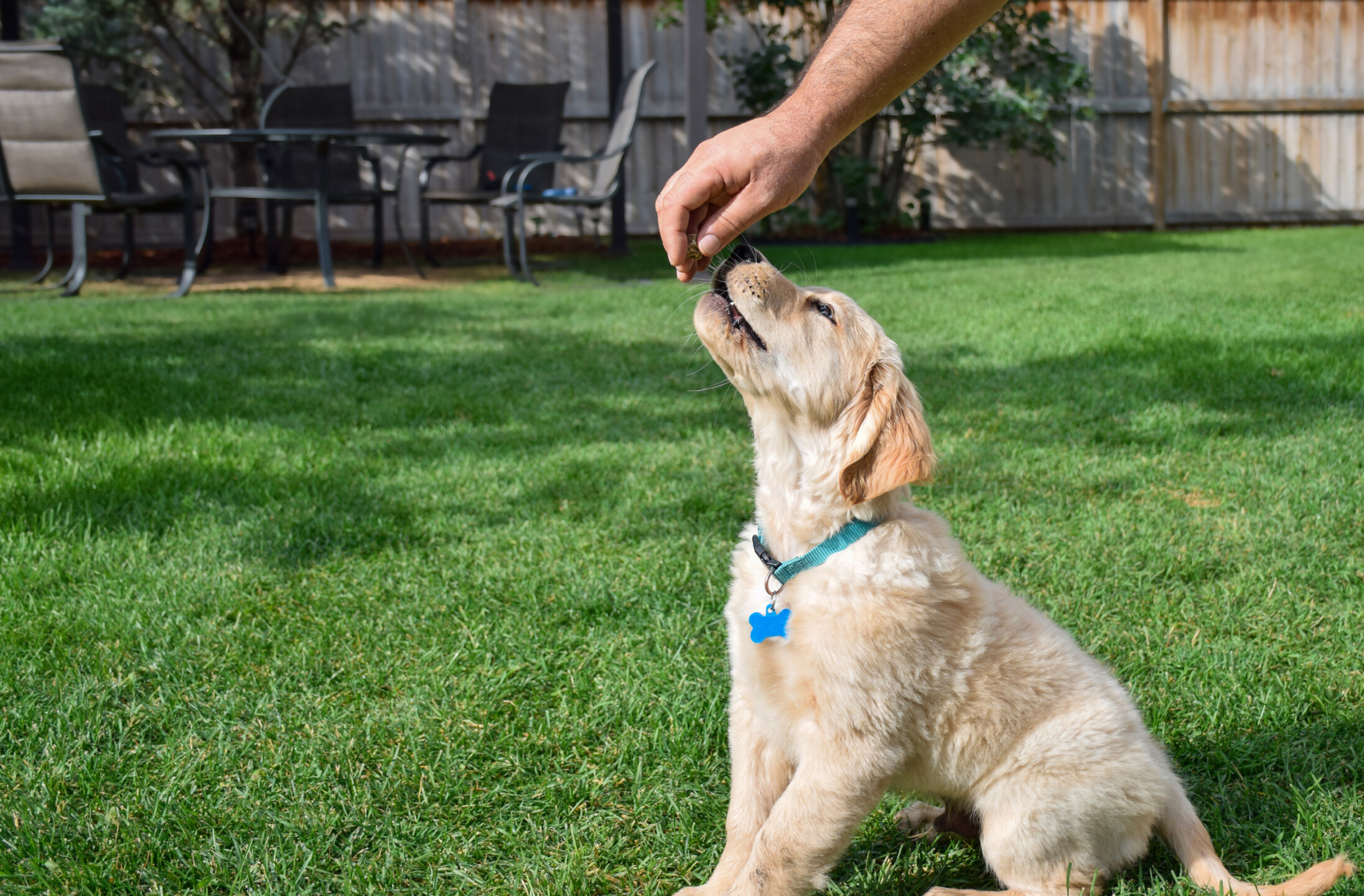
Bringing a new puppy home is like welcoming a furry tornado of love and mischief into your life. Those puppy-dog eyes and playful nips are undeniably adorable, but let's be honest, the journey of raising a well-behaved dog can sometimes feel overwhelming. Where do you even start?
Many new puppy parents feel lost in a sea of conflicting advice. You might find yourself struggling with potty training accidents, nipping, excessive barking, or simply not knowing how to effectively communicate with your new companion. The pressure to "do it right" can be intense, and the fear of accidentally creating bad habits can be paralyzing.
This guide is designed to help you navigate the exciting world of puppy training by setting realistic goals and celebrating every milestone along the way. We'll break down the training process into manageable steps, offering practical tips and insights to help you build a strong, loving bond with your furry friend. We'll cover key milestones, positive reinforcement techniques, and common challenges you might encounter, empowering you to confidently guide your puppy towards becoming a well-adjusted and happy member of your family.
Ultimately, the journey of raising a puppy is a marathon, not a sprint. By focusing on clear communication, positive reinforcement, and consistent training, you can set achievable goals and celebrate every milestone along the way. We'll cover topics such as crate training, socialization, basic obedience, and addressing common behavioral issues. Remember to embrace the learning process, enjoy the puppy cuddles, and celebrate every small victory. With patience and dedication, you'll be amazed at how quickly your furry friend grows and learns!
Crate Training as a Puppy Goal
Crate training is a cornerstone of puppy development, and it's a goal that's well worth pursuing from the very beginning. I remember when we first brought Luna home, our little golden retriever. The crate looked like a miniature jail cell to her, and the first few nights were filled with whimpers and protests. We felt terrible, like we were abandoning her. But we knew that with consistent positive reinforcement, it would eventually become her safe haven. We started by feeding her meals in the crate, tossing treats inside, and making it a cozy space with a soft blanket and her favorite toys. Slowly, she started associating the crate with positive experiences. It took patience and persistence, but eventually, she started going into her crate on her own, seeking comfort and security.
Crate training isn't just about housebreaking; it's about providing your puppy with a den-like space where they can feel safe and secure. Think of it as their own little bedroom. It can also be invaluable for travel, vet visits, and preventing destructive behavior when you can't supervise them directly. The key is to introduce the crate gradually and make it a positive experience. Never use the crate as punishment, as this will create a negative association. Instead, reward your puppy for entering the crate, gradually increasing the amount of time they spend inside. This creates a safe space for your puppy. A puppy feels comfortable with security.
Another essential element is proper sizing of the crate; this needs to be addressed so that your puppy can stand up, turn around, and lie down comfortably. Choosing the proper bedding should also be taken into account because your puppy will spend much time in the crate. It is also essential to monitor your puppy and notice behavioral change. If the crate is too big, your puppy might use one area as a bathroom, defeating the purpose of house training. With consistent and positive reinforcement, your puppy will learn to love their crate and view it as a safe and comfortable retreat.
The Importance of Socialization
Socialization is arguably one of the most critical goals you can set for your puppy. It's the process of exposing your puppy to a wide variety of people, places, sounds, and experiences during their critical socialization period, which typically lasts until around 16 weeks of age. This exposure helps them develop into well-adjusted, confident adults who are less likely to be fearful or aggressive. Think of it as building a strong foundation for their future behavior.
Proper socialization isn't just about letting your puppy interact with other dogs. It's about carefully and positively exposing them to a diverse range of stimuli, including children, adults of different races and appearances, loud noises (like traffic or fireworks), different surfaces (like grass, concrete, and carpet), and various environments (like parks, stores, and car rides). The key is to ensure that all these experiences are positive and controlled. Avoid overwhelming your puppy or forcing them into situations where they feel scared or threatened. Start small, and gradually introduce them to new things at their own pace.
Positive reinforcement is crucial during socialization. Reward your puppy with treats, praise, and affection when they exhibit calm and confident behavior in new situations. If they seem fearful or anxious, remove them from the situation and try again later at a slower pace. Remember, the goal is to create positive associations with new experiences. A well-socialized puppy is much more likely to be a happy, confident, and well-behaved adult dog who can confidently navigate the world around them.
Myths About Potty Training
Potty training is often the first major hurdle for new puppy owners, and it's surrounded by numerous myths that can make the process even more frustrating. One common myth is that you can simply "rub your puppy's nose" in their accident to teach them not to do it again. This is not only ineffective but also incredibly cruel and can damage your relationship with your puppy. Punishment-based methods can create fear and anxiety, leading to even more accidents. The historical context of this myth is rooted in outdated training techniques that have since been debunked by modern science and animal behavior research. It's important to rely on positive reinforcement methods that are both effective and humane.
Another myth is that puppies can "hold it" for an extended period. A general rule of thumb is that puppies can typically hold their bladder for one hour for every month of their age, up to a maximum of about eight hours. Expecting a very young puppy to hold it for longer than that is unrealistic and sets them up for failure. Frequent potty breaks are essential, especially after waking up, after meals, and after playtime. Additionally, many believe that accidents are a sign of spite or disobedience. In reality, puppies have limited bladder control and are still learning to recognize their body's signals. Accidents are a normal part of the learning process, and it's important to respond with patience and understanding.
Ultimately, successful potty training requires consistency, patience, and positive reinforcement. Establish a regular potty schedule, take your puppy outside frequently, and reward them immediately when they eliminate in the correct spot. Clean up accidents thoroughly with an enzymatic cleaner to eliminate odors that might attract them back to the same spot. Avoid punishment and focus on creating a positive association with going potty outside.
Unlocking the Secrets of Bite Inhibition
Bite inhibition refers to a puppy's ability to control the force of their bite. It's a crucial skill that puppies learn during their interactions with their littermates and mother. When puppies play together, they often mouth and nip at each other. If a puppy bites too hard, the other puppy will yelp and stop playing. This teaches the puppy that biting too hard leads to the end of playtime. It's a natural and essential part of their development. The secret lies in replicating this learning process in your home.
If your puppy nips or bites too hard during play, immediately say "Ouch!" in a high-pitched voice and stop playing. This mimics the yelp of another puppy and signals to them that they've bitten too hard. You can also briefly turn away or leave the room for a few seconds. This teaches them that biting too hard leads to the end of attention and playtime. Consistency is key. Every time your puppy bites too hard, you need to react in the same way. This helps them understand the connection between their biting and the consequences.
It's important to remember that puppies explore the world with their mouths. Nipping and mouthing are normal behaviors. The goal isn't to eliminate biting entirely but to teach your puppy to control the force of their bite. As they mature, they should learn to inhibit their bite to the point where they can gently mouth without causing pain. This is essential for their safety and the safety of others.
Recommendations for Leash Training
Leash training is a fundamental aspect of puppy training, and it sets the stage for enjoyable walks and safe outings. The key is to introduce the leash and collar gradually and make it a positive experience. Start by simply letting your puppy wear the collar for short periods inside the house, rewarding them with treats and praise. Once they're comfortable with the collar, attach the leash and let them drag it around for a few minutes at a time. This helps them get used to the feeling of the leash without any pressure or restriction.
When you're ready to start walking with the leash, choose a quiet, familiar area where your puppy feels comfortable. Use positive reinforcement to encourage them to walk alongside you. Reward them with treats and praise when they're walking nicely on a loose leash. If they start to pull, stop walking and wait for them to relax before continuing. Avoid jerking or pulling on the leash, as this can create a negative association and make them even more resistant to walking. The goal is to teach them that walking on a loose leash is rewarding and enjoyable.
Another helpful tip is to use a front-clip harness, which can help to discourage pulling by gently redirecting your puppy's attention back to you. Remember to keep your walks short and positive, especially in the beginning. Gradually increase the distance and duration of your walks as your puppy becomes more comfortable and confident. Leash training is an ongoing process, but with patience and consistency, you can teach your puppy to walk politely on a leash and enjoy all the adventures that await.
Dealing with Separation Anxiety
Separation anxiety is a common concern for puppy owners, and it can manifest in various ways, such as excessive barking, destructive behavior, and house soiling when left alone. It stems from the puppy's distress at being separated from their owner, who they view as their source of comfort and security. Addressing separation anxiety requires a multi-faceted approach that focuses on building your puppy's confidence and independence.
One effective strategy is to gradually desensitize your puppy to being alone. Start by leaving them alone for very short periods, such as a few seconds, and gradually increase the duration over time. Provide them with a safe and comfortable space, such as their crate, and leave them with a chew toy or puzzle to keep them occupied. Avoid making a big fuss when you leave or return, as this can exacerbate their anxiety. The goal is to make being alone a normal and uneventful experience.
Another important step is to ensure that your puppy is getting plenty of exercise and mental stimulation throughout the day. A tired puppy is less likely to be anxious and destructive. Provide them with plenty of opportunities to play, explore, and interact with you. You can also try using calming aids, such as pheromone diffusers or calming chews, to help reduce their anxiety. If your puppy's separation anxiety is severe, consider consulting with a veterinarian or certified dog trainer for professional guidance.
Tips for Positive Reinforcement
Positive reinforcement is a cornerstone of effective puppy training, and it involves rewarding your puppy for desired behaviors to encourage them to repeat those behaviors in the future. The key is to focus on what you want your puppy to do, rather than what you don't want them to do. When your puppy performs a desired behavior, such as sitting, staying, or coming when called, immediately reward them with a treat, praise, or a toy. The reward should be something that your puppy finds highly motivating and enjoyable.
Timing is crucial when using positive reinforcement. The reward should be delivered immediately after the desired behavior occurs. This helps your puppy make a clear connection between their action and the reward. You can also use a clicker to mark the exact moment that your puppy performs the desired behavior. The clicker sound becomes associated with the reward and helps to reinforce the connection. Consistency is also key. Every time your puppy performs the desired behavior, you should reward them consistently.
It's important to remember that positive reinforcement isn't just about giving treats. It's about building a positive relationship with your puppy and creating a learning environment where they feel safe, confident, and motivated to learn. Avoid using punishment or negative reinforcement, as this can create fear and anxiety, and damage your relationship with your puppy.
The Importance of Consistency
Consistency is the glue that holds your puppy training efforts together. Without consistency, your puppy will become confused and unsure of what you expect from them. This can lead to frustration for both you and your puppy. Consistency means applying the same rules, commands, and training techniques every time. For example, if you don't want your puppy to beg at the table, you need to consistently enforce that rule. Don't give in sometimes and allow them to beg, as this will only reinforce the behavior.
Consistency also means that everyone in your household needs to be on the same page. If one person allows the puppy to jump on them, while another person scolds them for jumping, the puppy will become confused. Discuss your training goals and strategies with all members of your family and ensure that everyone is following the same rules. This will create a consistent and predictable learning environment for your puppy.
Additionally, be consistent with your commands. Use the same words and gestures for each command, and avoid using different words for the same action. This will help your puppy learn to associate specific words with specific behaviors. Consistency is an ongoing commitment, but it's well worth the effort. A consistent training approach will help your puppy learn more quickly and effectively, and it will strengthen your bond.
Fun Facts About Puppy Development
Did you know that puppies are born blind and deaf? Their eyes and ears don't fully open until they're about two weeks old. This makes their early socialization period even more critical, as they're relying on their sense of smell and touch to navigate the world. Another fun fact is that puppies sleep a lot – typically around 18-20 hours a day! This is because their bodies and brains are rapidly developing, and they need plenty of rest to support this growth.
Puppies also have a unique set of teeth called "milk teeth" or "deciduous teeth," which they start to lose around four months of age. As their adult teeth erupt, they may experience some discomfort, which can lead to increased chewing. Providing them with appropriate chew toys can help to alleviate this discomfort and prevent them from chewing on your furniture. It's fascinating how quickly puppies learn and adapt to their environment. Their brains are like sponges, absorbing information and forming connections at an incredible rate.
Another interesting fact is that puppies have a sensitive period for learning languages. The average dog can learn around 165 words, but there have been cases of dogs learning up to 250 words! This highlights the importance of consistent communication and training. Ultimately, understanding these fun facts about puppy development can help you to better appreciate the incredible journey that your furry friend is on and provide them with the support and guidance they need to thrive.
How to Handle Nipping and Biting
Nipping and biting are normal puppy behaviors, especially during play. However, it's important to teach your puppy to control the force of their bite and to redirect their attention to appropriate chew toys. As mentioned earlier, bite inhibition is a crucial skill that puppies learn during their interactions with their littermates. You can replicate this learning process by immediately saying "Ouch!" in a high-pitched voice when your puppy nips or bites too hard.
If your puppy continues to nip or bite, briefly turn away or leave the room for a few seconds. This teaches them that biting too hard leads to the end of attention and playtime. It's also important to provide your puppy with plenty of appropriate chew toys. This gives them a safe and acceptable outlet for their chewing and biting instincts. Rotate the toys regularly to keep them interesting and engaging.
Avoid using your hands or fingers as toys, as this can encourage your puppy to bite and nip. If your puppy gets overly excited during play, take a break and redirect their attention to a calming activity, such as a chew toy or a puzzle. Remember, the goal isn't to eliminate biting entirely but to teach your puppy to control the force of their bite and to redirect their attention to appropriate objects.
What if Potty Training Fails?
Potty training can be one of the most frustrating aspects of puppy ownership. Despite your best efforts, accidents can still happen. It's important not to get discouraged and to remember that accidents are a normal part of the learning process. The first step is to rule out any underlying medical issues. If your puppy is experiencing frequent accidents, consult with your veterinarian to ensure that there isn't a medical reason for their incontinence.
If there are no medical issues, re-evaluate your potty training routine. Are you taking your puppy out frequently enough? Are you rewarding them immediately when they eliminate in the correct spot? Are you cleaning up accidents thoroughly with an enzymatic cleaner? Consistency and patience are key. Go back to basics and reinforce the principles of potty training. If you're still struggling, consider seeking guidance from a certified dog trainer or behaviorist.
They can help you identify any underlying issues and develop a customized training plan to address your puppy's specific needs. Remember, every puppy learns at their own pace. Don't compare your puppy to others and don't give up. With patience, consistency, and the right support, you can overcome potty training challenges and help your puppy learn to eliminate in the correct spot.
Listicle: 5 Essential Puppy Training Tools
Every puppy owner needs a well-equipped toolbox to navigate the challenges of training. Here are five essential tools that can help you set your puppy up for success:
1.Crate: A safe and comfortable den for your puppy to relax and sleep. Choose a crate that is appropriately sized and introduce it gradually.
2.Leash and Collar/Harness: Essential for walks and outings. Start with a lightweight leash and a comfortable collar or harness.
3.Treats: High-value treats are a powerful tool for positive reinforcement. Experiment with different treats to find out what motivates your puppy the most.
4.Chew Toys: Help to satisfy your puppy's chewing instincts and prevent them from chewing on your belongings. Choose a variety of chew toys with different textures and shapes.
5.Enzymatic Cleaner: Essential for cleaning up accidents and eliminating odors that might attract your puppy back to the same spot.
These five items will give you a solid foundation for setting puppy goals, for example, getting your puppy in a crate with treats. Leash and collar will allow you to take your puppy outside, which will allow you to potty train him. Be sure that your toolbox includes everything you need!
Question and Answer
Here are some frequently asked questions about setting puppy training goals:
Q: How early should I start training my puppy?
A: You can start training your puppy as soon as you bring them home, even as early as 8 weeks old. Focus on basic commands like sit, stay, and come, as well as crate training and potty training.
Q: How long should puppy training sessions last?
A: Puppy training sessions should be short and fun, typically lasting no more than 5-10 minutes at a time. Puppies have short attention spans, so it's better to have multiple short sessions throughout the day than one long session.
Q: What if my puppy is easily distracted during training?
A: Choose a quiet environment with minimal distractions. Use high-value treats to keep your puppy motivated. If your puppy is still easily distracted, try training in a different location or at a different time of day.
Q: How do I deal with puppy nipping and biting?
A: As mentioned earlier, bite inhibition is crucial. Immediately say "Ouch!" in a high-pitched voice when your puppy nips or bites too hard. If your puppy continues to nip or bite, briefly turn away or leave the room for a few seconds. Provide your puppy with plenty of appropriate chew toys.
Conclusion of Setting Puppy Goals: Training Milestones
Raising a puppy is an exciting and rewarding journey filled with challenges and triumphs. By setting realistic goals, embracing positive reinforcement, and staying consistent with your training efforts, you can help your puppy develop into a well-adjusted and happy companion. Remember to celebrate every milestone along the way, from mastering potty training to walking politely on a leash. With patience, dedication, and a whole lot of love, you and your puppy can build a strong and lasting bond that will enrich your lives for years to come.
0 Response to "Setting Puppy Goals: Training Milestones"
Post a Comment