Puppy Holiday Safety Tips
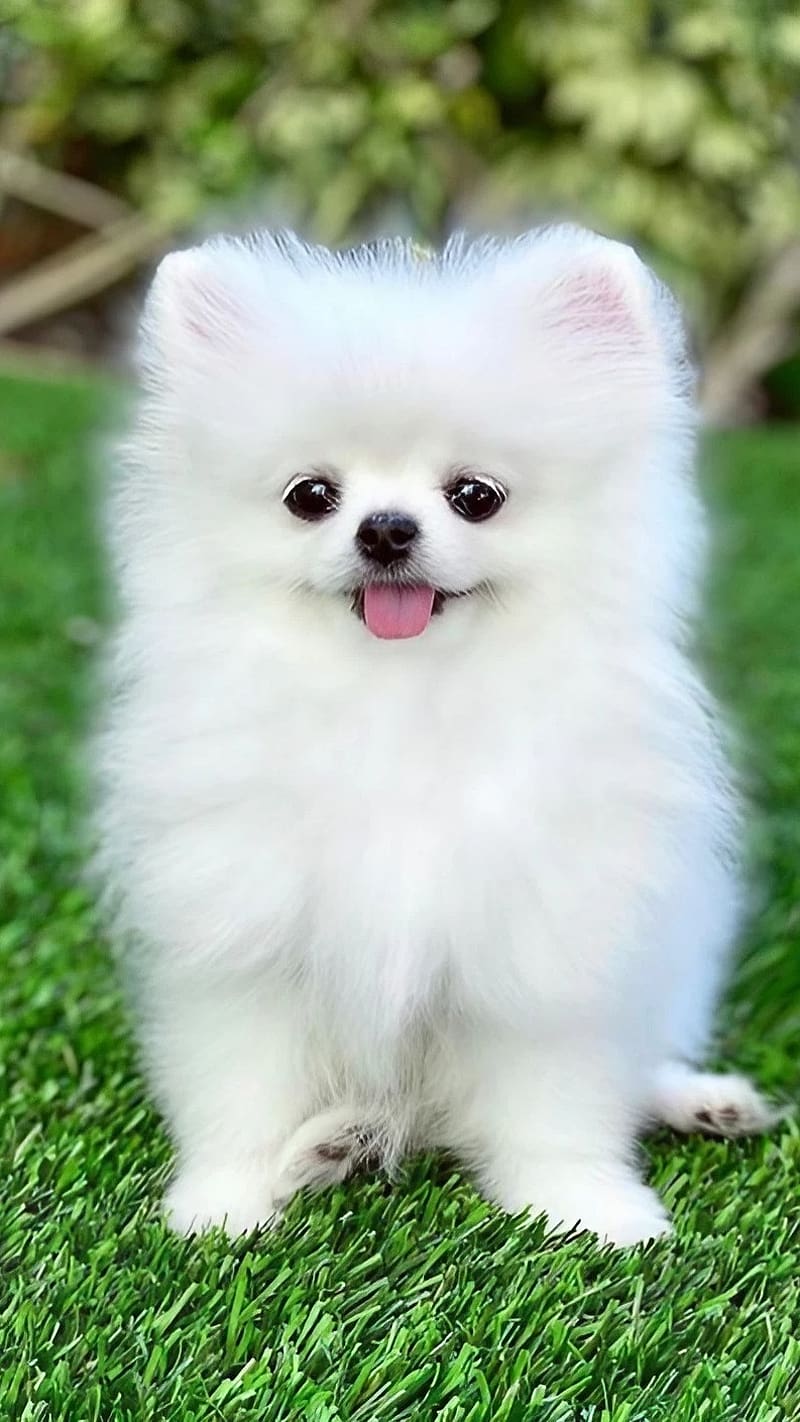
The holidays are a magical time filled with joy, family, and, if you're lucky, a brand new puppy! But amidst the tinsel and treats, it's easy to forget that this festive season can also be fraught with hidden dangers for your furry little friend. Imagine a world of sparkling lights, tempting decorations, and delicious-smelling food, all within reach of a curious, playful pup. It's a recipe for potential disaster if you're not careful!
Bringing a puppy home during the holidays can be overwhelming. Between managing family gatherings, decorating, and preparing feasts, it's tough to remember that your tiny ball of fluff sees the world as one giant chew toy. Many pet parents discover the hard way that holiday decorations, rich foods, and even well-meaning guests can pose unexpected threats to their puppy's well-being.
This guide is for anyone who's recently welcomed a puppy into their home, especially during the holiday season. Whether you're a first-time puppy parent or a seasoned pro, you'll find valuable information and practical tips to keep your furry companion safe and happy throughout the holidays. We want to help you navigate the festive season with your new puppy, ensuring a joyful and stress-free experience for both of you.
This article delves into the essential aspects of puppy-proofing your home during the holidays, from securing decorations and managing holiday foods to educating guests and recognizing potential hazards. We'll cover common holiday dangers for puppies, like toxic plants, electrical cords, and unattended sweets, offering practical advice on how to avoid these pitfalls. By following these tips, you can create a safe and enjoyable holiday environment for your new puppy, allowing you to focus on making lasting memories together. Key topics include decoration safety, food safety, guest management, and recognizing signs of illness or distress in your puppy.
Decoration Dangers
The goal of Decoration Dangers is to outline and solve dangerous decorations in your surroundings. I remember when we got our first puppy, a little Golden Retriever named Buddy. It was Christmas time, and we were so excited to have him join our family. We had a beautifully decorated tree, complete with twinkling lights, shiny ornaments, and tinsel galore. Of course, Buddy, being a curious puppy, was immediately drawn to it. One afternoon, I walked into the living room to find Buddy happily chewing on a string of lights. Thankfully, they weren't plugged in! It was a wake-up call. We quickly realized that our festive decorations were potential hazards for our new pup. We had to completely re-think our decorating strategy, moving the tree to a corner, securing the lights, and removing any ornaments within Buddy's reach. It was a lot of work, but it was worth it to keep him safe. Decoration Dangers are real, and it's crucial to be aware of them. Common culprits include tinsel, which can cause intestinal blockage if ingested; glass ornaments, which can shatter and cause cuts; and electrical cords, which can lead to electrocution if chewed. Even seemingly harmless decorations like poinsettias and holly can be toxic to puppies. To prevent accidents, keep decorations out of your puppy's reach, use pet-safe alternatives, and supervise your puppy closely. Consider using a pet gate to restrict access to areas with decorations. Regular cleaning can also help prevent your puppy from ingesting fallen debris. By taking these precautions, you can create a festive and safe environment for your furry friend.
Toxic Holiday Foods
Toxic Holiday Foods refers to holiday meals that may contain ingredients that are toxic to your puppy. Many holiday favorites are dangerous for dogs. Chocolate, especially dark chocolate, contains theobromine, which is toxic to dogs. Symptoms of chocolate poisoning can include vomiting, diarrhea, hyperactivity, and even seizures. Grapes and raisins are also toxic and can cause kidney failure. Onions and garlic, common ingredients in many holiday dishes, can damage a dog's red blood cells, leading to anemia. Even seemingly harmless foods like cooked bones can be dangerous, as they can splinter and cause choking or internal injuries. It’s important to keep all holiday foods out of your puppy's reach. This includes keeping countertops clear, securing trash cans, and educating guests about which foods are off-limits. Provide your puppy with their own special holiday treats to prevent them from feeling left out. A few safe options include plain cooked chicken, sweet potatoes, or dog-specific holiday treats. If you suspect your puppy has ingested a toxic food, contact your veterinarian or the ASPCA Animal Poison Control Center immediately.
Guest Management 101
Guest Management 101 discusses how to manage the guests you have in your home. Holidays often mean an influx of guests, which can be overwhelming for a young puppy. While most guests mean well, they may not be aware of puppy safety guidelines. Some guests might unknowingly offer your puppy unsafe foods, leave doors open, or accidentally step on their paws. To ensure your puppy's safety, it's important to educate your guests about your puppy's needs and boundaries. Before guests arrive, inform them about which foods are off-limits for your puppy. Provide clear instructions about closing doors and gates to prevent escapes. Designate a safe space for your puppy where they can retreat if they feel overwhelmed. This could be a crate, a bed in a quiet room, or a designated play area. Supervise interactions between your puppy and guests, especially children, to ensure that everyone is behaving appropriately. Consider putting your puppy on a leash during busy gatherings to keep them close and prevent them from getting into trouble. By taking these precautions, you can help your puppy navigate the holiday season with minimal stress and keep them safe from potential hazards.
The Hidden Secret of Stress-Free Holidays
The Hidden Secret of Stress-Free Holidays discusses ways to make the holidays less stressful. The holidays can be a stressful time for both humans and puppies. The combination of new people, loud noises, and disrupted routines can trigger anxiety and fear in your furry friend. Recognizing the signs of stress in your puppy is crucial for ensuring their well-being. Common signs include excessive panting, yawning, lip-licking, tucked tail, and hiding. If you notice your puppy displaying these behaviors, it's important to take steps to reduce their stress. Provide them with a safe and quiet space where they can retreat. Use calming aids such as pheromone diffusers or calming treats. Maintain a consistent routine as much as possible, including regular feeding and potty breaks. Avoid forcing your puppy to interact with people or participate in activities they are uncomfortable with. Encourage guests to approach your puppy calmly and gently, and to avoid making sudden movements or loud noises. If your puppy's anxiety is severe, consult with your veterinarian about potential medication or behavioral interventions. By taking proactive steps to manage your puppy's stress, you can help them navigate the holidays with greater ease and comfort.
Recommendations of Puppy-Proofing Your Home
Recommendations of Puppy-Proofing Your Home refers to a home inspection to check for ways to properly proof your home. Puppy-proofing your home is essential for creating a safe and enjoyable environment for your new furry friend. This involves identifying potential hazards and taking steps to eliminate or minimize them. Start by conducting a thorough inspection of your home, paying attention to areas where your puppy will spend the most time. Secure electrical cords and outlets to prevent chewing. Remove any small objects that could be swallowed, such as coins, buttons, and batteries. Store cleaning supplies, medications, and other chemicals out of your puppy's reach. Cover or remove houseplants that are toxic to dogs. Install baby gates to restrict access to unsafe areas, such as stairs or the kitchen. Provide your puppy with plenty of safe and appropriate chew toys to satisfy their natural urge to chew. Regularly inspect your home for new hazards as your puppy grows and becomes more curious. By taking these precautions, you can create a puppy-safe haven that allows your furry friend to explore and play without the risk of injury or illness.
Understanding Puppy Behavior
Understanding Puppy Behavior helps to recognize what your puppy does and why. Puppies are naturally curious and playful, but their behavior can sometimes be challenging, especially during the holidays. Understanding the reasons behind your puppy's actions can help you respond appropriately and prevent unwanted behaviors. Puppies explore the world through their mouths, so chewing is a normal and necessary behavior. Provide them with plenty of chew toys and redirect them when they start chewing on inappropriate items. Puppies also have a strong need to eliminate frequently, so regular potty breaks are essential. Establish a consistent potty routine and reward your puppy when they eliminate outside. Puppies learn through positive reinforcement, so use treats, praise, and toys to reward good behavior. Avoid using punishment, as this can create fear and anxiety. Socialization is also crucial for puppies, so expose them to a variety of people, places, and sounds in a safe and controlled manner. By understanding your puppy's behavior and responding with patience and consistency, you can build a strong bond and help them develop into a well-adjusted adult dog.
Holiday Travel with Your Puppy
Holiday Travel with Your Puppy discusses traveling with your puppy to a place during the holidays. If you're planning to travel with your puppy during the holidays, there are several things to keep in mind to ensure a safe and comfortable journey. First, make sure your puppy is healthy enough to travel. Consult with your veterinarian to get a health certificate and any necessary vaccinations. If you're flying, check with the airline about their pet policies and requirements. Some airlines have restrictions on the size and breed of dogs they allow to travel in the cabin. Consider purchasing a travel crate that is comfortable and well-ventilated. Introduce your puppy to the crate gradually and make it a positive experience. Pack a travel bag with essentials such as food, water, bowls, leash, collar, poop bags, and any necessary medications. During the journey, provide your puppy with regular potty breaks and opportunities to stretch their legs. If you're driving, never leave your puppy unattended in the car, especially in hot weather. Make sure your puppy has access to fresh water and is protected from the sun. By planning ahead and taking these precautions, you can make holiday travel with your puppy a safe and enjoyable experience for both of you.
Recognizing Signs of Puppy Illness
Recognizing Signs of Puppy Illness is the ability to notice if a dog is exhibiting symptoms of illness. Puppies are particularly vulnerable to illness, so it's important to be vigilant and recognize the signs of a problem. Common signs of puppy illness include lethargy, loss of appetite, vomiting, diarrhea, coughing, sneezing, and difficulty breathing. If you notice any of these symptoms, contact your veterinarian immediately. Puppies can dehydrate quickly, so vomiting and diarrhea can be especially dangerous. Other signs of illness include changes in urination or defecation, such as straining, blood in the urine or stool, or increased frequency. Skin problems, such as itching, redness, or hair loss, can also be a sign of illness. If your puppy is acting differently than usual, trust your instincts and seek veterinary care. Early detection and treatment can significantly improve the outcome for many puppy illnesses.
Fun Facts about Puppies and the Holidays
Fun Facts about Puppies and the Holidays includes information about what to do with your puppy. Did you know that puppies can smell up to 100,000 times better than humans? This is why they're so good at finding hidden treats! Puppies also have a higher heart rate than adult dogs, typically ranging from 120 to 160 beats per minute. The holiday season can be especially stimulating for puppies, with all the new sights, sounds, and smells. Puppies are also more prone to anxiety and stress during the holidays, so it's important to provide them with a safe and comfortable environment. Puppies need plenty of sleep, typically 18 to 20 hours per day. Make sure your puppy has a quiet place to rest where they won't be disturbed. Puppies are also very social animals and thrive on interaction and attention. Spend plenty of time playing with your puppy and providing them with positive reinforcement. By understanding these fun facts about puppies, you can better care for your furry friend during the holiday season and beyond.
How to Create a Puppy-Friendly Holiday Environment
How to Create a Puppy-Friendly Holiday Environment helps you to create a safe and secure home. Creating a puppy-friendly holiday environment involves taking proactive steps to minimize potential hazards and maximize your puppy's comfort and safety. Start by puppy-proofing your home, removing or securing any items that could be dangerous. Use pet-safe decorations and keep toxic plants out of reach. Provide your puppy with a safe and quiet space where they can retreat if they feel overwhelmed. Maintain a consistent routine as much as possible, including regular feeding and potty breaks. Educate your guests about your puppy's needs and boundaries. Supervise interactions between your puppy and guests, especially children. Provide your puppy with plenty of chew toys and other enrichment activities to keep them entertained and prevent boredom. Consider using calming aids such as pheromone diffusers or calming treats to reduce anxiety. By creating a puppy-friendly holiday environment, you can ensure that your furry friend has a safe and enjoyable holiday season.
What If My Puppy Gets Into Trouble?
What If My Puppy Gets Into Trouble covers options for if a puppy is in trouble. Despite your best efforts, accidents can happen. If your puppy gets into trouble, it's important to remain calm and assess the situation. If your puppy has ingested something potentially toxic, contact your veterinarian or the ASPCA Animal Poison Control Center immediately. If your puppy is injured, provide first aid and transport them to the nearest veterinary emergency clinic. If your puppy has escaped, search the neighborhood and contact local shelters and animal control agencies. If your puppy has damaged something, clean up the mess and take steps to prevent it from happening again. Remember that puppies learn through trial and error, so it's important to be patient and understanding. Avoid using punishment, as this can create fear and anxiety. Instead, focus on redirecting your puppy's behavior and providing them with positive reinforcement. By staying calm and responding appropriately, you can help your puppy navigate the challenges of the holiday season and prevent minor incidents from escalating into major problems.
A Listicle of Puppy Holiday Safety Tips
A Listicle of Puppy Holiday Safety Tips gives you a quick look at tips for puppy holiday safety.
Secure decorations: Keep tinsel, ornaments, and electrical cords out of reach.
Monitor holiday foods: Prevent access to chocolate, grapes, onions, and other toxic foods.
Educate guests: Inform visitors about which foods are off-limits and how to interact with your puppy.
Provide a safe space: Designate a quiet area where your puppy can retreat if they feel overwhelmed.
Maintain a routine: Stick to regular feeding and potty breaks as much as possible.
Supervise interactions: Keep a close eye on your puppy when they are around guests, especially children.
Use calming aids: Consider pheromone diffusers or calming treats to reduce anxiety.
Know the signs of illness: Be vigilant for symptoms such as lethargy, vomiting, or diarrhea.
Prepare for travel: If traveling, ensure your puppy is healthy and comfortable.
Stay calm and patient: Remember that puppies learn through trial and error.
These tips can help ensure a safe and happy holiday season for both you and your puppy.
Question and Answer about Puppy Holiday Safety Tips
Here are some frequently asked questions about puppy holiday safety:
Q: What are the most common holiday dangers for puppies?
A: The most common dangers include toxic foods like chocolate and grapes, decorations like tinsel and ornaments, and electrical cords. Also, be mindful of guest interactions and potential escape routes.
Q: How can I keep my puppy from chewing on electrical cords?
A: Cover or conceal electrical cords with cord protectors. You can also use a bitter apple spray to deter chewing. Regularly check cords for damage and replace them if necessary.
Q: What should I do if my puppy eats something toxic?
A: Contact your veterinarian or the ASPCA Animal Poison Control Center immediately. Do not try to induce vomiting unless instructed to do so by a professional.
Q: How can I help my puppy cope with holiday stress?
A: Provide a safe and quiet space for your puppy to retreat to. Maintain a consistent routine as much as possible. Use calming aids such as pheromone diffusers or calming treats. Supervise interactions with guests and avoid forcing your puppy to socialize if they are uncomfortable.
Conclusion of Puppy Holiday Safety Tips
By taking a few simple precautions, you can ensure that your new puppy has a safe, happy, and memorable first holiday season. Remember to puppy-proof your home, be mindful of holiday foods and decorations, educate your guests, and provide your puppy with plenty of love and attention. With a little planning and preparation, you can create a festive and enjoyable environment for both you and your furry friend, creating memories that will last a lifetime.
0 Response to "Puppy Holiday Safety Tips"
Post a Comment