How to Know If Your Puppy Is Getting Enough Sleep
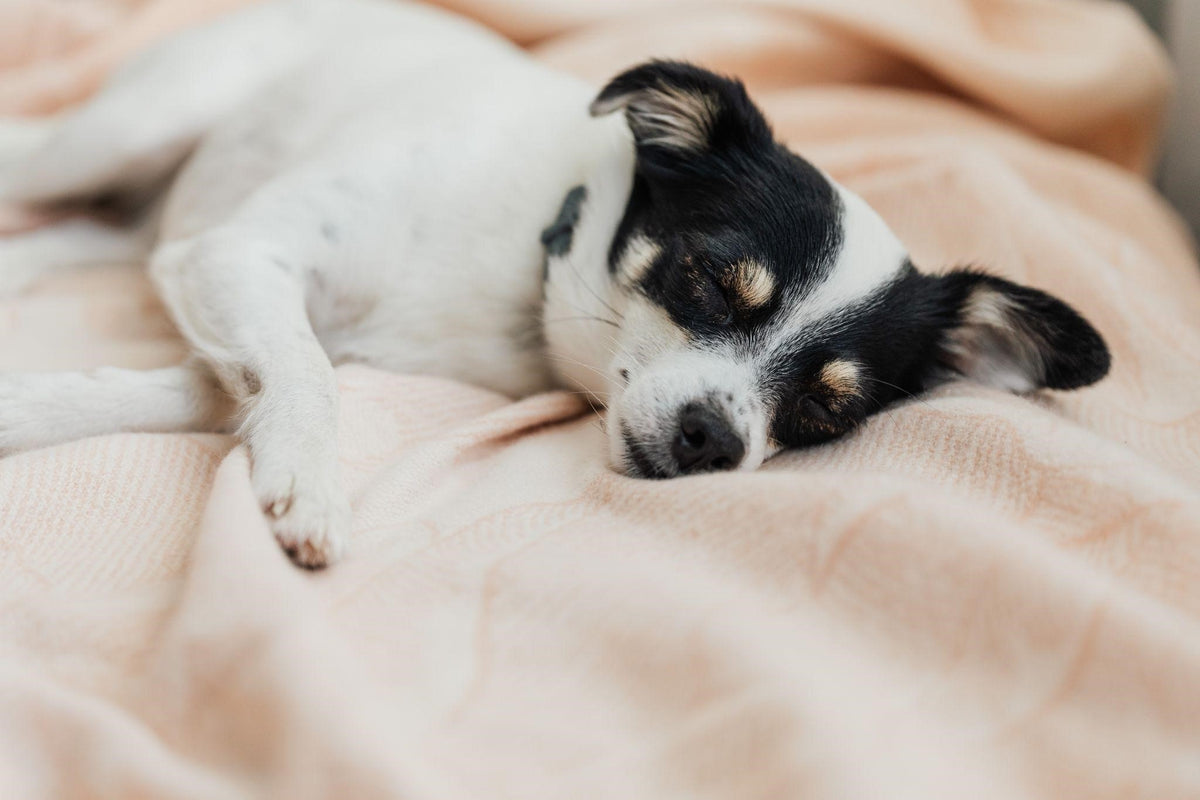
Bringing a new puppy into your life is an exciting adventure, filled with cuddles, playtime, and a whole lot of love. But amidst the joy, it's crucial to ensure your little furball is thriving, and that includes getting enough sleep. Just like human babies, puppies need plenty of rest to grow, develop, and stay healthy. But how can you tell if your puppy is actually getting the Zzz's they need?
We all know that sleepless nights are tough, and that's true for puppies, too! Owners often grapple with the uncertainty of whether their puppy's behavior – the excessive barking, the chewing frenzy, the accidents indoors – are signs of insufficient rest. It's easy to mistake over-tiredness for other issues, leaving you feeling confused and unsure how to best care for your new companion.
This guide will equip you with the knowledge to determine if your puppy is getting enough sleep. We'll explore the typical sleep requirements for puppies, signs of sleep deprivation, and practical tips for creating a sleep-conducive environment. By learning to recognize your puppy's sleep cues and needs, you can help them thrive and enjoy a happy, healthy puppyhood.
In essence, ensuring your puppy gets enough sleep is crucial for their overall well-being. Puppies need a lot more sleep than adult dogs to support their rapid growth and development. Recognizing the signs of sleep deprivation, such as increased irritability, hyperactivity, and difficulty focusing, is key. Establishing a consistent sleep schedule and creating a comfortable and quiet sleep environment can make all the difference. This knowledge empowers you to provide the best possible care for your growing pup, leading to a happier, healthier, and well-adjusted companion. We'll cover topics from understanding puppy sleep patterns to recognizing over-tiredness and establishing a solid sleep routine.
Understanding Puppy Sleep Needs
When I first brought Luna, my energetic little Beagle, home, I thought I was prepared for anything. I had the toys, the food, the training treats... but I completely underestimated the sleep factor! Luna would zoom around like a tiny tornado, then crash for an hour, only to repeat the cycle. I started to worry if she was getting enough rest, or if I was somehow disrupting her sleep. One day, I decided to properly investigate puppy sleep needs. It turned out that my initial concerns were legitimate, as I discovered that puppies have different sleep requirements compared to adult dogs, primarily due to their rapid growth and development. Puppies typically need around 18-20 hours of sleep per day. This is significantly more than adult dogs, who usually sleep for 12-14 hours. The reason for this extra sleep is to allow their bodies and brains to develop properly. During sleep, puppies' brains process new information, consolidate memories, and release growth hormones. This is essential for their physical and mental development. The amount of sleep a puppy needs can vary depending on its breed, age, and activity level. More active breeds, or puppies going through growth spurts, may need more sleep than others. It's crucial to monitor your puppy's behavior and adjust their sleep schedule accordingly. Pay attention to their cues, such as yawning, restlessness, and becoming overly nippy, as these are signs that they need to rest. Creating a calm and comfortable sleep environment is also crucial for ensuring your puppy gets enough sleep. A quiet, dark, and cozy space can help them relax and drift off to sleep more easily. Remember, a well-rested puppy is a happy and healthy puppy!
Recognizing Signs of Sleep Deprivation
Recognizing the signs of sleep deprivation in your puppy is crucial for their health and well-being. Just like humans, puppies can become irritable, hyperactive, and have difficulty focusing when they don't get enough sleep. One of the most common signs of sleep deprivation is increased irritability. A puppy who is normally playful and affectionate may become nippy, grumpy, or easily frustrated when they are tired. They may also be less tolerant of handling or interactions with other pets or people. Another sign of sleep deprivation is hyperactivity. While it may seem counterintuitive, a tired puppy can often become more hyperactive as they try to fight off sleep. They may run around excessively, bark more than usual, or have difficulty settling down. Sleep-deprived puppies can also have difficulty focusing. They may struggle to learn new commands or follow instructions, and they may be more easily distracted. This can make training more challenging and frustrating for both you and your puppy. In addition to these behavioral signs, sleep deprivation can also have physical effects on puppies. They may experience a weakened immune system, making them more susceptible to illness. They may also have slower growth and development, as sleep is essential for releasing growth hormones. If you suspect your puppy is sleep-deprived, it's important to take steps to address the issue. This may involve adjusting their sleep schedule, creating a more comfortable sleep environment, or consulting with a veterinarian to rule out any underlying health issues.
Creating a Sleep-Conducive Environment
Creating a sleep-conducive environment for your puppy is essential for ensuring they get the rest they need. A comfortable and quiet space can help them relax and drift off to sleep more easily. One of the most important aspects of creating a sleep-conducive environment is to provide a comfortable bed or crate. Your puppy's bed should be soft, supportive, and large enough for them to stretch out in. It should also be located in a quiet and draft-free area of your home. A crate can also be a great option for creating a sleep-conducive environment. Crates provide a sense of security and den-like comfort, which can help puppies feel more relaxed and secure. When introducing your puppy to a crate, it's important to do so gradually and positively. Never force them into the crate, and always reward them for spending time inside. Another important aspect of creating a sleep-conducive environment is to minimize distractions. Keep the area where your puppy sleeps dark and quiet. Avoid playing or interacting with your puppy in their sleep area, as this can make it difficult for them to relax and fall asleep. You may also want to consider using a white noise machine or calming music to help drown out any distracting sounds. Finally, establishing a consistent sleep schedule can also help create a sleep-conducive environment. Puppies thrive on routine, so try to put them to bed and wake them up at the same time each day. This will help regulate their internal clock and make it easier for them to fall asleep and stay asleep. By creating a comfortable, quiet, and consistent sleep environment, you can help your puppy get the rest they need to grow and thrive.
Establishing a Consistent Sleep Schedule
The history of understanding sleep and its importance in animals, including puppies, is a relatively recent development in science. For centuries, sleep was viewed as a passive state, a period of inactivity necessary for rest and recuperation. However, with the advent of electroencephalography (EEG) in the 20th century, scientists began to unravel the complexities of sleep and its vital role in various physiological processes. Myths surrounding puppy sleep were common, particularly the idea that puppies, like human babies, could be "trained" to sleep for longer periods through methods that might cause distress or ignore their natural sleep patterns. These myths often stem from a misunderstanding of puppy development and their need for frequent naps and nighttime potty breaks. Early research on sleep in puppies focused on observing their sleep patterns and identifying the different stages of sleep. Studies showed that puppies spend a significant portion of their sleep time in rapid eye movement (REM) sleep, which is crucial for brain development and memory consolidation. These early findings laid the foundation for understanding the importance of adequate sleep for puppies and the potential consequences of sleep deprivation. As research progressed, scientists began to investigate the effects of sleep deprivation on puppy behavior, learning, and immune function. Studies have shown that sleep-deprived puppies exhibit increased irritability, hyperactivity, and difficulty focusing, similar to humans. Furthermore, sleep deprivation can weaken their immune system, making them more susceptible to illness. Today, our understanding of puppy sleep continues to evolve, with ongoing research exploring the neural mechanisms underlying sleep and the factors that influence sleep quality and duration. This knowledge is essential for providing optimal care for puppies and ensuring they get the rest they need to thrive.
The Hidden Secret of Naps
A hidden secret to ensuring your puppy gets enough sleep is understanding the power of naps. While a long, uninterrupted night's sleep is ideal, puppies often need several naps throughout the day to recharge and avoid becoming overtired. Think of naps as mini-resets for their developing brains and bodies. When puppies get overtired, they can exhibit counterintuitive behaviors. Instead of slowing down and resting, they may become hyperactive, nippy, and difficult to manage. This is because their bodies release stress hormones like cortisol, which can make it harder for them to relax and fall asleep. Naps help prevent this build-up of stress hormones and allow puppies to regulate their energy levels throughout the day. The ideal nap schedule for a puppy varies depending on their age and breed, but a general guideline is to provide a nap every 1-2 hours while they are awake. These naps can range from 30 minutes to 2 hours, depending on the puppy's needs. Pay attention to your puppy's cues to determine when they need a nap. Signs of tiredness include yawning, becoming less responsive, and starting to bite or chew excessively. When you notice these signs, gently guide your puppy to their bed or crate and encourage them to lie down. Create a calming environment by dimming the lights and minimizing distractions. You can also offer a chew toy or blanket to help them relax. By incorporating regular naps into your puppy's daily routine, you can help them get the rest they need to thrive and avoid the negative effects of overtiredness. Remember, a well-napped puppy is a happier, healthier, and more well-behaved puppy.
Recommended Sleep Duration by Age
When it comes to puppy sleep, one size definitely does not fit all. The amount of sleep your puppy needs varies depending on their age. Younger puppies need significantly more sleep than older puppies, as they are growing and developing at a rapid pace. Newborn puppies, from birth to around 4 weeks old, typically sleep for about 90% of the day. This is because their brains are still developing, and they need sleep to consolidate new information and grow properly. As puppies get older, their sleep needs gradually decrease. By the time they are 8-12 weeks old, they may be sleeping for around 18-20 hours per day. This is still a significant amount of sleep, but it allows them more time to explore their environment and interact with their owners. Once puppies reach adolescence, around 6-12 months old, their sleep needs start to resemble those of adult dogs. They may sleep for around 12-14 hours per day, with longer periods of wakefulness in between. It's important to note that these are just general guidelines, and individual puppies may need more or less sleep depending on their breed, activity level, and overall health. Pay attention to your puppy's cues to determine how much sleep they need. If they seem tired or irritable, they may need more sleep. On the other hand, if they seem restless or have difficulty settling down, they may be getting too much sleep. Adjust their sleep schedule accordingly to ensure they are getting the optimal amount of rest. Consulting with your veterinarian can also help you determine the appropriate sleep duration for your puppy based on their individual needs and circumstances.
The Importance of Daytime Naps
Daytime naps are incredibly important for puppies, playing a vital role in their overall health and development. During the day, puppies are constantly learning and exploring their environment, which can be mentally and physically exhausting. Naps provide them with the opportunity to rest and recharge, allowing their brains to process new information and consolidate memories. Naps also help puppies regulate their energy levels throughout the day. When puppies get overtired, they can become hyperactive, nippy, and difficult to manage. Naps help prevent this build-up of stress hormones and allow them to stay calm and focused. Furthermore, naps contribute to healthy growth and development. During sleep, puppies release growth hormones, which are essential for building strong bones and muscles. Naps also help support their immune system, making them less susceptible to illness. The ideal nap schedule for a puppy varies depending on their age and breed, but a general guideline is to provide a nap every 1-2 hours while they are awake. These naps can range from 30 minutes to 2 hours, depending on the puppy's needs. Pay attention to your puppy's cues to determine when they need a nap. Signs of tiredness include yawning, becoming less responsive, and starting to bite or chew excessively. When you notice these signs, gently guide your puppy to their bed or crate and encourage them to lie down. Create a calming environment by dimming the lights and minimizing distractions. You can also offer a chew toy or blanket to help them relax. By prioritizing daytime naps, you can help your puppy get the rest they need to thrive and develop into a well-adjusted and happy companion.
Practical Tips for Promoting Puppy Sleep
Promoting healthy sleep habits in your puppy is essential for their well-being. Here are some practical tips to help your puppy get the rest they need: First, establish a consistent sleep schedule. Puppies thrive on routine, so try to put them to bed and wake them up at the same time each day. This will help regulate their internal clock and make it easier for them to fall asleep and stay asleep. Second, create a comfortable sleep environment. Make sure your puppy has a soft, supportive bed or crate in a quiet and draft-free area of your home. Minimize distractions by keeping the area dark and quiet. Third, provide plenty of exercise and mental stimulation during the day. A tired puppy is more likely to sleep soundly at night. Engage your puppy in regular playtime, walks, and training sessions. Fourth, avoid overstimulating your puppy before bedtime. Limit screen time and other stimulating activities in the hour or two before bed. Instead, opt for calming activities such as gentle petting or quiet playtime. Fifth, address any underlying medical conditions that may be affecting your puppy's sleep. If your puppy is snoring, coughing, or experiencing other sleep-related issues, consult with your veterinarian to rule out any medical problems. Sixth, consider using calming aids such as aromatherapy or calming supplements. Lavender and chamomile are known for their calming properties and can help promote relaxation and sleep. By following these practical tips, you can create a sleep-conducive environment and help your puppy develop healthy sleep habits.
Addressing Nighttime Wakings
Nighttime wakings are a common occurrence with puppies, especially during the first few weeks after bringing them home. There are several reasons why your puppy may be waking up at night, including needing to potty, feeling lonely, or being uncomfortable. To address nighttime wakings, it's important to identify the underlying cause. If your puppy needs to potty, take them outside immediately and praise them for going. Avoid playing or interacting with them during these nighttime potty breaks, as this can encourage them to wake up more frequently. If your puppy is feeling lonely, try placing their crate or bed in your bedroom. This will provide them with a sense of security and companionship. You can also offer them a soft toy or blanket to snuggle with. If your puppy is uncomfortable, make sure their bed is clean, dry, and comfortable. Adjust the temperature in the room to ensure it's not too hot or too cold. You may also want to consider using a white noise machine or calming music to help drown out any distracting sounds. In addition to addressing the underlying cause of nighttime wakings, it's also important to avoid reinforcing the behavior. If your puppy wakes up and starts crying or barking, avoid giving them attention. This can be difficult, but it's important to teach them that waking up at night will not result in getting attention or treats. Instead, wait until they are quiet before offering them any comfort or reassurance. With patience and consistency, you can help your puppy learn to sleep through the night and reduce the frequency of nighttime wakings.
Fun Facts About Puppy Sleep
Did you know that puppies dream just like humans? During REM (Rapid Eye Movement) sleep, puppies' brains are highly active, and they may twitch, whimper, or even run in their sleep. This is a sign that they are processing information and consolidating memories, just like us! Another fun fact is that puppies sleep in different positions depending on their comfort level and the temperature. If they're feeling warm, they may stretch out on their side or back to cool down. If they're feeling cold, they may curl up in a ball to conserve heat. Puppies also have different sleep preferences depending on their breed. Some breeds, like Bulldogs and Pugs, are known for snoring, while others, like Greyhounds, are known for sleeping in unusual positions. Sleepwalking in puppies is pretty rare. It is important to notice that puppies need more sleep than older dogs. The amount of time depends on the breed and the age. Understanding these fun facts can help you better appreciate your puppy's sleep habits and create a more comfortable sleep environment for them. By paying attention to their individual needs and preferences, you can ensure they get the rest they need to grow and thrive. Remember, a well-rested puppy is a happier, healthier, and more well-behaved puppy.
How Breed Affects Sleep Needs
The breed of your puppy can significantly influence their sleep needs and patterns. Certain breeds are naturally more energetic and require less sleep, while others are more laid-back and need more rest. For example, high-energy breeds like Border Collies and Australian Shepherds tend to have shorter sleep cycles and may be more easily awakened. They also require more physical and mental stimulation to tire them out and ensure they sleep soundly. On the other hand, more relaxed breeds like Bulldogs and Basset Hounds tend to sleep for longer periods and are less easily disturbed. They may also be more prone to snoring and other sleep-related issues due to their facial structure. Breed-specific health conditions can also affect sleep. For example, brachycephalic breeds (those with short noses) like Pugs and French Bulldogs are more likely to experience sleep apnea, which can disrupt their sleep. Large and giant breeds, like Great Danes and Irish Wolfhounds, are prone to joint problems, which can make it difficult for them to get comfortable and sleep soundly. In addition to breed, individual personality and temperament can also play a role in sleep patterns. Some puppies are naturally more anxious or restless and may have difficulty settling down to sleep. Others are more laid-back and content and may sleep soundly for long periods. By understanding your puppy's breed and individual personality, you can better tailor their sleep schedule and environment to meet their specific needs. This may involve providing more exercise and mental stimulation for high-energy breeds, or creating a more comfortable and supportive sleep environment for breeds prone to joint problems. Consulting with your veterinarian or a professional dog trainer can also provide valuable insights and guidance.
What If My Puppy Still Isn't Sleeping Enough?
If you've tried all the tips and tricks, but your puppy still isn't sleeping enough, it's time to consider other potential factors and seek professional help. First, rule out any underlying medical conditions. Sleep disturbances can be a symptom of various health problems, such as pain, allergies, or hormonal imbalances. Schedule a visit with your veterinarian to discuss your concerns and have your puppy examined. Second, consider environmental factors. Is your puppy's sleep environment truly quiet, dark, and comfortable? Are there any noises or distractions that could be disturbing their sleep? Try using a white noise machine or blackout curtains to create a more conducive sleep environment. Third, evaluate your puppy's diet. Certain foods or ingredients can interfere with sleep. Avoid feeding your puppy sugary or processed foods, and make sure they are getting a balanced diet that meets their nutritional needs. Fourth, consult with a certified dog trainer or behaviorist. They can help you identify any behavioral issues that may be contributing to your puppy's sleep problems, such as anxiety or separation anxiety. They can also provide you with strategies for addressing these issues and promoting better sleep habits. Finally, be patient and persistent. It may take time to identify the underlying cause of your puppy's sleep problems and find the right solution. Don't give up, and continue to work with your veterinarian and other professionals to provide your puppy with the best possible care.
Listicle of Tips for Puppy Sleep Success
Here's a quick list of tips to help your puppy achieve sleep success! 1. Establish a consistent sleep schedule: Go to bed and wake up at the same time each day.
2. Create a comfortable sleep environment: Provide a soft bed or crate in a quiet and dark area.
3. Provide plenty of exercise and mental stimulation: Tire your puppy out during the day with playtime and training.
4. Avoid overstimulation before bedtime: Limit screen time and stimulating activities in the hour or two before bed.
5. Address any underlying medical conditions: Consult with your veterinarian to rule out any health problems.
6. Consider using calming aids: Try aromatherapy or calming supplements to promote relaxation.
7. Rule out the following food: Avoid sugary and process food that will get puppy hyper.
8. Seek professional help if needed: Consult with a dog trainer or behaviorist for behavioral issues.
9. Be patient and consistent: It may take time to find the right solution, so don't give up.
10. Monitor your puppy's sleep patterns: Keep a sleep diary to track your puppy's sleep habits and identify any patterns or issues. By following these tips, you can help your puppy develop healthy sleep habits and get the rest they need to thrive.
Question and Answer Section
Q: How much sleep do puppies typically need?
A: Puppies generally need 18-20 hours of sleep per day, significantly more than adult dogs. This allows their bodies and brains to develop properly.
Q: What are the signs that my puppy isn't getting enough sleep?
A: Signs of sleep deprivation include increased irritability, hyperactivity, difficulty focusing, and a weakened immune system.
Q: How can I create a sleep-conducive environment for my puppy?
A: Provide a comfortable bed or crate in a quiet, dark, and draft-free area of your home. Minimize distractions and establish a consistent sleep schedule.
Q: What should I do if my puppy wakes up frequently during the night?
A: Identify the underlying cause, such as needing to potty or feeling lonely. Take them outside to potty if needed, and consider placing their bed in your bedroom for comfort. Avoid giving them attention when they wake up to avoid reinforcing the behavior.
Conclusion of How to Know If Your Puppy Is Getting Enough Sleep
Ensuring your puppy gets adequate sleep is a cornerstone of responsible pet ownership. By understanding their sleep needs, recognizing the signs of sleep deprivation, and creating a suitable sleep environment, you're setting the stage for a happy, healthy, and well-adjusted companion. Remember to consult with your veterinarian if you have any concerns about your puppy's sleep patterns, as underlying medical conditions can sometimes be the culprit. With patience, consistency, and a little bit of knowledge, you can help your puppy drift off to dreamland and wake up ready to conquer the world – or at least, your living room!
0 Response to "How to Know If Your Puppy Is Getting Enough Sleep"
Post a Comment