Daily Habits That Make a Big Difference in Raising a Puppy
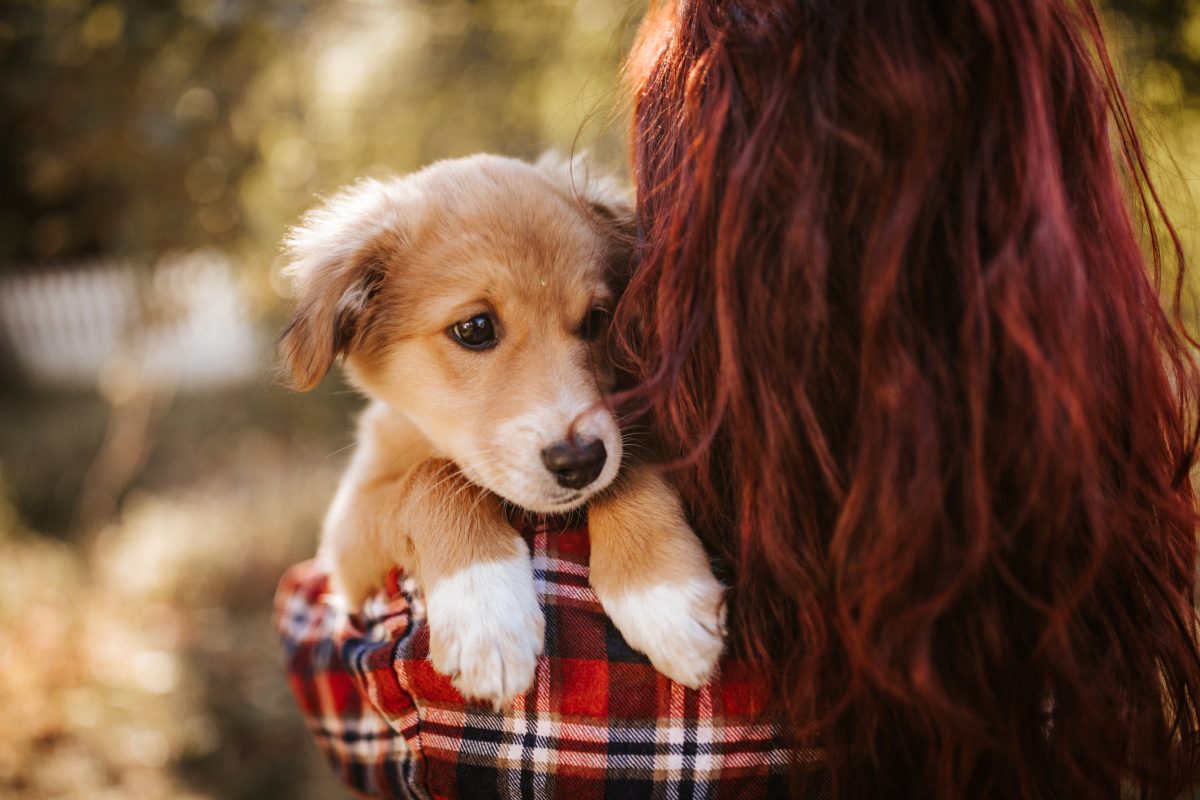
Bringing a new puppy into your life is like adding a tiny, furry tornado of love and chaos. One minute you're marveling at their adorable puppy-dog eyes, and the next you're wondering how something so small can create so much mess! It's an incredible journey, but it definitely comes with its challenges.
Suddenly, your shoes are chew toys, your sleep schedule is non-existent, and you're constantly cleaning up accidents.You envision idyllic walks in the park, but reality involves tug-of-war battles over every interesting twig and a relentless pursuit of squirrels. It can feel overwhelming, like you're constantly putting out fires instead of building a loving, well-behaved companion.
But what if I told you that a few simple, consistent actions each day could dramatically transform your puppy-raising experience? These aren't grand gestures or time-consuming training sessions. Instead, they are small, daily habits that, when practiced consistently, lay the foundation for a happy, healthy, and well-adjusted dog.
This post explores the power of daily habits in puppy raising. From establishing a consistent routine and mastering potty training to socialization and basic obedience, we'll cover the key areas where consistent effort pays off. By focusing on these daily practices, you can navigate the challenges of puppyhood with greater confidence and build a strong, loving bond with your new best friend.
Crate Training: Your Puppy's Safe Haven
Crate training is often misunderstood, viewed as a form of punishment. But when introduced properly, a crate can become your puppy's safe haven, a place of comfort and security. I remember when we first brought our golden retriever, Gus, home. He was a bundle of nervous energy, constantly underfoot and prone to getting into everything. We introduced the crate slowly, making it a positive experience with treats, toys, and soft bedding. At first, he'd only venture in for a few minutes, but gradually, he started spending more and more time inside, eventually retreating there on his own when he felt overwhelmed or tired. This gave both him and us a sense of security, knowing he had a safe space to relax and recharge.
Crate training is also invaluable for potty training. Dogs naturally avoid soiling their sleeping areas, so a properly sized crate encourages them to hold it until you can take them outside. Beyond potty training, a crate-trained puppy is more comfortable during travel, vet visits, or when staying with friends or family. It provides them with a familiar and secure environment, reducing stress and anxiety. The key is to make the crate a positive association, never using it as punishment or forcing your puppy inside. With patience and consistency, crate training can be a game-changer for both you and your puppy.
Potty Training: Consistency is Key
Potty training is arguably one of the most challenging aspects of puppyhood, but with a consistent routine, you can significantly reduce accidents and establish good habits. The core principle is to take your puppy outside frequently, especially after waking up, eating, playing, and before bedtime. Praise and reward them immediately when they eliminate outside, reinforcing the desired behavior. This positive reinforcement creates a strong association between going potty outside and receiving a treat or praise.
The history of potty training is rooted in understanding canine behavior. Dogs naturally prefer to eliminate away from their sleeping and eating areas, and this instinct is what we leverage during potty training. Early training methods often involved harsh punishments for accidents, but modern approaches emphasize positive reinforcement and consistent routines. The "myth" of the perfectly potty-trained puppy overnight is just that – a myth. It takes time, patience, and consistent effort to establish reliable potty habits.
Socialization: Exposing Your Puppy to the World
Socialization is crucial for developing a well-adjusted and confident dog. It involves exposing your puppy to a wide variety of sights, sounds, people, and experiences in a positive and controlled manner. This helps them learn to cope with novel situations and prevents fear or aggression later in life.
One hidden secret of successful socialization is to focus on quality over quantity. It's better to have a few positive experiences than many overwhelming ones. Start with small, manageable exposures and gradually increase the intensity as your puppy becomes more comfortable. For example, begin by simply sitting with your puppy in a park and observing the surroundings. Then, introduce them to friendly, well-behaved dogs one at a time. Avoid forcing your puppy into situations that make them fearful or anxious.
Basic Obedience: Building a Foundation for Communication
Basic obedience training is not just about teaching your puppy tricks; it's about establishing a clear line of communication and building a strong bond. Commands like "sit," "stay," "come," and "down" provide structure and guidance, helping your puppy understand your expectations. I highly recommend starting with positive reinforcement methods, using treats, praise, and toys to reward desired behaviors. This creates a positive learning environment and motivates your puppy to cooperate.
Leash Manners: Teaching Your Puppy to Walk Nicely
Teaching your puppy to walk nicely on a leash is essential for enjoyable walks and preventing pulling or lunging. Start by introducing the leash and collar in a positive way, allowing your puppy to wear them for short periods while rewarding them with treats and praise. Then, practice walking indoors in a controlled environment before venturing outside. Use positive reinforcement to reward your puppy for walking calmly by your side. If they start to pull, stop walking and wait for them to return to your side before continuing. Consistency is key, and with patience and practice, your puppy will learn to walk politely on a leash.
Daily Playtime: Bonding and Exercise
Playtime is an essential part of a puppy's development, providing opportunities for physical exercise, mental stimulation, and bonding. Engaging in daily playtime strengthens your relationship with your puppy and helps them burn off excess energy, reducing the likelihood of destructive behaviors. Fun facts about playtime include that different breeds have different play styles. Some breeds love to fetch, while others prefer tug-of-war or chasing games. Tailor your playtime activities to your puppy's individual preferences and energy levels.
Mental Stimulation: Keeping Your Puppy Engaged
Mental stimulation is just as important as physical exercise for a puppy's well-being. Puzzle toys, training sessions, and interactive games challenge their minds and prevent boredom. How to incorporate mental stimulation into your daily routine? Try hiding treats around the house for your puppy to find, teaching them new tricks, or using puzzle toys that require them to solve a problem to access a reward.
Grooming: More Than Just Aesthetics
Daily grooming is more than just about keeping your puppy looking clean and presentable. It's also an opportunity to bond with your puppy, check for any abnormalities, and get them used to being handled. What if you skip daily grooming? You might miss early signs of skin problems, parasites, or injuries. Regular brushing also helps to remove loose fur, preventing mats and reducing shedding.
Listicle of Essential Daily Habits
- Crate Training: Provide a safe and secure space.
- Potty Training: Establish a consistent routine.
- Socialization: Expose your puppy to new experiences.
- Basic Obedience: Teach essential commands.
- Leash Manners: Practice walking politely on a leash.
- Daily Playtime: Engage in physical and mental exercise.
- Mental Stimulation: Challenge your puppy's mind.
- Grooming: Maintain hygiene and bond with your puppy.
Question and Answer
Q: How long should I crate train my puppy each day?
A: Start with short periods and gradually increase the time as your puppy becomes more comfortable. Never force them into the crate.
Q: How often should I take my puppy outside for potty breaks?
A: As a general rule, take your puppy out every 2-3 hours, especially after waking up, eating, and playing.
Q: How can I socialize my puppy safely?
A: Expose your puppy to new sights, sounds, and people in a controlled and positive manner. Avoid overwhelming them with too much too soon.
Q: What are the best treats to use for training?
A: Use small, high-value treats that your puppy loves. Cut them into small pieces to prevent overfeeding.
Conclusion of Daily Habits That Make a Big Difference in Raising a Puppy
Raising a puppy is a journey filled with joy, challenges, and countless learning opportunities. By incorporating these simple daily habits into your routine, you can create a strong foundation for a happy, healthy, and well-behaved companion. Remember, consistency is key, and with patience and love, you'll build a bond that will last a lifetime.
0 Response to "Daily Habits That Make a Big Difference in Raising a Puppy"
Post a Comment