Puppy Sleep Schedule: How Much Sleep Do Puppies Need?
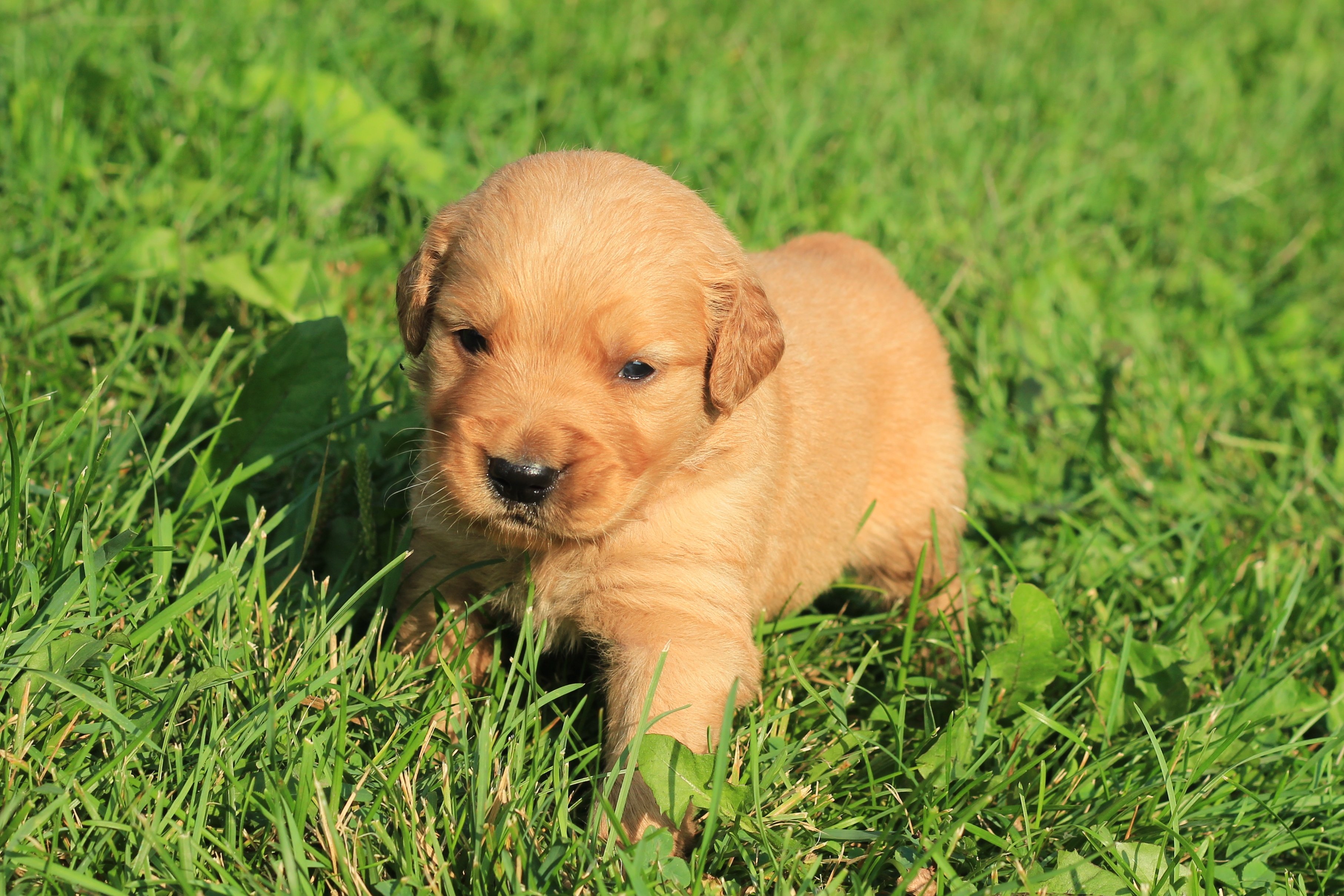
Bringing a new puppy home is a joyous occasion, filled with tiny paws, wet noses, and endless cuddles. But amidst the excitement, you might find yourself wondering – is my puppy sleeping enough? And how can I possibly get them to sleep through the night?
The early days with a puppy can be exhausting. Between potty training accidents, playful nips, and those adorable-but-demanding puppy eyes, it's easy to feel overwhelmed. One of the biggest challenges many new puppy parents face is understanding their puppy's sleep needs and figuring out how to establish a healthy sleep schedule.
So, how much sleep do puppies need? The short answer is: a lot! Puppies typically sleep between 18 to 20 hours a day. This might seem excessive, but sleep is crucial for their growth, development, and overall well-being.
This article will explore the importance of sleep for puppies, delve into what a typical puppy sleep schedule looks like, and offer practical tips to help your furry friend get the rest they need. We'll also debunk some common myths and address frequently asked questions, ensuring you're well-equipped to support your puppy's sleep health.
Understanding Your Puppy's Sleep Needs
When I brought home my first puppy, a rambunctious golden retriever named Gus, I was completely unprepared for the sheer amount of sleep he needed. I thought, "He's awake, he should be playing!" I quickly learned that a tired puppy is often a cranky puppy. Just like human babies, puppies need plenty of rest to process new information, grow, and develop properly. I remember one particularly long day where Gus seemed intent on chewing everything in sight and nipping at my heels. Only when I finally enforced a nap did he settle down and become his usual sweet self. That was my "aha" moment. It wasn't defiance; he was simply overtired.
Puppies experience rapid growth during their first few months, and this growth requires a significant amount of energy. Sleep allows their bodies to repair and rebuild tissues, strengthen their immune system, and consolidate memories. Adequate sleep also plays a vital role in their cognitive development, helping them learn and adapt to their new environment. Without enough sleep, puppies can become irritable, anxious, and even more prone to behavioral issues. Think of it like a human toddler who's missed their nap - they're not at their best! Ensuring your puppy gets enough sleep is one of the most important things you can do to support their healthy development and create a well-adjusted, happy companion.
What Does a Typical Puppy Sleep Schedule Look Like?
A puppy's sleep schedule isn't a rigid, set-in-stone thing like a human's might be. It's more like a series of short bursts of activity followed by periods of deep sleep. They'll typically sleep for several hours at a time, wake up for a burst of energy – playing, eating, pottying – and then crash again. This cycle repeats throughout the day and night.
The exact duration of sleep and wakefulness can vary depending on the puppy's breed, age, and individual personality. Younger puppies tend to sleep more, as they are growing at an incredibly fast rate. As they get older, they will gradually sleep less during the day and more at night. However, even older puppies still require significantly more sleep than adult dogs. It's important to observe your puppy's behavior and learn to recognize their sleepy cues. These cues can include yawning, becoming less responsive to stimuli, seeking out a quiet spot, or simply becoming more clumsy and uncoordinated. By paying attention to these signs, you can help your puppy settle down for a nap before they become overtired and difficult to manage.
The History and Myth of Puppy Sleep Schedules
Humans have been domesticating dogs for thousands of years, but the concept of a structured "puppy sleep schedule" is relatively new. Historically, puppies would have slept whenever they felt tired, nestled close to their mothers and littermates for warmth and security. The idea of managing a puppy's sleep schedule stems from our modern desire to integrate them seamlessly into our human lives.
One common myth is that puppies should sleep through the night from day one. This is simply unrealistic. Puppies have small bladders and need to relieve themselves frequently, especially during the night. They also may experience separation anxiety when left alone in a crate or room. It's far more likely that they'll need a potty break and some reassurance during the night, at least for the first few weeks. Another myth is that you can "tire out" a puppy so they'll sleep better. While exercise is important, overstimulation can actually have the opposite effect, making it harder for them to settle down. It's all about finding the right balance of activity and rest to ensure your puppy gets the sleep they need. Remember, patience and understanding are key when establishing a healthy sleep schedule for your new furry friend.
The Hidden Secret of a Well-Rested Puppy
The real secret to a well-rested puppy isn't about forcing them to sleep; it's about creating an environment that encourages sleep. This means providing a comfortable, safe, and quiet space where they can relax and feel secure. Think of it as building a puppy sanctuary. A crate or a designated bed in a low-traffic area can be a great option.
Consistency is also crucial. Establishing a regular bedtime routine can help signal to your puppy that it's time to wind down and prepare for sleep. This might involve a gentle playtime session, a short potty break, and a calming cuddle before putting them in their bed. Avoid exciting activities or stimulating toys right before bedtime. A predictable routine will help your puppy learn to associate certain cues with sleep, making it easier for them to settle down and drift off. Another hidden secret is understanding your puppy's individual personality. Some puppies are naturally more energetic and need more exercise, while others are more laid-back and content to nap throughout the day. Observing your puppy's behavior and adapting your approach accordingly will help you create a sleep schedule that works best for them.
Recommendations for Establishing a Good Puppy Sleep Schedule
If you're feeling lost, don't worry. Let's lay out some clear recommendations. First, create a dedicated sleep space. This could be a crate, a dog bed, or even a corner of a room. Make sure it's comfortable, quiet, and free from distractions. Add a soft blanket or toy to make it feel like a safe haven.
Next, establish a consistent bedtime routine. This could include a final potty break, a gentle play session, and some quiet cuddle time. Consistency is key to helping your puppy understand that it's time to wind down. During the day, encourage regular naps. Puppies often need to sleep after periods of activity, so don't feel like you need to keep them entertained every waking moment. If you notice your puppy becoming restless or nippy, it's likely a sign they need a nap. Finally, be patient and understanding. It takes time for puppies to adjust to their new environment and learn a sleep schedule. Don't get discouraged if there are setbacks. Consistency and positive reinforcement will eventually lead to success. Remember, a well-rested puppy is a happy puppy, and a happy puppy makes for a happy owner!
The Importance of Consistency
Think of yourself trying to adjust to a new sleep schedule in a different time zone. It takes time for your body to adapt, and the same is true for your puppy. Consistency is the cornerstone of establishing a healthy sleep routine. By consistently following the same bedtime and wake-up times, and by creating a predictable daily schedule, you're helping your puppy's internal clock regulate itself.
This consistency extends beyond bedtime. Regular mealtimes, playtime sessions, and potty breaks all contribute to a sense of predictability and security, which in turn promotes better sleep. Avoid sudden changes in your puppy's routine, as these can disrupt their sleep and lead to anxiety. Even on weekends, try to stick to the same general schedule as during the week. While it might be tempting to let your puppy sleep in, doing so can throw off their sleep-wake cycle and make it harder for them to settle down at night. Consistency requires commitment and effort, but the rewards are well worth it. A puppy with a consistent sleep schedule is more likely to be calm, well-behaved, and healthy, making for a much more enjoyable experience for both of you.
Tips for Helping Your Puppy Sleep Through the Night
Getting your puppy to sleep through the night is a common goal for many new owners. While it might not happen overnight (pun intended!), there are several strategies you can employ. First, ensure your puppy has plenty of opportunities to potty before bedtime. A late-night potty break can significantly reduce the chances of them waking up needing to go.
Second, avoid giving your puppy food or water right before bedtime. This can lead to accidents during the night. Instead, offer them their last meal and water a few hours before they go to sleep. Third, make sure their sleep space is comfortable and inviting. A soft bed, a cozy blanket, and a chew toy can help them feel secure and relaxed. Fourth, consider using a crate. Crates provide a den-like environment that can help puppies feel safe and secure. Make sure to introduce the crate gradually and positively, associating it with positive experiences like treats and toys. Finally, ignore any whining or barking during the night, unless you suspect your puppy needs to potty. Responding to their cries will only reinforce the behavior and teach them that whining gets them attention. It can be tough, but stay strong! With patience and consistency, you can help your puppy learn to sleep through the night.
Addressing Nighttime Accidents
Nighttime accidents are a common challenge for new puppy owners. It's important to remember that puppies have small bladders and limited control over their bodily functions. Frequent potty breaks are crucial, especially during the night. A good rule of thumb is to take your puppy out every 2-3 hours, especially during the first few weeks.
When you take your puppy out to potty during the night, keep the interaction brief and business-like. Avoid playing or engaging in stimulating activities, as this can wake them up and make it harder for them to settle back down. Use a consistent cue word or phrase, like "go potty," to help them understand what you want them to do. If your puppy has an accident in their crate, clean it thoroughly to remove any lingering odors. Puppies are less likely to soil their sleeping area if it smells clean. If accidents persist despite your best efforts, consult with your veterinarian to rule out any underlying medical conditions. Remember, accidents are a normal part of puppyhood, and with patience and consistency, you can help your puppy learn to control their bladder and sleep through the night.
Fun Facts About Puppy Sleep
Did you know that puppies experience a sleep cycle similar to humans, including periods of REM (rapid eye movement) sleep? This is when they're most likely to twitch, whimper, or even bark in their sleep, as they process their day's adventures. It's adorable to watch! Another fun fact is that puppies tend to sleep in curled-up positions to conserve body heat and feel secure.
They often seek out warm spots, like sunbeams or cozy blankets, to maximize their comfort. You might also notice your puppy sleeping in unusual positions, like sprawled out on their back or with their legs sticking straight out. These positions are often a sign of deep relaxation and a feeling of safety. Puppies also tend to dream more than adult dogs, likely because they're learning and processing so much new information. While we can't know for sure what they're dreaming about, it's fun to imagine them chasing squirrels, playing with their favorite toys, or snuggling with their loved ones. So, next time you watch your puppy sleeping, take a moment to appreciate the fascinating and complex world that exists within their tiny, furry head.
How to Create a Relaxing Sleep Environment for Your Puppy
Creating a relaxing sleep environment is essential for helping your puppy get the rest they need. Start by choosing a quiet and comfortable location for their bed or crate. Avoid placing it in a high-traffic area or near sources of noise, like the television or the front door.
Make sure the temperature is comfortable – not too hot and not too cold. A soft bed or blanket can help them feel cozy and secure. Consider using a calming scent, like lavender or chamomile, to promote relaxation. You can use a diffuser or a pet-safe aromatherapy spray, but be sure to introduce it gradually and observe your puppy for any signs of irritation. A white noise machine or a fan can also help to mask distracting sounds and create a more peaceful atmosphere. Dim the lights or use a nightlight to create a soothing ambiance. Finally, avoid engaging in stimulating activities right before bedtime. Instead, opt for a gentle playtime session or a calming cuddle to help your puppy wind down and prepare for sleep. By creating a relaxing sleep environment, you're setting your puppy up for a night of restful and restorative sleep.
What If My Puppy Isn't Sleeping Enough?
If you're concerned that your puppy isn't getting enough sleep, there are several things you can do. First, track their sleep patterns. Keep a log of when they sleep, how long they sleep, and any factors that might be affecting their sleep, such as noise, activity, or changes in routine.
This information can help you identify any patterns or triggers that might be contributing to their sleep problems. Second, rule out any underlying medical conditions. Schedule a visit with your veterinarian to ensure your puppy is healthy and doesn't have any medical issues that could be affecting their sleep. Third, adjust their environment and routine. Make sure their sleep space is comfortable, quiet, and free from distractions. Establish a consistent bedtime routine and avoid stimulating activities right before bedtime. Fourth, consider using calming aids. Products like calming chews, pheromone diffusers, or anxiety vests can help to reduce stress and promote relaxation. Finally, consult with a professional dog trainer or behaviorist. They can help you identify any behavioral issues that might be contributing to your puppy's sleep problems and develop a customized plan to address them. Remember, addressing sleep problems early on is crucial for your puppy's health and well-being. With patience, persistence, and the right approach, you can help your puppy get the rest they need to thrive.
A Listicle of Tips for Puppy Sleep Success
Let's boil down all that information into a handy list!
1.Create a dedicated sleep space: Crate, bed, or quiet corner – make it comfy!
2.Establish a consistent bedtime routine: Potty, play, cuddle, sleep.
3.Encourage regular naps: Don't keep them constantly entertained.
4.Avoid overstimulation before bed: Keep playtime gentle and calm.
5.Provide plenty of potty opportunities: Empty bladder = better sleep.
6.Rule out medical issues: A vet visit is always a good idea.
7.Consider calming aids: Pheromones, chews, or anxiety vests.
8.Be patient and understanding: It takes time to adjust!
9.Track their sleep patterns: Identify any triggers or patterns.
10.Consult a professional if needed: Don't hesitate to seek help.
By following these tips, you can help your puppy develop healthy sleep habits and enjoy a lifetime of restful sleep. Remember, a well-rested puppy is a happy and healthy puppy!
Question and Answer About Puppy Sleep Schedule: How Much Sleep Do Puppies Need?
Here are some frequently asked questions about puppy sleep:
Q: My puppy whines in their crate at night. What should I do?
A: First, make sure your puppy has had plenty of opportunities to potty before bedtime. If they're whining because they need to go, take them out briefly and quietly. If they're whining for attention, ignore them unless you suspect they need to potty. Responding to their cries will only reinforce the behavior. You can also try placing a blanket or toy with your scent in the crate to help them feel more secure.
Q: Is it okay to let my puppy sleep in my bed?
A: This is a personal decision. While it can be comforting for both you and your puppy, it's important to consider the potential downsides. Allowing your puppy to sleep in your bed can make it harder to establish a consistent sleep schedule and can lead to behavioral issues like resource guarding. If you do choose to let your puppy sleep in your bed, make sure to establish clear boundaries and rules.
Q: How can I tell if my puppy is getting enough sleep?
A: A well-rested puppy will be calm, playful, and responsive. They will also have fewer behavioral issues and will be less prone to accidents. If your puppy is constantly irritable, restless, or prone to accidents, it's likely they're not getting enough sleep. Track their sleep patterns and consult with your veterinarian if you're concerned.
Q: My puppy seems to have endless energy! How can I help them wind down before bed?
A: Avoid stimulating activities right before bedtime. Instead, opt for a gentle playtime session or a calming cuddle. You can also try giving them a chew toy or a puzzle toy to keep them occupied. A warm bath or a massage can also help to relax them. Create a consistent bedtime routine and dim the lights to signal that it's time to wind down.
Conclusion of Puppy Sleep Schedule: How Much Sleep Do Puppies Need?
Understanding your puppy's sleep needs is crucial for their overall health and well-being. Puppies need a lot of sleep – typically 18 to 20 hours a day – to support their rapid growth and development. By creating a comfortable sleep environment, establishing a consistent bedtime routine, and being patient and understanding, you can help your puppy develop healthy sleep habits and enjoy a lifetime of restful sleep. Remember, a well-rested puppy is a happy puppy, and a happy puppy makes for a happy owner. So, prioritize sleep, and enjoy the journey of raising your furry friend!
0 Response to "Puppy Sleep Schedule: How Much Sleep Do Puppies Need?"
Post a Comment