Puppy Play Biting: What’s Normal and What’s Not
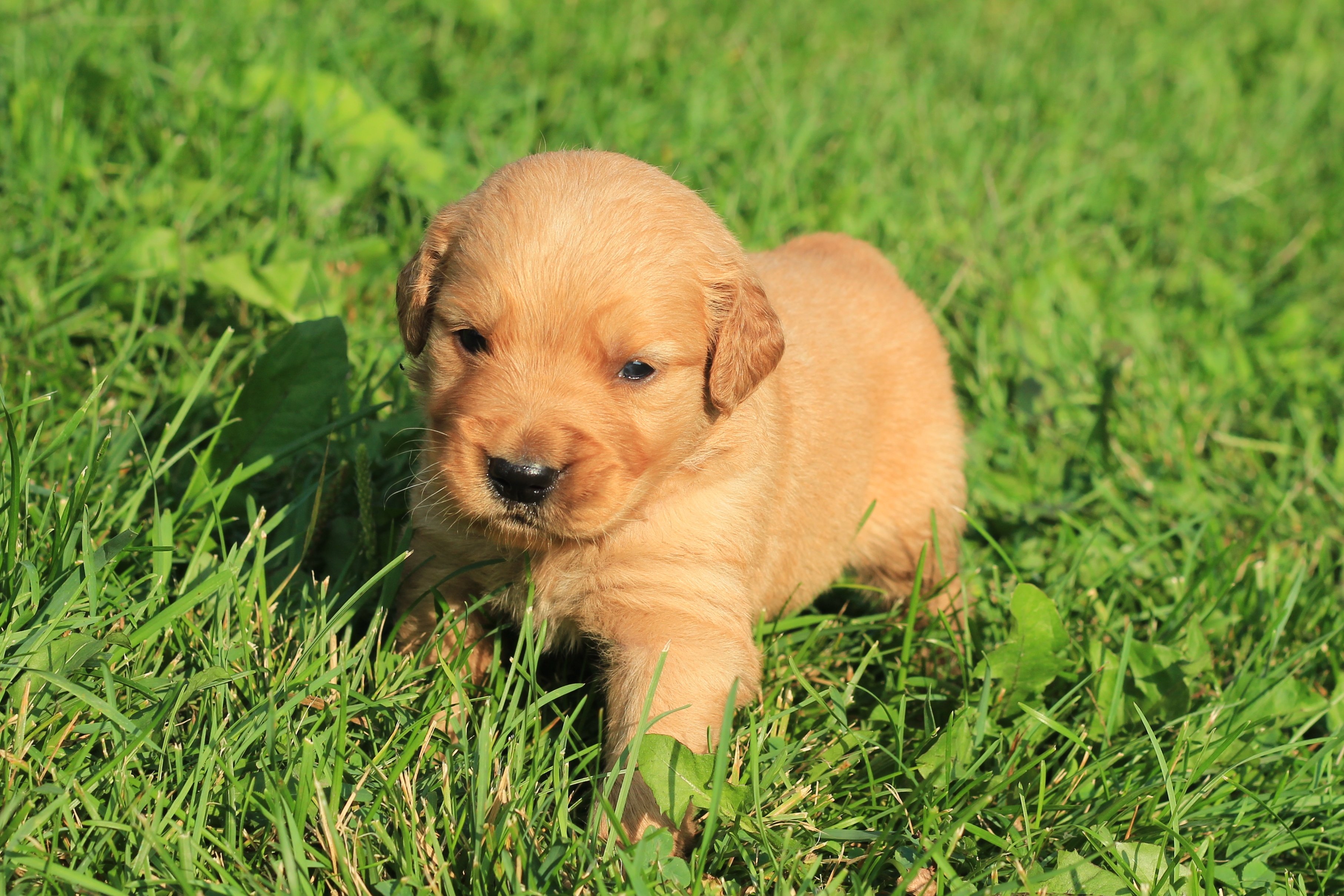
Bringing a puppy home is one of the most joyful experiences imaginable, but those tiny teeth can quickly turn a cuddle session into a nipping frenzy! Is this normal? Are you doing something wrong? Don't panic! We're here to help you understand puppy play biting.
Many new puppy parents find themselves questioning if their adorable furball is turning into a tiny terror. The constant nipping and mouthing can be frustrating, sometimes even painful, leaving you wondering if this behavior will ever stop and how to best navigate this sharp-toothed stage.
This article will delve into the world of puppy play biting, explaining what's considered normal puppy behavior, what might signal a problem, and most importantly, how you can guide your puppy towards more appropriate ways of playing and interacting.
Understanding puppy play biting is crucial for building a strong, positive relationship with your new companion. We'll explore normal puppy development, teach you how to differentiate between playful nipping and aggressive biting, and provide practical training techniques to curb unwanted behaviors. Key terms include: puppy biting, play biting, puppy training, bite inhibition, and dog behavior.
Understanding Normal Puppy Biting
When I brought home my Golden Retriever puppy, Gus, I was completely unprepared for the constant nipping. It felt like everything was fair game – my hands, my ankles, even the laces on my shoes! I remember one particularly exasperating evening when I was trying to cook dinner. Gus was determined to "help" by latching onto my pants leg every time I moved. I was covered in puppy slobber and felt like I was failing as a dog owner. After a few days I started reading about biting. I found out that Gus's behavior was normal for puppies.
Normal puppy biting is often exploratory. Puppies use their mouths to investigate the world around them, much like human babies use their hands. It’s a way for them to learn about textures, pressure, and boundaries. Also, puppies often don't know how hard is too hard. Teaching bite inhibition is a process of helping them learn the appropriate amount of pressure to use during play. This is often learned through play with littermates, but when they come home with you, it's your job to continue the education.
Think of it as a learning curve. Your puppy isn't trying to be naughty; they're simply exploring and learning. The goal is to redirect this natural behavior towards appropriate outlets and teach them gentle interactions. This involves consistent training, redirection, and understanding the underlying reasons for the biting.
What is Puppy Play Biting?
Puppy play biting is a common behavior among young dogs, especially during their developmental stages. It's a natural way for them to explore their environment, interact with littermates, and learn social skills. Puppies use their mouths much like humans use their hands, and nipping and mouthing are often part of their play. However, this behavior can become problematic if not managed correctly.
Play biting typically involves gentle mouthing or nipping without causing significant pain or injury. It often occurs during play sessions with other dogs or humans. The intensity of the biting can vary, but it should ideally be controlled and not escalate into aggressive behavior. Teaching puppies how to regulate their bite force is crucial to prevent accidental injuries and ensure they develop into well-behaved adult dogs.
Understanding the nuances of puppy play biting is essential for pet owners. It's important to differentiate between normal play behavior and aggressive biting, as they require different approaches. Play biting is often accompanied by other playful cues such as wagging tails, play bows, and relaxed body language. On the other hand, aggressive biting is usually characterized by tense body posture, growling, and bared teeth.
History and Myth of Puppy Play Biting
The history of understanding puppy play biting is intertwined with the evolution of our relationship with dogs. Early theories often attributed biting to dominance or aggression, influenced by outdated pack hierarchy models. These models suggested that puppies were constantly vying for position within a social structure, and biting was seen as a way to assert dominance.
However, modern research has shifted the focus towards understanding biting as a natural developmental behavior. Puppies learn bite inhibition through play with their littermates and mother. During these interactions, they receive feedback on the appropriate level of force to use. If a puppy bites too hard, the other puppy will yelp and stop playing, teaching the biter to be more gentle. This process is crucial for developing social skills and preventing aggression later in life.
One common myth about puppy play biting is that it should be completely suppressed. While it's important to teach puppies appropriate boundaries, completely eliminating biting can hinder their development. Instead, the goal should be to teach them to control their bite force and redirect their mouthing towards appropriate outlets, such as chew toys. Understanding the historical context and dispelling these myths can help pet owners approach puppy play biting with a more informed and compassionate perspective.
Hidden Secret of Puppy Play Biting
One of the hidden secrets of puppy play biting is that it's often a sign of overstimulation or lack of adequate sleep. Just like human children, puppies can become nippy and mouthy when they're tired or overwhelmed. Recognizing these triggers is crucial for managing the behavior effectively.
When a puppy is overstimulated, its energy levels surge, and it may resort to biting as a way to release that pent-up energy. This can happen during exciting play sessions or when exposed to new and stimulating environments. Similarly, when a puppy is sleep-deprived, it becomes more irritable and less tolerant, making it more likely to engage in unwanted biting.
To address this hidden aspect of puppy play biting, it's important to provide puppies with structured playtime and plenty of opportunities to rest. Ensure they have a quiet and comfortable space to retreat to when they need to decompress. Also, be mindful of their body language and watch for signs of overstimulation or fatigue. By recognizing and addressing these underlying factors, you can help your puppy manage their biting behavior and promote a calmer and more balanced demeanor.
Recommendation of Puppy Play Biting
If you're struggling with puppy play biting, my primary recommendation is patience and consistency. Remember, your puppy isn't trying to be malicious; they're simply learning how to interact with the world. It takes time and consistent training to teach them appropriate boundaries.
I also highly recommend consulting with a professional dog trainer or behaviorist. They can provide personalized guidance and help you develop a training plan tailored to your puppy's specific needs. A trainer can also help you identify any underlying issues that may be contributing to the biting behavior, such as anxiety or lack of socialization.
In addition to professional help, there are several practical steps you can take at home to manage puppy play biting. These include redirecting their biting towards appropriate chew toys, teaching them alternative behaviors such as "leave it" or "drop it," and ensuring they get plenty of mental and physical stimulation. By combining professional guidance with consistent training at home, you can effectively address puppy play biting and build a strong, positive relationship with your furry friend.
Bite Inhibition: A Crucial Skill
Bite inhibition is the ability of a dog to control the force of its bite. This is a crucial skill for puppies to learn, as it helps them understand how to interact safely with humans and other animals. Puppies naturally learn bite inhibition through play with their littermates and mother, but it's also important for pet owners to reinforce this learning process.
When a puppy bites too hard during play, the other puppy will yelp and stop playing. This teaches the biter that biting too hard results in the end of playtime. Similarly, when a puppy bites a human too hard, it's important to provide immediate feedback, such as a firm "ouch" or stopping the play session. This helps the puppy understand that biting humans is not acceptable.
It's important to note that teaching bite inhibition is not about suppressing all biting behavior. Instead, it's about teaching the puppy to control the force of its bite. This means that the puppy can still mouth or nip gently without causing pain or injury. By focusing on bite inhibition, you can help your puppy develop into a well-behaved and safe companion.
Tips for Managing Puppy Play Biting
Managing puppy play biting requires a combination of understanding, patience, and consistent training. Here are some practical tips to help you navigate this challenging phase:
Redirection: When your puppy starts to nip or mouth, redirect their attention towards an appropriate chew toy. Keep a variety of toys on hand and rotate them regularly to keep your puppy engaged. This helps them learn that biting toys is acceptable, while biting humans is not.
Time-outs: If your puppy continues to bite despite redirection, implement a time-out. This involves briefly removing yourself from the situation or placing the puppy in a designated quiet area for a few minutes. This helps them understand that biting results in the end of playtime.
Consistency: Consistency is key to successful training. Ensure that everyone in the household follows the same rules and guidelines. This helps the puppy understand what is expected of them and prevents confusion.
Positive Reinforcement: Reward your puppy for good behavior. When they engage in gentle play or interact appropriately, praise them and offer treats. This reinforces the desired behavior and encourages them to repeat it.
Discouraging Nipping at Ankles and Feet
Nipping at ankles and feet is a common problem among puppies, especially herding breeds. This behavior can be frustrating and even painful for pet owners. To discourage this behavior, it's important to understand why puppies do it in the first place.
Puppies often nip at ankles and feet because they are attracted to movement. They may see your feet as prey or as part of a game. To address this behavior, it's important to break the association between your feet and playtime. This can be achieved by avoiding activities that encourage the behavior, such as running or kicking your feet in front of the puppy.
Instead, redirect the puppy's attention towards a chew toy or engage them in a different activity, such as a game of fetch. You can also teach them a "leave it" command, which instructs them to stop focusing on your feet. By consistently redirecting their attention and teaching them alternative behaviors, you can effectively discourage nipping at ankles and feet.
Fun Facts About Puppy Play Biting
Did you know that puppies have a full set of baby teeth by the time they are around six months old? These teeth are incredibly sharp, which is why puppy bites can be so painful. Fortunately, as they transition to their adult teeth, the biting tends to lessen.
Another fun fact is that puppies learn bite inhibition from their littermates. When a puppy bites too hard during play, the other puppy will yelp and stop playing. This teaches the biter that biting too hard results in the end of playtime. This is why it's so important for puppies to have opportunities to socialize with other dogs.
Finally, puppy play biting is not a sign of aggression. It's a normal developmental behavior that helps puppies learn social skills and explore their environment. With patience, consistency, and appropriate training, you can help your puppy learn to control their biting and develop into a well-behaved companion.
How to Stop Puppy Play Biting
Stopping puppy play biting requires a multi-faceted approach that addresses the underlying causes of the behavior and provides the puppy with alternative outlets for their energy. Here's a step-by-step guide to help you curb unwanted biting:
Identify Triggers: Pay attention to when and why your puppy is biting. Are they biting when they're excited, tired, or overstimulated? Identifying these triggers can help you anticipate and prevent biting episodes.
Redirection: When your puppy starts to bite, redirect their attention towards an appropriate chew toy. Keep a variety of toys on hand and rotate them regularly to keep your puppy engaged. This helps them learn that biting toys is acceptable, while biting humans is not.
Time-outs: If your puppy continues to bite despite redirection, implement a time-out. This involves briefly removing yourself from the situation or placing the puppy in a designated quiet area for a few minutes. This helps them understand that biting results in the end of playtime.
Teach Alternative Behaviors: Teach your puppy alternative behaviors, such as "leave it" or "drop it." These commands can help you interrupt biting episodes and redirect their attention towards something else.
Provide Plenty of Exercise: Ensure your puppy gets plenty of mental and physical exercise. This can help them burn off excess energy and reduce their tendency to bite.
What if Puppy Play Biting Persists?
If puppy play biting persists despite your best efforts, it's important to consider seeking professional help. A certified dog trainer or behaviorist can assess your puppy's behavior and develop a customized training plan to address the issue. They can also help you identify any underlying issues that may be contributing to the biting, such as anxiety or medical conditions.
In some cases, persistent biting may be a sign of a more serious behavioral problem. A behaviorist can help you determine if this is the case and recommend appropriate interventions. They may also suggest consulting with a veterinarian to rule out any medical conditions that could be contributing to the biting.
It's important to remember that addressing persistent biting requires patience and consistency. It may take time and effort to change your puppy's behavior, but with the right approach and professional guidance, you can help them develop into a well-behaved and safe companion.
Listicle of Puppy Play Biting
Here's a quick list of key things to remember about puppy play biting:
- It's Normal: Puppy play biting is a normal developmental behavior.
- Bite Inhibition is Key: Focus on teaching bite inhibition, not suppressing all biting.
- Redirection Works: Redirect biting towards appropriate chew toys.
- Consistency is Crucial: Everyone in the household should follow the same rules.
- Seek Professional Help: If biting persists, consult a trainer or behaviorist.
- Exercise Matters: Provide plenty of mental and physical stimulation.
- Identify Triggers: Pay attention to when and why your puppy is biting.
- Time-outs Can Help: Implement time-outs for persistent biting.
- Positive Reinforcement: Reward good behavior with praise and treats.
- Be Patient: It takes time and effort to change a puppy's behavior.
By following these tips, you can effectively manage puppy play biting and build a strong, positive relationship with your furry friend.
Question and Answer About Puppy Play Biting
Q: Is puppy biting a sign of aggression?
A: Not necessarily. Puppy play biting is often a normal part of development, as puppies explore the world with their mouths. However, it's important to teach them bite inhibition to prevent injuries.
Q: How do I teach my puppy bite inhibition?
A: When your puppy bites too hard, say "ouch" loudly and stop playing. This mimics how littermates communicate during play. You can also redirect their biting towards a chew toy.
Q: When should I be concerned about puppy biting?
A: If your puppy is showing other signs of aggression, such as growling, snapping, or lunging, or if the biting is causing significant pain or injury, it's time to consult a professional trainer or behaviorist.
Q: What are some good chew toys for puppies?
A: Look for durable chew toys that are appropriate for your puppy's size and chewing strength. Some popular options include Nylabones, Kongs, and rope toys. Avoid toys that are easily destroyed, as they can pose a choking hazard.
Conclusion of Puppy Play Biting: What’s Normal and What’s Not
Navigating the puppy biting stage can be challenging, but with patience, consistency, and a good understanding of normal puppy behavior, you can successfully guide your furry friend towards becoming a well-behaved companion. Remember to focus on teaching bite inhibition, redirecting unwanted biting, and providing plenty of mental and physical stimulation. If you're struggling, don't hesitate to seek professional help from a certified dog trainer or behaviorist. With the right approach, you can overcome the biting phase and enjoy a happy, healthy relationship with your puppy for years to come.
0 Response to "Puppy Play Biting: What’s Normal and What’s Not"
Post a Comment