Puppy Parenting Mistakes to Avoid
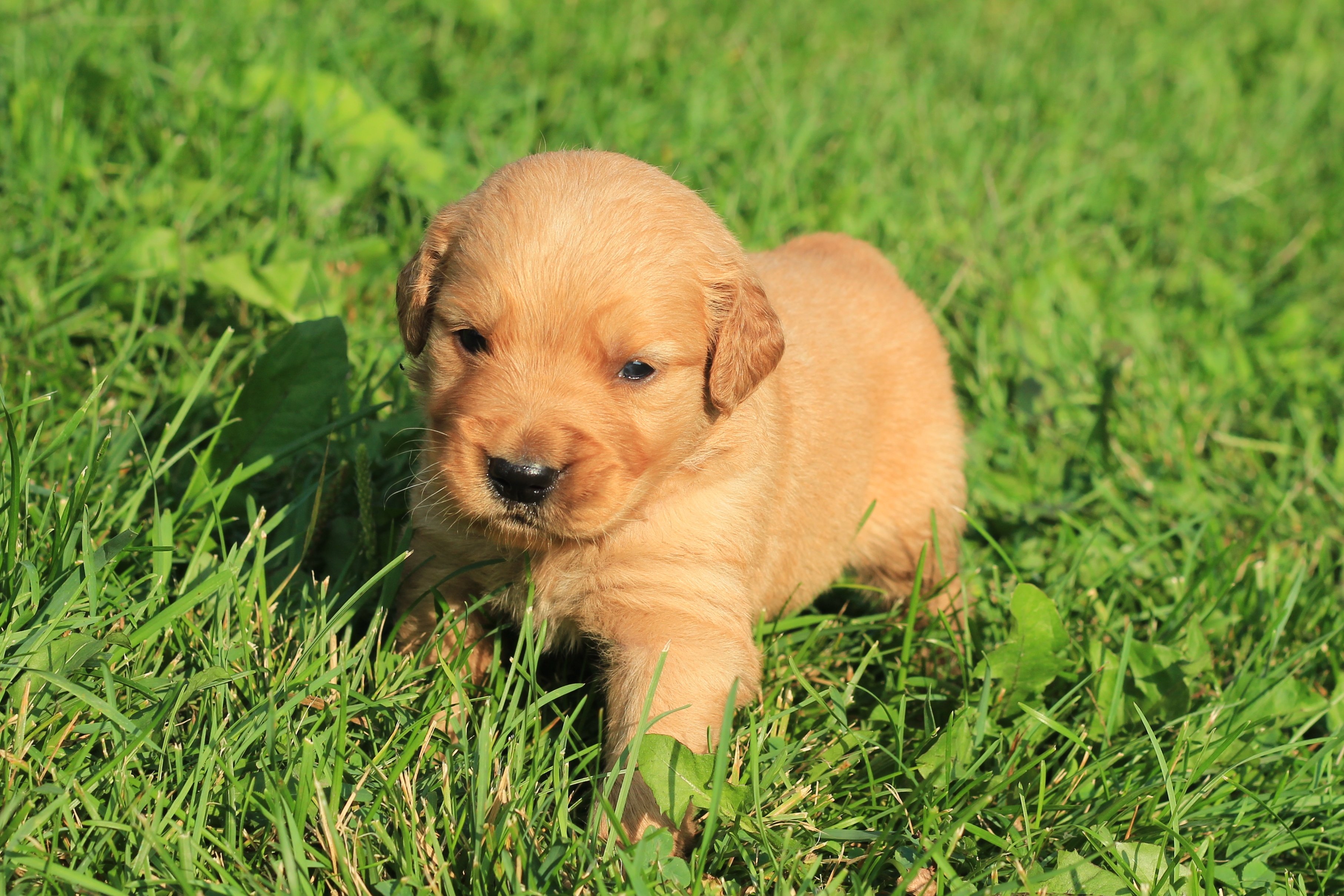
Bringing a puppy home is one of the most joyful experiences imaginable! Those tiny paws, wet noses, and boundless energy can melt even the coldest heart. But amidst all the puppy kisses and adorable antics, it's easy to stumble and make mistakes that could impact your furry friend's well-being. So, are you ready to navigate the exciting, yet sometimes challenging, world of puppy parenthood?
It's tough, isn't it? You’re trying to do everything right, scouring the internet for advice, but there’s so much conflicting information. You worry about socialization, training, and providing the best possible start for your new family member. The thought of accidentally hindering their development or creating bad habits can be overwhelming.
This blog post is your guide to avoiding common puppy parenting pitfalls! We'll explore the most frequent mistakes new puppy owners make and provide practical tips to help you raise a well-adjusted, happy, and confident dog. We'll cover everything from socialization and training to nutrition and health, ensuring you and your pup are set up for a lifetime of love and companionship.
By being aware of potential pitfalls like inadequate socialization, inconsistent training, improper nutrition, and neglecting preventative healthcare, you can pave the way for a happy, healthy, and well-behaved dog. This post addresses key areas like early socialization, crate training, bite inhibition, and common health concerns, providing you with the knowledge to confidently navigate puppyhood. Get ready to learn how to be the best puppy parent you can be!
Ignoring Early Socialization
Early socialization is arguably the most crucial aspect of puppy development. It's the period, typically between 3 and 16 weeks of age, where your puppy forms lasting impressions of the world around them. My own experience with my golden retriever, Leo, highlights the importance of this stage. I mistakenly kept him isolated at home until he had completed all his vaccinations, fearing he would catch something. While my intentions were good, this resulted in Leo being fearful of new people, places, and sounds. It took months of careful and gradual exposure to help him overcome his anxieties, and he never fully recovered the carefree confidence of a properly socialized puppy.
The problem isn’t just that isolated puppies miss out on positive experiences. It’s that they actively learn to fear the unknown. Without exposure, everyday sights and sounds – like children playing, cars driving by, or even the vacuum cleaner – can become sources of intense stress and anxiety. This can lead to behavioral problems like aggression, excessive barking, and fear-based reactivity later in life. Socialization isn't about throwing your puppy into the deep end. It's about carefully controlled and positive introductions. Think of it as building a foundation of confidence. Expose your puppy to a variety of sights, sounds, people, and other animals in a safe and controlled manner. Positive reinforcement, like treats and praise, is key to creating positive associations. Remember to always respect your puppy's pace and never force them into situations that make them uncomfortable. Gradual and positive experiences are the building blocks of a well-adjusted, confident dog.
Being Inconsistent with Training
Consistency is key in puppy training. It's not enough to teach your puppy a command one day and then forget about it the next. Imagine trying to learn a new language, but your teacher only spoke to you in that language sporadically. You'd struggle to understand and retain the information, right? It’s the same for your puppy. Inconsistent training creates confusion and frustration. Your puppy won't understand what you expect of them, and they'll be less likely to follow your commands.
Consistency means using the same commands, hand signals, and rewards every time you train. It also means that everyone in the household needs to be on the same page. If one person allows the puppy to jump on them while another scolds them for it, the puppy will be thoroughly confused. The goal is to create clear and predictable expectations. Use positive reinforcement techniques, like treats and praise, to reward desired behaviors. Avoid punishment-based methods, as they can create fear and anxiety, ultimately damaging your relationship with your puppy. Short, frequent training sessions are more effective than long, infrequent ones. Puppies have short attention spans, so keep training sessions brief and engaging. End each session on a positive note, leaving your puppy feeling successful and motivated to learn more. By being consistent and patient, you'll build a strong foundation of trust and communication with your puppy, making training a rewarding experience for both of you.
Believing in Dominance Theory
The idea that dogs are constantly trying to assert dominance over humans and that training should focus on establishing yourself as the "alpha" is a deeply flawed and outdated concept. This "dominance theory" often leads to the use of harsh and aversive training methods, which can be detrimental to a dog's well-being and can damage the bond between dog and owner. The roots of dominance theory can be traced back to early studies of captive wolves. These studies observed hierarchies and power struggles within wolf packs. However, the social dynamics of captive wolves don't accurately reflect the behavior of domestic dogs living in human homes. Dogs have evolved alongside humans for thousands of years, and their social structures are far more complex and nuanced than a simple dominance hierarchy.
Modern ethology (the study of animal behavior) recognizes that dogs are motivated by a variety of factors, including genetics, environment, and learning experiences. Positive reinforcement training methods, which focus on rewarding desired behaviors, are far more effective and humane than dominance-based approaches. Instead of trying to dominate your puppy, focus on building a relationship based on trust, respect, and clear communication. Use positive reinforcement to teach your puppy what you want them to do, and avoid punishment-based methods that can create fear and anxiety. Remember, your goal is to be your puppy's trusted leader and guide, not their dictator. A positive and nurturing approach will foster a strong bond and create a happy, well-adjusted dog.
Not Teaching Bite Inhibition
Puppy nipping and biting are normal behaviors. However, it's crucial to teach your puppy bite inhibition – the ability to control the force of their bite. This doesn't mean eliminating biting altogether, but rather teaching your puppy to use their mouth gently. Think of it like teaching a child to write gently with a pencil. They might press too hard at first, but with guidance, they learn to control their pressure. The secret lies in consistency and timing. Every time your puppy nips or bites too hard, immediately stop playing and withdraw your attention. This teaches them that biting too hard results in the fun stopping. You can also use a verbal cue like "ouch!" to signal that their bite hurt. If the nipping persists, you can try a brief time-out. Put your puppy in a quiet area for a minute or two to allow them to calm down. The goal is to teach them that biting too hard has negative consequences.
During play, encourage gentle mouthing by offering appropriate chew toys. This gives your puppy an outlet for their natural chewing instincts and helps them learn to differentiate between acceptable and unacceptable biting. Supervise your puppy closely when they are playing with children. Children may not always understand how to interact safely with puppies, so it's important to intervene if the puppy's play becomes too rough. Never encourage aggressive play with your puppy, such as wrestling or tug-of-war with your hands. This can inadvertently teach them that it's okay to bite and can make it more difficult to teach bite inhibition. Remember, bite inhibition is a gradual process. It takes time and patience to teach your puppy to control the force of their bite. By being consistent and using positive reinforcement, you can help your puppy develop good biting habits and prevent potential problems in the future.
The Importance of Puppy Classes
Puppy classes are an invaluable resource for new puppy owners. They provide a structured environment for socialization, training, and learning about puppy behavior. In a puppy class, your puppy will have the opportunity to interact with other puppies in a safe and supervised setting. This is crucial for developing their social skills and learning how to interact appropriately with other dogs. The class also provides you with the opportunity to learn about puppy behavior and how to address common problems like biting, chewing, and house training. A good puppy class will teach you positive reinforcement training techniques that are effective and humane. You'll learn how to use treats, praise, and other rewards to motivate your puppy and teach them desired behaviors. The instructor will also be able to answer your questions and provide guidance on any challenges you're facing with your puppy.
Beyond the training aspect, puppy classes also offer a great opportunity to bond with your puppy and build a strong relationship. By working together and learning new things, you'll strengthen your connection and create a foundation of trust and communication. Puppy classes can also help you to meet other puppy owners and build a support network. Sharing experiences and advice with other people who are going through the same challenges can be incredibly helpful. Look for puppy classes that are taught by certified professional dog trainers who use positive reinforcement methods. Avoid classes that promote dominance-based training or use harsh techniques. A good puppy class will be a positive and rewarding experience for both you and your puppy, setting you up for a lifetime of happy companionship.
Forgetting to Crate Train Properly
Crate training can be a wonderful tool for house training, providing a safe space for your puppy, and preventing destructive behavior. However, it's essential to introduce the crate gradually and make it a positive experience. Never force your puppy into the crate or use it as punishment. The goal is to create a positive association with the crate, so your puppy sees it as a comfortable and secure den. Start by leaving the crate door open and placing treats and toys inside. Encourage your puppy to explore the crate at their own pace. Once they are comfortable going inside, you can start closing the door for short periods of time, gradually increasing the duration. Always reward your puppy for being calm and quiet in the crate. A good way to start is by feeding your puppy their meals in the crate. This helps them to associate the crate with something positive, like food. You can also give them a special chew toy that they only get when they are in the crate.
Make sure the crate is the right size for your puppy. It should be large enough for them to stand up, turn around, and lie down comfortably, but not so large that they can use one end as a bathroom. Never leave your puppy in the crate for excessive periods of time. Puppies need to relieve themselves frequently, so make sure to take them outside regularly. Also, be mindful of your puppy's anxiety levels. If they are showing signs of distress in the crate, such as excessive barking, whining, or panting, shorten the duration and try again later. By being patient and positive, you can help your puppy learn to love their crate and see it as a safe and comfortable place to relax. Crate training is not about confinement; it's about providing your puppy with a sense of security and a space they can call their own.
Ignoring Preventative Healthcare
Preventative healthcare is essential for keeping your puppy healthy and preventing serious health problems. This includes regular veterinary checkups, vaccinations, parasite control, and proper nutrition. Puppies are particularly vulnerable to diseases and parasites, so it's important to start preventative care as early as possible. Your veterinarian will recommend a vaccination schedule based on your puppy's age, breed, and lifestyle. Vaccinations protect your puppy from potentially deadly diseases like parvovirus, distemper, and rabies. Parasite control is also crucial for protecting your puppy from internal and external parasites like worms, fleas, and ticks. These parasites can cause a variety of health problems, including anemia, skin irritation, and even death.
Proper nutrition is also essential for your puppy's growth and development. Choose a high-quality puppy food that is specifically formulated for their age and breed. Feed your puppy the recommended amount of food to prevent obesity, which can lead to a variety of health problems. Regular veterinary checkups are also important for detecting health problems early. Your veterinarian will perform a physical exam, check your puppy's vital signs, and recommend any necessary tests. Early detection and treatment of health problems can significantly improve your puppy's quality of life and longevity. By prioritizing preventative healthcare, you're investing in your puppy's future health and well-being. It's a commitment that will pay off in years of companionship and joy.
Fun Facts About Puppy Development
Did you know that puppies are born blind and deaf? They rely on their sense of smell and touch to navigate the world in their first few weeks of life. Their eyes and ears gradually open as they develop, and their senses become more acute. Another fun fact is that puppies spend a significant portion of their time sleeping. They need plenty of rest to support their rapid growth and development. Puppies also go through a critical socialization period between 3 and 16 weeks of age. During this time, they are highly receptive to new experiences and learn to interact with their environment. Exposing puppies to a variety of sights, sounds, people, and other animals during this period is crucial for their social development.
Puppies also have a unique set of teeth called "milk teeth" or "deciduous teeth." These teeth are smaller and sharper than adult teeth and are eventually replaced by permanent teeth. Teething can be a painful process for puppies, so it's important to provide them with plenty of chew toys to help soothe their gums. Another interesting fact is that puppies' brains are constantly developing. They are learning new things every day, and their experiences shape their behavior and personality. Positive reinforcement training methods are particularly effective for puppies, as they help them to learn what is expected of them and reward them for desired behaviors. By understanding these fun facts about puppy development, you can better appreciate the unique challenges and rewards of raising a puppy.
How to Choose the Right Puppy Food
Choosing the right puppy food is crucial for their growth and development. Look for a food that is specifically formulated for puppies and is labeled as "complete and balanced." This means that it contains all the nutrients that your puppy needs in the correct proportions. The first ingredient listed on the label should be a meat source, such as chicken, beef, or lamb. Avoid foods that are high in fillers, such as corn, wheat, and soy. These ingredients are not as nutritious for puppies and can be difficult to digest.
Also, check the protein and fat content of the food. Puppies need a higher protein and fat content than adult dogs to support their rapid growth. Look for a food that contains at least 22% protein and 8% fat. Consider the size of your puppy when choosing a food. Small-breed puppies need a food that is specifically formulated for their needs. These foods are typically smaller in size and contain higher levels of calories and nutrients to support their faster metabolism. Large-breed puppies, on the other hand, need a food that is designed to prevent them from growing too quickly. Rapid growth can put stress on their joints and bones, leading to health problems later in life. Choose a food that is specifically formulated for large-breed puppies and contains controlled levels of calcium and phosphorus. Consult with your veterinarian to determine the best food for your puppy's individual needs. They can assess your puppy's health and recommend a food that is appropriate for their age, breed, and activity level.
What If My Puppy is Already Showing Problem Behaviors?
Don't panic! It's common for puppies to develop some problem behaviors, especially if they haven't had proper socialization or training. The key is to address these behaviors early and consistently. The first step is to identify the root cause of the behavior. Is your puppy biting out of fear, excitement, or boredom? Is your puppy chewing because they are teething or because they are anxious? Once you understand the underlying reason for the behavior, you can start to address it appropriately. If your puppy is biting, focus on teaching bite inhibition and providing them with appropriate chew toys. If your puppy is chewing, make sure they have plenty of toys to chew on and that you are providing them with enough exercise and mental stimulation.
If you're struggling to address the problem behaviors on your own, consider seeking professional help from a certified dog trainer or behaviorist. They can assess your puppy's behavior and develop a customized training plan to address the specific issues you're facing. Don't be afraid to ask for help. Addressing problem behaviors early is much easier than trying to correct them later in life. Remember, patience and consistency are key. It takes time and effort to change a puppy's behavior, so don't get discouraged if you don't see results immediately. Stay positive and keep working with your puppy, and you will eventually see progress.
A List of Common Puppy Parenting Mistakes:
- Ignoring early socialization
- Being inconsistent with training
- Believing in dominance theory
- Not teaching bite inhibition
- Forgetting to crate train properly
- Ignoring preventative healthcare
- Punishing accidents during house training
- Not providing enough mental stimulation
- Over-exercising a puppy
- Neglecting grooming
This list represents a compilation of the most frequent errors new puppy owners make. Avoiding these mistakes will set your puppy up for success.
Question and Answer Section about Puppy Parenting Mistakes
Here are some frequently asked questions about puppy parenting mistakes:
Question 1: How much socialization is enough for my puppy?
Answer: The more positive exposure, the better! Aim to expose your puppy to a wide variety of sights, sounds, people, and other animals in a safe and controlled manner. The goal is to create positive associations and help your puppy develop confidence. Consult with your veterinarian or a certified dog trainer for guidance on safe socialization practices.
Question 2: What's the best way to house train my puppy?
Answer: Consistency and positive reinforcement are key! Establish a regular potty schedule and take your puppy outside frequently, especially after waking up, eating, and playing. Reward them immediately with praise and a small treat when they eliminate outside. Clean up accidents indoors thoroughly to eliminate odors that might attract them back to the same spot.
Question 3: How much exercise does my puppy need?
Answer: Puppies need regular exercise to stay healthy and happy, but it's important to avoid over-exercising them. Puppies' joints and bones are still developing, so strenuous exercise can lead to injuries. Short, frequent play sessions are better than long, strenuous workouts. Consult with your veterinarian for guidance on appropriate exercise levels for your puppy's age and breed.
Question 4: When should I start training my puppy?
Answer: You can start training your puppy as soon as you bring them home! Focus on basic commands like "sit," "stay," and come.Keep training sessions short, fun, and positive. Use treats, praise, and other rewards to motivate your puppy and create positive associations with training. Enrolling in a puppy class can also be a great way to get started.
Conclusion of Puppy Parenting Mistakes to Avoid
Navigating puppyhood is a journey filled with joy, challenges, and learning opportunities. By being aware of common pitfalls and proactively addressing them, you can set your puppy up for a lifetime of happiness and well-being. Remember that every puppy is unique, so be patient, adaptable, and always prioritize a positive and nurturing approach. With dedication and a willingness to learn, you and your furry friend can build a strong bond and create a lifetime of cherished memories. Embrace the journey, learn from your mistakes, and enjoy every moment with your adorable puppy!
0 Response to "Puppy Parenting Mistakes to Avoid"
Post a Comment