Puppy Car Safety: Tips for Safe Rides
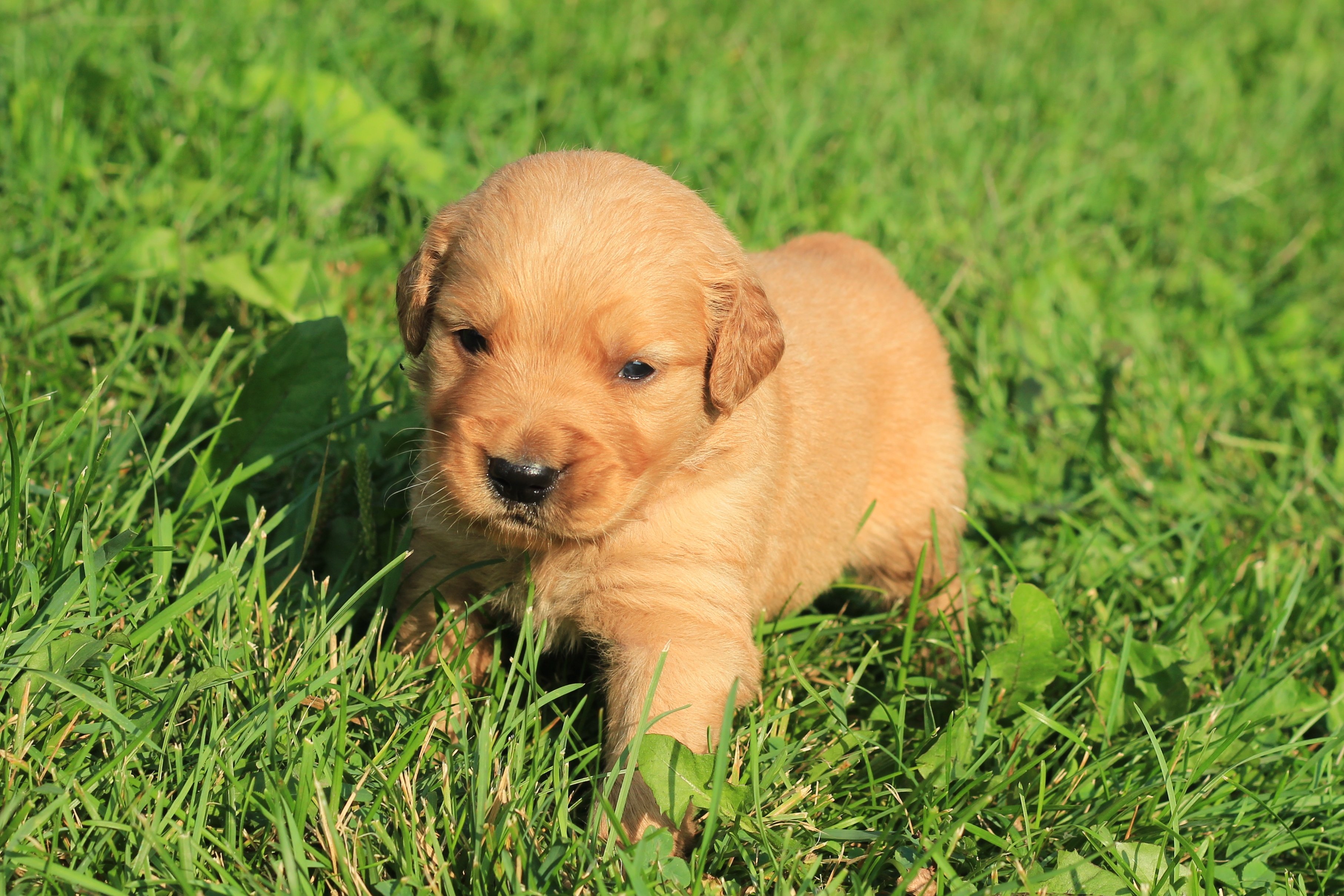
Bringing a new puppy into your life is an incredibly exciting time! The world suddenly feels brighter, walks are filled with playful antics, and cuddles become a daily necessity. But along with all the joy comes responsibility, especially when it comes to their safety, even in the car.
Let's face it, the thought of taking your adorable, wiggly puppy on a car ride can be a little daunting. Will they get car sick? Will they try to climb all over you while you're driving? Are they safe enough in the car for travel? These worries can take some of the fun out of planning adventures with your new furry friend.
That's where this guide comes in! We're here to provide you with essential tips for ensuring safe and stress-free car rides with your puppy. From choosing the right carrier to preventing motion sickness, we'll cover everything you need to know to keep your puppy safe, secure, and happy on every journey.
This post will cover choosing the right carrier or car seat, acclimating your puppy to car rides, preventing car sickness, and avoiding common hazards. By following these guidelines, you can create positive car travel experiences for your puppy, setting them up for a lifetime of safe and enjoyable adventures together.
Choosing the Right Puppy Car Seat or Carrier
This is perhaps the most crucial step in ensuring your puppy's safety in the car. The right car seat or carrier should be appropriately sized for your puppy, ensuring they have enough room to sit, stand, and turn around comfortably, but not so much space that they can be tossed around in the event of a sudden stop. Growing up, my family always let our dogs roam freely in the car. Looking back, I'm shocked we never had an accident! Now, I'm a firm believer in proper restraints for everyone, including our furry family members. I learned the hard way when my new puppy, a rambunctious Golden Retriever named Gus, jumped into the front seat while I was driving! Thankfully, I was able to pull over safely, but it was a scary experience. It was then that I realized how important a secure car seat would be, not just for Gus's safety, but for mine and other drivers on the road as well.
When selecting a car seat or carrier, consider its construction. Look for sturdy materials that can withstand impact. A well-ventilated carrier is also essential to prevent overheating and ensure your puppy's comfort. Secure attachment is another important factor. The car seat or carrier should be securely attached to the vehicle's seat using a seatbelt or other approved method. Never place a carrier in the front seat where an airbag could deploy, potentially causing serious injury to your puppy. There are several types of car seats and carriers available, including booster seats, harness systems, and enclosed carriers. Choose the one that best suits your puppy's size, breed, and temperament. Many brands offer crash-tested options, providing an extra layer of assurance.
Acclimating Your Puppy to Car Rides
Think of a car like a new, strange room for your puppy. You wouldn't expect them to instantly feel comfortable in a new house, right? The same applies to the car! Acclimating your puppy gradually is key to preventing anxiety and motion sickness. The idea is to create positive associations with the car, turning it from a source of stress into a place of comfort and even excitement.
Start with short sessions. Begin by simply letting your puppy explore the car while it's parked. Place some treats or toys inside to encourage them to enter and sniff around. Once they seem comfortable, try turning on the engine for a few minutes at a time, gradually increasing the duration. Next, take them on very short drives around the block. Reward them with praise and treats throughout the process. This helps them associate car rides with positive experiences. If your puppy shows signs of anxiety, such as panting, whining, or drooling, slow down the process and take smaller steps. You can also try using a calming pheromone spray in the car to help reduce anxiety. Over time, as your puppy becomes more accustomed to car rides, you can gradually increase the length of your journeys. Be patient and consistent, and eventually, your puppy will be a confident and happy traveler.
The History and Myths of Puppy Car Safety
The concept of puppy car safety, while seemingly modern, has roots that go back to the early days of automobiles. While dedicated puppy car seats and carriers are relatively recent innovations, pet owners have always sought ways to transport their animals safely. In the past, dogs were often simply allowed to roam freely in cars, or were confined to boxes or crates in the back. Unfortunately, this approach was far from ideal, and led to many accidents and injuries.
One common myth is that it's okay to let a small puppy sit on your lap while you drive. This is extremely dangerous for several reasons. In the event of an accident, your puppy could be crushed by the airbag or thrown from the vehicle. Even without an accident, a sudden stop could cause your puppy to be injured. Another myth is that puppies will naturally get used to car rides over time. While some puppies may adapt eventually, others will develop anxiety and motion sickness if not properly acclimated. It's crucial to take a proactive approach to car safety, rather than simply hoping your puppy will adjust. Early training and positive reinforcement are key to creating a positive experience. As awareness of pet safety has grown, so has the development of innovative car safety products. Today, there are a wide variety of car seats, carriers, and harnesses designed to protect puppies and dogs of all sizes. Investing in these products is an investment in your puppy's well-being.
The Hidden Secrets of Puppy Car Safety
Beyond the obvious safety measures, there are some less-known tips and tricks that can make car rides even safer and more enjoyable for your puppy. One hidden secret is the power of routine. Just like humans, puppies thrive on predictability. If you make car rides a regular part of your puppy's routine, they'll be more likely to feel comfortable and relaxed.
Another secret is the importance of pre-trip preparation. Before you hit the road, make sure your puppy has had a chance to relieve themselves. A full bladder can lead to anxiety and discomfort during the ride. It's also a good idea to withhold food for a few hours before traveling to prevent motion sickness. Bring along plenty of fresh water and a collapsible bowl to keep your puppy hydrated. A comfortable blanket or toy from home can also provide a sense of security. Finally, consider the temperature inside the car. Puppies are more susceptible to heatstroke than adult dogs, so it's crucial to keep the car cool and well-ventilated. Never leave your puppy unattended in a parked car, even for a short period of time. By incorporating these hidden secrets into your car travel routine, you can create a safe and stress-free experience for your puppy.
Recommendations for Puppy Car Safety
When it comes to puppy car safety, there's no one-size-fits-all solution. The best approach will depend on your puppy's age, breed, size, and temperament, as well as your personal preferences and lifestyle. However, there are some general recommendations that apply to all puppies.
First and foremost, prioritize safety. Invest in a high-quality car seat, carrier, or harness that has been crash-tested and approved by a reputable organization. Make sure the product is properly sized for your puppy and securely attached to your vehicle. Acclimate your puppy to car rides gradually, starting with short sessions and rewarding them with praise and treats. Prevent motion sickness by withholding food before traveling, providing fresh air, and using a calming pheromone spray. Avoid common hazards such as leaving your puppy unattended in a parked car, allowing them to roam freely in the vehicle, or placing them in the front seat where an airbag could deploy. Consider your puppy's individual needs and preferences. Some puppies prefer enclosed carriers, while others prefer booster seats or harnesses. Experiment with different options to find the one that works best for your puppy. Finally, remember that patience is key. It may take time for your puppy to become fully comfortable with car rides. Don't get discouraged if they experience anxiety or motion sickness at first. With consistent training and positive reinforcement, they'll eventually learn to enjoy traveling with you.
Specific Product Recommendations for Puppy Car Safety
Choosing the right products can significantly enhance your puppy's safety and comfort during car rides. When selecting a car seat, look for features like a secure harness, a comfortable lining, and crash-tested construction. Brands like Sleepypod and Kurgo offer excellent options that have been rigorously tested to meet safety standards. For carriers, consider a hard-sided option with good ventilation and a secure latch. Soft-sided carriers can also be a good choice, but make sure they're made from durable materials and have a sturdy base. Brands like Petmate and Sherpa offer a wide range of carriers in various sizes and styles. If you prefer a harness system, look for one that attaches securely to your vehicle's seatbelt. Harnesses like the Ruffwear Load Up Harness are designed to distribute force evenly in the event of a collision, minimizing the risk of injury. In addition to car seats, carriers, and harnesses, there are other products that can improve your puppy's car travel experience. A travel water bowl can help keep your puppy hydrated on long trips, while a calming pheromone spray can reduce anxiety. A comfortable blanket or toy from home can also provide a sense of security. When choosing products, read reviews carefully and consider your puppy's individual needs and preferences. Don't be afraid to invest in high-quality products that will provide the best possible protection and comfort for your furry friend.
Tips and Tricks for Stress-Free Car Rides
Even with the right car seat and acclimation process, some puppies may still experience anxiety or discomfort during car rides. Fortunately, there are several tips and tricks that can help make the experience more enjoyable for everyone. One of the most effective strategies is to create a positive association with the car. Bring along your puppy's favorite toys or treats, and offer them rewards throughout the ride. Play calming music or talk to your puppy in a soothing voice. If your puppy is prone to motion sickness, try giving them a small amount of ginger before the trip. Ginger has been shown to help reduce nausea in both humans and dogs. You can also try cracking a window to provide fresh air and help equalize the pressure in your puppy's ears.
Another helpful tip is to break up long trips with frequent stops. Let your puppy out of the car to stretch their legs, relieve themselves, and get some fresh air. If possible, find a dog-friendly park or rest area where they can run around and play. When driving, avoid sudden stops and starts. Smooth, gradual movements will help prevent motion sickness. If your puppy becomes anxious or restless during the ride, try distracting them with a toy or a chew. If all else fails, consider consulting with your veterinarian. They may be able to recommend medication or other strategies to help manage your puppy's anxiety or motion sickness. With a little patience and creativity, you can find the tips and tricks that work best for your puppy, turning car rides into a positive and enjoyable experience for both of you.
Dealing with Car Sickness in Puppies
Car sickness can be a common problem in puppies, but there are several things you can do to minimize its effects. First, make sure your puppy has an empty stomach before traveling. Withhold food for at least a few hours before the trip. However, don't withhold water, as dehydration can also contribute to nausea. During the ride, provide plenty of fresh air. Crack a window or turn on the air conditioning to keep the car cool and well-ventilated. Try to position your puppy so they can see out the window. Looking at the horizon can help reduce motion sickness.
If your puppy is prone to car sickness, talk to your veterinarian about medication options. There are several anti-nausea medications that are safe and effective for puppies. Ginger is another natural remedy that can help reduce nausea. You can give your puppy a small amount of ginger capsules or ginger snaps before the trip. Some puppies find relief from car sickness by lying down. If your puppy is in a car seat or carrier, make sure they have enough room to lie down comfortably. Other Tips include frequent breaks. Stop every few hours to let your puppy get some fresh air and relieve themselves. Avoid winding roads. Choose routes that are as straight and smooth as possible. With a little planning and preparation, you can help minimize the effects of car sickness and make car rides more enjoyable for your puppy.
Fun Facts About Puppy Car Safety
Did you know that in some countries, it's illegal to drive with an unrestrained pet? Laws regarding pet car safety vary widely around the world. Some countries have strict regulations requiring pets to be restrained in carriers or harnesses, while others have no specific laws at all. Another fun fact is that the first commercially available pet car seat was invented in the 1930s. The "Pup-Perch" was designed to keep dogs from distracting the driver and to protect them in the event of an accident.
Crash tests involving pet car seats and carriers are becoming increasingly common. Organizations like the Center for Pet Safety conduct rigorous crash tests to evaluate the safety and effectiveness of different products. The results of these tests help consumers make informed decisions about which products to buy. Many pet owners are unaware of the potential dangers of allowing their pets to ride unrestrained in the car. In the event of an accident, an unrestrained pet can become a projectile, causing serious injury to themselves and other passengers. Even a minor accident can be fatal for an unrestrained pet. The popularity of pet travel is on the rise. As more and more people travel with their pets, the demand for safe and comfortable car travel solutions continues to grow. There are now a wide variety of products available, from car seats and carriers to travel bowls and pet-friendly seat covers. Learning about these fun facts can help you appreciate the importance of puppy car safety and make informed decisions about how to protect your furry friend on the road.
How to Choose the Right Car Seat or Carrier for Your Puppy
Choosing the right car seat or carrier for your puppy can seem overwhelming, but with a little research and planning, you can find the perfect option for your needs. Start by considering your puppy's size and weight. Car seats and carriers are typically designed for specific weight ranges, so it's important to choose one that's appropriate for your puppy. Also, consider your puppy's breed and temperament. Some breeds are more prone to anxiety than others, so you may want to choose a carrier that provides a sense of security and confinement. Other breeds are more active and may prefer a car seat that allows them to see out the window.
Next, think about the type of car you have. Some car seats and carriers are designed to fit specific types of vehicles. Make sure the product you choose is compatible with your car's seatbelt system and airbag configuration. It is also very important to read reviews from other pet owners. Look for products that have received positive reviews for safety, durability, and comfort. Pay attention to any negative reviews, as they may reveal potential problems with the product. Crash-tested products, should be a first choice. Choose products that have been crash-tested and approved by a reputable organization. This will give you peace of mind knowing that the product has been rigorously tested to meet safety standards. Lastly, Consider your budget, prices vary significantly. Decide how much you're willing to spend before you start shopping. With a little research and planning, you can find the perfect car seat or carrier for your puppy, ensuring their safety and comfort on every journey.
What if You Get into an Accident with Your Puppy in the Car?
Even with the best safety precautions, accidents can happen. If you get into an accident with your puppy in the car, it's important to stay calm and assess the situation. First, check yourself and any other passengers for injuries. Then, check on your puppy. If your puppy is injured, try to provide first aid if you're able. Stop any bleeding with a clean cloth and keep your puppy warm. Call your veterinarian immediately or take your puppy to the nearest emergency veterinary clinic.
If your puppy appears to be unharmed, still take them to the vet for a checkup. Internal injuries may not be immediately apparent. Gather information for the accident report. Exchange contact information with the other driver and take pictures of the damage to both vehicles. Contact your insurance company as soon as possible. Be sure to inform them that your puppy was in the car at the time of the accident. Keep your puppy calm and comfortable. Accidents can be traumatic for puppies, so it's important to provide reassurance and support. Keep your puppy close to you and speak to them in a soothing voice. By taking these steps, you can help ensure your puppy's safety and well-being after an accident.
Listicle: 5 Essential Items for Puppy Car Safety
Here's a quick list of must-have items to ensure your puppy's safety on every car journey:
- A Crash-Tested Car Seat or Carrier: This is the foundation of puppy car safety. Choose one that fits your puppy's size and weight and has been rigorously tested.
- A Secure Harness or Seatbelt Attachment: This will keep your puppy securely in place and prevent them from roaming around the car.
- A Travel Water Bowl: Hydration is essential, especially on long trips. A spill-proof travel bowl will keep your puppy hydrated without making a mess.
- Calming Pheromone Spray: This can help reduce anxiety and motion sickness in puppies.
- First-Aid Kit: Be prepared for any emergencies with a well-stocked first-aid kit designed for pets.
Question and Answer
Q: At what age can I start taking my puppy on car rides?
A: You can start taking your puppy on car rides as soon as they've been cleared by your veterinarian, typically around 8-10 weeks old. Start with short trips and gradually increase the duration as they get more comfortable.
Q: My puppy gets car sick easily. What can I do?
A: Try withholding food for a few hours before traveling, providing fresh air, and using a calming pheromone spray. If the problem persists, consult with your veterinarian about medication options.
Q: Is it okay to let my puppy ride in the front seat?
A: No, it's not safe to let your puppy ride in the front seat. In the event of an airbag deployment, your puppy could be seriously injured.
Q: What's the best way to clean up car messes made by my puppy?
A: Keep a supply of pet-safe cleaning products on hand. For vomit or diarrhea, use a product that contains enzymes to break down the organic matter. For urine, use a product that neutralizes odors. Always follow the manufacturer's instructions carefully.
Conclusion of Puppy Car Safety: Tips for Safe Rides
Ensuring your puppy's safety in the car is an essential part of responsible pet ownership. By choosing the right car seat or carrier, acclimating your puppy to car rides gradually, preventing motion sickness, and avoiding common hazards, you can create positive car travel experiences for your furry friend. Remember to always prioritize safety, be patient, and have fun exploring the world together!
0 Response to "Puppy Car Safety: Tips for Safe Rides"
Post a Comment