How to Encourage Positive Interactions at the Dog Park
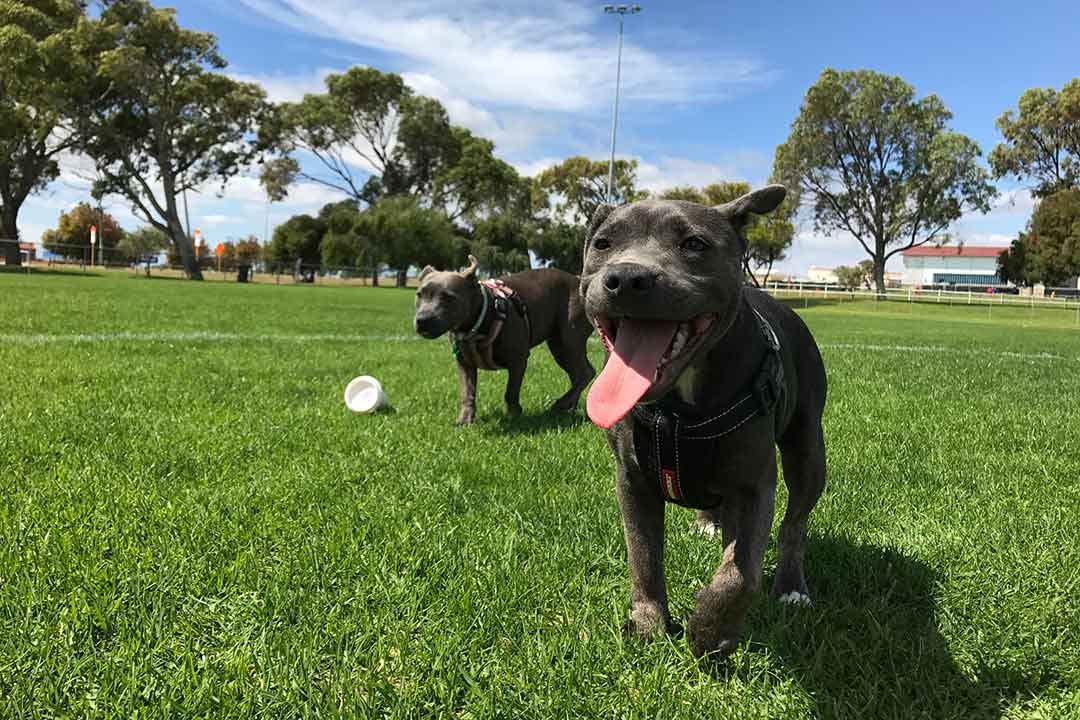
Ever felt a knot of anxiety tighten in your stomach as you unclip your dog's leash at the dog park? The promise of playful romps can quickly turn sour if interactions aren't positive. Navigating the social dynamics of these furry gatherings can feel like deciphering a whole new language, but with a little understanding and proactive effort, you can help create a more enjoyable experience for everyone.
It's tough, isn't it? You envision your dog making friends, burning off energy, and returning home happily exhausted. But what happens when a boisterous dog singles out yours, or when a squabble erupts over a coveted toy? Perhaps you've witnessed aggressive behavior and felt helpless, or maybe you're just unsure how to read the subtle cues that signal a potential problem. The dog park, meant to be a haven, can sometimes feel like a minefield.
The key to encouraging positive interactions at the dog park lies in a combination of careful observation, responsible ownership, and proactive intervention. By understanding dog body language, managing your dog's behavior, and knowing when to step in, you can contribute to a safer and more enjoyable environment for all the dogs and their owners.
Essentially, creating a positive dog park experience hinges on being an attentive owner. This means understanding dog communication, monitoring your dog's play style, and intervening when necessary. Being mindful of your dog's temperament and advocating for their comfort will not only enhance their experience but also contribute to a harmonious atmosphere for everyone. We'll explore specific strategies such as pre-park socialization, body language awareness, toy management, and responsible intervention techniques to transform the dog park from a potential source of stress into a delightful social outing.
Understanding Dog Body Language
Understanding dog body language is paramount to fostering positive interactions at the dog park. It's like learning a secret code that allows you to anticipate potential issues and intervene before they escalate. A few years ago, I was at the dog park with my golden retriever, Charlie. He's generally a very friendly dog, but he can be a bit sensitive around larger, more boisterous dogs. I noticed a large breed puppy approaching him, and initially, Charlie seemed fine. But then I saw his tail start to tuck slightly, and he licked his lips repeatedly – subtle signs of stress I had learned to recognize. The puppy, oblivious, kept barreling towards him. I gently stepped in, calling Charlie back to me and redirecting the puppy to play with another dog more suited to his energy level. By recognizing Charlie's discomfort early on, I was able to prevent what could have been an unpleasant encounter.
Key signals to watch for include a stiff body, a tucked tail, flattened ears, whale eye (where you can see the whites of the dog's eyes), lip licking, yawning (when not tired), and excessive panting. These can all indicate stress or discomfort. Conversely, loose body postures, wagging tails (though beware a high, stiff wag which can signal tension), play bows, and relaxed facial expressions are generally signs of positive engagement. Learn to differentiate between playful nipping and aggressive biting, and understand that not all play styles are compatible. Some dogs enjoy wrestling, while others prefer chasing or gentle sniffing. By understanding your own dog's body language and that of the dogs around them, you can proactively manage interactions and ensure everyone has a positive experience. This ultimately contributes to a safer and more enjoyable environment for all.
The Importance of Pre-Park Socialization
The Importance of Pre-Park Socialization is often overlooked, but it plays a crucial role in setting your dog up for success at the dog park. It's not enough to simply unleash your dog into a chaotic environment and hope for the best. Proper socialization involves gradually exposing your dog to a variety of sights, sounds, smells, and interactions with other dogs in a controlled and positive manner. Think of it as building a solid foundation for their social skills.
A well-socialized dog is more likely to be confident and comfortable around other dogs, reducing the likelihood of fear-based aggression or anxiety. This can start with puppy classes, controlled playdates with known dogs, and even just walking your dog in different environments and allowing them to observe other dogs from a safe distance. The key is to ensure that these experiences are positive and that your dog feels safe and secure. If your dog has had limited socialization, consider working with a professional dog trainer or behaviorist before introducing them to the dog park. They can help you identify any potential issues and develop a plan to address them. Remember, a well-socialized dog is a happier and more confident dog, and this translates to a more positive experience for everyone at the dog park.
Myths About Dog Park Etiquette
Myths About Dog Park Etiquette abound, often leading to misunderstandings and even conflict. One common myth is that "dogs will sort it out themselves." While dogs certainly have their own communication methods, it's crucial for owners to actively supervise and intervene when necessary. Assuming that all dogs will naturally get along is a recipe for disaster.
Another pervasive myth is that growling is always a sign of aggression. While growling can certainly precede aggression, it's also a form of communication, often used to set boundaries or express discomfort. Punishing a dog for growling can actually suppress this warning signal, making them more likely to bite without warning. Instead, focus on understanding why your dog is growling and addressing the underlying issue. Yet another myth is that all dogs enjoy playing in the same way. Some dogs prefer chasing, while others enjoy wrestling. Forcing a dog to engage in a play style they're not comfortable with can lead to stress and conflict. It's important to observe your dog's body language and respect their preferences.
Finally, there's the myth that if your dog gets bitten, they'll "learn their lesson." This is not only untrue but also incredibly unfair to your dog. A negative experience like a dog bite can traumatize your dog and lead to long-term behavioral issues. Protecting your dog and advocating for their safety is your responsibility as a dog owner. Debunking these common myths is the first step towards creating a safer and more enjoyable dog park experience for everyone.
The Hidden Secret to a Successful Dog Park Visit
The Hidden Secret to a Successful Dog Park Visit isn't really a secret at all; it's proactive management. It's about actively observing, intervening, and being a responsible advocate for your dog. Many owners mistakenly believe that the dog park is a free-for-all, a place where they can simply unleash their dog and relax. However, a truly successful visit requires constant attention and a willingness to step in when necessary. This means monitoring your dog's interactions, recognizing signs of stress or discomfort, and being prepared to redirect or remove your dog from the situation if needed.
Proactive management also includes being mindful of your dog's energy levels and temperament. If your dog is overly boisterous or tends to overwhelm other dogs, consider limiting their time at the park or finding a smaller, more controlled playgroup. Conversely, if your dog is shy or anxious, don't force them to interact with dogs they're not comfortable with. You can create a positive experience by keeping them on a leash and allowing them to observe from a safe distance. The key is to be present, attentive, and willing to adjust your approach based on your dog's individual needs. This proactive approach not only ensures your dog's safety and well-being but also contributes to a more harmonious environment for all the dogs at the park.
Recommendations for Problematic Dog Park Behavior
Recommendations for Problematic Dog Park Behavior start with identifying the issue and taking appropriate action. Common problems include excessive barking, mounting, bullying, and aggression. It's crucial to remember that every dog is different, and what might be considered acceptable play behavior by one dog might be perceived as harassment by another.
If your dog is engaging in problematic behavior, the first step is to interrupt the behavior immediately. Use a firm but calm voice to call your dog back to you. Avoid yelling or punishing your dog, as this can escalate the situation and damage your relationship with them. Once you have your dog's attention, redirect them to a different activity, such as a game of fetch or a simple obedience exercise. If the behavior persists, it's best to remove your dog from the park and reassess the situation. They may be overly tired, stressed, or simply not suited for the environment. If the problematic behavior is ongoing, consider seeking professional help from a certified dog trainer or behaviorist. They can help you identify the underlying cause of the behavior and develop a training plan to address it. Remember, addressing problematic behavior is not only beneficial for your dog but also for the safety and well-being of all the dogs at the park.
Early intervention in aggression
Early intervention in aggression is paramount to preventing serious incidents and ensuring a safe and enjoyable environment for all dogs at the park. Recognizing the early warning signs of aggression, such as a stiff body posture, a hard stare, bared teeth, or a low growl, is the first step. If you observe these signs in your dog or another dog, it's crucial to act immediately. Do not hesitate to interrupt the interaction by calling your dog back to you or gently separating the dogs. Avoid yelling or making sudden movements, as this can escalate the situation. Once you have separated the dogs, assess the situation and determine the best course of action. If your dog was the aggressor, remove them from the park and reassess their suitability for dog park environments. If another dog was the aggressor, calmly inform the owner and encourage them to take appropriate action. It's important to remember that aggression is a serious issue and should never be ignored or dismissed. If you are concerned about your dog's aggressive behavior, seek professional help from a certified dog trainer or behaviorist. They can help you identify the underlying cause of the aggression and develop a training plan to address it. Early intervention is key to preventing aggression from escalating and ensuring the safety of all dogs at the park. This also helps prevent you or another owner from having to file a dog bite claim.
Practical Tips for a Positive Dog Park Experience
Practical Tips for a Positive Dog Park Experience involve a combination of preparation, awareness, and proactive management. Before you even enter the park, make sure your dog is up-to-date on all their vaccinations and is wearing a collar with identification tags. This is crucial for their safety and the safety of other dogs. Upon entering the park, take a few minutes to observe the other dogs and owners. This will give you a sense of the overall energy and temperament of the group. If you notice any dogs that seem overly aggressive or are being poorly supervised, consider waiting for them to leave before unleashing your dog.
Once your dog is unleashed, keep a close eye on their interactions. Be aware of their body language and the body language of the dogs they are interacting with. If you see any signs of stress or discomfort, intervene immediately. Bring a few of your dog's favorite toys, but be prepared to share them or put them away if they are causing conflict. Always clean up after your dog promptly, and be respectful of other owners. By following these simple tips, you can help create a more positive and enjoyable experience for everyone at the dog park. Remember, responsible ownership is key to a thriving dog park community. By putting a little effort to encourage positive interaction, you will find that it is not that hard!
When to Intervene
Knowing when to intervene is a critical skill for any dog owner visiting the dog park. While it's important to allow dogs to socialize and work out minor disagreements on their own, there are certain situations that require immediate intervention. Any signs of aggression, such as biting, snapping, or excessive growling, should be addressed immediately. Similarly, if you see a dog bullying or harassing another dog, it's your responsibility to step in and stop the behavior. It's also important to intervene if you see a dog exhibiting signs of extreme stress or fear, such as cowering, shaking, or trying to escape. In these cases, it's best to remove your dog from the situation and give them some space to calm down.
Sometimes, intervention simply means redirecting your dog's attention. If they are becoming overly focused on another dog or toy, try calling them back to you or engaging them in a different activity. It's also important to be mindful of the size and energy levels of the dogs that your dog is interacting with. A small or shy dog might be overwhelmed by a large, boisterous dog, so it's important to ensure that the play is fair and balanced. Ultimately, the key to knowing when to intervene is to be attentive to your dog's behavior and the behavior of the dogs around them. By being proactive and responsible, you can help prevent problems from escalating and ensure a safe and enjoyable experience for everyone at the dog park. You should always know when to intervene.
Fun Facts About Dog Parks
Fun Facts About Dog Parks are more interesting than you might think! Did you know that the first official dog park in the United States was established in Berkeley, California, in 1979? This pioneering park paved the way for the thousands of dog parks that now exist across the country. Dog parks provide a valuable space for dogs to socialize, exercise, and burn off energy, contributing to their overall well-being. Studies have shown that dogs who regularly visit dog parks are less likely to exhibit behavioral problems such as excessive barking, chewing, and digging. They also offer a social outlet for dog owners, providing opportunities to connect with other dog lovers and build a sense of community.
While dog parks are generally safe and enjoyable, it's important to remember that they are not without risks. Dog bites and other injuries can occur, so it's crucial to be vigilant and responsible when visiting the park. The largest dog park in the world is located in Gilbert, Arizona, and spans a whopping 42 acres! That's plenty of space for dogs to run, play, and explore. Dog parks are a relatively recent phenomenon, but they have quickly become an integral part of the urban landscape. As our understanding of dog behavior and needs continues to evolve, we can expect to see even more innovative and well-designed dog parks in the future. Just make sure you are aware of the unwritten etiquette rules.
How to Choose the Right Dog Park
How to Choose the Right Dog Park for you and your furry friend is essential for ensuring a positive and safe experience. Not all dog parks are created equal, and factors such as size, amenities, and the temperament of the regular visitors can significantly impact your dog's enjoyment. Start by researching the dog parks in your area. Check online reviews and ask other dog owners for their recommendations. Consider the size of the park and whether it is appropriate for your dog's size and energy level. A small dog might feel intimidated in a large park filled with boisterous dogs, while a high-energy dog might become bored in a smaller, less stimulating environment.
Pay attention to the amenities offered at the park. Are there separate areas for small and large dogs? Is there access to water and shade? Are there waste disposal stations and bags provided? A well-maintained park with good amenities will be more enjoyable for both you and your dog. Visit the park at different times of day to get a sense of the typical crowd. Observe the behavior of the dogs and owners. Are the dogs generally well-behaved and supervised? Are the owners attentive and responsible? If you notice any red flags, such as aggressive dogs or negligent owners, consider choosing a different park. Ultimately, the best way to choose the right dog park is to visit it yourself and see if it's a good fit for you and your dog. Make sure you know what you are getting yourself into!
What If Things Go Wrong?
What If Things Go Wrong? This is a question every dog owner should consider before visiting the dog park. Despite our best efforts, accidents and conflicts can happen. Knowing how to respond calmly and effectively can minimize the damage and ensure the safety of everyone involved.
If your dog is bitten or injured, the first step is to assess the severity of the injury. If it's a minor wound, clean it thoroughly with soap and water and monitor it for signs of infection. If it's a more serious injury, seek veterinary care immediately. Exchange contact information with the owner of the other dog, and document the incident with photos and notes. If you witness a dog fight or see a dog being aggressive towards another dog, do not attempt to break it up yourself. Instead, call for help from other owners or park staff. Try to remain calm and avoid yelling or making sudden movements, as this can escalate the situation. If you are concerned about your dog's behavior or the behavior of another dog, do not hesitate to remove your dog from the park. It's always better to err on the side of caution and prioritize the safety and well-being of your dog. Remember, accidents happen, but being prepared and knowing how to respond can make all the difference. Sometimes the best response is to be level-headed and smart.
Listicle: 5 Ways to Encourage Positive Dog Park Interactions
Listicle: 5 Ways to Encourage Positive Dog Park Interactions to make the park a haven for happy hounds and their humans! Here are 5 actionable tips to transform your dog park experience:
- Know Your Dog: Understand your dog's temperament, play style, and triggers. If your dog is shy or anxious, start with short visits and gradual exposure. If your dog is overly boisterous, practice impulse control exercises before entering the park.
- Master Body Language: Learn to recognize the subtle cues that indicate stress, discomfort, or aggression in dogs. Look for stiff body posture, tucked tails, whale eye, lip licking, and growling. Intervene early if you see any of these signs.
- Be a Proactive Supervisor: Don't just stand on the sidelines and chat with other owners. Actively monitor your dog's interactions and be prepared to intervene if necessary. Redirect your dog's attention if they are becoming overly focused on another dog or toy.
- Manage Toys and Resources: Toys can be a source of conflict at the dog park. Bring a few of your dog's favorite toys, but be prepared to share them or put them away if they are causing problems. Avoid bringing high-value items like food or bones.
- Practice Responsible Ownership: Clean up after your dog promptly, and be respectful of other owners. Follow the park rules and regulations. If your dog has a history of aggression, consider working with a professional trainer or behaviorist before bringing them to the dog park.
Question and Answer
Q: My dog gets overwhelmed at the dog park. What can I do?
A: Start with short visits during off-peak hours. Keep your dog on a leash and allow them to observe from a distance. Gradually increase their exposure as they become more comfortable. Consider working with a trainer to build their confidence.
Q: How do I handle a situation where another dog is bullying mine?
A: Intervene immediately and remove your dog from the situation. Calmly inform the owner of the other dog about the behavior. If the behavior persists, consider leaving the park.
Q: What if my dog gets into a fight?
A: Do not attempt to break up the fight yourself. Call for help from other owners or park staff. Once the dogs are separated, check for injuries and seek veterinary care if necessary. Exchange contact information with the owner of the other dog, and document the incident.
Q: How can I prevent my dog from becoming aggressive at the dog park?
A: Ensure your dog is properly socialized from a young age. Avoid bringing them to the park if they are tired, stressed, or not feeling well. Monitor their behavior closely and intervene if you see any signs of aggression. Consider working with a trainer to address any underlying behavioral issues.
Conclusion of How to Encourage Positive Interactions at the Dog Park
Creating a positive experience at the dog park is a shared responsibility. By understanding dog body language, managing your dog's behavior, and being proactive in addressing potential issues, you can contribute to a safer and more enjoyable environment for all the dogs and their owners. Remember, the key is to be attentive, responsible, and willing to intervene when necessary. The result? A happy, healthy dog and a thriving dog park community.
0 Response to "How to Encourage Positive Interactions at the Dog Park"
Post a Comment