How to Build a DIY Puppy Ramp or Stairs
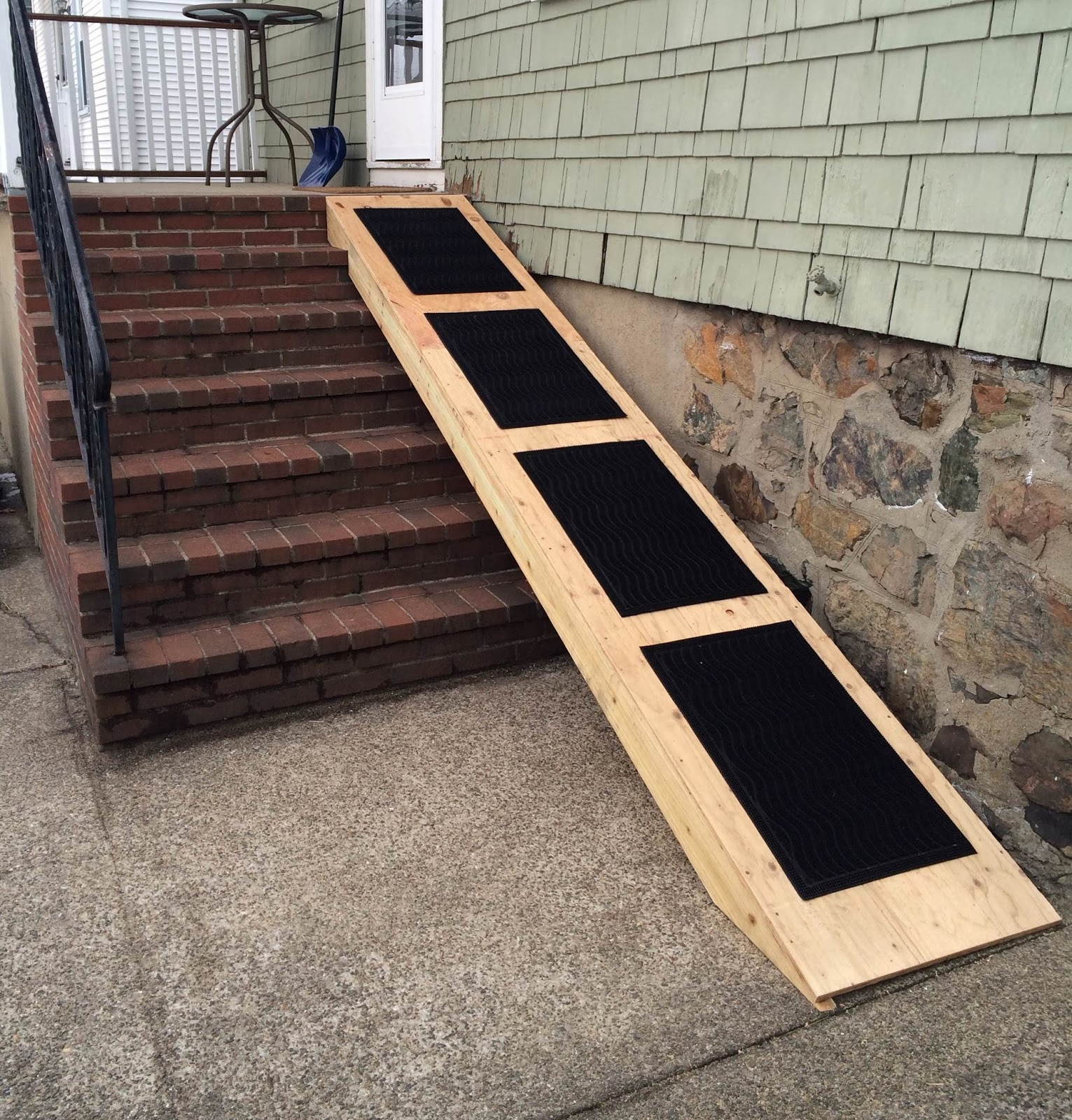
Is your furry friend struggling to reach their favorite spot on the couch? Do you worry about their joints as they jump up and down? Giving our beloved pets the best care sometimes means making adjustments to their environment to ensure their safety and comfort. One fantastic way to do this is by building a DIY puppy ramp or stairs!
We all love our puppies, but watching them struggle to access higher surfaces can be concerning. Maybe they're too small, getting older, or have some physical limitations. Pre-made options can be expensive, and might not perfectly fit your needs or decor. Figuring out a safe, affordable, and aesthetically pleasing solution can feel like a real challenge.
This guide provides a step-by-step approach to building your own puppy ramp or stairs. We'll cover everything from planning and gathering materials to construction and finishing touches. You'll learn how to create a safe and stylish solution that perfectly suits your puppy's needs and your home's aesthetic.
Creating a DIY puppy ramp or stairs offers a fantastic way to enhance your pet's quality of life and protect their joints. We'll explore various designs, material choices, and safety considerations to help you craft the perfect aid for your furry companion. Get ready to embark on a rewarding project that will benefit your puppy for years to come, touching on puppy ramps, puppy stairs, DIY pet projects, and pet joint health.
Why Build a Puppy Ramp or Stairs?
My miniature dachshund, Winston, was the inspiration behind my own DIY ramp project. He’s got those famously short legs, and as he got older, jumping onto the bed became a real struggle. I initially tried lifting him, but that wasn't always practical, especially first thing in the morning or when I had my hands full. Watching him strain to jump just tugged at my heartstrings. I knew I needed a better solution, one that would protect his back and joints. That’s when I started researching DIY ramps and stairs.
Building a ramp or stairs isn’t just about convenience; it's about proactively addressing potential health issues. Breeds prone to back problems, like dachshunds, corgis, and French bulldogs, can especially benefit from these assistive devices. Regular jumping can put undue stress on their spines, potentially leading to intervertebral disc disease (IVDD). Ramps and stairs provide a gentler alternative, allowing them to reach their favorite spots without the impact. Even for healthy puppies, repeated jumping can contribute to joint problems later in life. Starting them early with a ramp or stairs can help preserve their joint health and keep them active and comfortable for longer. Besides joint health, ramps and stairs can be useful for older dogs with arthritis, or dogs recovering from surgery or injuries. A ramp or stairs provides a gentle, low-impact way to maintain their access to favorite spaces while minimizing the risk of re-injury or further exacerbating their condition. Moreover, offering a safe and accessible route to higher places boosts their confidence and independence. They can continue to enjoy their favorite napping spots and interact with you without needing to rely on you to lift them. It promotes a sense of autonomy and well-being, reducing anxiety and frustration.
Choosing the Right Design: Ramp vs. Stairs
When deciding between a ramp and stairs for your puppy, consider their size, breed, age, and physical condition. A ramp provides a gradual incline, making it easier for dogs with mobility issues or short legs. It's also a good choice for puppies still developing their coordination. Stairs, on the other hand, can be more space-efficient and may be easier for some dogs to navigate, especially if they're already familiar with stairs. The key is to find a design that your puppy feels comfortable and confident using. A ramp may require a longer run to achieve a gentle slope, which can take up more space. Stairs can be more compact, but the height and depth of the steps are crucial. Steps that are too high or too shallow can be difficult and even dangerous for puppies. Consider your puppy's stride length and adjust the dimensions accordingly. For smaller breeds, shallower steps are essential. The width of the ramp or stairs is also important. Ensure it's wide enough for your puppy to turn around comfortably and prevent them from accidentally stepping off the edge. Adding side rails or bumpers can provide extra security. Think about the location where the ramp or stairs will be placed. Is it next to a bed, couch, or window seat? The design should seamlessly integrate with your existing furniture and décor. You can choose materials and finishes that complement your home's style. Consider whether you need a portable or stationary solution. If you plan to move the ramp or stairs frequently, opt for a lightweight design with easy-to-grip handles. If it will remain in one place, you can build a more robust and permanent structure. Finally, factor in your puppy's personality and preferences. Some dogs are naturally more adventurous and will adapt quickly to a new ramp or stairs. Others may be more cautious and require a gradual introduction. Positive reinforcement and patience are key to helping your puppy feel comfortable and confident using their new assistive device.
A Brief History of Pet Ramps and Stairs
While it's difficult to pinpoint the exact origins of pet ramps and stairs, the concept of assisting animals in accessing elevated surfaces likely dates back centuries. Ancient civilizations, particularly those with small or specialized breeds, may have devised rudimentary solutions to help their animals navigate their environment. However, the widespread adoption of pet ramps and stairs as we know them today is a relatively recent phenomenon, driven by increased awareness of pet health and a growing desire to enhance their quality of life.
The history of pet ramps and stairs is intertwined with the evolving relationship between humans and animals. As pets transitioned from working animals to cherished companions, their well-being became a greater concern. The rise of veterinary medicine and the development of specialized pet products further fueled the demand for assistive devices. In the past, homemade solutions were common, often involving repurposed materials or simple wooden structures. However, as the pet industry matured, commercially produced ramps and stairs became more readily available, offering a wider range of designs, materials, and features. The myth that ramps and stairs are only for elderly or disabled pets has gradually been dispelled. Veterinarians and pet professionals increasingly recommend these devices as a preventative measure to protect joint health and prevent injuries in puppies and dogs of all ages. The internet and social media have also played a significant role in popularizing pet ramps and stairs. Pet owners share their experiences, DIY projects, and recommendations, creating a supportive community focused on improving their animals' lives. Today, pet ramps and stairs are considered essential accessories for many pet owners, reflecting a growing commitment to providing the best possible care for our furry friends. From basic wooden ramps to sophisticated, multi-tiered stairs with plush carpeting, the options are endless, catering to every pet's needs and every owner's aesthetic preferences. The future of pet ramps and stairs is likely to see further innovation in materials, designs, and technology. Smart ramps with adjustable inclines and built-in sensors could become commonplace, providing even greater customization and safety for our beloved pets.
The Secret to a Successful DIY Puppy Ramp or Stairs
The secret to a successful DIY puppy ramp or stairs lies in careful planning and precise execution. It's not just about slapping some wood together; it's about creating a safe, sturdy, and aesthetically pleasing structure that your puppy will actually use and enjoy. The first secret? Accurate measurements. Before you even pick up a saw, measure the height of the surface your puppy needs to reach. This will determine the length of the ramp or the height of the stairs. Don't guess – precise measurements are crucial for creating a comfortable and safe incline or step height.
The second secret is choosing the right materials. Opt for high-quality wood that's strong and durable. Avoid using flimsy materials that could wobble or break under your puppy's weight. Consider the surface of the ramp or stairs. It should be non-slip to prevent accidents. Carpet, rubber mats, or textured paint are all good options. The third secret is secure construction. Use screws and wood glue to assemble the ramp or stairs. Ensure all joints are tight and secure. Sand down any rough edges or splinters to prevent injuries. The fourth secret is gradual introduction. Don't expect your puppy to immediately embrace their new ramp or stairs. Use positive reinforcement, such as treats and praise, to encourage them to use it. Start with short training sessions and gradually increase the duration. The fifth secret is ongoing maintenance. Regularly inspect the ramp or stairs for any signs of wear and tear. Tighten any loose screws and repair any damaged surfaces. A well-maintained ramp or stairs will last longer and provide a safer experience for your puppy. By following these secrets, you can create a DIY puppy ramp or stairs that will not only make your puppy's life easier but also add a touch of style to your home. Remember, patience and attention to detail are key to success. With a little effort, you can build a functional and beautiful accessory that your furry friend will love for years to come.
My Top Recommendations for DIY Puppy Ramp Materials
When it comes to building a DIY puppy ramp or stairs, the materials you choose can significantly impact the safety, durability, and overall aesthetic of the finished product. My top recommendation is to prioritize quality and safety above all else. Opt for solid wood, such as pine or plywood, as the primary building material. These woods are strong enough to support your puppy's weight and can be easily cut and shaped to your desired dimensions.
For the surface of the ramp or stairs, I highly recommend using carpet or a non-slip rubber mat. Carpet provides excellent traction and a soft, comfortable surface for your puppy's paws. Rubber mats are also a great option, especially for outdoor ramps, as they are weather-resistant and easy to clean. Avoid using slick or slippery materials, such as laminate or tile, as these can be dangerous for your puppy. To provide additional stability and support, consider adding side rails or bumpers to your ramp or stairs. These can be made from wood or metal and should be securely attached to the structure. They will prevent your puppy from accidentally stepping off the edge and provide them with a sense of security. When assembling the ramp or stairs, use screws and wood glue to ensure a strong and durable connection. Avoid using nails, as they can loosen over time and pose a safety hazard. Sand down any rough edges or splinters to prevent injuries. For finishing touches, consider painting or staining the wood to match your home's décor. Use non-toxic paints or stains that are safe for pets. You can also add decorative elements, such as fabric or trim, to personalize your ramp or stairs. Finally, don't forget to factor in the cost of materials when planning your DIY project. Shop around for the best deals and consider using reclaimed or recycled materials to save money. With a little creativity and resourcefulness, you can build a beautiful and functional puppy ramp or stairs without breaking the bank.
Understanding Incline and Step Height for Puppy Safety
The incline of a ramp or the height of steps is absolutely critical for your puppy's safety and comfort. A ramp that's too steep can be difficult and even dangerous for them to use, while steps that are too high can strain their joints. Finding the right balance is key to creating a user-friendly aid. For ramps, a gentle incline is essential. As a general rule, aim for an incline of no more than 25 degrees. This will allow your puppy to walk up the ramp without having to exert too much effort. You can use a level and a protractor to measure the incline angle accurately. For stairs, the ideal step height depends on your puppy's size and breed. For smaller breeds, a step height of 4-6 inches is typically recommended. For larger breeds, you can increase the step height to 6-8 inches. The depth of the steps should also be adequate to provide enough space for your puppy to place their paws comfortably. A depth of 10-12 inches is generally sufficient. To ensure your puppy's safety, add a non-slip surface to the ramp or steps. Carpet, rubber mats, or textured paint are all good options. This will prevent your puppy from slipping and falling, especially when the ramp or stairs are wet. Consider adding side rails or bumpers to your ramp or stairs. These will provide additional security and prevent your puppy from accidentally stepping off the edge. The rails should be high enough to prevent your puppy from jumping over them, but not so high that they feel confined. When introducing your puppy to their new ramp or stairs, be patient and use positive reinforcement. Encourage them to walk up the ramp or steps with treats and praise. Start with short training sessions and gradually increase the duration. If your puppy is hesitant to use the ramp or stairs, try placing a favorite toy or treat at the top to entice them.
Essential Tips for Building a Sturdy and Safe Puppy Ramp
Building a sturdy and safe puppy ramp requires more than just assembling materials; it demands attention to detail and a focus on structural integrity. One crucial tip is to use high-quality, durable wood that can withstand your puppy's weight and daily use. Avoid using flimsy or warped wood, as it can compromise the stability of the ramp. When constructing the frame of the ramp, use screws and wood glue to create strong and lasting joints. Screws provide a more secure hold than nails, while wood glue adds extra strength and prevents the joints from loosening over time. Ensure all screws are countersunk to prevent them from snagging on your puppy's paws. Reinforce the ramp's frame with additional support beams, especially if it's a longer ramp. These beams will help distribute the weight evenly and prevent the ramp from sagging or bending. Pay close attention to the ramp's surface. It should be non-slip and provide adequate traction for your puppy's paws. Carpet, rubber mats, or textured paint are all good options. Avoid using slick or slippery materials, as they can be dangerous for your puppy. Consider adding side rails to the ramp to prevent your puppy from accidentally stepping off the edge. The rails should be high enough to provide a secure barrier but not so high that they make your puppy feel confined. Securely attach the side rails to the ramp's frame using screws and wood glue. Test the ramp's stability before allowing your puppy to use it. Place it on a level surface and apply pressure to different areas to ensure it doesn't wobble or creak. If you detect any weaknesses, reinforce them before letting your puppy use the ramp. Regularly inspect the ramp for any signs of wear and tear. Tighten any loose screws, repair any damaged surfaces, and replace any worn-out materials. A well-maintained ramp will last longer and provide a safer experience for your puppy.
Choosing the Right Non-Slip Surface for Your DIY Project
The surface of your puppy ramp or stairs is a critical element for safety and comfort. Choosing the right material can make all the difference in your pet's confidence and willingness to use their new aid. Carpet is a popular choice for its softness, warmth, and excellent grip. Look for a low-pile carpet that's easy to clean and resistant to wear and tear. Consider using carpet tiles, which can be easily replaced if they become damaged or soiled. Rubber mats are another excellent option, especially for outdoor ramps or areas prone to moisture. Rubber provides a non-slip surface that's durable and easy to clean. Look for rubber mats with a textured surface to enhance grip. Textured paint can be applied directly to the wood surface of your ramp or stairs to create a non-slip finish. Choose a paint specifically designed for floors or steps, as it will be more durable and resistant to wear and tear. Apply multiple coats of paint to ensure adequate coverage and grip. Self-adhesive grip tape is a convenient option for adding traction to specific areas of your ramp or stairs. It's easy to apply and can be cut to fit any shape or size. Look for grip tape specifically designed for outdoor use, as it will be more resistant to weather and wear. Consider your puppy's preferences when choosing a surface material. Some puppies may prefer the soft texture of carpet, while others may prefer the firm grip of rubber. Experiment with different materials to see what your puppy is most comfortable with. Regularly clean the surface of your ramp or stairs to maintain its non-slip properties. Dirt, dust, and debris can reduce traction and increase the risk of slips and falls. Use a mild detergent and water to clean the surface, and allow it to dry completely before allowing your puppy to use the ramp or stairs.
Fun Facts About Pet Ramps and Stairs
Did you know that pet ramps and stairs are not just for small dogs? While they're often associated with breeds like dachshunds and corgis, larger dogs can also benefit from them, especially as they age and their joints become less flexible. It's a common misconception that ramps and stairs are only for dogs with existing health problems. In reality, they can be a preventative measure for dogs of all ages and sizes, helping to protect their joints and prevent injuries. Some pet owners even use ramps and stairs for their cats! Cats can also experience joint problems as they age, and ramps and stairs can make it easier for them to access their favorite perches. Pet ramps and stairs come in a wide variety of designs and materials, from simple wooden structures to elaborate, multi-tiered stairs with plush carpeting. Some ramps even have adjustable inclines to accommodate different heights and needs. DIY pet ramps and stairs have become a popular trend, with pet owners creating custom designs to match their home décor and their pet's specific needs. Building a DIY ramp or stairs can be a fun and rewarding project that strengthens the bond between you and your pet. There are even ramps and stairs designed specifically for pets with disabilities, such as those with mobility issues or vision impairments. These ramps often feature extra-wide surfaces, raised edges, and non-slip materials to ensure safety and comfort. Some pet ramps and stairs are portable, making them easy to transport and use in different locations. This is especially convenient for pet owners who travel frequently or want to provide their pet with access to elevated surfaces in multiple rooms of the house. Pet ramps and stairs have been featured in numerous movies and TV shows, often as a humorous or heartwarming element. They've become a symbol of the close relationship between humans and their animal companions.
How to Train Your Puppy to Use Their New Ramp or Stairs
Introducing your puppy to a new ramp or stairs requires patience, positive reinforcement, and a gradual approach. Start by familiarizing your puppy with the ramp or stairs. Place it in a familiar area of your home and allow your puppy to sniff and explore it at their own pace. Don't force them to interact with it. Use positive reinforcement to create positive associations with the ramp or stairs. Reward your puppy with treats, praise, and petting whenever they approach or interact with it. Encourage them to walk near the ramp or stairs by tossing treats in that direction. Once your puppy is comfortable approaching the ramp or stairs, start encouraging them to place their paws on it. Use treats to lure them onto the first step or the bottom of the ramp. Reward them immediately when they do so. Gradually increase the distance your puppy walks on the ramp or stairs. Use treats to lure them further up, step by step. Continue to reward them generously for each small accomplishment. Be patient and avoid rushing your puppy. If they seem hesitant or scared, take a step back and try again later. Never force them to use the ramp or stairs, as this can create negative associations. Use a leash and harness to guide your puppy if needed. This can help them feel more secure and prevent them from slipping or falling. Practice short training sessions several times a day. Consistency is key to helping your puppy learn to use the ramp or stairs with confidence. Once your puppy is comfortable walking up the ramp or stairs, start teaching them to walk down. This can be more challenging, so be extra patient and supportive. Gradually fade out the use of treats and praise as your puppy becomes more confident. Eventually, they should be able to use the ramp or stairs independently without any encouragement.
What if My Puppy Refuses to Use the Ramp or Stairs?
It's not uncommon for puppies to be hesitant or even refuse to use a new ramp or stairs at first. They may be scared, unsure, or simply not understand what you want them to do. Don't despair! With patience, understanding, and the right approach, you can help your puppy overcome their reluctance and embrace their new assistive device. First, identify the reason for your puppy's refusal. Are they scared of the height? Are they unsure of the surface? Are they simply not motivated to use it? Once you understand the root cause, you can tailor your training approach accordingly. Make sure the ramp or stairs are stable and secure. A wobbly or unsteady ramp can be frightening for a puppy. Double-check the construction and ensure that all joints are tight and secure. Use a non-slip surface to provide traction and prevent your puppy from slipping. Carpet, rubber mats, or textured paint are all good options. Make the ramp or stairs more inviting by placing a favorite toy or treat at the top. This can entice your puppy to approach and explore it. Use positive reinforcement to reward your puppy for any progress, no matter how small. Praise them, pet them, and give them treats whenever they approach, touch, or walk on the ramp or stairs. Break down the training process into small, manageable steps. Start by simply encouraging your puppy to approach the ramp or stairs. Once they're comfortable with that, encourage them to place their paws on it. Gradually increase the distance they walk on it, step by step. Be patient and consistent. It may take several days or even weeks for your puppy to fully accept the ramp or stairs. Don't get discouraged if they don't progress as quickly as you'd like. Just keep practicing and offering positive reinforcement.
Top 5 Benefits of Building a DIY Puppy Ramp or Stairs
Building a DIY puppy ramp or stairs offers a multitude of benefits for both you and your furry friend. Here's a listicle highlighting the top five advantages: 1. Protect Your Puppy's Joints: Ramps and stairs provide a gentle alternative to jumping, reducing the strain on your puppy's joints and preventing potential injuries. This is especially important for breeds prone to back problems or joint issues.
2. Enhance Your Puppy's Independence: A ramp or stairs allows your puppy to access their favorite spots, such as the couch or bed, without needing your assistance. This promotes a sense of independence and reduces frustration for both of you.
3. Save Money: Building your own ramp or stairs is often more affordable than purchasing a pre-made version. You can customize the design and materials to fit your budget and needs.
4. Customize to Your Home Décor: A DIY ramp or stairs allows you to create a design that seamlessly integrates with your home's décor. You can choose materials, colors, and finishes that complement your existing furniture and style.
5. Strengthen Your Bond with Your Puppy: Building a ramp or stairs together can be a fun and rewarding project that strengthens the bond between you and your puppy. They'll appreciate your efforts to improve their quality of life, and you'll enjoy the satisfaction of creating something special for them. Building a DIY puppy ramp or stairs is an incredibly useful project. Your puppy will be happy for the extra help in navigating your home.
Question and Answer Section About How to Build a DIY Puppy Ramp or Stairs
Here are some frequently asked questions about building a DIY puppy ramp or stairs:
Question 1: What are the best materials to use for a DIY puppy ramp or stairs?
Answer: Solid wood, such as pine or plywood, is a great choice for the frame. For the surface, opt for carpet, rubber mats, or textured paint to provide traction.
Question 2: How do I determine the right incline or step height for my puppy?
Answer: For ramps, aim for an incline of no more than 25 degrees. For stairs, the ideal step height depends on your puppy's size, but generally 4-6 inches is good for small breeds, and 6-8 inches for larger breeds.
Question 3: How can I train my puppy to use their new ramp or stairs?
Answer: Use positive reinforcement, such as treats and praise, to encourage your puppy to approach and walk on the ramp or stairs. Start with short training sessions and gradually increase the distance.
Question 4: What if my puppy refuses to use the ramp or stairs?
Answer: Be patient and try to identify the reason for their reluctance. Make sure the ramp or stairs are stable and secure, and try placing a favorite toy or treat at the top to entice them.
Conclusion of How to Build a DIY Puppy Ramp or Stairs
Building a DIY puppy ramp or stairs is a rewarding project that can significantly improve your furry friend's quality of life. By carefully planning your design, choosing the right materials, and prioritizing safety, you can create a functional and stylish aid that protects your puppy's joints and enhances their independence. Remember to be patient and use positive reinforcement when training your puppy to use their new ramp or stairs. With a little effort, you can build a beautiful and practical accessory that your puppy will love for years to come.
0 Response to "How to Build a DIY Puppy Ramp or Stairs"
Post a Comment