How Puppies Bond With Their Owners
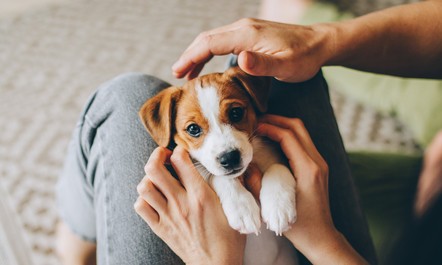
Bringing a new puppy into your home is a truly joyous occasion. Those first few weeks are filled with adorable antics, playful nips, and the undeniable charm that only a puppy can possess. But beyond the cuteness, a deeper process is unfolding – the forging of a bond that will shape your relationship for years to come. This bond isn't just about providing food and shelter; it's about creating a lasting connection built on trust, affection, and mutual understanding.
Have you ever felt that pang of worry, wondering if you're doing enough to truly connect with your new furry friend? Maybe you've seen other dogs and owners with an incredible connection and wondered how to achieve that level of closeness. It's natural to want that deep, loving relationship, but sometimes it feels like a puzzle with missing pieces.
This post will guide you through the fascinating world of puppy bonding. We'll explore the key ways puppies form attachments with their owners, providing practical tips and insights to help you nurture a strong and loving relationship with your new companion. From understanding their communication signals to creating positive associations, we'll cover the essential elements of building a lasting bond.
Building a strong bond with your puppy involves understanding their needs, using positive reinforcement, engaging in playful interactions, and providing consistent care. Key elements like scent, touch, and vocal communication play crucial roles. By focusing on creating positive experiences and fostering trust, you can develop a deep and lasting relationship with your new furry family member. This journey is all about understanding puppy bonding, puppy love, early socialization, and creating a happy, healthy relationship.
The Power of Positive Reinforcement
I remember when we brought our golden retriever puppy, Gus, home. He was a bundle of fluff and boundless energy, but house training was a struggle. Initially, I was frustrated with the accidents and felt like we weren't connecting. Then, I learned about the power of positive reinforcement. Instead of scolding him for mistakes, I started showering him with praise and tiny treats whenever he went potty outside. The change was remarkable! He quickly understood what we wanted, and our bond deepened as he realized that good things happened when he pleased us.
Positive reinforcement is all about rewarding desired behaviors. This could involve treats, praise, toys, or even just a gentle scratch behind the ears. The key is to make the experience positive and enjoyable for your puppy. When they associate you with good things, they'll naturally gravitate towards you and trust you more.
Think of it like this: would you rather work for a boss who constantly criticizes you or one who acknowledges your efforts and rewards your successes? Puppies are no different! By focusing on the positive, you create a learning environment that is both effective and fosters a strong emotional connection. Positive reinforcement is fundamental for puppy training, building trust, and ensuring a happy, well-adjusted dog. Furthermore, it reduces anxiety and promotes good behavior, thereby strengthening the emotional bond between you and your puppy. This method not only shapes the puppy's actions but also nurtures a relationship built on understanding and respect, which is essential for a lasting connection.
Scent: A Puppy's Superpower
Scent is a primary way puppies experience the world. Their sense of smell is far superior to ours, and they use it to identify individuals, navigate their environment, and even understand emotional states. A puppy's connection to their mother and littermates is largely based on scent, and this reliance on smell continues as they form bonds with their human family.
Your unique scent becomes a source of comfort and security for your puppy. Leaving a worn t-shirt or blanket with your scent in their crate can help ease anxiety and promote a sense of belonging. When you interact with your puppy, your scent becomes intertwined with positive experiences like feeding, playing, and cuddling.
Think about how your dog greets you at the door, enthusiastically sniffing you all over. They're not just being polite; they're gathering information and reaffirming their connection to you. By understanding the importance of scent, you can use it to strengthen your bond with your puppy. For example, using calming essential oils (dog-safe ones, of course) during cuddle time can create a positive scent association that will further enhance their sense of comfort and security when they're around you. Also, using your scent on training tools or toys can help your puppy feel more comfortable and confident during training sessions. Ultimately, leveraging scent in positive ways can significantly contribute to a puppy's overall well-being and create a lasting bond based on trust and familiarity.
The Myth of Instant Connection
There's a common misconception that puppies instantly bond with their owners the moment they arrive in their new home. While some puppies might seem to adapt quickly, the truth is that building a lasting bond takes time, patience, and consistent effort. The idea of instant connection can be traced back to romanticized depictions in popular culture, where the bond between a dog and its owner is often portrayed as immediate and unbreakable.
In reality, a puppy is leaving behind their mother, littermates, and familiar surroundings. They're entering a new world with unfamiliar sights, sounds, and smells. It's natural for them to feel anxious and insecure. Expecting an instant bond can set unrealistic expectations and lead to disappointment when the reality doesn't match the ideal.
The historical perspective of dog-human relationships also plays a role in this myth. In the past, dogs were primarily working animals, and the bond was often based on utility rather than emotional connection. As dogs became more integrated into family life, the expectation of a deeper emotional bond grew, sometimes leading to the belief that this connection should be immediate.
Understanding that bonding is a process, not an event, is crucial. It allows you to approach your relationship with your puppy with patience and empathy. Focus on creating positive experiences, building trust, and providing consistent care. Over time, these efforts will cultivate a strong and lasting bond that is far more rewarding than any instant connection could ever be. Recognize that a slow and steady approach, rooted in understanding and consistency, will ultimately result in a much stronger and more meaningful connection with your puppy.
The Hidden Secret: Consistency is Key
The "hidden secret" to puppy bonding isn't really a secret at all, but it's often overlooked in the excitement of bringing a new puppy home: consistency. Puppies thrive on routine and predictability. Knowing what to expect helps them feel safe and secure, which is essential for building trust and forming a strong bond.
Consistency extends to all aspects of your puppy's life, from feeding schedules and potty breaks to training commands and playtime routines. When you establish clear and consistent rules, your puppy learns what is expected of them, reducing confusion and anxiety. This consistency creates a sense of stability that allows them to relax and focus on building a relationship with you.
Inconsistent behavior, on the other hand, can be detrimental to the bonding process. If you sometimes allow your puppy on the couch but other times scold them for it, they'll become confused and unsure of what you want. This inconsistency can erode trust and make it difficult for your puppy to understand and respond to your commands.
Think of consistency as the foundation upon which your relationship is built. Just like a building needs a solid foundation to stand strong, your bond with your puppy needs the stability of consistent routines and expectations. By prioritizing consistency in your interactions and care, you'll create a safe and predictable environment that fosters trust, strengthens your bond, and sets the stage for a happy and fulfilling relationship with your furry friend. Moreover, it allows the puppy to quickly adapt to the new environment and start understanding your expectations, paving the way for a deeper and more meaningful connection.
Recommendations for Strengthening Your Bond
Building a strong bond with your puppy is an ongoing process, but there are several things you can do to nurture that connection and create a lasting relationship. Here are some recommendations: Dedicate Quality Time: Set aside dedicated time each day to interact with your puppy. This could involve playing fetch, going for walks, cuddling on the couch, or simply spending time together in the same room. Engage in Play: Play is a crucial part of puppy bonding. It allows you to interact with your puppy in a fun and engaging way, strengthening your connection and building trust. Experiment with different types of toys and games to find what your puppy enjoys most. Practice Training: Training is not just about teaching your puppy commands; it's also an opportunity to bond and communicate. Use positive reinforcement techniques to make training a positive experience for both of you. Provide Comfort and Security: Make sure your puppy feels safe and secure in their new home. Create a comfortable sleeping space, provide plenty of opportunities for socialization, and be there to comfort them when they're feeling scared or anxious. *Learn Their Language: Pay attention to your puppy's body language and vocalizations. Learning to understand their communication signals will help you better respond to their needs and strengthen your bond.
These recommendations are more than just tips; they're opportunities to create shared experiences and build a lasting connection with your puppy. By prioritizing quality time, engaging in play, practicing training, providing comfort, and learning their language, you'll be well on your way to developing a deep and loving relationship with your new furry friend. Remember, the key is to be present, patient, and responsive to your puppy's needs, and the bond will naturally blossom over time.
The Importance of Early Socialization
Early socialization is critical for a puppy's development and plays a significant role in their ability to form strong bonds with humans. During the critical socialization period (typically between 3 and 16 weeks of age), puppies are highly receptive to new experiences and learn to accept a wide range of people, places, and things.
Exposing your puppy to different sights, sounds, smells, and textures during this period helps them develop into well-adjusted and confident adults. It also reduces the likelihood of fear and aggression later in life. By introducing your puppy to a variety of positive experiences, you're essentially teaching them that the world is a safe and friendly place.
Socialization also involves interacting with other dogs. Supervised playdates with vaccinated and well-behaved dogs can help your puppy learn important social skills and develop appropriate canine communication.
The benefits of early socialization extend beyond just preventing behavioral problems. It also strengthens the bond between you and your puppy. When you take your puppy on adventures and introduce them to new experiences, they learn to trust you and rely on you for guidance and support. These shared experiences create lasting memories and deepen your connection.
Socialization doesn't have to be overwhelming. Start slowly and gradually introduce your puppy to new things. Always make sure the experiences are positive and enjoyable. If your puppy seems scared or anxious, back off and try again later. The goal is to create positive associations with new experiences, not to overwhelm them. A well-socialized puppy is a happier puppy, and a happier puppy is more likely to form a strong and loving bond with their human family.
Tips for Building a Lasting Bond
Building a lasting bond with your puppy is a marathon, not a sprint. It requires ongoing effort, patience, and a commitment to understanding and responding to your puppy's needs. Here are some additional tips to help you nurture your relationship: Be Patient: Puppies are still learning and developing. They will make mistakes. Be patient and understanding, and avoid getting frustrated. Be Consistent: As mentioned earlier, consistency is key. Stick to a routine and be consistent with your rules and expectations. Communicate Clearly: Use clear and simple commands that your puppy can understand. Avoid using complicated language or confusing signals. Be Affectionate: Show your puppy love and affection through cuddling, petting, and verbal praise. Respect Their Boundaries: Pay attention to your puppy's body language and respect their boundaries. If they're showing signs of stress or discomfort, give them space. Celebrate Milestones: Acknowledge and celebrate your puppy's achievements, no matter how small. This will boost their confidence and strengthen your bond.
These tips are designed to help you create a positive and supportive environment for your puppy. By being patient, consistent, communicative, affectionate, and respectful, you'll foster a relationship built on trust, understanding, and mutual affection. Remember that the bond you share with your puppy is a unique and special connection, so cherish every moment and enjoy the journey of growing together.
The Role of Touch in Bonding
Touch is a powerful tool for communication and bonding, especially with puppies. From the moment they're born, puppies rely on physical contact for comfort, security, and warmth. As they grow, touch continues to play a crucial role in their emotional development and their relationship with their human family.
Gentle petting, cuddling, and scratching can help calm a nervous puppy, reduce anxiety, and promote relaxation. Touch also releases endorphins, which have mood-boosting effects and can strengthen the bond between you and your puppy.
The way you touch your puppy can also communicate different messages. A firm pat on the back can be encouraging, while a gentle stroke can be soothing. Learning to understand your puppy's preferences and sensitivities can help you use touch effectively to communicate with them.
Not all puppies enjoy the same type of touch. Some puppies may love being hugged, while others may prefer a gentle scratch behind the ears. Pay attention to your puppy's body language to determine what type of touch they enjoy most. If they lean into your touch, they're likely enjoying it. If they pull away or stiffen, they may be uncomfortable.
Introducing touch gradually and positively is essential, especially with rescue dogs who may have had negative experiences with physical contact. Create a safe and comfortable environment and allow the puppy to initiate the touch. Building trust through positive interactions will make them more receptive to your affection over time. Touch is an integral part of the bonding process, as it creates a sense of security and strengthens the emotional connection between you and your furry companion.
Fun Facts About Puppy Bonding
Puppy bonding is a fascinating topic, and there are many fun and interesting facts to learn about the way puppies form connections with their human families. Here are a few: Puppies can recognize their owner's voice: Studies have shown that puppies can distinguish their owner's voice from other people's voices, even when they can't see them. Puppies mirror their owner's emotions: Research suggests that puppies can pick up on their owner's emotions and even mirror them. If you're feeling stressed, your puppy may become anxious as well. Puppies have a "love hormone": Just like humans, puppies release oxytocin, often referred to as the "love hormone," when they interact with their owners. This hormone promotes feelings of bonding and attachment. Puppies can form bonds with other animals: While the bond between a puppy and its owner is unique, puppies can also form strong bonds with other animals, including cats, other dogs, and even birds. *The bond between a puppy and its owner can last a lifetime: With proper care and attention, the bond you form with your puppy can last for the rest of their life, providing you with years of companionship, love, and joy.
These facts highlight the depth and complexity of the bond between puppies and their owners. Understanding these nuances can help you appreciate the unique connection you share with your furry friend and inspire you to nurture that relationship for years to come. Knowing that your puppy recognizes your voice, mirrors your emotions, and experiences the "love hormone" when they're with you reinforces the significance of creating positive and affectionate interactions.
How to Handle Separation Anxiety
Separation anxiety is a common issue that can affect puppies and impact their bond with their owners. It occurs when a puppy becomes excessively anxious or distressed when left alone. Symptoms can include excessive barking, destructive behavior, house soiling, and attempts to escape.
Addressing separation anxiety requires patience, understanding, and a proactive approach. Here are some strategies to help your puppy cope with being alone: Create a Safe Space: Provide your puppy with a comfortable and secure space where they feel safe when you're not around. This could be a crate, a dog bed, or a designated area in your home. Practice Short Departures: Start by leaving your puppy alone for short periods of time and gradually increase the duration. This helps them get used to being alone and reduces their anxiety. Provide Enrichment: Offer your puppy plenty of toys and activities to keep them entertained while you're away. Puzzle toys, chew toys, and interactive games can help prevent boredom and reduce anxiety. Avoid Making a Fuss: When leaving or returning home, avoid making a big fuss. Keep your departures and arrivals calm and matter-of-fact. *Consider Professional Help: If your puppy's separation anxiety is severe, consider seeking professional help from a veterinarian or a certified dog trainer.
Addressing separation anxiety is essential for maintaining a strong bond with your puppy. When your puppy feels secure and confident when left alone, it strengthens their trust in you and reduces their reliance on you for constant reassurance. This in turn leads to a more balanced and healthy relationship.
What If Bonding Doesn't Happen Immediately?
It's important to remember that every puppy is different, and bonding timelines can vary. Don't panic if you don't feel an immediate connection with your new puppy. Sometimes, it takes time for a bond to develop. There could be several reasons why bonding isn't happening as quickly as you hoped.
Perhaps your puppy came from a stressful environment, such as a shelter or a neglectful breeder. These puppies may need more time to learn to trust and feel secure. It's also possible that your puppy has a different personality or temperament than you expected. Some puppies are naturally more independent or reserved.
If you're concerned about the lack of bonding, focus on building trust and creating positive experiences for your puppy. Continue to provide consistent care, engage in playful interactions, and use positive reinforcement techniques. Be patient and understanding, and avoid putting pressure on your puppy to bond.
It's also helpful to reflect on your own behavior and expectations. Are you being consistent with your rules and routines? Are you providing your puppy with enough attention and affection? Are you managing your own stress and anxiety, which can affect your puppy's emotional state?
If you're still struggling to bond with your puppy, consider seeking guidance from a professional dog trainer or behaviorist. They can assess your situation and provide personalized advice and support. Remember, building a strong bond takes time and effort, but it's well worth the investment. The key is to remain patient, compassionate, and committed to creating a positive and loving environment for your puppy.
Top 5 Ways to Bond With Your Puppy: A Listicle
Here are five of the most effective ways to build a strong and lasting bond with your new puppy:
1.Training Time is Bonding Time: Positive reinforcement training sessions are amazing bonding experiences. Teaching your puppy new tricks or reinforcing basic commands allows you to communicate with them in a structured way while using rewards to promote trust and positive associations. This structured interaction is not just about obedience; it is about building a shared language and mutual respect.
2.Playtime Adventures: Games like fetch, tug-of-war, or hide-and-seek build connections. These activities stimulate your puppy's mind and allow them to expend energy in a fun and interactive environment. Varied and engaging playtime strengthens your bond by building positive associations with your presence.
3.Cuddle Sessions: Physical affection is a powerful way to bond. Gentle petting, scratching, and cuddling release endorphins and help your puppy feel safe and loved. Regularly incorporating cuddle sessions into your daily routine helps nurture a feeling of security and strengthens the emotional connection.
4.Shared Meals and Treats: Hand-feeding your puppy can create a strong connection. Instead of simply placing the food bowl down, offer small portions of their meal from your hand. This establishes you as the provider and enhances trust. Treats also reinforce good behavior and create positive interactions.
5.Explore the World Together: Take your puppy on new adventures. Expose them to different environments, sounds, and smells to broaden their horizons. The shared exploration encourages reliance and companionship, solidifying the bond between you.
These five strategies provide a well-rounded approach to puppy bonding, ensuring that your relationship is built on trust, positive experiences, and mutual enjoyment. By incorporating these practices into your daily life, you will foster a strong, lasting connection with your new furry friend, enriching both of your lives immensely.
Question and Answer
Here are some frequently asked questions about puppy bonding:Q: How long does it typically take for a puppy to bond with its owner?
A: The timeline for bonding varies from puppy to puppy. Some puppies may bond quickly within a few days, while others may take several weeks or even months. It depends on factors like the puppy's personality, past experiences, and the owner's efforts to build a connection.
Q: What are some signs that my puppy is bonding with me?
A: Signs of bonding include seeking your attention, following you around, cuddling, licking, wagging their tail when they see you, and showing signs of excitement when you're around.
Q: Can I do anything to speed up the bonding process?
A: Yes, you can actively work to strengthen your bond with your puppy by spending quality time together, engaging in play, practicing training, providing comfort and security, and learning their communication signals.
Q: What if my puppy seems more attached to one family member than others?
A: It's not uncommon for puppies to form a stronger bond with one person, especially if that person spends the most time with them and provides the majority of their care. However, you can encourage bonding with other family members by involving them in feeding, playtime, and training.
Conclusion of How Puppies Bond With Their Owners
Building a strong bond with your puppy is one of the most rewarding experiences of pet ownership. It requires patience, consistency, and a genuine commitment to understanding and responding to your puppy's needs. By focusing on creating positive experiences, providing consistent care, and fostering trust, you can develop a deep and lasting relationship that will bring you both years of joy and companionship. Remember that the bond you share with your puppy is a unique and special connection, so cherish every moment and enjoy the journey of growing together.
0 Response to "How Puppies Bond With Their Owners"
Post a Comment