Puppy-Friendly Outdoor Activities
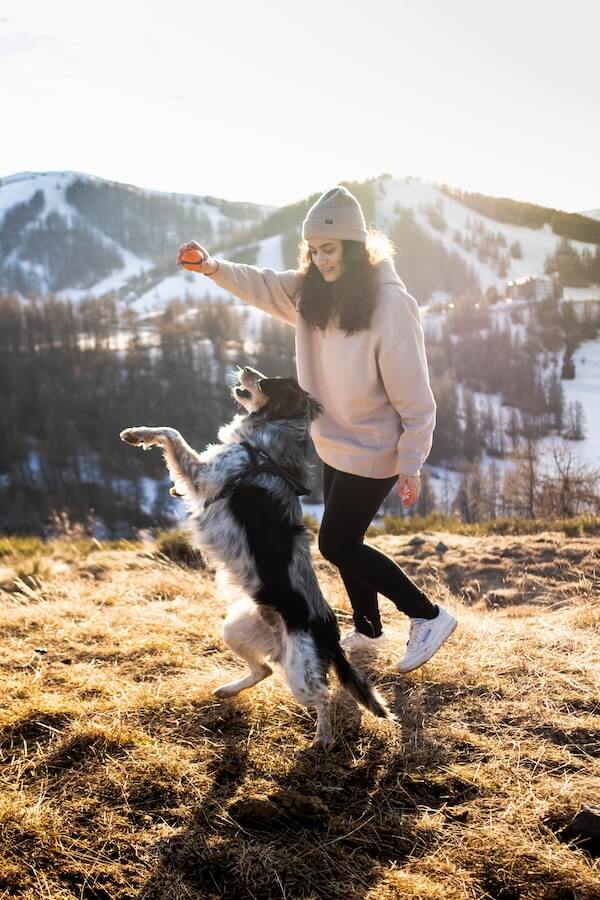
Bringing a new puppy into your life is an incredibly exciting time! Those tiny paws, that wet nose, and the boundless energy are guaranteed to bring joy. But as responsible pet parents, we quickly realize that all that energy needs an outlet. So, where do you start when you want to safely introduce your new furry friend to the great outdoors?
Finding the right activities for a puppy can feel overwhelming. You worry about their delicate paws, their developing immune system, and making sure they have a positive experience. You want to bond and create lasting memories, but also prioritize their safety and well-being.
This blog post is designed to guide new puppy owners through the world of puppy-friendly outdoor activities. We'll explore safe and fun options that cater to your puppy's needs and developmental stage. Get ready to embark on exciting adventures with your newest family member!
We'll be diving into various puppy-safe activities, emphasizing socialization, proper leash training, and the importance of choosing the right environments. We'll also discuss essential safety precautions, from vaccination schedules to recognizing signs of overexertion. Get ready to discover fun activities like puppy playdates, gentle hikes, and exploring local parks, all while ensuring your pup's well-being and fostering a strong bond. Think socialization, gentle exercise, outdoor fun, and puppy safety – it's all covered here!
Puppy Socialization in the Park
Puppy socialization is crucial for their development, and the park can be a fantastic place to start. I remember taking my own puppy, a fluffy Samoyed named Cloud, to the local park for the first time. I was nervous! I'd envisioned a perfect scene of her frolicking with other puppies, but I was also worried about her getting overwhelmed or even bullied. To my relief, it was a mostly positive experience. I kept her on a leash initially, allowing her to observe the other dogs from a safe distance. Gradually, I let her approach a couple of calmer, smaller dogs. The initial sniffs and tail wags were adorable! It taught me the importance of controlled introductions and closely monitoring her body language. If she seemed stressed or overwhelmed, I'd gently redirect her attention. The park offers a diverse range of stimuli – sights, sounds, and smells – that are essential for a puppy's development. However, it’s vital to ensure the park is safe and clean, and that other dogs are vaccinated and friendly. Always supervise your puppy closely and intervene if you notice any signs of aggression or discomfort. Socialization isn't just about playing with other dogs; it's about exposing your puppy to different people, objects, and environments in a positive way. This helps them develop into well-adjusted and confident adult dogs.
What is Puppy-Friendly Hiking?
Puppy-friendly hiking is all about adapting the activity to suit your puppy's age, physical capabilities, and developmental needs. It's not about tackling challenging trails or covering long distances. Instead, it's about gentle exploration and providing a stimulating and enriching experience for your young companion. A puppy's joints and bones are still developing, so it's crucial to avoid strenuous activities that could lead to injury. Start with short walks on flat, even terrain, gradually increasing the distance and difficulty as your puppy gets older and stronger. Carry plenty of water and offer it frequently, especially on warm days. Always keep your puppy on a leash to prevent them from wandering off or encountering potential hazards like wildlife or poisonous plants. Be mindful of the temperature and avoid hiking during the hottest parts of the day. Choose trails that offer shade and water sources. Pack a puppy-friendly first-aid kit in case of minor injuries. Puppy-friendly hiking is not just about physical exercise; it's also about mental stimulation. The sights, sounds, and smells of the natural environment provide a rich and engaging experience for your puppy, helping to develop their senses and problem-solving skills. Pay attention to your puppy's body language and stop if they seem tired or uncomfortable. Remember, the goal is to create a positive and enjoyable experience for both of you.
The History and Myth of Puppy Training Classes
The concept of puppy training classes has evolved significantly over time. Historically, dog training methods often relied on punishment and dominance-based techniques. These approaches were based on the misconception that dogs need to be dominated and controlled. However, modern training methods emphasize positive reinforcement, focusing on rewarding desired behaviors rather than punishing unwanted ones. The myth that puppies are too young to train is also outdated. Puppies can start learning basic commands and socialization skills as early as eight weeks old. Early socialization is crucial for preventing behavioral problems later in life. Puppy training classes provide a structured environment for socialization and training, allowing puppies to interact with other dogs and people under the guidance of a qualified instructor. These classes also teach owners how to communicate effectively with their puppies and establish a strong bond based on trust and mutual respect. While some may believe that training classes are only necessary for "problem" dogs, the truth is that all puppies can benefit from them. Training classes provide a foundation for good behavior and help puppies develop into well-adjusted and responsible members of society. The key is to find a class that uses positive reinforcement methods and is tailored to the specific needs of your puppy. Remember, training is an ongoing process, and consistency is key to success.
The Hidden Secret of a Good Puppy Leash
The hidden secret to a good puppy leash is understanding that it's more than just a restraint; it's a communication tool. Choosing the right leash can make a significant difference in your puppy's comfort and training progress. A lightweight leash, typically made of nylon or cotton, is ideal for puppies. Avoid heavy chains or retractable leashes, which can be difficult for puppies to manage and can pose safety hazards. The length of the leash is also important. A 4-6 foot leash is generally recommended for training and walking. This length allows your puppy enough freedom to explore while still allowing you to maintain control. The way you hold the leash is also crucial. Avoid gripping the leash tightly, as this can create tension and anxiety in your puppy. Instead, hold the leash loosely and allow your puppy to move freely while still maintaining contact. The leash should be used as a gentle guide, not as a tool for punishment or control. Positive reinforcement techniques, such as rewarding your puppy for walking nicely on the leash, can be highly effective. Leash training is an essential skill for all puppies. It allows you to safely explore the world together and provides opportunities for socialization and exercise. By choosing the right leash and using it effectively, you can create a positive and enjoyable experience for both you and your puppy.
Recommendations for Puppy-Friendly Playdates
When it comes to puppy-friendly playdates, careful planning and supervision are key to ensuring a positive experience for all involved. Start by choosing playmates that are similar in size, temperament, and energy level to your puppy. Avoid pairing a small, timid puppy with a large, boisterous one, as this could lead to fear or injury. Before the playdate, make sure that all puppies are vaccinated and dewormed to prevent the spread of disease. Choose a safe and enclosed location for the playdate, such as a fenced backyard or a designated dog park area. Remove any potential hazards, such as small objects that could be swallowed or toxic plants. Introduce the puppies slowly and allow them to sniff and greet each other at their own pace. Supervise the playdate closely and intervene if you notice any signs of aggression or discomfort. Provide plenty of water and take breaks as needed. Keep the playdate short, especially for young puppies who may tire easily. End the playdate on a positive note by separating the puppies before they become overly tired or stimulated. After the playdate, monitor your puppy for any signs of illness or injury. Puppy-friendly playdates are a valuable opportunity for socialization and learning. They allow puppies to develop social skills, learn how to interact with other dogs, and burn off energy. By following these recommendations, you can create a safe and enjoyable playdate experience for your puppy.
Understanding Puppy Vaccination Schedules
Puppy vaccination schedules are a critical aspect of ensuring your puppy's health and well-being. Understanding the recommended vaccination schedule and the diseases they protect against is essential for responsible pet ownership. The core vaccines for puppies typically include those that protect against canine distemper, adenovirus (hepatitis), parvovirus, and rabies. These diseases can be life-threatening, especially in young puppies. The vaccination schedule usually starts at around 6-8 weeks of age and continues every 2-4 weeks until the puppy is 16 weeks old. This is because puppies receive antibodies from their mother's milk, which can interfere with the effectiveness of vaccines. The multiple doses of vaccines help to ensure that the puppy develops adequate immunity. In addition to the core vaccines, your veterinarian may recommend other vaccines based on your puppy's lifestyle and geographic location. These may include vaccines for Bordetella (kennel cough), Lyme disease, and leptospirosis. It's important to discuss your puppy's individual needs with your veterinarian to determine the most appropriate vaccination schedule. Keep accurate records of your puppy's vaccinations and boosters. These records will be important for boarding, grooming, and travel purposes. Vaccination is a safe and effective way to protect your puppy from serious diseases. By following the recommended vaccination schedule, you can help ensure that your puppy lives a long and healthy life.
Essential Tips for Puppy Water Safety
Water can be a source of great fun for puppies, but it also presents potential dangers. Ensuring your puppy's safety around water is crucial, whether you're at the beach, the pool, or even just the bathtub. Never leave your puppy unattended near water. Even shallow water can be dangerous for a small puppy who may not be able to swim or may get disoriented. Introduce your puppy to water gradually and positively. Start with shallow water and allow them to explore at their own pace. Use positive reinforcement, such as treats and praise, to encourage them. Don't force your puppy into the water, as this could create fear and anxiety. Teach your puppy basic swimming skills. Start in shallow water and support their body while they paddle. Gradually increase the depth of the water as they become more confident. Make sure your puppy knows how to get out of the water. Show them the location of the steps or the edge of the pool. Consider using a puppy-sized life jacket, especially if you're going boating or swimming in deep water. A life jacket can provide extra buoyancy and help keep your puppy safe. Rinse your puppy off with fresh water after swimming in saltwater or chlorinated water. This will help prevent skin irritation. Always supervise your puppy closely when they're around water and be prepared to intervene if necessary. Water safety is an essential aspect of responsible pet ownership. By following these tips, you can help ensure that your puppy enjoys the water safely and responsibly.
Recognizing Signs of Overexertion in Puppies
Puppies are full of energy, but they're also prone to overexertion. Recognizing the signs of overexertion is crucial for preventing injuries and ensuring your puppy's well-being. Puppies have a lot of energy but also have a lot of growing parts that are soft and still growing. Excessive running, jumping, and playing can cause stress and trauma on these soft joints. Common signs of overexertion in puppies include excessive panting, drooling, and lagging behind on walks. Your puppy might start slowing down more and more as the walk continues. It's always a good idea to bring a lightweight stroller or crate in case your puppy gets too tired. They may also appear tired, listless, or reluctant to move. Some puppies may even collapse or faint if they're pushed too hard. Pay close attention to your puppy's body language and stop the activity immediately if you notice any of these signs. Offer your puppy water and allow them to rest in a cool, shady place. Avoid strenuous activities during the hottest parts of the day. Choose puppy-friendly activities that are appropriate for their age and physical capabilities. Consult with your veterinarian if you have any concerns about your puppy's activity level. Remember, it's better to err on the side of caution and allow your puppy to rest than to push them too hard and risk injury. By recognizing the signs of overexertion, you can help ensure that your puppy stays safe and healthy while enjoying outdoor activities. Proper care is always better than a visit to the vet.
Fun Facts About Puppy Noses
A puppy's nose is an amazing sensory organ, packed with fascinating features and capabilities. Did you know that each puppy's nose print is unique, just like a human fingerprint? This unique characteristic can be used for identification purposes. Puppies have a much stronger sense of smell than humans. It's estimated that they can detect scents that are 10,000 to 100,000 times weaker than what humans can smell. This incredible sense of smell is due to the presence of millions of olfactory receptors in their noses. Puppies can also smell in stereo, meaning they can detect the direction from which a scent is coming. This ability helps them to track down prey or locate objects. A healthy puppy nose is typically moist and cool to the touch. This moisture helps to trap scent particles and enhance their ability to smell. The ridges and grooves on a puppy's nose also play a role in scent detection. These ridges increase the surface area of the nose, allowing for more scent particles to be captured. Puppies use their noses to explore the world around them. They sniff everything, from other dogs to trees to fire hydrants. This sniffing behavior helps them to gather information about their environment and communicate with other dogs. The puppy nose is an incredibly important and unique sensory organ. By understanding its capabilities, we can better appreciate the world from a puppy's perspective.
How to Teach a Puppy "Leave It"
Teaching your puppy the "Leave It" command is an essential skill that can help prevent them from getting into trouble. This command teaches your puppy to ignore something that they find interesting or potentially dangerous. Start by holding a treat in your closed hand and showing it to your puppy. As your puppy tries to get the treat, say "Leave It" in a firm voice. Once your puppy stops trying to get the treat, immediately reward them with a different treat from your other hand. Repeat this process several times, gradually increasing the duration that your puppy must ignore the treat in your hand before receiving the reward. Once your puppy understands the concept of "Leave It" with the treat in your hand, you can start practicing with other objects. Place an object on the floor and cover it with your hand. Say "Leave It" and reward your puppy when they stop trying to get to the object. Gradually remove your hand and continue to reward your puppy for ignoring the object. You can also use the "Leave It" command in real-life situations, such as when your puppy tries to pick up something they shouldn't. Say "Leave It" and redirect their attention to a toy or treat. Consistency is key when teaching the "Leave It" command. Practice regularly and use the command in a variety of situations. With patience and persistence, your puppy will learn to "Leave It" and avoid potential dangers. This command is not just about obedience; it's about keeping your puppy safe.
What if Your Puppy Gets Scared Outdoors?
Even with careful planning, puppies can sometimes get scared outdoors. It's important to know how to respond in these situations to help your puppy feel safe and secure. The first thing to do is remain calm yourself. Your puppy will pick up on your emotions, so if you're anxious or scared, they'll be more likely to feel the same way. Speak to your puppy in a soothing and reassuring voice. Avoid yelling or getting angry, as this will only make them more scared. If possible, remove your puppy from the scary situation. Gently guide them away from the source of their fear and find a quiet, safe place to rest. If you can't remove your puppy, try to create a barrier between them and the source of their fear. This could be as simple as turning your back or using your body to block their view. Offer your puppy a treat or a favorite toy to distract them. Positive reinforcement can help them associate the scary situation with something positive. Don't force your puppy to confront their fear. This could make them even more scared and create a negative association with the outdoors. Instead, allow them to approach the situation at their own pace. Once your puppy is calm, gradually reintroduce them to the outdoors in a controlled and positive way. By responding calmly and reassuringly, you can help your puppy overcome their fears and enjoy the outdoors.
A Listicle of Puppy-Friendly Outdoor Games
Looking for fun and engaging outdoor games to play with your puppy? Here's a listicle of puppy-friendly options that will keep them entertained and help them burn off energy: 1. Fetch: A classic game that's great for puppies of all ages. Use a soft toy or a puppy-safe ball and encourage your puppy to retrieve it.
2. Hide-and-Seek: Hide a treat or a toy and encourage your puppy to find it. This game is great for stimulating their sense of smell and problem-solving skills.
3. Bubble Chase: Blow bubbles and let your puppy chase them. This is a fun and visually stimulating game that's sure to get them excited.
4. Tug-of-War: A gentle game of tug-of-war is a great way to bond with your puppy. Use a soft rope toy and let them tug for a few minutes at a time.
5. Obstacle Course: Create a simple obstacle course using household items, such as cones, tunnels, and jumps. This is a great way to challenge your puppy and improve their coordination.
6. Scent Work: Hide treats or toys in different locations and encourage your puppy to find them using their nose. This is a great way to stimulate their mind and body.
7. Water Play: On a hot day, set up a kiddie pool or a sprinkler and let your puppy splash around. This is a fun way to cool them off and provide them with some exercise. Remember to always supervise your puppy during outdoor games and adjust the activities to their age and physical capabilities. With a little creativity, you can create a variety of fun and engaging outdoor games that will keep your puppy happy and healthy.
Question and Answer about Puppy-Friendly Outdoor Activities
Q: At what age can I start taking my puppy outside?
A: You can start taking your puppy outside as soon as your veterinarian has given them the green light, typically after their first round of vaccinations (around 8 weeks old). However, it's important to choose safe and clean environments and avoid areas frequented by other dogs until they are fully vaccinated.
Q: How long should my puppy's outdoor walks be?
A: Start with short walks, no more than 5-10 minutes at a time, and gradually increase the duration as your puppy gets older and stronger. Pay attention to their body language and stop if they seem tired or uncomfortable.
Q: What are some essential items to bring on a puppy walk?
A: Always bring water, a collapsible bowl, poop bags, treats, a leash, a harness (instead of a collar), and a puppy-friendly first-aid kit.
Q: How can I protect my puppy from ticks and fleas outdoors?
A: Talk to your veterinarian about appropriate tick and flea prevention medications for puppies. Also, check your puppy for ticks after every walk, especially in wooded areas.
Conclusion of Puppy-Friendly Outdoor Activities
Raising a puppy is a journey filled with joy, challenges, and unforgettable moments. By embracing puppy-friendly outdoor activities, you're not only providing essential exercise and socialization but also building a strong and lasting bond with your furry friend. Remember to prioritize safety, adapt activities to your puppy's needs, and most importantly, have fun! With a little planning and preparation, you and your puppy can create a lifetime of happy outdoor adventures.
0 Response to "Puppy-Friendly Outdoor Activities"
Post a Comment