How to Prepare for a New Puppy Arrival
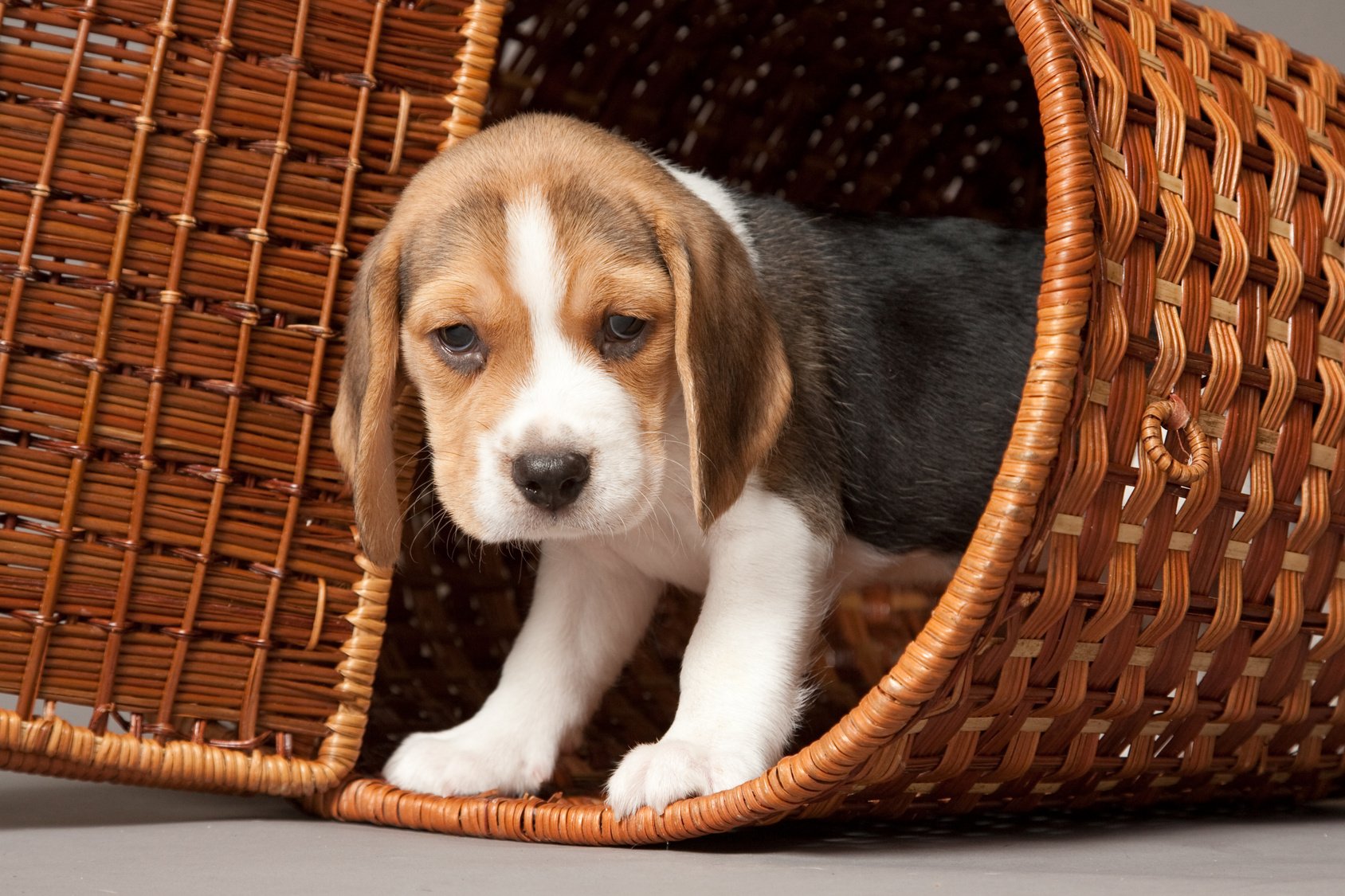
The pitter-patter of tiny paws, the playful nips, the unconditional love – bringing a new puppy home is an incredibly exciting experience! But before you get swept away by the cuteness, remember that a little preparation goes a long way in ensuring a smooth transition for both you and your furry friend.
Many new pet parents find themselves overwhelmed in the first few weeks. Unexpected accidents, sleepless nights, and the constant demands of a tiny creature can quickly turn the dream of puppy ownership into a chaotic reality. This doesn't have to be your story!
This guide will walk you through everything you need to do to prepare for your new puppy's arrival, from puppy-proofing your home to gathering essential supplies and establishing a routine. Let's make those first few weeks happy and stress-free for everyone involved!
Preparing for a new puppy involves creating a safe and comfortable environment, stocking up on necessary supplies like food, toys, and bedding, and establishing a routine for feeding, potty breaks, and training. A well-prepared home and owner can significantly reduce stress for the puppy and ease the transition into its new family. Key areas include puppy-proofing, setting up a designated puppy zone, and researching basic training techniques and early socialization. By focusing on these key areas, you'll be setting yourself and your puppy up for success.
Creating a Safe Puppy Zone
The aim here is to provide your puppy with a designated, safe space where they can relax, sleep, and feel secure. It's their personal haven in a new and potentially overwhelming environment.
I remember when we brought our Golden Retriever, Gus, home. We thought we were prepared. We had a crate, a bed, some toys. But the first night was a disaster. Gus cried and whined, and we ended up letting him sleep in our bed. While that was comforting in the short term, it quickly established a habit we regretted! We soon realized we hadn't created a proper "puppy zone" where he felt truly comfortable. We rectified this by placing his crate in a quieter part of the house, covering it with a blanket to create a den-like atmosphere, and adding a soft, comforting toy that smelled like his littermates. We also spent time just sitting near the crate, talking to him and offering treats, so he associated it with positive experiences.
A good puppy zone should include a comfortable bed, food and water bowls, and a few safe toys. It should be in a relatively quiet area, away from heavy foot traffic. A crate can be an excellent addition, providing a sense of security and aiding in house training. Make sure the crate is appropriately sized for your puppy – not too big, not too small. The goal is to create a space that feels like a den, a place where your puppy can retreat when they feel overwhelmed or tired. Introduce the puppy zone gradually, never forcing your puppy inside. Use positive reinforcement, like treats and praise, to encourage them to explore and settle in. A safe and welcoming puppy zone will dramatically reduce anxiety and promote a sense of security for your new furry friend.
Essential Puppy Supplies Checklist
This is about gathering all the tools and resources you need to care for your puppy's basic needs and start their training journey. Think of it as your puppy starter pack!
Having the right supplies on hand before your puppy arrives is essential. This includes high-quality puppy food appropriate for their breed and age, food and water bowls (preferably stainless steel or ceramic), a comfortable bed, a crate (if you plan on crate training), a leash and collar, puppy shampoo, a brush, nail clippers, enzymatic cleaner for accidents, and a variety of toys. Don't forget puppy training treats and poop bags! Research different types of toys and choose a selection that will keep your puppy entertained and mentally stimulated. Puzzle toys, chew toys, and soft plush toys are all great options. Having these supplies ready will allow you to focus on bonding with your puppy and establishing a routine from day one. It also minimizes the stress of having to run to the store constantly in those early days.
Remember to introduce each item gradually and positively. Let your puppy sniff and explore their new bed, collar, and leash before expecting them to use them. Positive reinforcement is key to creating positive associations with these essential items. A well-stocked home ensures you can meet your puppy's needs and provide a comfortable and enriching environment.
The History and Myth of Puppy-Proofing Your Home
The aim here is to create a safe environment for your puppy, free from hazards they might chew on, swallow, or otherwise get into trouble with. It's about anticipating their curiosity and protecting them from potential dangers.
The concept of "puppy-proofing" your home isn't new; it's been around for as long as people have been bringing puppies into their homes. In the past, methods were often less sophisticated, relying more on trial and error. The myth that puppies will "learn" through negative experiences – like chewing on a valuable object and then being scolded – is thankfully becoming outdated. We now understand that positive reinforcement and preventative measures are much more effective and humane.
Puppy-proofing involves removing anything that could be harmful to your puppy. This includes electrical cords, medications, cleaning supplies, poisonous plants, and small objects that could be swallowed. Secure loose rugs to prevent slipping, and consider using baby gates to restrict access to certain areas of the house. Think like a puppy! Get down on their level and look for potential hazards they might encounter. Store all chemicals and medications out of reach, preferably in locked cabinets. Electrical cords should be covered or tucked away. Be especially mindful of toxic plants, as many common houseplants can be poisonous to dogs. If you're unsure, consult a veterinarian or do some online research. Puppy-proofing your home is an ongoing process. As your puppy grows and their curiosity expands, you'll need to reassess and adjust your preventative measures accordingly. A safe home is a happy home, and a healthy puppy is a happy puppy!
Unveiling the Hidden Secrets of Early Socialization
The core target is to gently introduce your puppy to various sights, sounds, people, and other animals in a safe and controlled manner, to help them grow into a well-adjusted and confident adult dog.
The "hidden secret" of early socialization isn't really a secret at all, but rather an often-underestimated aspect of puppy development. Many owners focus solely on obedience training, neglecting the crucial role socialization plays in shaping a dog's temperament. Early socialization isn't just about playing with other puppies; it's about exposing your puppy to a wide range of experiences in a positive way.
The critical period for socialization is generally between 3 and 16 weeks of age. During this time, puppies are highly receptive to new experiences and are less likely to develop fear-based reactions. Introduce your puppy to different sights, sounds, people of all ages and ethnicities, and other animals (if they are vaccinated and healthy). Make these experiences positive by offering treats and praise. Take your puppy for short walks in different environments, expose them to car rides, and let them meet new people in a controlled setting. Avoid overwhelming your puppy with too much too soon. Start with small, manageable exposures and gradually increase the intensity as they become more comfortable. If your puppy shows signs of fear or anxiety, back off and try again later at a slower pace. A well-socialized puppy is less likely to develop behavioral problems like fear aggression or anxiety later in life. Early socialization is an investment in your dog's future well-being and will make them a happier, more confident companion.
The Ultimate Recommendation: Positive Reinforcement Training
The purpose is to encourage desired behaviors in your puppy by rewarding them with treats, praise, or toys, rather than punishing unwanted behaviors. It's about building a positive relationship based on trust and understanding.
My ultimate recommendation for a smooth transition with your new puppy is to embrace positive reinforcement training from day one. Forget outdated methods that rely on punishment or dominance. Positive reinforcement is not only more effective, but it's also kinder and builds a stronger bond between you and your puppy. The science is clear: dogs learn best when they are rewarded for doing things right, rather than punished for doing things wrong.
Positive reinforcement involves rewarding your puppy with treats, praise, or toys when they exhibit desired behaviors. For example, if your puppy sits when you ask them to, immediately reward them with a treat and verbal praise. This teaches them that sitting is a rewarding behavior. Keep training sessions short, fun, and positive. Avoid getting frustrated or angry if your puppy doesn't understand something right away. Be patient, consistent, and use clear and simple commands. Enrolling in a puppy obedience class is a great way to learn positive reinforcement techniques and socialize your puppy with other dogs. Remember that positive reinforcement is not about bribery; it's about creating positive associations with desired behaviors. By focusing on rewarding good behavior, you'll build a strong, trusting relationship with your puppy and set them up for success.
Understanding Breed-Specific Needs
Delving deeper into this aspect involves researching the specific traits and characteristics of your puppy's breed (or breed mix) to understand their unique needs in terms of exercise, grooming, and potential health issues. This allows you to tailor your approach to their individual requirements.
Every breed has its own distinct personality, energy level, and potential health concerns. A Border Collie, for example, will require significantly more exercise and mental stimulation than a Bulldog. Similarly, a Poodle will need regular grooming to prevent matting, while a Labrador Retriever may be prone to hip dysplasia. Understanding these breed-specific needs is crucial for providing the best possible care for your puppy.
Do your research! Read books, articles, and online resources about your puppy's breed. Talk to breeders, veterinarians, and other owners of the same breed. Learn about their typical temperament, exercise requirements, grooming needs, and potential health problems. Tailor your puppy's diet, exercise routine, and grooming schedule to their specific needs. For example, if you have a high-energy breed, make sure they get plenty of exercise and mental stimulation to prevent boredom and destructive behaviors. If you have a breed prone to certain health issues, talk to your veterinarian about preventative measures. Ignoring breed-specific needs can lead to behavioral problems, health issues, and an unhappy puppy. By taking the time to understand your puppy's breed, you'll be able to provide them with the care they need to thrive.
Top 5 Tips for a Smooth Transition
The target here is to offer practical, actionable advice that new puppy owners can immediately implement to minimize stress and ensure a positive experience for both themselves and their new furry friend.
Bringing a puppy home is a big adjustment, but with a little preparation, you can make the transition smoother for everyone involved. Here are my top five tips:
1.Establish a Routine: Puppies thrive on routine. Set a consistent schedule for feeding, potty breaks, playtime, and bedtime. This will help them feel secure and confident in their new environment.
2.Potty Training Patience: Accidents are inevitable. Clean them up without scolding and take your puppy outside frequently, especially after waking up, eating, and playing. Reward them with praise and treats when they potty outside.
3.Crate Training Comfort: If you're crate training, introduce the crate gradually and make it a positive experience. Never use the crate as punishment.
4.Supervise, Supervise, Supervise: Keep a close eye on your puppy, especially during the first few weeks. This will help prevent accidents and allow you to redirect unwanted behaviors.
5.Socialization Starts Now: Expose your puppy to different sights, sounds, and people in a positive way. This will help them grow into a well-adjusted and confident dog.
Remember, patience and consistency are key. It takes time for a puppy to adjust to a new home and learn the rules. With a little love and understanding, you'll build a strong bond with your new furry friend and enjoy many happy years together.
Addressing Common Puppy Problems
This involves proactively anticipating and preparing for common issues like biting, chewing, and excessive barking, and having strategies in place to manage them effectively. This will prevent frustration and ensure your new puppy is well behaved.
Puppy biting, chewing, and barking are all normal behaviors, but they can be frustrating for new owners. The key is to understand why these behaviors occur and have strategies in place to manage them effectively. Puppy biting is often a way for puppies to explore their environment and relieve teething pain. Redirect their biting onto appropriate chew toys. If they bite you, say "ouch" firmly and withdraw your attention. Chewing is another natural behavior for puppies. Provide them with a variety of chew toys and rotate them regularly to keep them interested. Make sure to puppy-proof your home to prevent them from chewing on things they shouldn't. Excessive barking can be caused by a variety of factors, including boredom, anxiety, or territoriality. Identify the cause of the barking and address it accordingly. Provide your puppy with plenty of exercise and mental stimulation to prevent boredom. If they're barking due to anxiety, consult with a veterinarian or certified dog trainer. Never punish your puppy for barking, as this can make the problem worse.
Remember that patience and consistency are key when dealing with common puppy problems. It takes time for a puppy to learn the rules, but with the right approach, you can effectively manage these behaviors and build a strong, positive relationship with your furry friend.
Fun Facts About Puppy Development
The intent here is to share interesting and surprising facts about how puppies grow and develop, enhancing the reader's understanding and appreciation of their new furry companion.
Did you know that puppies are born blind and deaf? It's true! They rely entirely on their sense of smell and touch for the first few weeks of their lives. Their eyes and ears gradually open as they develop, but their senses are still not fully developed until several weeks later. Another fun fact: puppies sleep a lot! They need up to 20 hours of sleep a day to support their rapid growth and development. Don't be surprised if your puppy spends most of the day napping. It's perfectly normal.
Puppies also have a fascinating way of communicating. They use a combination of vocalizations, body language, and scent to communicate with each other and with humans. Pay attention to your puppy's body language to understand what they're trying to tell you. A wagging tail doesn't always mean they're happy. It can also indicate excitement, anxiety, or even aggression. Puppies also go through a rapid period of learning during their first few months of life. This is the best time to start training and socialization. They are like sponges, soaking up new information and experiences. Take advantage of this critical period to teach them good manners and expose them to a variety of sights, sounds, and people. Understanding these fun facts about puppy development can help you appreciate your new furry friend even more and provide them with the best possible care.
How to Choose the Right Puppy Food
The purpose is to give people all the information they need to make an informed decision about choosing a puppy food that is best for their furry friend.
Selecting the right puppy food is a crucial decision that directly impacts your puppy's health and development. Puppies have different nutritional needs than adult dogs. They need a diet that is rich in protein, fat, and calcium to support their rapid growth and development. Look for a puppy food that is specifically formulated for puppies and meets the nutritional standards established by the Association of American Feed Control Officials (AAFCO).
Read the ingredient list carefully. The first few ingredients should be high-quality protein sources, such as meat, poultry, or fish. Avoid foods that contain fillers, artificial colors, flavors, or preservatives. Consider your puppy's breed and size when choosing a food. Small-breed puppies need a food that is formulated to meet their higher metabolic rate, while large-breed puppies need a food that is formulated to prevent rapid growth, which can lead to joint problems. Talk to your veterinarian about the best food for your puppy. They can recommend a food that meets your puppy's specific needs and help you determine the appropriate feeding amount. Transition to the new food gradually over several days to avoid digestive upset. Choosing the right puppy food is an investment in your puppy's long-term health and well-being.
What If Your Puppy Has Separation Anxiety?
The aim is to help people understand what happens when their puppy has separation anxiety, and to give them tools to help their furry friend deal with it.
Separation anxiety can be a challenging issue for both puppies and their owners. It occurs when a puppy becomes distressed when left alone or separated from their owner. Signs of separation anxiety can include excessive barking, howling, chewing, scratching, and even urinating or defecating indoors. If you suspect your puppy has separation anxiety, it's important to address the issue promptly. Start by creating a safe and comfortable environment for your puppy when you're away. Leave them with a favorite toy or chew toy, and consider using a calming aid, such as a pheromone diffuser. Gradually increase the amount of time you leave your puppy alone. Start with short absences, such as a few minutes, and gradually increase the duration as your puppy becomes more comfortable. Avoid making a big fuss when you leave or return. This can increase your puppy's anxiety. Instead, act calm and matter-of-fact. Consider seeking professional help from a veterinarian or certified dog trainer. They can help you develop a customized treatment plan to address your puppy's specific needs.
In severe cases, medication may be necessary. Remember that patience and consistency are key when dealing with separation anxiety. It takes time for a puppy to learn to be comfortable alone. With the right approach, you can help your puppy overcome their separation anxiety and enjoy a happy, well-adjusted life.
Top 10 Items You Need For Your New Pup
The object here is to share a list of necessary items you may need for your new furry friend, and to give a little more information about those items.
Here is the top 10 Items you may need for your new pup:
1. High-Quality Puppy Food. Choose a food that is specifically formulated for puppies and meets their nutritional needs.
2. Food and Water Bowls. Stainless steel or ceramic bowls are best.
3. Comfortable Bed. Provide a cozy and comfortable place for your puppy to sleep.
4. Crate (if crate training). A crate can provide a sense of security and aid in house training.
5. Leash and Collar. Choose a lightweight leash and collar that fits properly.
6. Puppy Shampoo. Use a gentle puppy shampoo to keep your puppy clean.
7. Brush. Regular brushing helps to remove loose hair and prevent matting.
8. Nail Clippers. Trim your puppy's nails regularly to prevent them from becoming overgrown.
9. Enzymatic Cleaner. This is essential for cleaning up accidents.
10. Toys. Provide a variety of toys to keep your puppy entertained and mentally stimulated.
Having these supplies on hand before your puppy arrives will make the transition much smoother for both you and your new furry friend.
Question and Answer About How to Prepare for a New Puppy Arrival
Here are some common questions and answers about how to prepare for a new puppy's arrival:
Q: When should I start preparing for my new puppy?
A: Ideally, you should start preparing several weeks before your puppy arrives. This will give you time to puppy-proof your home, gather essential supplies, and establish a routine.
Q: What are the most important things to puppy-proof?
A: Focus on removing or securing anything that could be harmful to your puppy, such as electrical cords, medications, cleaning supplies, poisonous plants, and small objects that could be swallowed.
Q: How do I choose the right crate for my puppy?
A: Choose a crate that is appropriately sized for your puppy – not too big, not too small. The goal is to create a space that feels like a den, a place where your puppy can retreat when they feel overwhelmed or tired.
Q: How can I make the first night easier for my puppy?
A: Create a comfortable and secure puppy zone, provide a soft bed and a few toys, and stay close to your puppy during the first night. You can also place a ticking clock or a warm water bottle in the bed to mimic the heartbeat and warmth of their mother.
Conclusion of How to Prepare for a New Puppy Arrival
Bringing a new puppy into your life is a joyous and rewarding experience. By taking the time to prepare your home, gather essential supplies, and establish a routine, you can create a smooth and positive transition for both you and your furry friend. Remember to be patient, consistent, and loving, and you'll build a strong bond with your new puppy that will last a lifetime.
0 Response to "How to Prepare for a New Puppy Arrival"
Post a Comment