Understanding Your Puppy’s Growth Stages
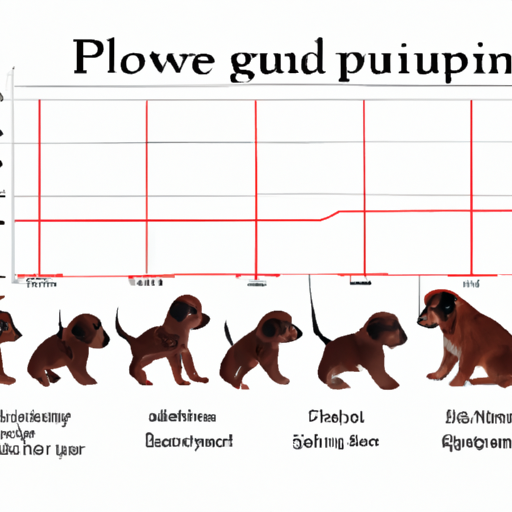
Bringing a puppy into your life is like opening a door to a world of wet noses, wagging tails, and boundless energy. But amidst all the adorable moments, understanding how your little furball develops is key to ensuring they grow into a happy, healthy, and well-adjusted dog.
Ever feel like your puppy's behavior is changing overnight? One day they're cuddly and sleepy, the next they're chewing everything in sight and refusing to listen. It's easy to get overwhelmed trying to keep up with their rapidly evolving needs and wondering if you're doing everything right. Are they eating enough? Are they being properly socialized? Is this phase normal, or should you be concerned?
This guide is here to illuminate the different stages of puppyhood, from the moment they open their eyes to the brink of adulthood. We'll break down the key developmental milestones, behavioral changes, and specific needs of each stage, equipping you with the knowledge to navigate puppyhood with confidence and provide the best possible care for your new best friend.
By understanding the various growth stages – neonatal, transitional, socialization, juvenile, and adolescence – you can anticipate your puppy's changing needs, address potential challenges proactively, and build a strong, lasting bond. We'll cover everything from nutritional requirements and socialization tips to training techniques and common behavioral issues, ensuring you have the tools to support your puppy's healthy development every step of the way. This knowledge will empower you to become a more informed and responsive pet parent.
Neonatal Stage (Birth to 2 Weeks)
This is where it all begins! I remember bringing home my Golden Retriever puppy, Charlie. He was so tiny and helpless, all he did was eat, sleep, and cuddle with his mom. Watching him during those first couple of weeks was an incredible experience. He was completely dependent on his mother for everything, from warmth and nourishment to stimulation for urination and defecation. This stage is critical for survival, as the puppy's senses are not fully developed. They can't see or hear well, relying primarily on smell and touch to navigate their world. This is the neonatal stage, and it's all about survival and bonding. The mother dog plays a vital role, providing essential antibodies through her milk, which helps protect the puppies from diseases. This stage emphasizes the importance of a clean and comfortable environment for the mother and her pups, minimizing stress and ensuring proper care. A key focus is ensuring the puppies are gaining weight steadily and are free from any signs of illness. These foundational weeks set the stage for healthy development throughout the puppy's life. This stage truly highlights the delicate nature of early life and the profound connection between mother and offspring. During this period, human interaction should be minimal, primarily focusing on maintaining a clean and quiet environment for the mother and pups.
Transitional Stage (2 to 4 Weeks)
The transitional stage marks a period of rapid sensory and motor development. Puppies begin to open their eyes and ears, gradually becoming more aware of their surroundings. They start to move around more, taking wobbly steps and exploring their immediate environment. This stage is crucial for developing their motor skills and coordination. As their senses sharpen, they become more responsive to light, sound, and movement. Social interaction with littermates also begins to increase, laying the groundwork for future social behavior. During this time, gentle human interaction can be introduced, such as brief periods of handling and gentle petting. This helps puppies become accustomed to human touch and reduces the likelihood of fear or anxiety later in life. It's important to remember that each puppy develops at their own pace, and some may reach these milestones earlier or later than others. Patience and understanding are key during this transitional period as they learn and grow. This stage bridges the gap between complete dependence and increasing independence. The transitional phase sets the stage for the critical socialization period that follows. Early exposure to gentle stimuli during this phase can have a lasting positive impact on a puppy's temperament.
Socialization Stage (4 to 16 Weeks)
The socialization stage is arguably the most critical period in a puppy's life. This is when they learn to interact with the world around them, forming lifelong associations and developing their social skills. Exposure to a variety of sights, sounds, people, and other animals during this time helps them become well-adjusted and confident adults. Lack of proper socialization can lead to fear, anxiety, and aggression later in life. It's important to expose puppies to new experiences gradually and positively, ensuring they feel safe and comfortable. Puppy classes, controlled playdates, and brief outings to different environments are all excellent ways to socialize your puppy. Remember to always supervise interactions and ensure your puppy has positive experiences. The goal is to help them learn that the world is a safe and interesting place. This stage shapes their future behavior and temperament, making it crucial to provide a rich and positive environment. Socialization extends beyond just other dogs; it encompasses exposure to different surfaces, noises, and people of all ages and backgrounds. A well-socialized puppy is more likely to be a confident and well-behaved adult dog.
Juvenile Stage (16 Weeks to Sexual Maturity)
The juvenile stage is characterized by continued physical and mental development, but also a growing sense of independence. Your puppy is likely becoming more confident and curious, exploring their environment with increasing enthusiasm. This is a time for continued training and reinforcement of good behavior. They may start to test boundaries and push limits as they become more independent. Consistency in training and clear communication are essential during this stage. Continued socialization is also important, as they continue to refine their social skills and learn how to interact appropriately with others. They are starting to develop their adult teeth, chewing is common during this stage so providing appropriate chew toys is essential. Their energy levels often increase, requiring more exercise and mental stimulation. The juvenile stage is a bridge to adulthood, where the foundation of their training, socialization, and temperament are further solidified. This phase provides an opportunity to refine their skills and address any remaining behavioral challenges. By investing time and effort into training and socialization during this stage, you are setting them up for a happy and well-adjusted adult life.
Adolescence (Sexual Maturity to Full Maturity)
Adolescence, often referred to as the "teenage" stage, can be a challenging time for both puppies and their owners. Hormone fluctuations can lead to behavioral changes, such as increased independence, stubbornness, and a tendency to test boundaries. This is when those well-learned puppy behaviors might seem to disappear overnight! Patience, consistency, and continued training are essential during this period. It's important to reinforce learned commands and address any new behavioral issues that may arise. They may exhibit increased energy levels and a stronger prey drive. This is a crucial time to continue providing adequate exercise, mental stimulation, and socialization opportunities. Adolescent puppies may also experience fear or anxiety in new situations, so it's important to continue exposing them to new experiences gradually and positively. Spaying or neutering is typically recommended during this stage, as it can help reduce certain behavioral issues and prevent unwanted pregnancies. Adolescence is a transitional period where puppies transition from childhood to adulthood, both physically and mentally. By understanding the challenges of this stage and providing consistent support, you can help your puppy navigate adolescence successfully and emerge as a well-behaved and well-adjusted adult dog.
Understanding Breed-Specific Growth
While the general growth stages apply to all puppies, breed-specific differences can significantly impact their development. Large breed puppies, for example, have a longer growth period than small breed puppies, and they are more prone to certain health issues like hip dysplasia. Understanding the specific characteristics and needs of your puppy's breed is crucial for providing appropriate care. Researching your breed's typical growth patterns, exercise requirements, and potential health concerns can help you anticipate their needs and address any potential problems early on. Some breeds also have unique behavioral traits that should be considered during training and socialization. For example, herding breeds may have a strong instinct to chase and herd, while guarding breeds may be more protective of their territory. Tailoring your approach to training and socialization based on your breed's specific characteristics can help you create a more harmonious relationship with your dog. Breed-specific knowledge allows for more personalized care, leading to a healthier and happier dog. Ignoring breed-specific traits can lead to frustration and behavioral issues. Understanding these differences is key to responsible dog ownership. It's also a good idea to consult with your veterinarian about any breed-specific health concerns and appropriate preventative measures.
Nutrition's Role in Each Stage
Proper nutrition is essential for healthy growth and development at every stage of a puppy's life. The nutritional needs of a puppy vary depending on their age, breed, and activity level. Puppies require a diet that is specifically formulated for their needs, with a higher protein and calorie content than adult dog food. During the neonatal stage, they rely solely on their mother's milk for nutrition. As they transition to solid food, it's important to choose a high-quality puppy food that is appropriate for their breed size. Large breed puppies require a food that is specifically formulated to prevent rapid growth, which can increase their risk of developing joint problems. During adolescence, their nutritional needs may change again as they reach their adult size. It's important to monitor their weight and adjust their food intake accordingly. Overfeeding can lead to obesity, which can have serious health consequences. Providing a balanced and nutritious diet is crucial for supporting their growth, development, and overall health. Consult with your veterinarian about the best food choices for your puppy and how to adjust their diet as they grow. A well-nourished puppy is more likely to be healthy, energetic, and well-behaved. Remember that water is just as important as food, so always make sure your puppy has access to fresh, clean water.
Fun Facts About Puppy Growth
Did you know that puppies sleep up to 20 hours a day? That's because sleep is essential for their growth and development! Another fun fact is that puppies lose their puppy teeth around 4-6 months of age, just like human babies. This can be a teething period, so providing appropriate chew toys can help soothe their gums. Puppies also have a remarkable ability to learn new things quickly, especially during the socialization stage. Their brains are like sponges, absorbing information and forming associations that will shape their future behavior. Puppies are born without teeth or the ability to see or hear. Their eyes and ears begin to open within the first two weeks of life. Puppies’ sense of smell is their most developed sense at birth. Puppies typically double their birth weight in the first week of life. These fun facts highlight the remarkable journey of puppyhood and the incredible potential for growth and learning during this time. Understanding these fascinating aspects of puppy development can make the experience even more rewarding. They help you appreciate the rapid changes and unique needs of your furry friend. From their sleep patterns to their teething woes, each stage of puppyhood is filled with wonder and discovery.
How to Handle Common Puppy Problems
Puppyhood isn't always sunshine and rainbows. Common problems like housebreaking accidents, chewing, and excessive barking are often encountered. Patience and consistency are key to addressing these issues effectively. Housebreaking accidents are often due to a lack of bladder control, so frequent potty breaks and positive reinforcement are essential. Chewing is a natural behavior for puppies, especially during teething, so providing appropriate chew toys can help redirect their attention away from your furniture. Excessive barking can be due to a variety of factors, such as boredom, anxiety, or territoriality. Identifying the cause of the barking is the first step in addressing the problem. Training, exercise, and enrichment activities can all help reduce excessive barking. Consulting with a professional dog trainer or behaviorist can provide valuable guidance and support in addressing these and other common puppy problems. Remember that every puppy is different, and what works for one puppy may not work for another. Be patient, persistent, and adapt your approach as needed. By addressing these issues proactively and with compassion, you can create a more harmonious relationship with your puppy.
What If My Puppy Isn't Meeting Milestones?
It's natural to worry if your puppy isn't meeting developmental milestones at the expected pace. However, it's important to remember that every puppy develops at their own rate. Some puppies may reach milestones earlier or later than others. If you are concerned about your puppy's development, it's best to consult with your veterinarian. They can assess your puppy's overall health and identify any potential underlying issues that may be affecting their development. Certain medical conditions can delay or hinder a puppy's growth and development. Early intervention can often make a significant difference in the outcome. Your veterinarian can also provide guidance on how to support your puppy's development and address any specific concerns. If you have a rescue puppy, it can be difficult to know their exact age and developmental history, which can make it harder to assess their progress. Providing a supportive and stimulating environment is crucial for helping your puppy reach their full potential, regardless of their developmental pace. Don't compare your puppy to others; focus on providing them with the best possible care and celebrating their individual achievements.
A Quick List of Puppy Milestones
Here's a quick list of key puppy milestones to help you track your puppy's development:
Birth to 2 Weeks (Neonatal Stage): Eyes and ears closed, relies on mother for everything. 2 to 4 Weeks (Transitional Stage): Eyes and ears open, begins to walk, social interaction with littermates starts.4 to 16 Weeks (Socialization Stage): Rapid learning and socialization, exposed to new sights, sounds, and experiences. 16 Weeks to Sexual Maturity (Juvenile Stage): Continued physical and mental development, testing boundaries.*Sexual Maturity to Full Maturity (Adolescence): Hormone fluctuations, potential behavioral changes, continued training needed.
This list provides a general guideline, but remember that individual puppies may progress at different rates. By keeping track of these milestones, you can better understand your puppy's development and address any potential concerns promptly. Observing your puppy's behavior and monitoring their progress can help you provide the best possible care and support throughout their growth journey. This list is not exhaustive but provides a useful framework for understanding the key stages of puppyhood. Remember to consult with your veterinarian for personalized guidance and support. The best approach is to provide consistent love, care, and training throughout all the stages.
Questions and Answers About Puppy Growth Stages
Q: How important is socialization during the socialization stage?
A: It's absolutely crucial! The socialization stage, from about 4 to 16 weeks, is the most critical period for shaping your puppy's future temperament. Exposing them to a wide variety of people, places, sounds, and objects in a positive way during this time helps them become well-adjusted and confident adults.
Q: What are some signs that my puppy is entering adolescence?
A: Adolescence, often around 6 to 18 months, can be a challenging time. You might notice increased independence, stubbornness, a tendency to test boundaries, and even a temporary regression in previously learned commands. Patience and consistent training are key during this phase.
Q: How do I know if I'm feeding my puppy the right amount of food?
A: The best way to determine if you're feeding your puppy the right amount is to monitor their weight and body condition. You should be able to feel their ribs easily, but not see them. Consult with your veterinarian about the appropriate food and portion sizes for your puppy's breed, age, and activity level.
Q: What should I do if my puppy isn't meeting developmental milestones?
A: If you're concerned that your puppy isn't meeting developmental milestones, it's best to consult with your veterinarian. They can assess your puppy's overall health and identify any potential underlying issues that may be affecting their development. Early intervention is often the key to addressing any problems effectively.
Conclusion of Understanding Your Puppy’s Growth Stages
Understanding the different growth stages of puppyhood empowers you to provide the best possible care for your furry friend. From the helpless neonatal stage to the sometimes-challenging adolescence, each phase presents unique opportunities and challenges. By being informed about the key developmental milestones, nutritional requirements, and socialization needs of each stage, you can help your puppy grow into a happy, healthy, and well-adjusted companion. Remember that patience, consistency, and a whole lot of love are the most important ingredients for success. Enjoy the journey of puppyhood, and cherish the special bond you're building with your new best friend.
0 Response to "Understanding Your Puppy’s Growth Stages"
Post a Comment