The Puppy Growth Timeline: Week-by-Week Guide
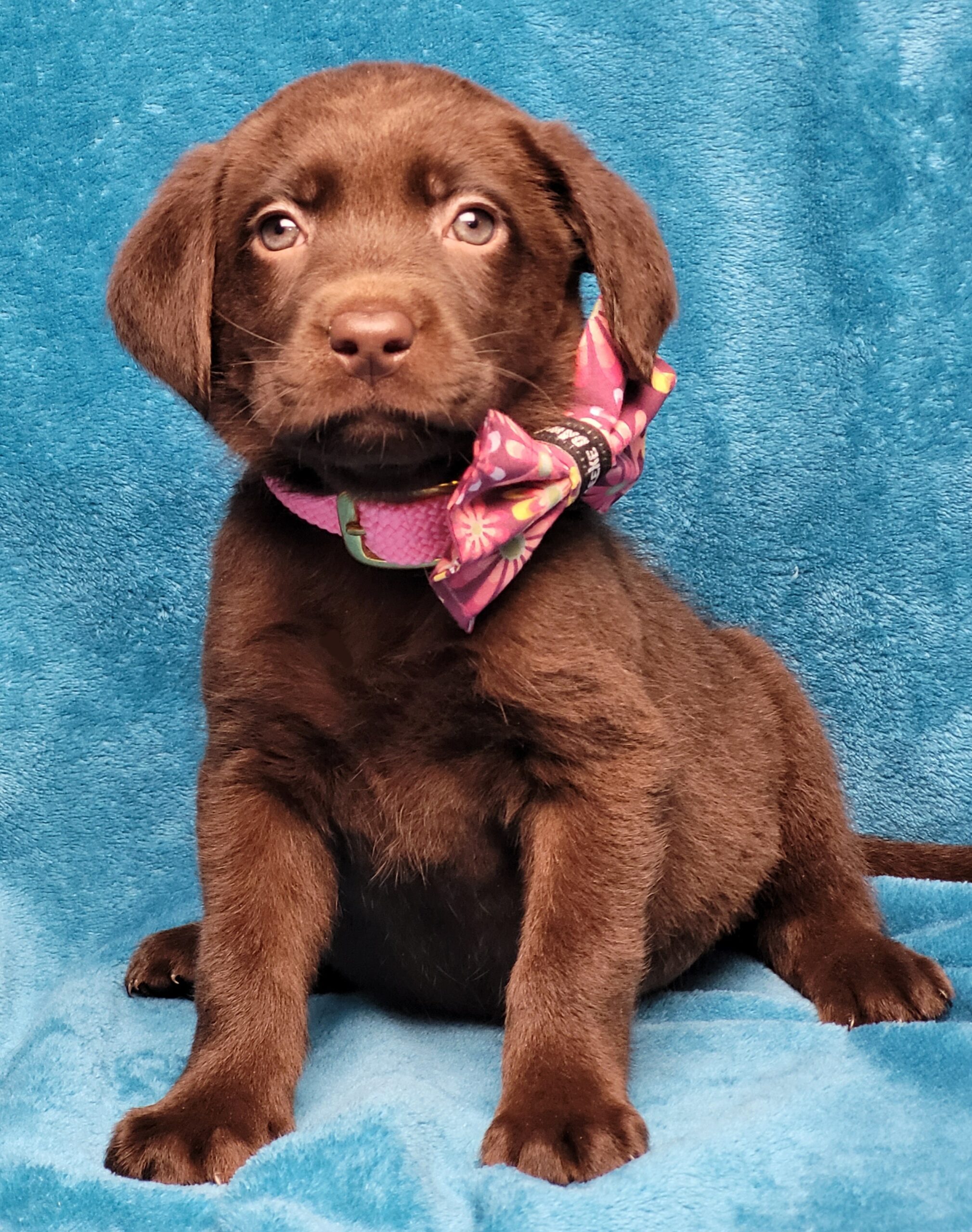
Bringing a puppy home is like opening a chapter in a story filled with boundless joy, adorable clumsiness, and a whole lot of "what was that noise?" moments. But amidst the puppy breath and playful nips, it’s easy to wonder, "Is my little furball developing normally?"
The early weeks of a puppy's life can feel like a whirlwind of rapid changes. One day they're tiny, sleepy potatoes, and the next, they're exploring the world with insatiable curiosity. Trying to keep up with their developmental milestones can be overwhelming, leaving you unsure if you're providing the best possible care during these crucial stages.
This guide is for all the new puppy parents, seasoned dog lovers, and anyone curious about the incredible journey of puppyhood. We're diving deep into the puppy growth timeline, offering a week-by-week breakdown of what to expect, how to support your pup's development, and how to navigate any challenges along the way.
We'll explore the fascinating stages of puppy development, from their first wobbly steps to their playful explorations and socialization milestones. This guide will equip you with the knowledge and confidence to ensure your puppy thrives during these formative weeks. We'll cover everything from the neonatal period and weaning to socialization, training, and those important milestones that make each puppy unique.
The Neonatal Period (Weeks 0-2)
The target of this section is to help readers understand the critical first two weeks of a puppy's life, focusing on their dependence on the mother and the key developmental milestones of this stage. It’s a vulnerable time, and understanding their needs is crucial.
I remember when we brought our golden retriever, Luna, home. It was a bit later, around 8 weeks, but witnessing her early days with her mother was unforgettable. Those first two weeks are all about survival and bonding. Puppies are completely dependent on their mother for warmth, food, and stimulation. They can't see or hear, but they can smell and feel, using those senses to navigate to their mother's milk. It's a period of rapid growth, where they double in size. This stage also involves reflexes like rooting and suckling, which are essential for survival. A crucial point is ensuring that the environment is warm and safe, away from drafts or potential dangers. Monitoring the mother's health and nutrition is also key, as her milk provides all the necessary nutrients for the puppies. Handling the puppies gently and briefly from a young age can help them become more accustomed to human touch, setting the stage for future socialization.
The Transitional Period (Weeks 2-4)
The transitional period is when puppies begin to open their eyes and ears, starting to experience the world beyond just touch and smell. This is a period of rapid sensory development. Puppies start to become more aware of their surroundings, beginning to move around more purposefully, even if it's just clumsy wobbly steps. Their personalities start to emerge during this time. It's essential to provide a stimulating but safe environment to encourage their exploration. Social interaction with their littermates also begins, teaching them essential social skills and boundaries. This period requires careful observation to ensure they are developing properly, and any signs of concern should be addressed by a veterinarian. Early handling and gentle exposure to different sounds and sights can help them become more confident and adaptable as they grow.
The Socialization Period (Weeks 4-12)
Historically, understanding puppy development wasn't as nuanced as it is today. The socialization period, a crucial window for shaping a dog's behavior, was often overlooked. Some myths perpetuated outdated ideas about training and handling. Today, we recognize that socialization is about exposing puppies to a variety of sights, sounds, people, and experiences in a positive way. This period is vital for preventing fear and aggression later in life. Puppies learn to interact with others, both dogs and humans, and develop vital social skills. It is critical to create positive experiences during this time to ensure they grow into well-adjusted adults. Introducing puppies to different environments, textures, and even car rides can have a significant impact on their future behavior. The goal is to make these experiences enjoyable and rewarding, fostering a sense of confidence and curiosity. Engaging in positive reinforcement training during this period can also strengthen the bond between the puppy and their owner.
The Ranking Period (Weeks 12-16)
The ranking period, often a hidden secret in puppy development, is when puppies begin to understand their place within the social structure, both with their human family and other animals. This is when they may start testing boundaries and exhibiting behaviors like nipping or excessive barking. Understanding this stage is crucial for establishing leadership and setting clear expectations. It is important to consistently reinforce training and commands, ensuring the puppy understands the rules of the household. Ignoring or mishandling these behaviors can lead to future challenges. Providing appropriate outlets for their energy, such as playtime and exercise, can help manage their behavior. Consistency and positive reinforcement are key during this time. Socialization should continue, but with a focus on reinforcing good behavior and addressing any emerging challenges. This period requires patience, understanding, and a proactive approach to training and socialization.
Adolescence (6-18 Months)
Navigating the Teenage Puppy Years
The adolescent phase in puppies, similar to human teenagers, can be a challenging time. This is when puppies may regress in their training, exhibit more independence, and test boundaries more frequently. It's essential to stay consistent with training and provide ongoing socialization. This phase is a period of hormonal changes and increased energy levels. Owners may feel frustrated as their well-behaved puppy suddenly seems to forget their training. However, patience and consistency are key. Continue reinforcing commands, provide ample exercise and mental stimulation, and address any behavioral challenges proactively. During this time, the puppy's personality is further developing, and their interactions with others shape their future behavior. It's also crucial to manage expectations, recognizing that the puppy is still learning and maturing. This period requires ongoing commitment and a supportive approach to ensure the puppy grows into a well-adjusted adult dog.
Continued Socialization
Continued socialization is about maintaining a puppy's exposure to new experiences, people, and environments as they grow into adulthood. It is not just a one-time event, but an ongoing process. This helps ensure they remain confident, adaptable, and well-adjusted. Regularly taking your dog to new places, introducing them to different people and animals, and providing opportunities for positive interactions can prevent fear or aggression. Continued socialization also involves reinforcing good behavior and addressing any emerging challenges. It is essential to create positive experiences and avoid overwhelming or frightening the dog. This can include short, controlled interactions, and rewarding calm and appropriate behavior. The goal is to help the dog become a well-rounded, confident member of society.
The Importance of Positive Reinforcement
Positive reinforcement is a training technique that focuses on rewarding desired behaviors to encourage their repetition. It involves using treats, praise, or other rewards to reinforce good behavior, rather than punishing undesirable actions. Positive reinforcement is a highly effective and humane method for training dogs. It strengthens the bond between the dog and owner, fosters trust, and creates a positive learning environment. This approach is particularly beneficial during a puppy's early development when they are more impressionable. Consistent and well-timed rewards can quickly shape the puppy's behavior and teach them what is expected. It also reduces the risk of fear, anxiety, and aggression that can be associated with punishment-based training methods. The key is to identify what motivates the puppy and use that as a reward when they perform the desired behavior. This can include anything from food treats to toys, praise, or even a simple pat on the head. The consistency and timing of the rewards are essential for the puppy to understand the connection between their actions and the positive outcome.
Fun Facts About Puppy Growth
Did you know that puppies sleep a lot, sometimes up to 20 hours a day? This is because sleep is crucial for their growth and development. Another fun fact is that puppies can't regulate their body temperature very well in the first few weeks of life, which is why they need to be kept warm. Understanding these little quirks can help you better care for your new furry friend. For example, it's normal for puppies to have accidents in the house during their early months, as their bladder control is still developing. Their sense of smell is far superior to ours, helping them navigate the world. Puppies also go through a teething phase, which can be uncomfortable for them, leading to chewing and gnawing on objects. Providing them with appropriate chew toys can help alleviate this discomfort. It's also fascinating to observe their interactions with their littermates, as they learn important social skills and boundaries. Puppy growth is a remarkable process, filled with unique and interesting facts that make each puppy special.
How to Support Healthy Puppy Development
Supporting healthy puppy development involves providing the right nutrition, socialization, training, and healthcare. A balanced diet is essential for growth and development. Puppies need specialized food formulated for their life stage, which provides the necessary nutrients. Socialization is crucial for preventing fear and aggression later in life. Expose your puppy to a variety of sights, sounds, people, and experiences in a positive way. Training helps establish leadership and teaches the puppy appropriate behavior. Consistency and positive reinforcement are key. Regular veterinary checkups and vaccinations are essential for maintaining their health and preventing diseases. Early detection and treatment of any health issues can significantly impact their long-term well-being. Furthermore, providing a safe and stimulating environment can help them explore and learn. This includes creating a puppy-proofed space, providing appropriate toys, and engaging in regular playtime. Understanding the different stages of puppy development can help you tailor your approach and provide the best possible care.
What If My Puppy Isn't Meeting Milestones?
If your puppy isn't meeting developmental milestones, it's important to consult with your veterinarian. Some puppies develop at different rates, but delays could indicate an underlying health issue. The veterinarian can conduct a thorough examination to identify any potential problems and recommend appropriate treatment. It's also crucial to keep track of your puppy's progress and any concerns you may have. Early intervention is essential for addressing developmental delays. The veterinarian may recommend further testing or refer you to a specialist, such as a veterinary behaviorist. It's important to remember that every puppy is unique, and some may simply take longer to reach certain milestones. However, it's always best to err on the side of caution and seek professional advice. Ignoring potential developmental delays can lead to more significant problems later in life. By working closely with your veterinarian and taking a proactive approach, you can ensure that your puppy receives the support they need to thrive.
A Week-by-Week Puppy Growth Checklist
Here's a week-by-week puppy growth checklist to help you monitor your puppy's development:
- Week 0-2: Focus on warmth, nutrition, and maternal care.
- Week 2-4: Observe sensory development and gentle handling.
- Week 4-12: Socialization with various sights, sounds, and people.
- Week 12-16: Consistency in training and boundary setting.
- 6-18 Months: Continue training and managing adolescent behaviors.
This checklist provides a general guideline, and individual puppies may develop at different rates. Regular veterinary checkups can help you track your puppy's progress and address any concerns. Providing a safe and stimulating environment can support healthy growth and development. Consistent training, socialization, and positive reinforcement are essential for shaping your puppy's behavior. By following this checklist and staying proactive, you can ensure that your puppy reaches their full potential.
Question and Answer
Q: When should I start socializing my puppy?
A: The socialization period is crucial, starting around 4 weeks and lasting until 12 weeks. Expose your puppy to a variety of sights, sounds, people, and experiences in a positive way.
Q: What if my puppy is biting a lot?
A: Nipping and biting are common behaviors in puppies. Redirect their attention to appropriate chew toys and teach bite inhibition through training.
Q: How often should I feed my puppy?
A: Puppies need to be fed multiple times a day, typically three to four times, with food specifically formulated for their age. Consult with your veterinarian for specific recommendations.
Q: When will my puppy be fully grown?
A: The age at which a puppy reaches full size varies depending on the breed. Small breeds typically reach full size around 9-12 months, while larger breeds can take up to 18-24 months.
Conclusion of The Puppy Growth Timeline: Week-by-Week Guide
Navigating the puppy growth timeline is a journey filled with wonder, challenges, and unforgettable moments. By understanding the different stages of development and providing the right support, you can ensure your puppy thrives and grows into a well-adjusted companion. Remember that every puppy is unique, and patience, consistency, and love are key to a successful journey.
0 Response to "The Puppy Growth Timeline: Week-by-Week Guide"
Post a Comment