Seasonal Puppy Care: What to Do Each Season
Bringing a puppy into your life is like adding a furry ray of sunshine, but just like sunshine, your puppy needs special care depending on the time of year. Are you ready to navigate the changing seasons with your little bundle of joy?
The truth is, puppy parenthood isn't always a walk in the park, especially when the weather throws curveballs. From icy sidewalks to scorching summer days, each season presents unique challenges that can leave even the most prepared owner feeling overwhelmed and unsure of how to best protect their furry friend.
This guide is your go-to resource for navigating the year with your puppy, ensuring their health, safety, and happiness through every season. We'll cover everything from winter paw protection and summer hydration tips to spring allergy awareness and autumn safety precautions.
So, whether you're bracing for winter chills, welcoming spring blooms, battling summer heat, or preparing for autumn leaves, this guide will equip you with the knowledge and tools you need to provide the best possible care for your puppy, all year round. We will be looking at topics such as seasonal allergies, paw protection, hydration, and parasite prevention, ensuring your puppy thrives no matter the weather.
Spring Puppy Care: Blooming and Grooming
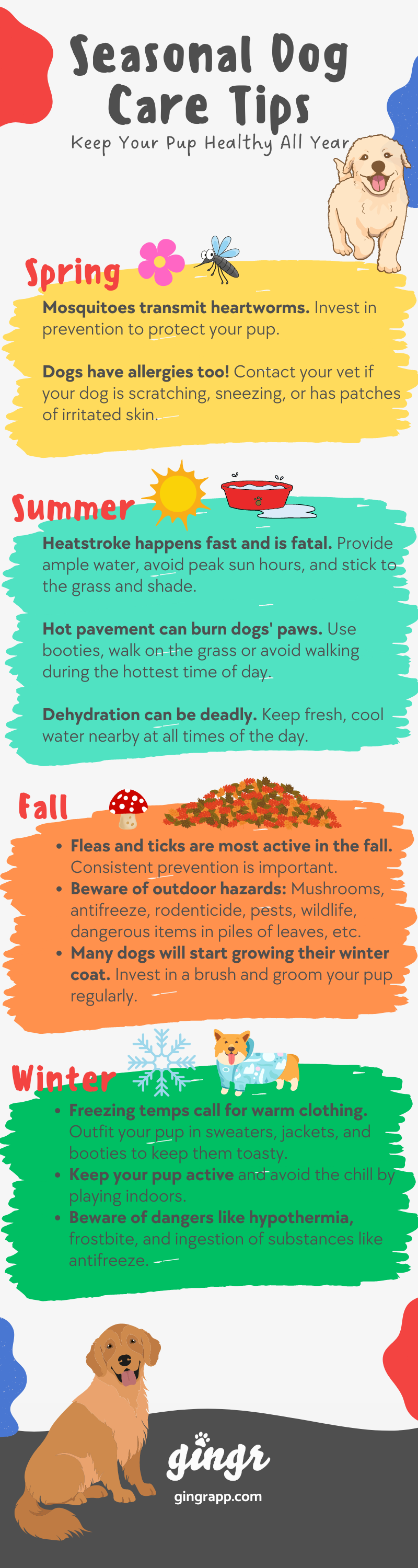
Spring signifies new beginnings, and that includes your puppy's exploration of the outdoors! My golden retriever, Gus, experienced his first spring last year, and the joy on his face as he chased butterflies in the park was priceless. However, spring also brought a barrage of allergens, resulting in incessant scratching and discomfort. After a visit to the vet, we discovered he was allergic to pollen and grass. This experience taught me the importance of being prepared for seasonal allergies and implementing preventative measures like wiping his paws after each walk and administering prescribed antihistamines. Spring is also a time for increased grooming. As your puppy sheds their winter coat, regular brushing becomes essential to prevent matting and skin irritation. Investing in a good quality brush and establishing a grooming routine early on will benefit your puppy's coat health and strengthen the bond between you both. Don't forget about parasite prevention! As the weather warms up, fleas and ticks become more active. Consult with your veterinarian about the best preventative medications for your puppy.
Summer Puppy Care: Hydration and Sun Protection
Summer heat can be particularly dangerous for puppies, as they are more susceptible to overheating and dehydration. Unlike humans, dogs can't sweat through their skin, relying primarily on panting to regulate their body temperature. Providing ample access to fresh, cool water is crucial during the summer months. Always have a water bowl readily available, whether you're at home or on the go. Consider investing in a portable water bottle and bowl specifically designed for dogs. Sun protection is equally important. Puppies, especially those with light-colored fur, are at risk of sunburn. Avoid prolonged exposure to direct sunlight, particularly during the hottest part of the day. Use a dog-friendly sunscreen on exposed areas, such as their nose and ears. Pavement temperatures can also soar during the summer, potentially burning your puppy's paws. Always test the pavement with your hand before taking your puppy for a walk. If it's too hot for you to touch comfortably, it's too hot for your puppy's paws. Choose grassy areas or walk during cooler hours of the day.
Autumn Puppy Care: Leaf Piles and Holiday Hazards
Autumn brings beautiful scenery, but it also presents unique hazards for puppies. Leaf piles, while fun to romp in, can hide dangers such as sharp objects, insects, and even toxic plants. Always supervise your puppy when they're playing in leaf piles and ensure they don't ingest any of the leaves. Holiday decorations, particularly those associated with Halloween and Thanksgiving, can also be tempting for curious puppies. Keep candies, chocolates, and other potentially toxic foods out of reach. Be mindful of decorations such as tinsel, ribbons, and electrical cords, which can be ingested or cause entanglement. As the days get shorter, it's important to increase your puppy's visibility during walks, especially in low-light conditions. Consider using a reflective leash and collar, or even a light-up vest, to ensure they are easily seen by drivers and pedestrians.
Winter Puppy Care: Paw Protection and Warmth
Winter presents some of the toughest challenges for puppy owners. Cold temperatures, snow, and ice can all pose risks to your puppy's health and safety. Protecting your puppy's paws from the elements is essential. Salt and de-icing chemicals used on sidewalks can cause irritation and burns. Consider using dog booties or paw wax to create a barrier between their paws and the harsh elements. Regularly wipe their paws with a damp cloth after walks to remove any lingering salt or chemicals. Keeping your puppy warm is also crucial. Puppies are more susceptible to hypothermia than adult dogs. Limit their time outdoors in extreme cold and provide them with a warm, cozy bed indoors. Consider using a dog sweater or coat to provide extra insulation during walks. Be aware of ice hazards. Slippery sidewalks and frozen ponds can be dangerous for puppies, increasing the risk of falls and injuries. Avoid walking on icy surfaces and keep your puppy away from frozen bodies of water.
Training Your Puppy Seasonally
Training is essential for all puppies, but adapting your training approach to the changing seasons can enhance your puppy's learning experience. In the spring, take advantage of the pleasant weather to train your puppy outdoors. Focus on commands like "leave it" to prevent them from ingesting potentially toxic plants or insects. Summer offers opportunities to train your puppy in and around water. Teach them how to swim safely and practice commands like "stay" near pools or lakes. Autumn is an ideal time to work on recall training. The crisp air and colorful foliage make it an enjoyable experience for both you and your puppy. In the winter, focus on indoor training exercises. Teach them new tricks, practice obedience commands, or engage in puzzle toys to keep their minds stimulated.
Seasonal Allergies in Puppies
Seasonal allergies can affect puppies just like humans. Pollen, grass, mold, and dust mites are common allergens that can trigger allergic reactions in puppies. Symptoms may include excessive scratching, licking, rubbing their face, sneezing, coughing, and watery eyes. If you suspect your puppy has seasonal allergies, consult with your veterinarian. They can perform allergy testing to identify the specific allergens affecting your puppy and recommend appropriate treatment options, such as antihistamines, allergy shots, or medicated shampoos.
Recognizing Allergy Symptoms in Your Puppy
Identifying allergy symptoms early on is crucial for managing your puppy's discomfort. Look out for signs such as red, inflamed skin, particularly around their paws, ears, and abdomen. They may also develop skin rashes, hair loss, or hot spots. Digestive issues, such as vomiting or diarrhea, can also be indicative of allergies. If you notice any of these symptoms, it's important to seek veterinary care promptly. Your veterinarian can help determine the underlying cause of the symptoms and develop a tailored treatment plan for your puppy.
The Importance of Regular Vet Visits
Regular check-ups are essential for maintaining your puppy's health and well-being. Your veterinarian can monitor their growth and development, administer vaccinations, and screen for potential health issues. Seasonal changes can also impact your puppy's health, making regular vet visits even more important. During the spring and summer, your veterinarian can check for parasites such as fleas, ticks, and heartworms. They can also advise on preventative measures to protect your puppy from these pests. In the autumn and winter, your veterinarian can assess your puppy's overall health and adjust their diet or exercise routine as needed. They can also provide guidance on managing seasonal allergies and protecting your puppy from cold weather hazards.
Scheduling Seasonal Check-ups
To ensure your puppy receives the best possible care, schedule seasonal check-ups with your veterinarian. Aim for visits in the spring, summer, autumn, and winter. These check-ups provide an opportunity for your veterinarian to assess your puppy's overall health, address any concerns, and provide personalized recommendations for seasonal care. Bring a list of any questions or concerns you have about your puppy's health and well-being. Your veterinarian is your best resource for information and guidance.
Fun Facts About Seasonal Puppy Care
Did you know that puppies can get sunburned? Just like humans, puppies, especially those with light-colored fur, are susceptible to sunburn. Applying a dog-friendly sunscreen to exposed areas, such as their nose and ears, can help protect them from harmful UV rays. Another fun fact is that puppies can develop seasonal allergies just like humans. Pollen, grass, and mold are common allergens that can trigger allergic reactions in puppies. If your puppy is excessively scratching, licking, or rubbing their face, they may be experiencing allergies. Consult with your veterinarian for diagnosis and treatment options.
How to Prepare Your Puppy for Each Season
Preparing your puppy for each season involves a combination of preventative measures and adjustments to their routine. In the spring, focus on parasite prevention and allergy management. Ensure your puppy is up-to-date on their vaccinations and start them on a flea and tick preventative. If they have allergies, consult with your veterinarian about treatment options. Summer is all about hydration and sun protection. Always have fresh, cool water available and avoid prolonged exposure to direct sunlight. Use a dog-friendly sunscreen and walk your puppy during cooler hours of the day. Autumn requires vigilance regarding holiday hazards and leaf pile dangers. Keep candies, chocolates, and decorations out of reach. Supervise your puppy when they're playing in leaf piles. Winter necessitates paw protection and warmth. Use dog booties or paw wax to protect their paws from salt and de-icing chemicals. Provide a warm, cozy bed indoors and limit their time outdoors in extreme cold.
What If You Neglect Seasonal Puppy Care?
Neglecting seasonal puppy care can have serious consequences for your puppy's health and well-being. Failure to protect them from parasites can lead to infestations and potentially life-threatening diseases. Ignoring seasonal allergies can result in chronic skin irritation and discomfort. Neglecting hydration and sun protection during the summer can lead to heatstroke, which can be fatal. Failing to protect their paws in the winter can result in burns and injuries. Prioritizing seasonal puppy care is an investment in their long-term health and happiness. By taking the necessary precautions, you can help your puppy thrive year-round.
Listicle: Seasonal Puppy Care Essentials
1.Spring: Flea and tick preventative, allergy medication, gentle shampoo for itchy skin.
2.Summer: Dog-friendly sunscreen, portable water bottle and bowl, cooling mat.
3.Autumn: Reflective leash and collar, puzzle toys, training treats.
4.Winter: Dog booties or paw wax, dog sweater or coat, humidifier.
Question and Answer
Q: How do I know if my puppy has allergies?
A: Look for symptoms such as excessive scratching, licking, rubbing their face, sneezing, coughing, and watery eyes. Consult with your veterinarian for diagnosis and treatment.
Q: How can I protect my puppy's paws in the winter?
A: Use dog booties or paw wax to create a barrier between their paws and the harsh elements. Regularly wipe their paws with a damp cloth after walks to remove any lingering salt or chemicals.
Q: How much water should my puppy drink in the summer?
A: Puppies need more water in the summer to stay hydrated. Ensure they have access to fresh, cool water at all times. A general guideline is to provide approximately one ounce of water per pound of body weight per day, but this can vary depending on activity level and weather conditions.
Q: What are some safe ways to exercise my puppy in the winter?
A: If outdoor conditions are hazardous, focus on indoor activities. Play fetch in a hallway, teach them new tricks, or engage in puzzle toys to keep their minds stimulated.
Conclusion of Seasonal Puppy Care: What to Do Each Season
Providing seasonal care for your puppy ensures their well-being throughout the year. By adapting to the unique challenges and opportunities each season presents, you can help your puppy thrive, no matter the weather. Remember to consult with your veterinarian for personalized recommendations and address any concerns promptly. With proper care and attention, you and your puppy can enjoy a happy and healthy life together, year after year.
0 Response to "Seasonal Puppy Care: What to Do Each Season"
Post a Comment