Puppy Travel Anxiety: How to Help
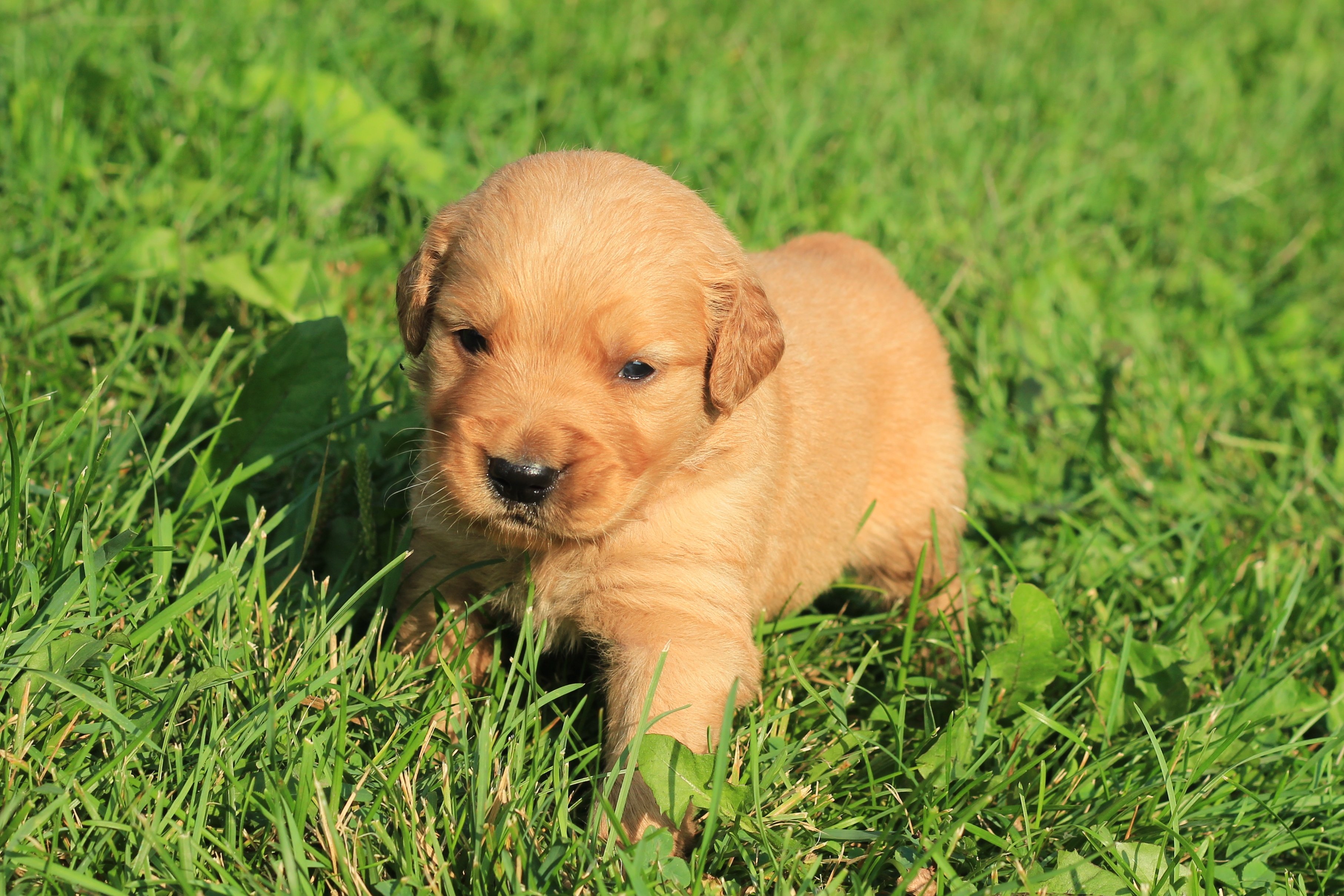
That adorable little furball you just brought home? They're bundles of joy, yes, but also bundles of potential anxieties. One of the most common? Travel! Seeing your puppy squirm, whine, or even get sick during a car ride can be heartbreaking. But don't worry, you're not alone, and there are ways to help.
Many new puppy parents face similar struggles. The anticipation of a fun road trip or a simple visit to the vet quickly turns into a stressful experience for both human and canine. Cleaning up messes, dealing with incessant barking, and feeling helpless as your puppy panics are all too common realities when travel anxiety kicks in.
This guide is here to help you understand why your puppy might be experiencing travel anxiety and, more importantly, provide you with practical strategies to make car rides a more positive and comfortable experience for your furry friend. We'll explore everything from desensitization techniques to creating a calming environment in the car, ensuring your puppy feels safe and secure during every journey.
In this article, we'll cover various aspects of puppy travel anxiety, including its causes, symptoms, and effective management strategies. We'll delve into creating a positive association with car rides, desensitization techniques, and the importance of a safe and comfortable travel environment. We'll also discuss the use of calming aids and when it might be necessary to consult with a veterinarian or certified dog trainer. By understanding these key areas, you'll be well-equipped to help your puppy overcome their travel anxiety and enjoy future adventures together. We will also touch on common myths, hidden secrets, and fun facts surrounding this prevalent issue.
Creating Positive Associations with the Car
The key to overcoming puppy travel anxiety is to shift their perception of the car from a scary monster to a safe and inviting space. I remember when I first got my golden retriever, Max. The first few car rides were a disaster. He would pant excessively, whine constantly, and even drool all over the back seat. It was clear he associated the car with something negative, likely the dreaded vet visits! So, I started small. I began by simply having him sit in the parked car with me for a few minutes each day, offering treats and praise. No pressure, just a chance to get used to the environment.
Gradually, I increased the duration and started the engine, again with plenty of treats and positive reinforcement. The goal was to make him feel comfortable and relaxed in the car, even when it was moving. I would often bring his favorite toys and blankets to create a familiar and comforting atmosphere. This process requires patience and consistency, but the results are well worth the effort. Don't rush the process, and always pay attention to your puppy's body language. If they seem anxious, take a step back and proceed at a slower pace. Building positive associations is a gradual process, but with consistent effort and patience, you can help your puppy overcome their travel anxiety and learn to enjoy car rides. Remember to always end each session on a positive note, even if it's just a quick treat and some praise.
Understanding the Root Causes of Travel Anxiety
Travel anxiety in puppies can stem from various factors. For some, it might be motion sickness, which can cause nausea and discomfort. Others might have had a negative experience in the car, such as a scary vet visit or a bumpy ride. Genetics can also play a role, with some breeds being more prone to anxiety than others. Moreover, a puppy's lack of socialization during their critical development period (between 8 and 16 weeks of age) can contribute to their fear of new experiences, including car rides.
Furthermore, the confined space of a car can trigger feelings of claustrophobia in some puppies, leading to anxiety and distress. The unfamiliar sights, sounds, and smells of the car can also be overwhelming, especially for puppies who haven't been exposed to these stimuli before. It's essential to identify the specific triggers for your puppy's travel anxiety to address them effectively. Observe your puppy's behavior closely during car rides to identify any patterns or specific situations that seem to exacerbate their anxiety. Once you understand the underlying causes, you can tailor your approach to address their specific needs and concerns. For instance, if motion sickness is the issue, you can consult with your veterinarian about anti-nausea medication. If a negative experience is the culprit, you can focus on creating positive associations with the car through gradual desensitization. Remember, understanding the root causes is the first step towards helping your puppy overcome their travel anxiety.
Debunking Common Myths About Puppy Travel Anxiety
There are several misconceptions surrounding puppy travel anxiety that can hinder effective treatment. One common myth is that puppies will simply "grow out of it." While some puppies may become more accustomed to car rides over time, ignoring their anxiety can lead to more significant behavioral issues down the line. Another myth is that punishing a puppy for showing signs of anxiety will deter them from repeating the behavior. In reality, punishment only exacerbates their fear and can damage your relationship with your puppy. Aversive methods should be avoided at all costs.
Furthermore, some people believe that all puppies should be able to handle car rides without any special training or preparation. This ignores the fact that each puppy is an individual with their own unique personality and experiences. Some puppies are naturally more sensitive and prone to anxiety than others. It's essential to recognize and respect your puppy's individual needs and provide them with the support they need to overcome their fears.
Another myth is that simply distracting a puppy with toys or treats will solve the problem. While distractions can be helpful in the short term, they don't address the underlying anxiety. It's crucial to implement a comprehensive approach that includes desensitization, counter-conditioning, and creating a positive association with car rides. By debunking these common myths, we can better understand and address the root causes of puppy travel anxiety and provide our furry friends with the support they need to overcome their fears.
Unveiling the Hidden Secrets to Calming Your Puppy
Beyond the typical advice, there are some lesser-known secrets to calming a travel-anxious puppy. One of these is the power of pheromones. Dog-appeasing pheromones (DAPs), available in sprays or diffusers, can mimic the natural pheromones released by a mother dog, creating a sense of security and comfort for your puppy. Spraying the car interior with DAP before a trip can help reduce anxiety. Another hidden secret is the use of calming music. Research has shown that certain types of music, such as classical music or reggae, can have a calming effect on dogs. Playing soothing music during car rides can help mask external noises and create a more relaxing atmosphere.
Furthermore, consider the power of scent. A familiar scent, such as a blanket or toy that smells like home, can provide comfort and security for your puppy. Place this item in their travel crate or on their seat during car rides. Another secret is to ensure your puppy is properly exercised before a car trip. A tired puppy is more likely to relax and sleep during the ride, reducing the likelihood of anxiety. However, avoid feeding your puppy a large meal right before traveling, as this can increase the risk of motion sickness.
Finally, consider using a pressure wrap or anxiety vest. These garments apply gentle, constant pressure to your puppy's torso, which can have a calming effect similar to swaddling a baby. These hidden secrets, combined with the more conventional methods, can significantly improve your puppy's experience during car rides and help them overcome their travel anxiety.
Recommended Products for Anxious Puppy Travelers
Choosing the right products can make a significant difference in your puppy's comfort during travel. A well-fitted and secure travel crate is essential for safety and security. Choose a crate that is appropriately sized for your puppy, allowing them to stand up, turn around, and lie down comfortably. Line the crate with a soft, comfortable bed or blanket to create a cozy and inviting space. Another helpful product is a seat belt harness, which allows your puppy to be safely restrained in the car without being confined to a crate.
Consider investing in a travel water bowl that is designed to prevent spills and splashes during car rides. This will ensure your puppy stays hydrated without creating a mess. Calming treats or chews can also be helpful in reducing anxiety. Look for products that contain ingredients like chamomile, L-theanine, or melatonin, which have been shown to have calming effects on dogs.
Furthermore, a white noise machine or calming music player can help mask external noises and create a more relaxing atmosphere in the car. A dog-appeasing pheromone (DAP) diffuser or spray can also be used to create a sense of security and comfort. Finally, don't forget to pack a travel first-aid kit with essential items like bandages, antiseptic wipes, and any medications your puppy may need. By investing in these recommended products, you can create a safer, more comfortable, and less stressful travel experience for your puppy.
The Importance of Early Socialization and Exposure
Early socialization and exposure are crucial in preventing and mitigating puppy travel anxiety. The period between 8 and 16 weeks of age is a critical time for puppies to learn about the world around them. During this time, they are more receptive to new experiences and less likely to develop fears or anxieties. Exposing your puppy to a variety of sights, sounds, and smells during this period can help them become more confident and adaptable to new situations, including car rides.
Start by taking your puppy on short, frequent car rides to different locations. Visit parks, pet-friendly stores, or even just drive around the block. The goal is to expose them to different environments and experiences in a positive and controlled manner. Make sure to reward your puppy with treats and praise during and after each car ride to create a positive association.
If possible, enroll your puppy in a puppy socialization class. These classes provide a safe and structured environment for puppies to interact with other dogs and people, which can help them develop social skills and confidence. Additionally, work on desensitizing your puppy to common triggers of travel anxiety, such as the sound of the car engine, the feel of the car moving, and the vibrations of the road. By providing your puppy with early socialization and exposure, you can help them develop into well-adjusted and confident travelers.
Practical Tips for Reducing Travel Anxiety
Reducing travel anxiety in puppies requires a multi-faceted approach. Start by making the car a comfortable and inviting space. Place a soft, familiar blanket or bed in the car to create a sense of security. Offer treats and praise whenever your puppy is in the car to create positive associations. Gradually introduce your puppy to car rides, starting with short trips and gradually increasing the duration.
Ensure your puppy is properly secured in the car, either in a crate or with a seat belt harness. This will not only keep them safe but also prevent them from moving around and potentially getting anxious. Provide your puppy with a chew toy or puzzle toy to keep them occupied during the ride. Play calming music or use a white noise machine to mask external noises.
Consider using a dog-appeasing pheromone (DAP) diffuser or spray to create a sense of security. If your puppy is prone to motion sickness, consult with your veterinarian about anti-nausea medication. Before long car rides, avoid feeding your puppy a large meal. Instead, offer small, frequent meals. Finally, stay calm and positive during car rides. Your puppy will pick up on your emotions, so if you are anxious, they are more likely to be anxious as well. By following these practical tips, you can help reduce your puppy's travel anxiety and make car rides a more enjoyable experience for both of you.
The Role of Desensitization and Counter-Conditioning
Desensitization and counter-conditioning are powerful techniques for addressing puppy travel anxiety. Desensitization involves gradually exposing your puppy to the triggers of their anxiety in a controlled and safe environment. Counter-conditioning involves changing your puppy's association with those triggers from negative to positive.
Start by identifying the specific triggers that cause your puppy's travel anxiety. This might include the sound of the car engine, the feel of the car moving, or the sight of the car itself. Once you have identified the triggers, begin by exposing your puppy to them at a low intensity. For example, if the sound of the car engine is a trigger, start by simply having your puppy near the car while the engine is running for a few seconds.
Gradually increase the intensity of the trigger as your puppy becomes more comfortable. For example, you can gradually increase the duration that the engine is running. During each exposure, pair the trigger with something positive, such as treats, praise, or a favorite toy. This will help your puppy associate the trigger with positive experiences.
It's essential to proceed at your puppy's pace and avoid overwhelming them. If they show signs of anxiety, such as panting, whining, or trembling, take a step back and reduce the intensity of the trigger. Be patient and consistent with the process, and eventually, your puppy will learn to associate the triggers of travel anxiety with positive experiences. Desensitization and counter-conditioning can be effective tools for helping your puppy overcome their fears and enjoy car rides.
Fun Facts About Puppy Travel Anxiety
Did you know that some puppies actually enjoy car rides? It's true! While travel anxiety is common, some puppies naturally take to car rides and find them stimulating and enjoyable. However, for the majority of puppies, travel anxiety is a real concern. Studies have shown that up to 70% of dogs experience some form of travel anxiety.
Another fun fact is that puppies can sense your emotions. If you are anxious about the car ride, your puppy will likely pick up on your anxiety and become anxious themselves. That's why it's essential to stay calm and positive during car rides. Puppies also have a stronger sense of smell than humans, which means they are more sensitive to the smells in the car. This can be a trigger for travel anxiety, especially if there are strong or unfamiliar odors.
Finally, did you know that motion sickness is more common in puppies than in adult dogs? This is because their inner ear is still developing, making them more susceptible to nausea and dizziness. These fun facts highlight the complexity of puppy travel anxiety and the importance of understanding the underlying causes and triggers. By being aware of these factors, you can better address your puppy's individual needs and help them overcome their fears.
How to Choose the Right Travel Crate
Selecting the appropriate travel crate is pivotal for your puppy's safety and comfort during journeys. The crate should be adequately sized, enabling your puppy to stand, turn around, and lie down naturally. Opt for a crate constructed from robust materials, such as hard plastic or metal, ensuring it can withstand potential impacts. Ventilation is also crucial; ensure the crate has ample openings to allow for proper airflow.
Evaluate the crate's features for convenience. A crate with a removable bottom tray simplifies cleaning in case of accidents. Consider a crate with multiple access points, allowing you to load and unload your puppy effortlessly. Portability is another factor to consider. If you plan to transport the crate frequently, choose one that is lightweight and easy to carry.
Moreover, introduce your puppy to the crate gradually. Start by placing treats and toys inside to create positive associations. Encourage your puppy to enter the crate voluntarily, and gradually increase the amount of time they spend inside. This will help your puppy view the crate as a safe and comfortable space, rather than a source of anxiety. By carefully selecting the right travel crate and introducing it to your puppy gradually, you can create a secure and comfortable travel environment for your furry friend.
What If My Puppy's Anxiety Persists?
Despite your best efforts, some puppies may continue to experience significant travel anxiety. In these cases, it's essential to seek professional help from a veterinarian or certified dog trainer. Your veterinarian can rule out any underlying medical conditions that may be contributing to your puppy's anxiety, such as motion sickness or vestibular problems. They can also prescribe medication to help manage your puppy's anxiety during car rides.
A certified dog trainer can provide you with guidance on desensitization and counter-conditioning techniques tailored to your puppy's specific needs. They can also help you identify any behavioral issues that may be contributing to your puppy's anxiety. In some cases, your veterinarian or dog trainer may recommend consulting with a veterinary behaviorist, who is a specialist in animal behavior.
It's important to remember that addressing puppy travel anxiety is a process that may require time and patience. Don't get discouraged if you don't see results immediately. With the right approach and professional guidance, you can help your puppy overcome their fears and enjoy car rides. If your puppy's anxiety persists despite your best efforts, don't hesitate to seek professional help. Early intervention can prevent the anxiety from becoming more severe and improve your puppy's overall well-being.
A List of Calming Techniques for Anxious Puppies on the Road
Here's a quick list of calming techniques you can use to help your anxious puppy during car rides:
1.Create a Safe Space: Use a familiar crate or carrier lined with a soft blanket and their favorite toys.
2.Play Calming Music: Classical music or reggae can have a soothing effect on dogs.
3.Use Pheromones: Spray the car with dog-appeasing pheromones (DAP) to create a sense of security.
4.Offer Distractions: Provide a chew toy or puzzle toy to keep them occupied.
5.Control the Temperature: Ensure the car is cool and well-ventilated.
6.Take Frequent Breaks: Stop every few hours to allow your puppy to stretch their legs and relieve themselves.
7.Stay Calm and Positive: Your puppy will pick up on your emotions, so remain relaxed and reassuring.
8.Consider Medication: If your puppy's anxiety is severe, consult with your veterinarian about anti-anxiety medication.
9.Desensitize Gradually: Expose your puppy to car rides in small increments, rewarding them for calm behavior.
10.Use Pressure Wraps: Anxiety vests can provide a calming effect by applying gentle pressure.
By utilizing these calming techniques, you can help your anxious puppy feel more comfortable and secure during car rides, making the experience less stressful for both of you.
Question and Answer About Puppy Travel Anxiety: How to Help
Here are some frequently asked questions about puppy travel anxiety:
Q: How do I know if my puppy has travel anxiety?
A: Signs of travel anxiety in puppies include excessive panting, whining, barking, trembling, drooling, vomiting, and trying to escape the car. They may also exhibit destructive behavior, such as chewing on the car's interior.
Q: At what age is it safe to start traveling with my puppy?
A: It's generally safe to start traveling with your puppy once they have received their initial vaccinations, typically around 12-16 weeks of age. However, it's essential to consult with your veterinarian to ensure your puppy is healthy and ready for travel.
Q: What if my puppy gets carsick?
A: If your puppy gets carsick, consult with your veterinarian about anti-nausea medication. You can also try feeding your puppy a small meal a few hours before traveling and avoid feeding them right before the car ride. Make sure the car is well-ventilated and take frequent breaks to allow your puppy to get fresh air.
Q: How long will it take for my puppy to overcome their travel anxiety?
A: The amount of time it takes for a puppy to overcome travel anxiety varies depending on the individual puppy and the severity of their anxiety. Some puppies may improve within a few weeks, while others may take several months. Consistency and patience are key to success.
Conclusion of Puppy Travel Anxiety: How to Help
Helping a puppy overcome travel anxiety takes time, patience, and understanding. By implementing the strategies outlined in this guide, including creating positive associations, addressing underlying causes, and utilizing calming techniques, you can significantly improve your puppy's comfort during car rides. Remember to consult with your veterinarian or a certified dog trainer if your puppy's anxiety persists. With dedication and care, you can help your furry friend overcome their fears and enjoy future adventures together. Safe travels!
0 Response to "Puppy Travel Anxiety: How to Help"
Post a Comment