Puppy Mistakes to Avoid: Lessons from Real Owners
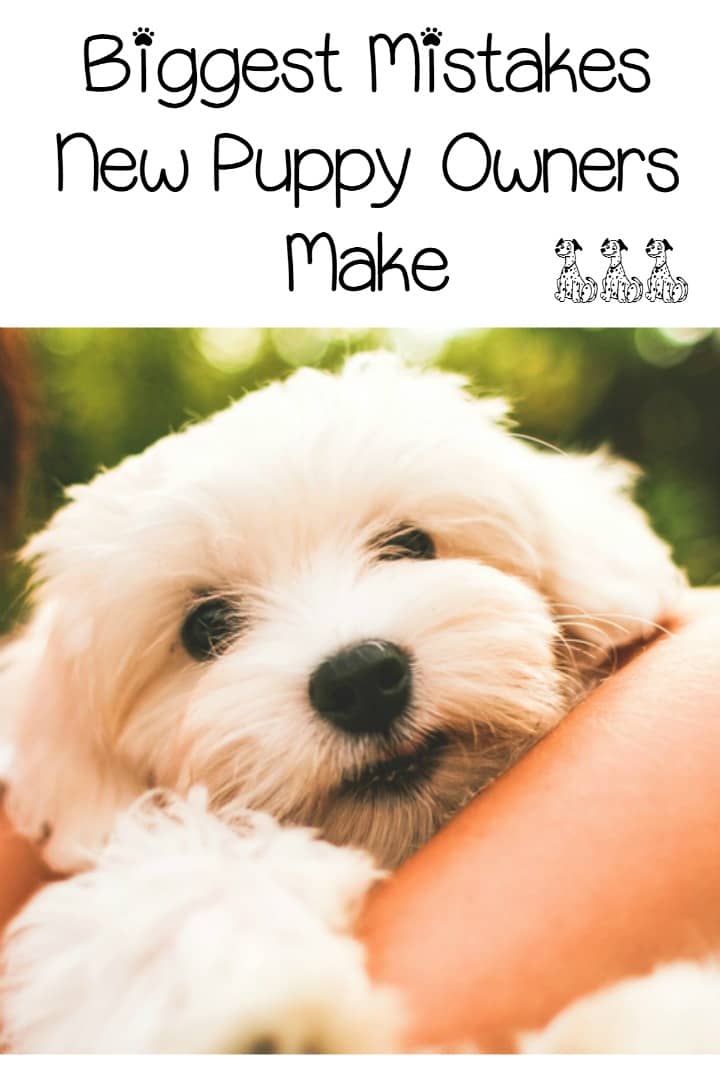
Bringing a puppy home is one of life's greatest joys! Those first few weeks are filled with adorable moments, sloppy kisses, and the undeniable cuteness of tiny paws. But beneath the surface of puppy-dog eyes and wagging tails, lies a whole new world of responsibility, challenges, and yes, potential pitfalls.
Are you worried about getting it right? Do you find yourself second-guessing every decision, unsure if you're providing the best possible start for your furry friend? The sheer volume of advice out there can be overwhelming, leading to confusion and, ultimately, mistakes that can impact your puppy's development and your bond together.
This blog post is your guide to navigating those early days with confidence. We've gathered insights from real puppy owners who've been there, done that, and learned valuable lessons along the way. We'll uncover common mistakes and provide practical solutions to help you avoid those pitfalls and set your puppy up for a lifetime of happiness and well-being.
We'll cover crucial areas like socialization, crate training, bite inhibition, and housebreaking, sharing real-life experiences and expert tips to help you build a strong foundation with your puppy. Learn how to avoid common mistakes in puppy training, understand the importance of early socialization, and effectively manage nipping and chewing behaviors. Prepare to embrace the journey with your new furry friend, armed with the knowledge to navigate the challenges and celebrate the joys of puppyhood!
Ignoring Early Socialization Windows
One of the biggest mistakes many new puppy owners make is underestimating the importance of early socialization. This critical period, typically between 3 and 16 weeks of age, is when puppies are most receptive to new experiences. Failure to expose your puppy to a wide variety of sights, sounds, people, and environments during this time can lead to fear, anxiety, and aggression later in life.
I remember when we got our golden retriever puppy, Leo. We were so concerned with keeping him safe from diseases that we unintentionally isolated him. We limited his interactions to our immediate family and our relatively quiet backyard. By the time he was fully vaccinated and "safe" to explore the world, he was already showing signs of fear around strangers and loud noises. It was a tough lesson to learn, and we had to work hard with a professional trainer to help him overcome his anxieties.
The key is to introduce your puppy to new things gradually and positively. Make every experience a fun one, using treats, praise, and toys to create positive associations. Think about introducing them to different surfaces (grass, concrete, carpet), sounds (traffic, children playing, household appliances), and people (men, women, children, people wearing hats). Remember to always supervise interactions with other dogs to ensure they are positive and safe. Early socialization is an investment in your puppy's future, setting them up to be a confident, well-adjusted companion for years to come. Don't let fear or over-protectiveness rob your puppy of these vital experiences.
Inconsistent Crate Training
Crate training can be a lifesaver for both you and your puppy. A crate provides a safe and secure den for your dog, aids in housebreaking, and prevents destructive behaviors when you're not able to supervise. However, inconsistent crate training can create more problems than it solves. Treating the crate as a punishment or forcing your puppy inside will only lead to fear and resentment.
Puppy Mistakes to Avoid: Inconsistent crate training is a big one. Many owners introduce the crate but fail to make it a positive experience. They might use it as punishment, or not provide enough positive reinforcement for the puppy to associate the crate with good things. This can lead to anxiety and refusal to enter the crate.
Crate training should be a gradual process, starting with short, positive experiences. Introduce your puppy to the crate by placing treats and toys inside. Encourage them to enter on their own, and reward them for doing so. Gradually increase the amount of time they spend in the crate, always making sure they have access to fresh water and a comfortable bed. Never use the crate as a punishment, and never leave your puppy in the crate for extended periods without a break. A properly crate-trained dog views their crate as a safe haven, a place they can retreat to for comfort and security. Consistency and positive reinforcement are key to successful crate training.
Ignoring Bite Inhibition
Puppy nipping and biting are normal behaviors, especially during play. However, it's crucial to teach your puppy bite inhibition – the ability to control the force of their bite. Ignoring this aspect of training can lead to serious problems down the road, especially with larger breeds.
The history and myth surrounding bite inhibition are often misunderstood. Some people believe that puppies will naturally grow out of nipping, or that it's a sign of aggression. However, bite inhibition is a learned behavior, and it's our responsibility as owners to teach our puppies how to control their bites.
Puppy Mistakes to Avoid: Ignoring bite inhibition is a major concern. Puppies explore the world with their mouths, and nipping is a natural part of that. However, it's essential to teach them how to control the force of their bite. Consistent redirection and teaching them that biting leads to the end of playtime are crucial.
When your puppy nips, immediately say "ouch!" in a firm voice and stop playing. Ignore your puppy for a few minutes, and then resume play. If the nipping continues, end the playtime session altogether. Consistency is key – every time your puppy nips too hard, they should experience a consequence. This teaches them that nipping results in the loss of attention and playtime. You can also redirect their nipping towards appropriate chew toys. By teaching your puppy bite inhibition, you're helping them develop good manners and preventing potential biting problems in the future.
Rushing Housebreaking
Housebreaking is often one of the most challenging aspects of puppy ownership. It requires patience, consistency, and a good understanding of your puppy's needs. Rushing the process or using punishment can lead to anxiety and setbacks.
The hidden secret to successful housebreaking lies in understanding your puppy's signals and establishing a consistent routine. Puppies typically need to relieve themselves shortly after waking up, eating, and playing. Take your puppy outside frequently, especially during these times, and reward them immediately when they eliminate in the designated spot.
Puppy Mistakes to Avoid: Rushing housebreaking is a common error. Owners sometimes expect too much too soon and get frustrated with accidents. Punishment or scolding can create fear and anxiety, making the problem worse. Consistent positive reinforcement and frequent trips outside are key to success.
Clean up accidents thoroughly with an enzymatic cleaner to eliminate odors and prevent your puppy from returning to the same spot. Avoid punishing your puppy for accidents – this will only make them afraid to eliminate in front of you. Instead, focus on rewarding good behavior and establishing a consistent routine. Crate training can also be a valuable tool in housebreaking, as puppies are naturally reluctant to eliminate in their sleeping area. With patience and consistency, you can successfully housebreak your puppy and establish good habits for life.
Not Establishing Clear Boundaries
Puppies thrive on structure and routine. Establishing clear boundaries from the beginning is essential for preventing behavioral problems and creating a well-behaved dog. This includes setting rules about where they can go, what they can chew, and how they should interact with people.
Recommendations for establishing clear boundaries include using positive reinforcement to reward desired behaviors and consistently redirecting unwanted behaviors. For example, if your puppy is chewing on furniture, redirect them to a chew toy and praise them for chewing on the appropriate item.
Puppy Mistakes to Avoid: Not establishing clear boundaries is a recipe for chaos. Puppies need structure and guidance. Allowing them to get away with unwanted behaviors early on makes it harder to correct them later. Consistency is key to setting clear expectations.
Be consistent with your commands and expectations. If you don't want your puppy jumping on people, never allow them to jump, even when they're small and cute. Use a firm "no" or "off" command and redirect them to a more appropriate behavior, such as sitting. Enrolling in obedience classes can also be a great way to learn how to effectively communicate with your puppy and establish clear boundaries. By setting clear boundaries from the start, you're setting your puppy up for success and creating a harmonious relationship.
The Power of Positive Reinforcement
Positive reinforcement is a powerful tool for shaping your puppy's behavior. It involves rewarding desired behaviors with treats, praise, or toys, which makes them more likely to repeat those behaviors in the future. Positive reinforcement is more effective than punishment, which can create fear and anxiety.
Puppy Mistakes to Avoid: Relying on punishment instead of positive reinforcement is a common mistake. Punishment can damage your relationship with your puppy and lead to fear-based behaviors. Positive reinforcement is much more effective for teaching them what you want them to do.
When your puppy does something you like, immediately reward them with a treat and praise. For example, if your puppy sits on command, say "yes!" and give them a treat. The timing is important – the reward should be delivered within a few seconds of the desired behavior. You can also use clicker training, which involves using a clicker to mark the exact moment your puppy performs the desired behavior, followed by a treat. Positive reinforcement is a fun and effective way to train your puppy and build a strong bond.
Overlooking Mental Stimulation
Physical exercise is important for puppies, but mental stimulation is just as crucial. Puppies need opportunities to use their brains and solve problems. Without sufficient mental stimulation, they can become bored, anxious, and destructive.
Here are some tips for providing mental stimulation for your puppy: Offer puzzle toys that require them to figure out how to get to the treats inside. Teach them new tricks and commands. Engage in interactive play, such as fetch or tug-of-war. Provide them with opportunities to explore new environments and scents. Rotate their toys regularly to keep things interesting.
Puppy Mistakes to Avoid: Forgetting about mental stimulation is a frequent oversight. Puppies need more than just physical exercise; they need to engage their minds. Without mental stimulation, they can become bored and destructive. Puzzle toys, training sessions, and interactive play are great ways to keep them mentally engaged.
Even simple activities like hiding treats around the house can provide mental stimulation for your puppy. The key is to challenge them and give them opportunities to use their natural instincts. A tired puppy is a good puppy, and a mentally stimulated puppy is even better. By providing sufficient mental stimulation, you're helping your puppy stay happy, healthy, and well-behaved.
The Importance of a Safe Environment
Creating a safe environment for your puppy is essential for preventing accidents and injuries. Puppies are curious and exploratory, and they often get into things they shouldn't. Puppy-proofing your home is crucial for protecting your puppy and your belongings.
Puppy Mistakes to Avoid: Failing to puppy-proof the home is a common cause of accidents. Puppies are curious and will explore everything. Removing hazards and keeping dangerous items out of reach is crucial for their safety.
Start by removing any poisonous plants, chemicals, and medications from your puppy's reach. Cover electrical cords and outlets to prevent them from chewing on them. Secure any loose rugs or carpets to prevent tripping. Put away small objects that could be choking hazards. Provide your puppy with plenty of safe chew toys to satisfy their chewing instincts. Supervise your puppy closely when they're exploring new areas. By creating a safe environment, you're giving your puppy the freedom to explore and learn without putting themselves at risk. This also prevents potential veterinary bills and heartbreak down the road.
Fun Facts About Puppy Development
Did you know that puppies are born blind and deaf? Their eyes and ears don't fully open until they're about two weeks old. Puppies also sleep a lot – up to 20 hours a day! This is because sleep is essential for their growth and development.
Puppy Mistakes to Avoid: Not understanding puppy development stages can lead to unrealistic expectations. Puppies go through various stages of development, and it's important to understand what to expect at each stage. Patience and understanding are crucial during this time.
A puppy's sense of smell is incredibly powerful – it's estimated to be 100,000 times stronger than a human's. This is why scent work is such a popular activity for dogs. Puppies also have a unique set of teeth called "puppy teeth" or "milk teeth." These teeth are eventually replaced by adult teeth around six months of age. Understanding the basics of puppy development can help you better care for your furry friend and provide them with the support they need to thrive.
How to Choose the Right Puppy Food
Choosing the right food is crucial for your puppy's health and development. Puppies need a diet that is specifically formulated for their needs, as they require more calories, protein, and nutrients than adult dogs.
Puppy Mistakes to Avoid: Feeding the wrong type of food can have long-term health consequences. Puppies need a diet specifically formulated for their needs, with the right balance of nutrients. Consulting with a veterinarian can help you choose the best food for your puppy.
Look for a puppy food that is labeled as "complete and balanced" by the Association of American Feed Control Officials (AAFCO). Choose a food that is appropriate for your puppy's breed size and age. Avoid foods that contain artificial colors, flavors, and preservatives. Talk to your veterinarian about the best food for your puppy's specific needs and dietary requirements. A healthy diet is the foundation for a long and happy life for your furry friend.
What if My Puppy is Still Nipping?
If your puppy is still nipping despite your best efforts, don't despair. It's important to remember that bite inhibition is a learned behavior, and it can take time for some puppies to learn. Continue to be consistent with your training, and consider seeking help from a professional dog trainer or behaviorist.
Puppy Mistakes to Avoid: Giving up on bite inhibition training can lead to problems later on. It's important to be consistent and persistent with your training efforts. If you're struggling, seeking professional help from a dog trainer or behaviorist is a good idea.
There are several techniques you can try to reduce nipping. These include redirecting your puppy's attention to a chew toy, using a firm "no" command, and ending playtime when your puppy nips. You can also try teaching your puppy alternative behaviors, such as "leave it" or gentle.It's important to be patient and consistent, and to avoid using punishment, which can make the problem worse. With persistence and the right techniques, you can successfully teach your puppy bite inhibition and prevent potential biting problems in the future.
Top 5 Puppy Training Essentials: A Quick List
Here’s a quick rundown of things that owners should have:
1. High-Quality Puppy Food: Providing the right nutrients for growth.
2. A Comfortable Crate: For safe denning and housebreaking.
3. Chew Toys: Redirecting chewing from furniture to appropriate items.
4. Training Treats: Rewarding good behavior and reinforcing commands.
5. Leash and Collar: For safe walks and early socialization.
Question and Answer
Q: My puppy is biting my hands constantly, what should I do?
A: Redirect your puppy's attention to a chew toy. If they continue to bite, say "ouch!" and stop playing. Consistency is key!
Q: How often should I take my puppy outside to potty?
A: As a general rule, take your puppy out every 2-3 hours, especially after waking up, eating, and playing.
Q: How can I make crate training a positive experience for my puppy?
A: Introduce the crate gradually, using treats and toys to create positive associations. Never use the crate as punishment.
Q: When should I start socializing my puppy?
A: Start socializing your puppy as early as possible, ideally between 3 and 16 weeks of age. Expose them to a variety of sights, sounds, people, and environments in a safe and controlled manner.
Conclusion of Puppy Mistakes to Avoid: Lessons from Real Owners
Bringing a puppy into your home is an incredibly rewarding experience, but it comes with its fair share of challenges. By learning from the mistakes of other puppy owners, you can avoid common pitfalls and set your furry friend up for a lifetime of happiness and well-being. Remember the importance of early socialization, consistent crate training, bite inhibition, and clear boundaries. Focus on positive reinforcement, provide plenty of mental stimulation, and create a safe environment for your puppy to explore and learn. With patience, consistency, and a little bit of knowledge, you can navigate the joys and challenges of puppyhood and build a strong, loving bond with your new companion.
0 Response to "Puppy Mistakes to Avoid: Lessons from Real Owners"
Post a Comment