Puppy Milestones to Watch in the First Year
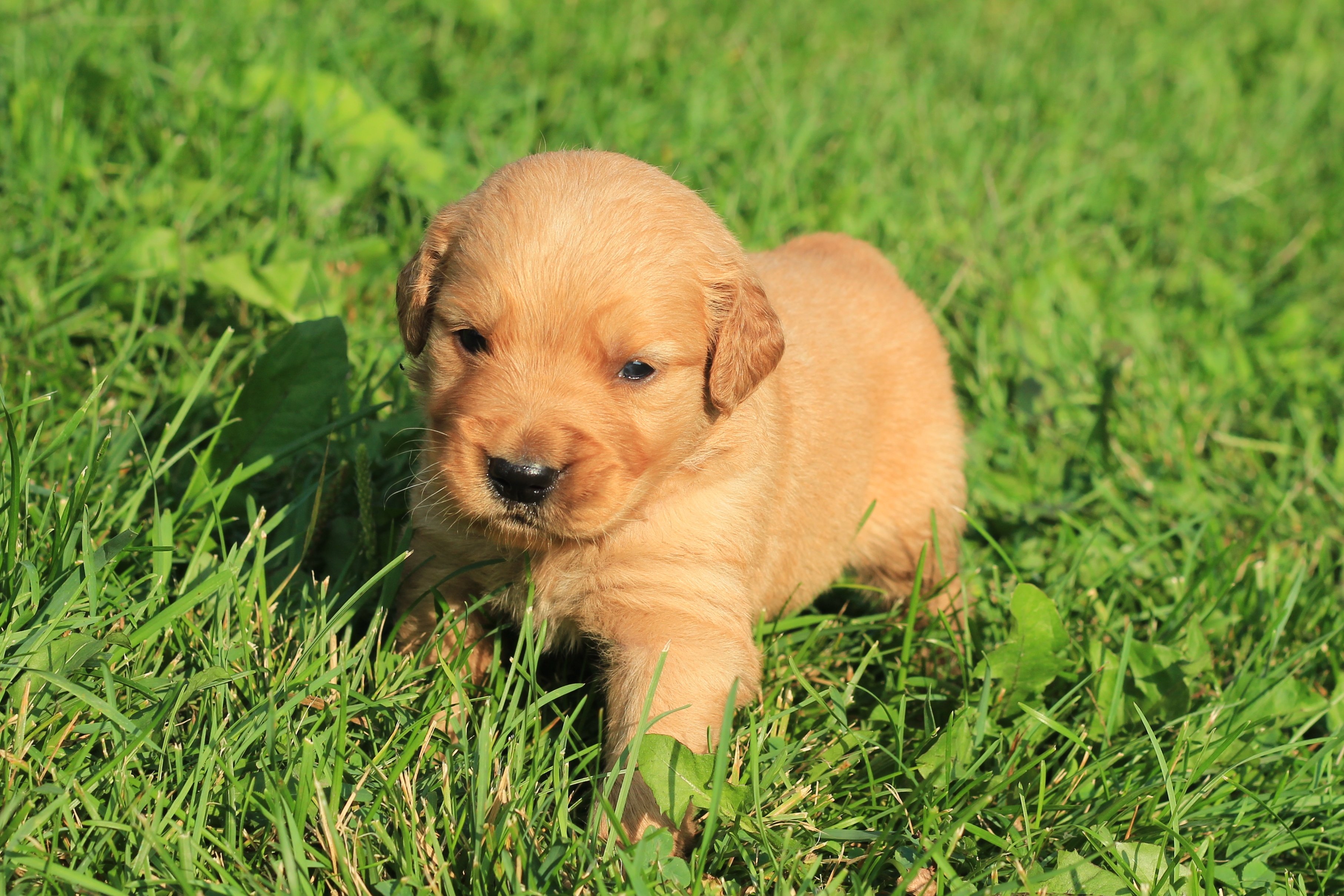
Bringing a puppy home is like adding a furry little tornado of love and chaos to your life. One minute they're stumbling around like a tiny, adorable drunk, the next they're chewing on your favorite shoes. But amidst the whirlwind of puppy breath and potty training, it's easy to get caught up and wonder, "Are they developing normally?"
The first year of a puppy's life is a period of rapid growth and change. It can be overwhelming trying to keep track of everything, from socialization to teething to training. You might find yourself constantly comparing your puppy to others, worrying if they're hitting the right milestones, and feeling lost in a sea of conflicting advice.
This guide is designed to help you navigate the exciting journey of your puppy's first year. We'll break down the key developmental milestones to watch for, providing you with a clear understanding of what to expect and how to support your furry friend every step of the way. We'll cover physical development, behavioral changes, socialization, and training, equipping you with the knowledge to confidently guide your puppy towards becoming a happy, healthy, and well-adjusted adult dog.
Understanding your puppy's developmental journey is crucial. We'll explore crucial milestones in areas like socialization, teething, training, and physical development. Knowing what to anticipate allows you to be proactive in providing the proper support and guidance. From the first wobbly steps to mastering basic commands, we'll equip you with the understanding necessary to enjoy this special time with your puppy and ensure their healthy development. We'll cover topics like puppy socialization, puppy teething, puppy training, puppy physical development.
Puppy Socialization: Building a Confident Companion
Socialization is paramount during the first few months. I remember when we got our golden retriever, Charlie. We were so excited, but also a little nervous about introducing him to the world. We started slowly, taking him to quiet parks where he could observe other dogs from a distance. One day, we cautiously introduced him to a friendly, older Labrador. Charlie was initially hesitant, but the Lab's calm demeanor quickly put him at ease, and they were soon playing together. This experience taught us the importance of controlled and positive interactions during socialization.
Puppy socialization is about exposing your puppy to a wide variety of sights, sounds, people, and experiences in a positive way. This period, typically between 3 and 16 weeks of age, is crucial for shaping their future behavior and preventing fear or aggression. The goal is not just to expose them, but to create positive associations with new things. This means pairing new experiences with treats, praise, or play. It is important to introduce new people, places, sounds, and textures in a controlled and positive manner. A well-socialized puppy is more likely to be confident, adaptable, and less reactive to unfamiliar stimuli as an adult.
Puppy Teething: Easing the Discomfort
Teething is a particularly uncomfortable phase. Puppy teething is a natural process where puppies get a new set of teeth. Typically, puppies start teething at around 4 to 6 months of age. They will start to lose their puppy teeth as their adult teeth begin to come in. During this period, puppies will experience swollen gums and are more likely to chew on things excessively. Provide appropriate chew toys to redirect this behavior away from furniture and other belongings. It's important to monitor your puppy during this time and provide relief through frozen toys or gentle gum massage.
Puppy teething is a normal stage of development, but it can be quite uncomfortable for your little friend. Their gums will be sore as their adult teeth push through, leading to increased chewing. Understanding this process allows you to provide appropriate relief and protect your belongings. You can offer frozen carrots or wet washcloths for them to gnaw on, providing a soothing sensation. Make sure to keep dangerous items out of reach and provide plenty of safe chew toys to satisfy their urge to chew. Also, be patient, as teething can make your puppy more irritable than usual.
Puppy Training: Building a Foundation
The myths about training can be confusing. Many people still believe that puppies can't be trained until they are older, or that certain breeds are simply untrainable. These are dangerous myths. The truth is that early training is essential for building a strong foundation of good behavior. Positive reinforcement methods, such as rewarding desired behaviors with treats and praise, are far more effective than punishment-based approaches. Starting with basic commands like "sit," "stay," and "come" can establish clear communication and help your puppy understand what is expected of them.
Early training is fundamental to establishing good behavior. The biggest myth surrounding puppy training is that you can't start too young. This is completely false! Puppies are incredibly receptive to learning from a very young age. Start with simple commands like "sit," "stay," and "come" using positive reinforcement techniques. This means rewarding your puppy with treats, praise, and affection when they perform the desired behavior. Avoid punishment, as it can create fear and anxiety. Short, frequent training sessions are more effective than long, infrequent ones. Consistency is also key – everyone in the household should use the same commands and reward system.
Puppy Physical Development: Watching Them Grow
One hidden secret is that puppies don't grow at a constant rate. The rate of growth changes as they mature. Knowing the potential health issues related to physical development can help pet parents give the best care for their puppies. From those first wobbly steps to reaching their full adult size, understanding the stages of physical development is crucial for providing proper care and nutrition. Be prepared for periods of rapid growth, followed by plateaus.
Puppy physical development is a fascinating process to watch. They go from tiny, helpless creatures to energetic bundles of fur in a matter of months. But hidden beneath the cuteness is a complex series of developmental changes. Understanding these stages is critical for ensuring your puppy's health and well-being. From the moment they're born, puppies undergo rapid growth, with their weight and size increasing dramatically in the first few weeks. This growth rate slows down as they mature, but it's still essential to provide them with the proper nutrition to support their developing bones, muscles, and organs.
Recommendations for the First Year
My biggest recommendation is to enjoy the journey. I wish I'd stressed less and savored more of those early puppy moments! The first year with your puppy is a special time, filled with challenges and triumphs. It's a time to build a strong bond, establish good habits, and watch your puppy blossom into a confident and well-adjusted companion. Remember that every puppy is different, and they will develop at their own pace. Don't compare your puppy to others; focus on celebrating their individual achievements and providing them with the love and support they need to thrive.
My biggest recommendation is patience and consistency. Puppyhood is a marathon, not a sprint. There will be good days and bad days, moments of frustration and moments of pure joy. The key is to remain patient and consistent in your training, socialization, and care. Build a strong support network. Connect with other puppy owners, dog trainers, or veterinarians who can offer guidance and support along the way. Remember to take care of yourself, too. Raising a puppy can be demanding, so make sure to prioritize your own well-being. A happy and healthy owner makes for a happy and healthy puppy!
Feeding Your Puppy: Nutritional Needs
Ensure your puppy receives appropriate, age-specific nutrition. Puppies need a diet that is specifically formulated for their growth stage, with the right balance of protein, fat, and carbohydrates. Choose a high-quality puppy food recommended by your veterinarian. Follow the feeding guidelines on the food packaging and adjust as needed based on your puppy's weight and activity level. Always provide fresh water and avoid giving your puppy table scraps or human food, as these can be harmful to their digestive system.
Feeding your puppy the right diet is absolutely critical for their healthy growth and development. Puppies have different nutritional needs than adult dogs, requiring more calories and protein to support their rapid growth. Choose a puppy food that is specifically formulated for their age and breed size. These foods are designed to provide the optimal balance of nutrients to support healthy bone development, muscle growth, and overall well-being. The feeding guidelines on the food packaging are a good starting point, but you may need to adjust the amount you feed based on your puppy's individual needs. Factors like activity level and metabolism can influence how much food your puppy needs to thrive.
Tips for a Smooth First Year
One of the most helpful tips is to create a consistent routine. Puppies thrive on structure and predictability. Establish a regular schedule for feeding, potty breaks, playtime, and sleep. This will help your puppy feel secure and confident, making training and socialization much easier. Be prepared for setbacks. Potty accidents, chewing on furniture, and occasional disobedience are all normal parts of puppyhood. Don't get discouraged; simply redirect your puppy's behavior and continue to reinforce positive habits.
To ensure a smooth first year, establish a consistent routine. Puppies are creatures of habit and thrive on predictability. Set a regular schedule for feeding, potty breaks, playtime, and sleep. This will help your puppy feel secure and confident, making training and socialization much easier. Invest in quality supplies. A comfortable crate, a sturdy leash and collar, appropriate chew toys, and a high-quality puppy food are essential for providing your puppy with a safe and enriching environment. Be prepared for setbacks. Potty accidents, chewing on furniture, and occasional disobedience are all normal parts of puppyhood. Don't get discouraged; simply redirect your puppy's behavior and continue to reinforce positive habits.
Vaccination Schedule: Protecting Your Puppy
Adhering to the vaccination schedule is critical. Work closely with your veterinarian to establish a vaccination schedule that is appropriate for your puppy's age, breed, and lifestyle. Vaccinations protect your puppy from a variety of potentially life-threatening diseases, such as parvovirus, distemper, and rabies. Keep accurate records of all vaccinations and boosters, and follow your veterinarian's recommendations for ongoing preventative care.
Vaccination is a cornerstone of preventative healthcare for puppies. It's essential to work closely with your veterinarian to establish a vaccination schedule that is appropriate for your puppy's age, breed, and lifestyle. Vaccinations protect your puppy from a range of potentially fatal diseases, such as parvovirus, distemper, and rabies. These diseases can cause severe illness and even death, especially in young puppies with underdeveloped immune systems. The vaccination schedule typically starts around 6-8 weeks of age and involves a series of booster shots spaced a few weeks apart. This allows your puppy to develop a strong immune response and build protection against these diseases. Your veterinarian will also recommend booster shots at regular intervals throughout your dog's life to maintain their immunity.
Fun Facts About Puppy Development
Did you know that puppies sleep up to 20 hours a day? Sleep is essential for their physical and mental development. Another fun fact is that puppies are born blind and deaf. They rely on their sense of smell and touch to navigate the world until their other senses develop. Understanding these fun facts can give you a greater appreciation for the incredible journey your puppy is on.
Here are some fun facts about puppy development. Puppies sleep a lot! Up to 18-20 hours a day. Sleep is crucial for their growth and development, allowing their bodies and brains to rest and repair. Puppies are born blind and deaf. They rely on their sense of smell and touch to navigate the world for the first few weeks. Their eyes and ears gradually open, and their senses become more acute. Puppies have a surprisingly small bladder. This is why they need to potty so frequently, especially in the first few months. As they grow, their bladder capacity will increase, and they'll be able to hold it for longer periods. A puppy's sense of smell is incredibly powerful. It's estimated to be 10,000 to 100,000 times more sensitive than a human's.
How to Handle Common Puppy Issues
Address common puppy issues with patience and consistency. Biting, chewing, and potty accidents are all normal parts of puppyhood. Redirect unwanted behaviors with appropriate chew toys, establish a consistent potty training routine, and use positive reinforcement to reward desired behaviors. Consult with a veterinarian or professional dog trainer if you are struggling to manage these issues on your own. Remember, patience and consistency are key to overcoming common puppy challenges.
To handle common puppy issues, remember that patience is your best friend. Biting, chewing, and potty accidents are all part of the puppy package. It's important to approach these challenges with a positive and understanding attitude. For biting and nipping, redirect your puppy's attention to a chew toy instead of your hands or clothing. If your puppy gets mouthy during playtime, say "ouch" and stop playing for a few moments. This will teach them that biting leads to the end of fun. Chewing is a natural behavior for puppies, so provide them with plenty of appropriate chew toys to satisfy their urge to gnaw. Rotate the toys regularly to keep them interested.
What If My Puppy Isn't Hitting Milestones?
If you're concerned that your puppy isn't hitting milestones, consult with your veterinarian. Every puppy develops at their own pace, but it's important to rule out any underlying health issues that may be affecting their development. Your veterinarian can perform a physical exam, assess your puppy's overall health, and provide guidance on how to best support their development.
Don't panic if your puppy isn't hitting every milestone precisely on schedule. Every puppy is an individual, and they develop at their own pace. However, if you have concerns about your puppy's development, it's always best to consult with your veterinarian. There could be underlying health issues that are affecting their growth or behavior. For example, certain medical conditions can cause delayed growth, lethargy, or behavioral changes. Your veterinarian can perform a thorough physical exam and run any necessary tests to rule out any medical causes for your concerns. If your puppy is healthy but simply developing at a slower pace, your veterinarian can offer guidance and support.
A Listicle of Puppy Essentials for the First Year
Here are some puppy essentials. A comfortable crate, high-quality puppy food, durable chew toys, a leash and collar, potty training supplies, grooming tools, and a first-aid kit are all essential for providing your puppy with a safe, healthy, and enriching environment. Having these items on hand will make the first year with your puppy much smoother and more enjoyable.
Here's a helpful listicle of puppy essentials for the first year. A high-quality puppy food, formulated for their age and breed size, is essential for supporting their rapid growth and development. A comfortable crate provides a safe and secure den for your puppy, and it can also be a valuable tool for potty training and preventing destructive behavior. Durable chew toys help satisfy your puppy's natural urge to chew and can prevent them from chewing on furniture and other belongings. A leash and collar are essential for walks and training, and they'll help you keep your puppy safe and under control in public. Potty training supplies.
Question and Answer
Q: When should I start socializing my puppy?
A: Socialization should begin as early as possible, ideally between 3 and 16 weeks of age.
Q: How often should I feed my puppy?
A: Puppies typically need to be fed 3-4 times a day until they are about 6 months old, then you can transition to twice a day.
Q: How do I stop my puppy from biting?
A: Redirect biting behavior with appropriate chew toys and use positive reinforcement to reward gentle play.
Q: When will my puppy be fully vaccinated?
A: The vaccination schedule typically starts around 6-8 weeks of age and is completed by around 16 weeks.
Conclusion of Puppy Milestones to Watch in the First Year
The first year with your puppy is a transformative experience. By understanding the key milestones and providing consistent love, care, and training, you'll set your puppy up for a lifetime of happiness and companionship. Embrace the challenges, celebrate the successes, and enjoy every moment of this precious time!
0 Response to "Puppy Milestones to Watch in the First Year"
Post a Comment