How to Recognize Puppy Allergies
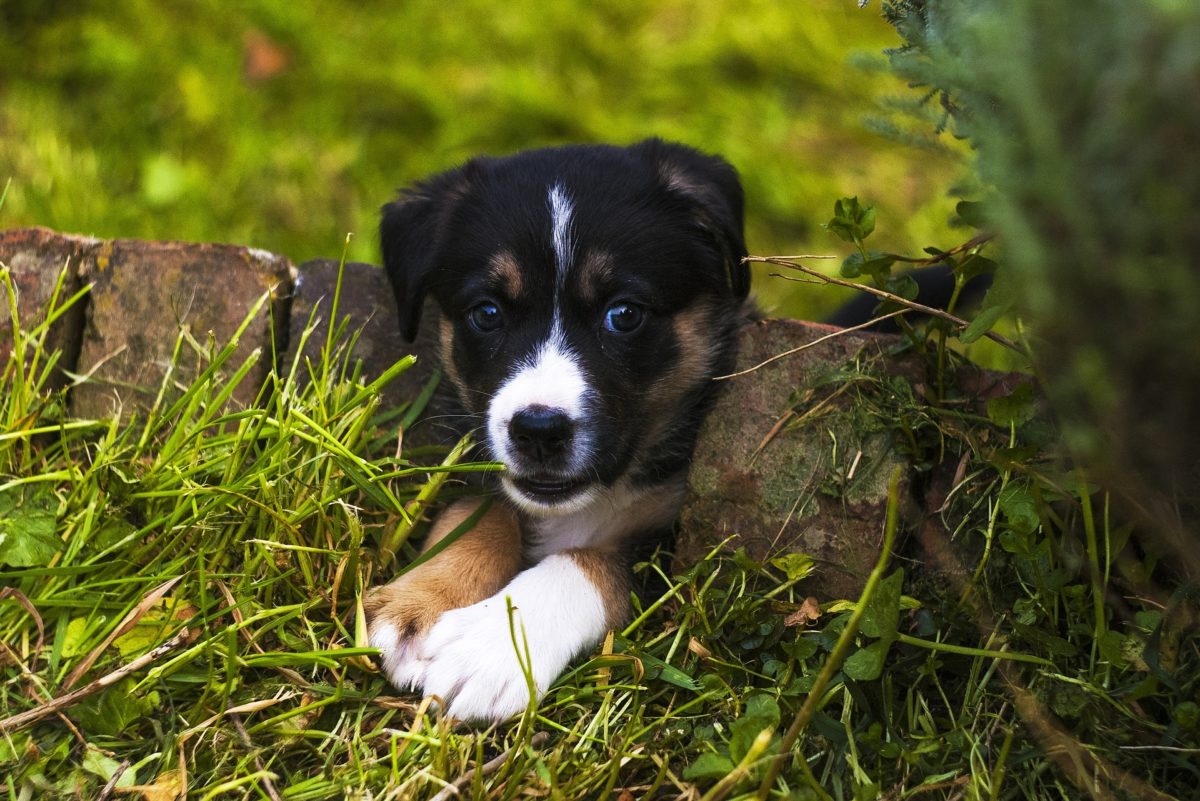
Bringing a new puppy into your life is a joyous occasion, filled with playful nips, clumsy zoomies, and unconditional love. But what happens when that adorable bundle of fur starts exhibiting unsettling symptoms like constant scratching, watery eyes, or digestive upset? It can quickly turn those happy moments into a stressful search for answers.
Watching your puppy suffer through discomfort is heartbreaking. You try different foods, bathe them with special shampoos, and scour the internet for solutions, all while feeling helpless and unsure of what's truly going on. The constant worry about their well-being and the potential vet bills can quickly become overwhelming.
This guide is designed to help you recognize the signs of puppy allergies. We'll explore the common symptoms, potential causes, and steps you can take to help your furry friend find relief. Understanding puppy allergies is the first step in ensuring a happy, healthy life for your new companion.
By understanding the common symptoms like excessive itching, skin rashes, digestive issues, and respiratory problems, you'll be better equipped to identify potential allergies in your puppy. We'll cover potential allergens, diagnostic methods, and strategies for managing allergies, including dietary changes, medication, and environmental adjustments. Keep an eye out for telltale signs like frequent scratching, paw licking, ear infections, vomiting, or diarrhea. Identifying these early can make all the difference in your puppy's comfort and overall well-being. Remember, early detection and management are key to ensuring a happy and healthy life for your furry friend.
Common Allergy Symptoms in Puppies
Recognizing the signs of an allergic reaction in your puppy is crucial for their well-being. One evening, little Bella, my sister's Golden Retriever puppy, started incessantly scratching. At first, we thought it was just normal puppy behavior, but it quickly escalated. She was biting at her paws, rubbing her face on the carpet, and developing small, red bumps on her belly. My sister, panicked, called me. I remembered reading about puppy allergies and suggested she check for other symptoms like watery eyes or runny nose. Sure enough, Bella had both. Suspecting an allergy, my sister immediately booked a vet appointment.
The vet confirmed our suspicions: Bella had allergies. After some investigation, it turned out she was reacting to a new brand of puppy food. Switching her diet made a world of difference. The scratching subsided, the bumps disappeared, and her watery eyes cleared up. This experience highlights how important it is to be observant and proactive. Common allergy symptoms in puppies include excessive scratching, biting, licking, or rubbing, especially around the paws, face, ears, and groin. You might also notice skin rashes, hives, or redness. Some puppies develop ear infections, characterized by head shaking and a foul odor. Digestive issues like vomiting, diarrhea, or excessive gas can also be indicative of allergies. Respiratory symptoms like coughing, sneezing, or a runny nose are less common but can occur. Remember, these symptoms can sometimes be subtle, so pay close attention to any changes in your puppy's behavior or appearance. Identifying these signs early allows you to seek veterinary care and start managing the allergies effectively.
Potential Puppy Allergens
Pinpointing the exact cause of your puppy's allergies can be challenging, as a wide range of substances can trigger a reaction. Understanding the potential allergens is a crucial step in managing their condition. Food allergies are common culprits, with proteins like beef, chicken, dairy, and wheat often being the primary offenders. These ingredients are frequently found in commercial puppy foods, making it essential to carefully read the labels. Environmental allergens, such as pollen, dust mites, mold spores, and certain grasses, can also cause allergic reactions. These allergens are often seasonal, meaning your puppy's symptoms may worsen during specific times of the year.
Flea allergy dermatitis is another common issue, even in puppies who are meticulously groomed. A single flea bite can cause intense itching and skin irritation in sensitive puppies. Contact allergies can occur when your puppy comes into contact with certain materials, such as cleaning products, shampoos, or even the dyes in their bedding. It's important to use hypoallergenic and fragrance-free products whenever possible. Inhalant allergies, caused by airborne allergens like pollen or dust, can also trigger respiratory symptoms like coughing, sneezing, and a runny nose. Identifying the specific allergen often requires allergy testing, which can be performed by your veterinarian. This may involve intradermal skin testing or blood tests to determine which substances your puppy is reacting to. Once you know the allergens, you can take steps to minimize your puppy's exposure and manage their symptoms effectively. Remember, a comprehensive approach that considers both food and environmental factors is essential for successful allergy management.
The History and Myth of Puppy Allergies
The concept of allergies, in general, is a relatively recent development in medical history. While sensitivities and reactions to certain substances have likely existed for centuries, the formal study and understanding of allergies as a distinct medical condition didn't begin until the early 20th century. As veterinary medicine advanced, the recognition of allergies in animals, including puppies, followed suit. Initially, many assumed that skin issues in dogs were simply due to poor hygiene or parasites. However, as research progressed, it became clear that allergies played a significant role.
One common myth surrounding puppy allergies is that they are always caused by food. While food allergies are certainly a concern, they are not the only culprit. Environmental allergens, flea bites, and contact irritants can also trigger allergic reactions. Another misconception is that hypoallergenic dog breeds are completely allergy-free. While these breeds may produce less dander, which is a common allergen for humans, they can still develop allergies themselves. It's also important to dispel the myth that allergies are a death sentence for your puppy. With proper diagnosis and management, most puppies with allergies can lead happy, healthy lives. This often involves a combination of dietary changes, medication, and environmental control. Furthermore, some believe that switching to a grain-free diet automatically resolves food allergies. While grain-free diets can be beneficial for some puppies, they are not a guaranteed solution. It's essential to work with your veterinarian to identify the specific allergen and develop a tailored management plan. Understanding the history and dispelling the myths surrounding puppy allergies can help you make informed decisions about your puppy's care.
The Hidden Secret of Recognizing Puppy Allergies
One of the most overlooked aspects of recognizing puppy allergies is the connection between gut health and the immune system. A healthy gut microbiome plays a crucial role in regulating the immune response, and imbalances in the gut can contribute to allergic reactions. This is often the hidden secret behind persistent allergy symptoms. The gut microbiome is a complex ecosystem of bacteria, fungi, and other microorganisms that reside in the digestive tract. When this ecosystem is balanced, it supports the immune system's ability to distinguish between harmless substances and potential threats.
However, factors like antibiotic use, poor diet, and stress can disrupt the gut microbiome, leading to a condition known as dysbiosis. Dysbiosis can compromise the gut lining, allowing undigested food particles and toxins to enter the bloodstream, triggering an immune response and potentially leading to allergies. Supporting your puppy's gut health through a balanced diet, prebiotics, and probiotics can help strengthen their immune system and reduce their susceptibility to allergies. Prebiotics are non-digestible fibers that feed the beneficial bacteria in the gut, while probiotics are live microorganisms that can help restore balance to the gut microbiome. You can find prebiotics and probiotics in certain puppy foods or as supplements. Additionally, a diet rich in whole foods and low in processed ingredients can promote a healthy gut environment. By addressing gut health, you can uncover a hidden key to managing your puppy's allergies and improving their overall well-being. Remember, a healthy gut is a foundation for a strong immune system and a happy, allergy-free life for your furry friend.
Recommendation of How to Recognize Puppy Allergies
If you suspect your puppy has allergies, the first and most important recommendation is to consult with your veterinarian. They can perform a thorough examination, review your puppy's medical history, and conduct allergy testing to identify the specific allergens triggering their symptoms. Allergy testing typically involves either intradermal skin testing or blood tests. Intradermal skin testing involves injecting small amounts of potential allergens under the skin and observing the reaction. Blood tests measure the levels of specific antibodies in your puppy's blood, indicating which substances they are allergic to.
Once the allergens have been identified, your veterinarian can recommend a tailored management plan. This may include dietary changes, such as switching to a hypoallergenic or limited-ingredient diet. Hypoallergenic diets contain proteins that have been broken down into smaller pieces, making them less likely to trigger an allergic reaction. Limited-ingredient diets contain a small number of ingredients, reducing the chances of exposure to potential allergens. In addition to dietary changes, your veterinarian may prescribe medications to manage your puppy's symptoms. Antihistamines can help relieve itching and inflammation, while corticosteroids can reduce inflammation and suppress the immune response. However, corticosteroids should be used with caution due to potential side effects. In severe cases, allergy immunotherapy, also known as allergy shots, may be recommended. This involves gradually exposing your puppy to small amounts of the allergen over time, helping their immune system become less sensitive to it. Regular veterinary check-ups are essential to monitor your puppy's progress and adjust the management plan as needed. Remember, early diagnosis and a comprehensive approach are key to effectively managing your puppy's allergies and improving their quality of life.
Understanding Allergy Testing Options
When it comes to diagnosing puppy allergies, several testing options are available, each with its own advantages and limitations. Intradermal skin testing, often considered the gold standard, involves injecting small amounts of potential allergens directly into the skin. The vet then observes the injection sites for signs of a reaction, such as redness, swelling, or hives. This method can identify a wide range of allergens, including food, environmental substances, and insect bites. However, it requires the puppy to be sedated or anesthetized, and it may not be suitable for puppies with severe skin conditions.
Blood tests, also known as serum allergy tests, measure the levels of specific antibodies in the puppy's blood. These tests are less invasive than skin testing and can be performed without sedation. However, they may be less accurate in identifying certain allergens, particularly food allergens. It's important to note that blood tests can sometimes produce false positives, meaning they may indicate an allergy even when the puppy is not actually allergic. Another type of allergy testing is elimination diets, which involve feeding the puppy a limited-ingredient diet for several weeks and gradually reintroducing potential allergens to see if they trigger a reaction. This method can be time-consuming and requires strict adherence to the diet, but it can be helpful in identifying food allergies. Regardless of the testing method used, it's crucial to work closely with your veterinarian to interpret the results and develop an appropriate management plan. They can help you understand the accuracy and limitations of each test and make informed decisions about your puppy's care. Remember, allergy testing is just one piece of the puzzle; a comprehensive approach that considers your puppy's history, symptoms, and lifestyle is essential for effective allergy management.
Tips for Managing Puppy Allergies at Home
Managing puppy allergies often requires a multi-faceted approach that includes dietary changes, environmental adjustments, and symptom relief. One of the most important tips is to maintain a consistent and hypoallergenic diet. Work with your veterinarian to select a food that is free from common allergens like beef, chicken, dairy, and wheat. Consider a limited-ingredient diet to minimize the risk of exposure to potential allergens. It's also crucial to avoid feeding your puppy table scraps or treats that contain unknown ingredients.
Creating a hypoallergenic environment at home can also help reduce your puppy's exposure to allergens. Regularly vacuum and dust your home to remove dust mites, pollen, and other allergens. Use hypoallergenic bedding and wash it frequently in hot water. Consider using an air purifier with a HEPA filter to remove airborne allergens. Bathing your puppy regularly with a hypoallergenic shampoo can help remove allergens from their skin and coat. Avoid using harsh soaps or detergents that can irritate their skin. You can also use a damp cloth to wipe your puppy down between baths to remove surface allergens. For puppies with flea allergies, strict flea control is essential. Use a veterinarian-approved flea preventative year-round and treat your home and yard for fleas. Regularly groom your puppy to remove loose fur and dander. Brushing them outdoors can help prevent allergens from entering your home. By implementing these tips, you can create a more comfortable and allergy-friendly environment for your puppy.
The Importance of a Consistent Diet
Maintaining a consistent diet is paramount when managing puppy allergies, as even small dietary changes can trigger a reaction. Once you and your veterinarian have identified a suitable hypoallergenic or limited-ingredient diet, it's crucial to stick with it. Avoid switching foods frequently or offering your puppy table scraps or treats that contain unknown ingredients. This consistency helps prevent flare-ups and allows you to accurately assess the effectiveness of the diet.
When introducing a new food, do so gradually over a period of several days to minimize the risk of digestive upset. Start by mixing a small amount of the new food with the old food and gradually increase the proportion of new food over time. Always monitor your puppy for any signs of an allergic reaction, such as itching, skin rashes, or digestive issues. If you notice any adverse reactions, discontinue the new food and consult with your veterinarian. It's also important to be mindful of hidden allergens in treats and chews. Many commercial treats contain ingredients that are common allergens, such as beef, chicken, or dairy. Opt for hypoallergenic treats or consider making your own using simple, single-ingredient recipes. Water is just as important as the right puppy food. You need to make sure that your puppy has access to clean and fresh water all the time to avoid issues. Consulting with a veterinary nutritionist can also be beneficial, as they can help you create a balanced and hypoallergenic diet tailored to your puppy's specific needs. Remember, a consistent and well-planned diet is a cornerstone of successful allergy management in puppies.
Fun Facts About Puppy Allergies
Did you know that puppies can develop allergies at any age, but they are most commonly diagnosed between 6 months and 3 years old? Or that certain breeds, such as Golden Retrievers, Labrador Retrievers, and German Shepherds, are more prone to allergies than others? These fun facts highlight the complexities of puppy allergies and the importance of being vigilant about your furry friend's health.
Another interesting fact is that allergies can sometimes mimic other health conditions, making diagnosis challenging. Symptoms like excessive scratching or ear infections can also be caused by parasites, skin infections, or hormonal imbalances. This underscores the importance of seeking veterinary care for accurate diagnosis and treatment. It's also fascinating to note that allergies can change over time. A puppy may initially be allergic to one substance and later develop allergies to other substances. This is why regular veterinary check-ups and allergy testing are crucial for long-term management. Furthermore, studies have shown that early exposure to a variety of allergens can sometimes help prevent the development of allergies later in life. This is based on the concept of immune tolerance, where the immune system learns to recognize and tolerate harmless substances. While more research is needed in this area, it suggests that a diverse and balanced environment may be beneficial for puppies. Finally, it's worth mentioning that allergies can impact a puppy's behavior. Constant itching and discomfort can lead to irritability, anxiety, and even aggression. Addressing the allergies can significantly improve your puppy's quality of life and overall well-being. Learning these fun facts can deepen your understanding of puppy allergies and motivate you to take proactive steps to protect your furry friend's health.
How to Prevent Puppy Allergies
While it's not always possible to completely prevent puppy allergies, there are steps you can take to minimize the risk and support your puppy's immune system. One of the most important is to choose a reputable breeder who screens their dogs for allergies and other health conditions. Genetic predisposition plays a significant role in the development of allergies, so selecting a puppy from healthy parents can reduce their chances of inheriting allergies. Early socialization and exposure to a variety of environments and stimuli can also help strengthen your puppy's immune system. This can involve exposing them to different people, animals, and places in a safe and controlled manner.
Feeding your puppy a high-quality, balanced diet from the start is crucial for their overall health and immune function. Look for puppy foods that contain whole, unprocessed ingredients and avoid those that are high in fillers or artificial additives. Probiotics and prebiotics can also help support a healthy gut microbiome, which plays a vital role in immune regulation. Avoid over-vaccinating your puppy, as this can sometimes trigger an immune response and potentially contribute to the development of allergies. Follow your veterinarian's recommendations for vaccination schedules and discuss any concerns you may have. Minimize your puppy's exposure to potential allergens, such as dust mites, pollen, and mold. Regularly clean your home, wash bedding frequently, and use an air purifier with a HEPA filter. Promptly treat any flea infestations, as flea bites can trigger allergic reactions in sensitive puppies. By taking these preventive measures, you can help reduce your puppy's risk of developing allergies and support their overall well-being.
What If Puppy Allergies Go Untreated?
Ignoring puppy allergies can lead to a cascade of health problems and significantly impact your furry friend's quality of life. Untreated allergies can cause chronic itching, which can lead to self-inflicted trauma from excessive scratching, biting, and licking. This can result in skin infections, hair loss, and thickening of the skin.
Chronic ear infections are another common consequence of untreated allergies. The inflammation and irritation caused by allergies can create a breeding ground for bacteria and yeast, leading to recurrent ear infections. Digestive issues, such as vomiting and diarrhea, can also become chronic if allergies are not addressed. This can lead to dehydration, weight loss, and nutritional deficiencies. In severe cases, untreated allergies can trigger respiratory problems, such as asthma or bronchitis. The inflammation and irritation of the airways can make it difficult for your puppy to breathe. Allergies can also affect your puppy's behavior. Constant discomfort can lead to irritability, anxiety, and even aggression. They may become withdrawn or less playful. In addition, untreated allergies can weaken your puppy's immune system, making them more susceptible to other infections and diseases. The constant immune response to allergens can deplete the body's resources, leaving them vulnerable to other health threats. It's important to remember that allergies are not just a minor inconvenience; they can have serious consequences if left untreated. Early diagnosis and management are essential for preventing these complications and ensuring a happy, healthy life for your puppy.
Listicle: Top 5 Ways to Soothe Your Itchy Puppy
When your puppy is constantly scratching and uncomfortable, it's natural to want to provide them with some relief. Here are five effective ways to soothe your itchy puppy:
- Hypoallergenic Baths: Bathing your puppy with a hypoallergenic shampoo can help remove allergens from their skin and coat and reduce inflammation. Use lukewarm water and gently massage the shampoo into their fur, avoiding the eyes and ears. Rinse thoroughly and pat dry with a soft towel.
- Cool Compresses: Applying cool compresses to itchy areas can provide temporary relief. Soak a clean cloth in cool water and apply it to the affected area for 5-10 minutes at a time.
- Oatmeal Baths: Oatmeal has anti-inflammatory properties and can help soothe irritated skin. You can purchase colloidal oatmeal bath products or make your own by grinding plain oatmeal into a fine powder and adding it to a lukewarm bath.
- Topical Creams and Sprays: Your veterinarian may recommend topical creams or sprays containing ingredients like hydrocortisone or antihistamines to help relieve itching and inflammation. Follow your veterinarian's instructions carefully when using these products.
- Omega-3 Fatty Acids: Supplementing your puppy's diet with omega-3 fatty acids can help improve their skin health and reduce inflammation. Fish oil is a good source of omega-3 fatty acids. Consult with your veterinarian to determine the appropriate dosage for your puppy.
Remember, these are just temporary measures to provide relief. It's essential to address the underlying cause of the itching by working with your veterinarian to identify and manage your puppy's allergies. Provide your puppy with constant love and support.
Question and Answer about How to Recognize Puppy Allergies
Here are some frequently asked questions about puppy allergies:
Q: What are the most common allergens for puppies?
A: The most common allergens for puppies include food ingredients like beef, chicken, dairy, and wheat, as well as environmental allergens like pollen, dust mites, and mold.
Q: How can I tell if my puppy has food allergies or environmental allergies?
A: Food allergies often cause digestive issues like vomiting and diarrhea, while environmental allergies tend to cause skin problems like itching and rashes. However, symptoms can overlap, so allergy testing is often necessary to determine the specific allergens.
Q: What can I do to reduce my puppy's exposure to allergens at home?
A: Regularly vacuum and dust your home, use hypoallergenic bedding, wash bedding frequently, and consider using an air purifier with a HEPA filter. You can also minimize your puppy's exposure to outdoor allergens during peak pollen seasons.
Q: Are there any natural remedies for puppy allergies?
A: Some natural remedies that may provide relief include oatmeal baths, cool compresses, and omega-3 fatty acid supplements. However, it's important to consult with your veterinarian before using any natural remedies, as they may not be effective for all puppies and could potentially interact with other medications.
Conclusion of How to Recognize Puppy Allergies
Recognizing puppy allergies requires vigilance and understanding. By being aware of the common symptoms, potential allergens, and management strategies, you can provide your furry friend with the care and support they need to live a happy, healthy life. Early detection and a proactive approach are key to minimizing the impact of allergies on your puppy's well-being. Remember to work closely with your veterinarian to develop a tailored management plan that addresses your puppy's specific needs. With proper care and attention, you can help your puppy overcome allergies and enjoy a lifetime of playful companionship.
0 Response to "How to Recognize Puppy Allergies"
Post a Comment