How to Prevent Separation Issues in Puppies
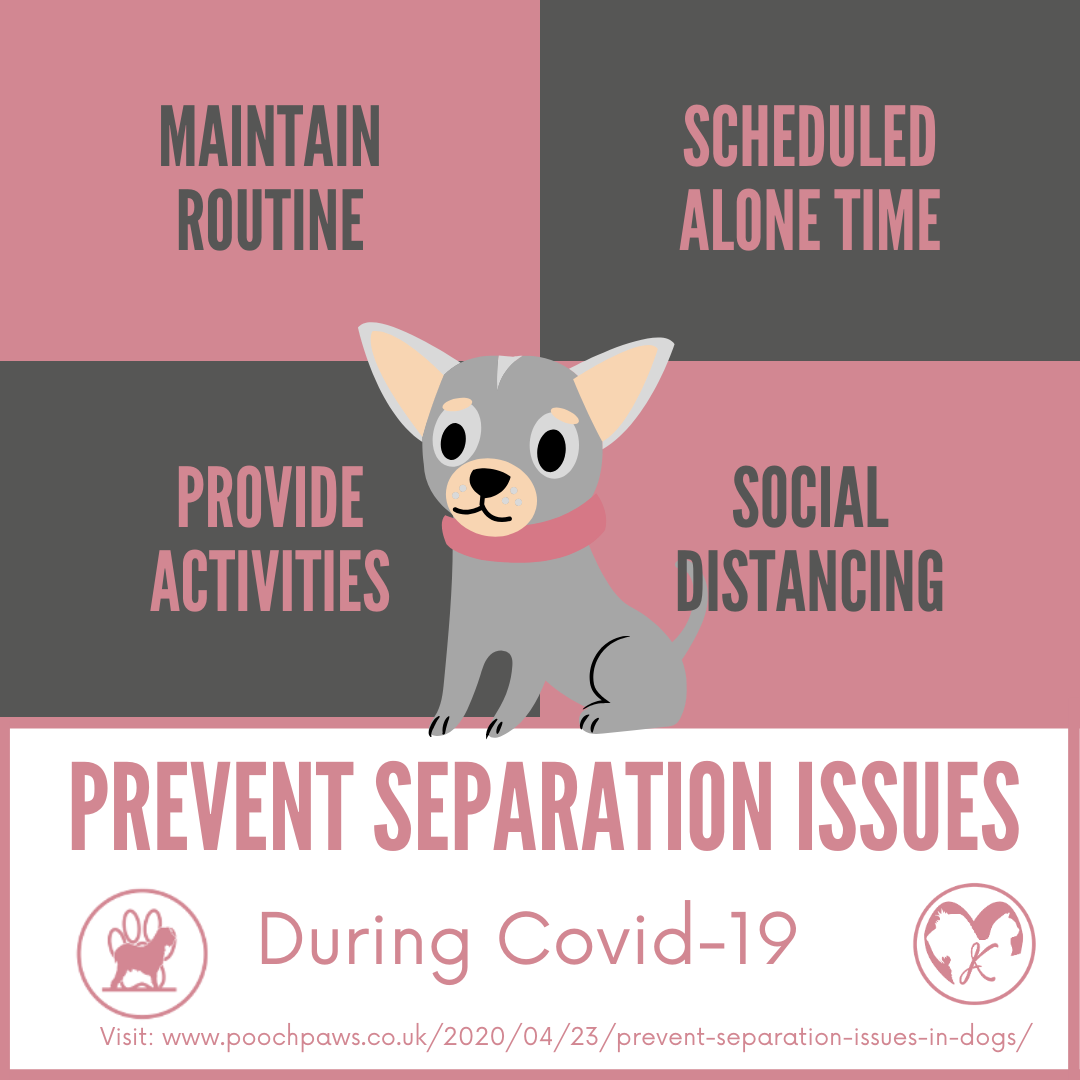
Bringing a new puppy into your home is one of life's greatest joys. That tiny ball of fur quickly steals your heart, filling your days with playful antics and unconditional love. But what happens when you have to leave that adorable face behind, even for a little while? Do you worry about how they'll cope without you?
The thought of your puppy feeling anxious, scared, or lonely while you're away can be incredibly distressing. Imagine the whimpering, the destructive chewing, the frantic barking – all signs of a pup struggling to adjust to being alone. The guilt can be overwhelming, making it hard to focus on work or enjoy time away, knowing your furry friend is having a tough time.
The good news is, you can take proactive steps to help your puppy develop into a confident, independent dog who feels secure even when you're not around. Preventing separation issues starts from day one and involves creating a safe and positive environment where your puppy learns to be comfortable on their own. This guide will walk you through the essential strategies to help your puppy thrive, whether you're popping out for a quick errand or heading to work for the day.
By implementing strategies such as creating a safe space, practicing gradual departures, providing engaging toys, and establishing a consistent routine, you can lay a solid foundation for your puppy's emotional well-being. This will ensure they grow into a well-adjusted companion. We'll explore the importance of positive reinforcement, desensitization techniques, and understanding your puppy's individual needs to help them develop into a confident and independent dog, ready to face the world, even when you're not by their side. Think of it as building a tiny fortress of independence, brick by brick, chew toy by chew toy.
Creating a Safe and Secure Space
This is the cornerstone of preventing separation anxiety. Think of it as your puppy's personal sanctuary, a place where they feel completely safe, relaxed, and in control. It should be a comfortable den, like a crate or a designated area in a room, stocked with cozy bedding, familiar toys, and maybe even an old t-shirt that smells like you. I remember when we brought our Golden Retriever, Gus, home. He was terrified of his crate at first! We started by feeding him his meals inside, tossing treats in, and leaving the door open so he could explore it on his own terms. Slowly, he started to associate the crate with positive experiences. He'd go in there to nap, even when we weren't asking him to. That's when we knew we'd created a true safe space for him. The key is to never use this area as punishment. It should always be a positive retreat. When you leave, make sure your puppy has access to this space. This could be a crate or a specific room. Fill it with comforting items like a favorite blanket, a toy that dispenses treats, or even an old t-shirt that smells like you. The goal is to make being alone in this space a pleasant experience. It's not just about confinement; it's about providing a sense of security and comfort. Avoid making a big fuss when you leave or return. Keep departures and arrivals low-key. This helps prevent your puppy from associating your absence with heightened emotions, such as anxiety or excitement. A calm demeanor reassures them that everything is normal and that your return is inevitable.
Gradual Departures
Preventing separation anxiety isn't about throwing your puppy into the deep end. It’s about gently acclimating them to your absence, one step at a time. Gradual departures involve starting with very short periods of separation and gradually increasing the duration as your puppy becomes more comfortable. This helps them learn that you always come back and that being alone isn't something to fear. A common mistake is leaving a puppy alone for too long too soon. This can trigger anxiety and make it harder to train them later. Instead, start with just a few minutes. Leave the room, close the door, and then come back. As your puppy gets used to this, slowly increase the time you're gone. You can also practice leaving the house for short periods. Start with just a few minutes, and then gradually increase the time. The goal is to make your departures and returns seem like no big deal. Avoid making a fuss when you leave or when you come back. This can actually make your puppy more anxious. Instead, just leave and return calmly. This will help your puppy learn that being alone is a normal part of life.
The Myth of Constant Companionship
There's a common misconception that puppies need constant attention and should never be left alone. While it's natural to want to shower your new furry friend with love and affection, this constant attention can actually hinder their ability to develop independence and cope with being alone. Historically, dogs lived in packs and were accustomed to periods of separation from their pack members. They would often roam and explore independently before returning to the group. In modern society, we have domesticated dogs to a point where they rely on us for almost everything. This can create a dependency that leads to separation anxiety. The myth of constant companionship stems from our desire to provide the best possible care for our pets. We want them to feel loved and secure, so we try to be with them as much as possible. However, this can unintentionally create a situation where they become overly reliant on our presence. It's important to remember that dogs are naturally resilient creatures. They are capable of adapting to different environments and coping with periods of separation. By gradually exposing your puppy to alone time, you are actually helping them develop the skills they need to be confident and well-adjusted. It's not about neglecting your puppy; it's about teaching them to be comfortable and secure in their own company. This will ultimately lead to a happier and healthier relationship for both of you.
Unlocking the Secrets of Enrichment
One of the hidden secrets to preventing separation anxiety is enrichment! A bored puppy is far more likely to become anxious when left alone. Think about it – they have all that pent-up energy and nothing to do but worry about where you've gone. Enrichment activities provide mental stimulation and physical exercise, which can help alleviate boredom and reduce anxiety. Puzzle toys are a fantastic way to keep your puppy entertained while you're away. These toys require them to solve a problem in order to get a treat, which can keep them occupied for a long time. You can also rotate toys regularly to keep things interesting. A different toy each day can provide a fresh challenge and prevent boredom. Environmental enrichment is another important aspect. This could include leaving the radio on to provide background noise, providing a window view so they can watch the world go by, or even creating a designated digging area in the backyard. The key is to provide a variety of activities that engage your puppy's senses and keep them mentally and physically stimulated. By addressing their need for stimulation, you can help them feel more content and less anxious when they're alone. Remember, a tired puppy is a happy puppy, and a happy puppy is less likely to develop separation anxiety.
Professional Help: When to Seek Guidance
While many cases of mild separation anxiety can be managed with the strategies outlined above, sometimes professional help is necessary. Don't hesitate to reach out to a certified professional dog trainer or a veterinary behaviorist if you're struggling to manage your puppy's anxiety. They can provide tailored advice and guidance based on your puppy's specific needs and circumstances. A trainer can help you implement behavior modification techniques, such as counter-conditioning and desensitization, to help your puppy overcome their fear of being alone. A veterinary behaviorist can assess your puppy's overall health and rule out any underlying medical conditions that may be contributing to their anxiety. They can also prescribe medication, if necessary, to help manage severe anxiety. It's important to choose a qualified and experienced professional who uses positive reinforcement methods. Avoid trainers who advocate for punishment-based techniques, as these can actually exacerbate anxiety and create other behavioral problems. Remember, seeking professional help is not a sign of failure. It's a sign that you are committed to providing the best possible care for your puppy. With the right guidance and support, you can help your puppy overcome their separation anxiety and live a happy, fulfilling life.
The Power of Routine
Routines are incredibly important for puppies. They provide a sense of predictability and security, which can be especially helpful for puppies prone to anxiety. A consistent daily routine can help your puppy feel more confident and relaxed, knowing what to expect throughout the day. This includes consistent feeding times, potty breaks, playtime, and nap times. When your puppy knows when they're going to be fed, taken outside, or played with, they feel more secure and less anxious. A predictable routine also helps regulate their internal clock, which can improve their sleep patterns and overall well-being. Before you leave, stick to your regular routine. This might include a walk, a play session, or a meal. This helps your puppy expend some energy and feel more relaxed before you go. Avoid making any sudden changes to your routine, especially before you leave. This can trigger anxiety and make it harder for your puppy to cope with your absence. For example, if you usually take your puppy for a walk in the morning, don't skip it just because you're running late. A consistent routine is a powerful tool for managing separation anxiety. By providing your puppy with a predictable and structured environment, you can help them feel more secure and confident, even when you're not around. Think of it as building a foundation of stability that supports their emotional well-being.
Essential Training Tips
Training isn't just about teaching your puppy to sit and stay; it's also about building their confidence and independence. Basic obedience training can help your puppy feel more secure and in control, which can reduce anxiety. Start with simple commands like "sit," "stay," and come.Positive reinforcement is key – reward your puppy with treats, praise, or toys when they perform the desired behavior. This will help them associate training with positive experiences. "Stay" is a particularly useful command for preventing separation anxiety. It teaches your puppy to be comfortable being alone, even for short periods of time. Start by asking your puppy to stay for just a few seconds, and then gradually increase the time as they become more comfortable. It's also important to teach your puppy to be comfortable with being alone in different parts of the house. You can do this by having them "stay" in one room while you go to another. Gradually increase the distance and the time you're gone. Remember, consistency is key. Practice these training exercises regularly, even when you're not planning on leaving. This will help your puppy generalize the skills and feel more confident in all situations. By incorporating training into your daily routine, you can help your puppy develop into a well-adjusted and independent dog who can cope with being alone.
Crate Training: A Powerful Tool
Crate training can be a powerful tool for preventing separation anxiety, but it's crucial to do it correctly. A crate should never be used as punishment. Instead, it should be a safe and comfortable den where your puppy feels secure. Introduce the crate gradually and make it a positive experience. Start by feeding your puppy their meals inside the crate with the door open. This will help them associate the crate with positive things. You can also toss treats or toys into the crate to encourage them to go inside. Once your puppy is comfortable going into the crate, you can start closing the door for short periods of time. Gradually increase the amount of time they spend in the crate, always rewarding them with treats and praise. Never force your puppy into the crate or leave them in there for excessive periods of time. This can create negative associations and exacerbate anxiety. When you're away, leave the crate door open if possible. This will allow your puppy to come and go as they please. If you need to crate your puppy while you're gone, make sure they have plenty of toys, water, and a comfortable bed. Crate training can be a valuable tool for preventing separation anxiety, but it's important to do it slowly and patiently. By creating a positive association with the crate, you can help your puppy feel safe and secure, even when they're alone.
Fun Facts About Puppy Independence
Did you know that some breeds are naturally more independent than others? Breeds like Shiba Inus and Basenjis are known for their independent nature and may be less prone to separation anxiety than breeds like Labrador Retrievers or Cavalier King Charles Spaniels, who tend to be more attached to their owners. Another interesting fact is that puppies actually go through a "fear period" during their development, usually between 8 and 16 weeks of age. During this time, they may be more sensitive to new experiences and more prone to anxiety. It's important to be extra patient and supportive during this period and avoid exposing them to stressful situations. You can also use positive reinforcement to help them overcome their fears. For example, if your puppy is afraid of loud noises, you can pair the noise with a treat or a toy. This will help them associate the noise with positive experiences. Another fun fact is that dogs can actually tell time! They may not understand the concept of hours and minutes, but they can definitely sense when it's time for their walk or their meal. This is why it's so important to establish a consistent routine. By knowing what to expect throughout the day, your puppy will feel more secure and less anxious. So, while separation anxiety can be a challenge, it's important to remember that puppies are resilient creatures. With patience, consistency, and the right training, you can help your puppy develop into a confident and independent dog who can cope with being alone.
Step-by-Step Guide to Preventing Separation Issues
Preventing separation issues requires a proactive approach. Start by creating a safe and secure space for your puppy, as we discussed earlier. This will be their sanctuary, a place where they feel comfortable and relaxed. Next, begin practicing gradual departures. Start with short periods of separation and gradually increase the duration as your puppy becomes more comfortable. Provide plenty of enrichment activities to keep your puppy mentally and physically stimulated while you're away. Puzzle toys, interactive games, and even a Kong filled with frozen treats can help keep them occupied. Establish a consistent routine to provide predictability and security. Consistent feeding times, potty breaks, playtime, and nap times will help your puppy feel more confident and relaxed. Use positive reinforcement training to build your puppy's confidence and independence. Teach them basic commands like "sit," "stay," and "come," and reward them with treats and praise when they perform the desired behavior. Crate training can be a valuable tool, but it's crucial to do it correctly. Never use the crate as punishment, and always make it a positive experience for your puppy. Monitor your puppy's behavior for signs of anxiety. If you notice any signs of distress, such as excessive barking, destructive chewing, or pacing, consult with a certified professional dog trainer or a veterinary behaviorist. Remember, preventing separation issues is an ongoing process. Be patient, consistent, and loving, and your puppy will eventually learn to be comfortable and confident when they're alone.
What If You Missed the Early Window?
It's natural to worry if you feel like you missed the early window for preventing separation anxiety. Maybe you adopted an older puppy, or perhaps you weren't aware of the importance of early intervention. Don't panic! While it's ideal to start early, it's never too late to address separation issues. The key is to be patient and consistent, and to adjust your approach to meet your puppy's current needs. If your puppy already exhibits signs of separation anxiety, start by identifying the triggers. What specific events or situations seem to trigger their anxiety? Is it when you pick up your keys, put on your shoes, or leave the house? Once you've identified the triggers, you can start to desensitize your puppy to them. For example, if they get anxious when you pick up your keys, start by picking up your keys and then putting them down without leaving. Repeat this process several times a day until your puppy no longer reacts to it. You can also use counter-conditioning to change your puppy's association with the triggers. For example, when you pick up your keys, give your puppy a high-value treat. This will help them associate the keys with positive experiences. Remember, it's important to be patient and consistent. It may take time for your puppy to overcome their anxiety. If you're struggling to manage your puppy's anxiety on your own, don't hesitate to seek professional help. A certified professional dog trainer or a veterinary behaviorist can provide tailored advice and guidance based on your puppy's specific needs.
Top 5 Tips to Prevent Separation Issues: A Listicle
Here's a quick list of the top 5 things you can do to help prevent separation anxiety in your puppy:
- Create a Safe Haven: Designate a comfortable and secure space for your puppy to retreat to when they're feeling anxious. This could be a crate, a bed, or even just a quiet corner of the room.
- Practice Gradual Departures: Start with short periods of separation and gradually increase the duration as your puppy becomes more comfortable.
- Enrich Their Environment: Provide plenty of puzzle toys, interactive games, and other activities to keep your puppy mentally and physically stimulated while you're away.
- Establish a Routine: A consistent daily routine will help your puppy feel more secure and relaxed.
- Seek Professional Help: Don't hesitate to consult with a certified professional dog trainer or a veterinary behaviorist if you're struggling to manage your puppy's anxiety.
Remember, preventing separation anxiety is an investment in your puppy's well-being. By following these tips, you can help your puppy develop into a confident and independent dog who can cope with being alone.
Question and Answer
Here are some frequently asked questions about preventing separation anxiety in puppies:
Question 1: How early should I start addressing separation anxiety?
Answer: It's best to start from day one. As soon as you bring your puppy home, begin creating a safe space and practicing short periods of separation.
Question 2: What are the signs of separation anxiety in puppies?
Answer: Signs can include excessive barking, destructive chewing, pacing, trying to escape, and urinating or defecating indoors when left alone.
Question 3: Is it okay to ignore my puppy when I leave so they don't get upset?
Answer: Yes, it's best to keep departures and arrivals low-key. Making a big fuss can actually increase anxiety. A calm demeanor reassures them that everything is normal.
Question 4: Are some breeds more prone to separation anxiety than others?
Answer: Yes, certain breeds, such as Labrador Retrievers and Cavalier King Charles Spaniels, tend to be more attached to their owners and may be more prone to separation anxiety than more independent breeds.
Conclusion of How to Prevent Separation Issues in Puppies
Preventing separation issues in puppies is a journey that requires patience, understanding, and a proactive approach. By creating a safe and secure environment, practicing gradual departures, providing engaging enrichment activities, and establishing a consistent routine, you can lay the foundation for your puppy's emotional well-being. Remember, it's never too late to address separation issues, even if you feel like you've missed the early window. With the right strategies and support, you can help your puppy develop into a confident, independent, and happy companion, ready to face the world, even when you're not by their side. So, take a deep breath, embrace the process, and enjoy the journey of raising a well-adjusted and emotionally secure puppy. They will thank you for it with years of unconditional love and companionship.
0 Response to "How to Prevent Separation Issues in Puppies"
Post a Comment