Creating the Perfect Playpen Setup for Puppies
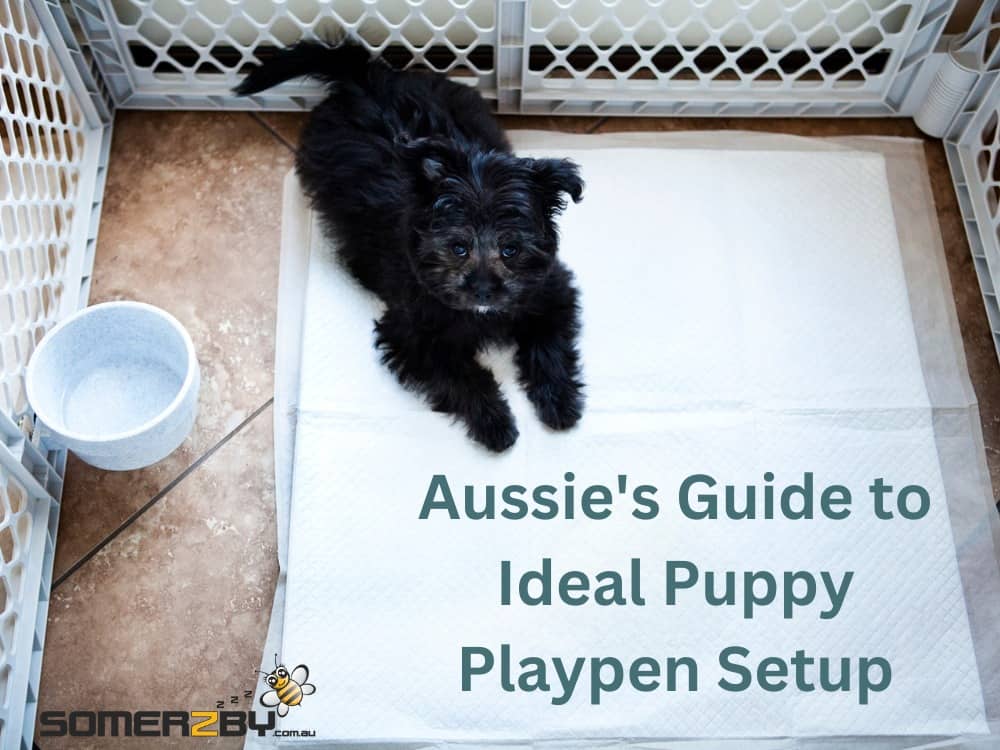
Bringing a new puppy home is an exciting time! But amidst all the cuddles and playtime, there's the practical side of puppy parenthood to consider. Creating a safe, comfortable, and stimulating environment for your little one is crucial, and a playpen can be a lifesaver.
Many new puppy owners face similar hurdles: constant supervision, chewed furniture, potty training accidents scattered throughout the house, and the overwhelming feeling of being unable to leave your puppy alone for even a short period. It can feel like your life has been completely taken over by this tiny, adorable ball of fur!
This guide is here to help you create the perfect puppy playpen setup, ensuring your puppy's safety and well-being while giving you some much-needed peace of mind. We'll cover everything from choosing the right playpen to stocking it with essential items and making it a fun and engaging space for your furry friend.
In this guide, we'll dive into the world of puppy playpens. We'll explore the different types available, discuss essential supplies like bedding, toys, and potty pads, and offer tips on how to make the playpen a positive and enjoyable space for your puppy. Creating the right setup promotes good habits, aids in potty training, and provides a safe haven for your growing pup. We'll cover topics from size and materials, to enrichment and safety considerations, ensuring you can create the perfect playpen setup for your new puppy.
Choosing the Right Playpen for Your Puppy
Choosing the right playpen is the foundation for creating a comfortable and secure space for your puppy. The goal here is to select a playpen that suits your puppy's size, breed, and activity level, and also fits well into your home environment. It's not just about containment; it's about providing a safe and enriching area where your puppy can learn, play, and rest.
I remember when I first got my golden retriever puppy, Bailey. I thought any playpen would do, so I opted for a small, inexpensive one. Big mistake! Within weeks, Bailey had outgrown it, and he was constantly trying to jump over the sides. It became a source of stress for both of us. After doing some research, I realized I needed a much larger, sturdier playpen that could accommodate his size and energy levels. I ended up getting a metal playpen with higher walls, and it made all the difference. Bailey had plenty of room to move around, and I no longer worried about him escaping.
When selecting a playpen, consider your puppy’s breed and expected adult size. Smaller breeds might do well with a smaller, more portable playpen, while larger breeds will need something more spacious and robust. Look for playpens made from durable materials that can withstand chewing and scratching. Metal playpens are a great option for larger breeds or puppies who are known to be escape artists, while fabric playpens can be a good choice for smaller, less destructive pups. Make sure the playpen is easy to clean and maintain, as accidents are bound to happen. Also, consider the space you have available in your home. Measure the area where you plan to set up the playpen to ensure it fits comfortably without overcrowding the room. A well-chosen playpen will provide a safe and comfortable space for your puppy to grow and learn, making the early stages of puppyhood much more manageable.
Essential Supplies for a Puppy Playpen
The essential supplies for a puppy playpen go beyond just the basic structure. Think of it as creating a mini-home for your puppy, complete with everything they need for comfort, safety, and stimulation. It involves setting up a space where your puppy feels secure and has access to food, water, a comfortable bed, and engaging toys.
The necessities include a comfortable bed or blanket, food and water bowls, potty pads (if you're not able to get outside frequently), and a variety of toys to keep your puppy entertained. These items should be arranged in a way that is both functional and appealing to your puppy. For instance, place the food and water bowls away from the potty area to maintain hygiene. A comfortable bed should be in a quiet corner where your puppy can retreat to for rest. Toys should be rotated regularly to keep your puppy interested and prevent boredom.
Safety is also a key consideration when choosing supplies. Make sure that all items are non-toxic and cannot be easily chewed or swallowed. Avoid toys with small parts that could pose a choking hazard. Regularly inspect the playpen and its contents for any signs of damage or wear and tear. By carefully selecting and arranging the essential supplies, you can create a playpen that not only meets your puppy's basic needs but also promotes their physical and mental well-being. Remember, a well-equipped playpen is an investment in your puppy's happiness and your peace of mind.
Creating a Positive Association with the Playpen
Creating a positive association with the playpen involves making it a place your puppy loves to be, rather than a place of confinement or punishment. It's about building trust and ensuring your puppy sees the playpen as a safe, fun, and rewarding space. This is crucial for preventing anxiety and encouraging your puppy to happily spend time in their designated area.
The key is to introduce the playpen gradually and make it a positive experience from the start. Start by placing the playpen in a central location where your puppy can still see and interact with you. Make the inside inviting by placing a comfortable bed, some favorite toys, and a few treats inside. Encourage your puppy to enter the playpen by tossing treats inside and praising them when they go in. Never force your puppy into the playpen, as this can create negative associations.
Once your puppy is comfortable entering the playpen on their own, you can start closing the door for short periods. Gradually increase the amount of time your puppy spends in the playpen, always rewarding them with treats and praise. During this process, engage your puppy in fun activities inside the playpen, such as playing with toys or enjoying a chew. Avoid using the playpen as a place of punishment, as this will create negative associations and make your puppy fearful of entering it. By consistently associating the playpen with positive experiences, you can help your puppy see it as a safe and enjoyable space where they can relax and play.
Common Mistakes to Avoid When Setting Up a Playpen
Avoiding common mistakes when setting up a playpen can save you from potential headaches and ensure your puppy's safety and comfort. It's about being aware of the pitfalls that many new puppy owners encounter and taking proactive steps to prevent them.
One common mistake is choosing a playpen that is too small for your puppy. As mentioned earlier, puppies grow quickly, and a playpen that seems spacious at first can soon become cramped. Another mistake is neglecting to puppy-proof the playpen. This means ensuring that there are no small objects or hazards inside that your puppy could chew on or swallow. It's also important to avoid leaving your puppy in the playpen for extended periods without interaction or stimulation. Puppies need social interaction and mental stimulation to thrive, and leaving them alone for too long can lead to boredom, anxiety, and destructive behaviors.
Additionally, some owners make the mistake of using the playpen as a punishment. This creates negative associations with the playpen and makes your puppy fearful of entering it. It's crucial to always associate the playpen with positive experiences, such as playtime, treats, and rest. Finally, failing to properly clean and maintain the playpen can lead to hygiene issues and potential health problems. Regularly clean the playpen and its contents to prevent the build-up of bacteria and odors. By avoiding these common mistakes, you can create a safe, comfortable, and enjoyable playpen for your puppy.
Recommended Toys and Enrichment for the Playpen
To ensure a stimulating and enjoyable experience for your puppy in their playpen, a thoughtful selection of toys and enrichment items is essential. The goal here is to provide a variety of activities that cater to your puppy's natural instincts, keep them entertained, and prevent boredom. This will help to reduce anxiety and destructive behaviors, making the playpen a positive and engaging space.
Recommended toys include chew toys, puzzle toys, and soft plush toys. Chew toys are great for satisfying your puppy's natural urge to chew and can help to prevent them from chewing on furniture or other household items. Puzzle toys provide mental stimulation and challenge your puppy to figure out how to get to the treats hidden inside. Soft plush toys offer comfort and companionship, especially when your puppy is feeling tired or anxious.
In addition to toys, consider adding other enrichment items to the playpen, such as a snuffle mat or a lick mat. A snuffle mat is a mat with fabric strips where you can hide treats, encouraging your puppy to use their sense of smell to find them. A lick mat is a textured mat that you can spread with peanut butter or yogurt, providing a calming and engaging activity. Remember to rotate the toys and enrichment items regularly to keep your puppy interested and prevent boredom. Also, make sure that all toys and items are safe and non-toxic, with no small parts that could be swallowed. By carefully selecting and rotating the toys and enrichment items in your puppy's playpen, you can create a fun and stimulating environment that promotes their physical and mental well-being.
Potty Training and the Playpen
Potty training and the playpen can be effectively integrated to establish good habits and minimize accidents in the house. The aim is to create a consistent routine and environment that helps your puppy understand where they are supposed to relieve themselves.
Start by designating a specific area in the playpen for potty purposes. This could be a corner lined with potty pads or a small litter box. Whenever you take your puppy to the potty area, use a consistent command, such as "go potty." Reward your puppy with praise and a treat immediately after they eliminate in the designated area. Consistency is key here. Take your puppy to the potty area regularly, especially after waking up, after meals, and after playtime.
If your puppy has an accident outside the designated area, clean it up immediately with an enzymatic cleaner to eliminate any odors that might attract them back to the same spot. Avoid punishing your puppy for accidents, as this can create anxiety and make them fearful of eliminating in front of you. Instead, focus on reinforcing positive behavior and rewarding them when they go in the right place. The playpen can also be used to help regulate your puppy's bladder and bowel movements. By keeping them in the playpen when you can't supervise them, you can prevent them from wandering off and having accidents in hidden corners of the house. With patience, consistency, and positive reinforcement, you can successfully integrate potty training into your puppy's playpen routine.
Tips for Making the Playpen a Safe Haven
To ensure your puppy's playpen is truly a safe haven, it requires more than just choosing the right size and stocking it with toys. It involves creating a secure and comfortable environment where your puppy feels protected and can relax without fear of harm.
Firstly, always double-check the playpen for any potential hazards. Look for loose screws, sharp edges, or gaps where your puppy could get stuck. Ensure that the walls are high enough to prevent your puppy from jumping or climbing out. If you have other pets or young children, make sure they cannot access the playpen without your supervision. Never leave small objects or items that could be chewed on or swallowed inside the playpen. Also, be mindful of the temperature inside the playpen. Avoid placing it in direct sunlight or near a drafty area, as extreme temperatures can be harmful to your puppy.
Consider adding a soft, comfortable bed or blanket to the playpen to provide a cozy and secure resting place. A familiar-smelling item, such as a blanket or toy that you have used, can also help to ease your puppy's anxiety and make them feel more at home. Finally, remember that the playpen should never be used as a punishment. Always associate it with positive experiences, such as playtime, treats, and rest. By taking these steps, you can transform your puppy's playpen into a safe and comforting haven where they can relax and thrive.
Supervision and Playpen Time
Supervision and playpen time are intrinsically linked when raising a puppy, and getting the balance right is key to their development and your peace of mind. The aim here is to ensure your puppy is safe and happy while they are in the playpen, and that they are also getting the necessary social interaction and training.
When your puppy is in the playpen, regular supervision is essential, especially in the early days. This allows you to monitor their behavior, ensure they are not getting into trouble, and address any potential issues that may arise. Frequent check-ins will also help your puppy feel secure and less anxious about being confined. It's crucial to strike a balance between supervision and allowing your puppy to have some independent playtime. Allowing them to explore their toys and entertain themselves helps to develop their problem-solving skills and independence.
Gradually increase the amount of time your puppy spends in the playpen, starting with short intervals and working your way up to longer periods. Always ensure that they have access to fresh water and a comfortable place to rest. Use playpen time as an opportunity to reinforce training commands, such as "stay" or "go to your bed." By combining supervision with structured playpen time, you can create a safe and stimulating environment that promotes your puppy's physical and mental well-being.
Fun Facts About Puppy Playpens
Puppy playpens, while seemingly simple, have an interesting history and are surrounded by some fun facts that many new puppy owners may not know. Delving into these aspects can add a new appreciation for this essential puppy-raising tool.
Did you know that the concept of confining puppies in designated areas dates back centuries? While the modern playpen as we know it is a relatively recent invention, the idea of creating a safe and enclosed space for young animals has been around for a long time. In the past, puppies were often kept in makeshift pens made from wood or wire, primarily to protect them from harm and prevent them from wandering off.
Another fun fact is that playpens are not just for puppies! They can also be used for other small animals, such as kittens, rabbits, and even hedgehogs. The versatility of playpens makes them a valuable asset for any pet owner. Additionally, the materials used to make playpens have evolved significantly over time. Early playpens were often made from heavy, cumbersome materials like wood or iron, while modern playpens are typically made from lightweight, portable materials like plastic or fabric. The evolution of playpen design reflects the changing needs and preferences of pet owners. Finally, there's a growing trend towards using eco-friendly and sustainable materials in the production of playpens. As pet owners become more environmentally conscious, manufacturers are responding by offering playpens made from recycled materials or renewable resources. These fun facts highlight the rich history and ongoing evolution of puppy playpens, demonstrating their enduring relevance in the world of pet care.
Step-by-Step Guide to Setting Up a Puppy Playpen
Setting up a puppy playpen may seem straightforward, but following a step-by-step guide can ensure you create the most effective and safe environment for your new furry friend. The goal is to create a space that is both functional and inviting, catering to your puppy's needs while providing you with peace of mind.
Start by selecting the right location for the playpen. Choose a spot that is central to your home, allowing your puppy to feel included in family activities. Avoid placing the playpen in a secluded or isolated area, as this can lead to anxiety and loneliness. Once you've chosen the location, assemble the playpen according to the manufacturer's instructions. Ensure that all connections are secure and that there are no sharp edges or potential hazards. Next, add the essential supplies. Place a comfortable bed or blanket in one corner of the playpen to create a cozy resting area. Add food and water bowls, ensuring they are easily accessible and stable. Designate a potty area in another corner of the playpen, lined with potty pads or a small litter box.
Finally, introduce your puppy to the playpen gradually. Start by placing treats or toys inside to encourage them to enter. Never force your puppy into the playpen, as this can create negative associations. Supervise your puppy during their first few sessions in the playpen, and gradually increase the amount of time they spend inside. By following these steps, you can create a puppy playpen that is safe, comfortable, and enjoyable for your new furry companion.
What If My Puppy Hates the Playpen?
It's not uncommon for puppies to initially resist the playpen, and understanding how to address this resistance is crucial for creating a positive experience. The goal is to identify the underlying reasons for your puppy's dislike and implement strategies to make the playpen a more appealing and comfortable space.
First, try to understand why your puppy is resistant to the playpen. Are they feeling isolated or bored? Are they anxious or fearful? Once you've identified the potential causes, you can start to address them. Make sure the playpen is located in a central area where your puppy can still see and interact with you. Spend time near the playpen, talking to your puppy and offering reassurance. Use positive reinforcement to create positive associations with the playpen. Place treats or toys inside to encourage your puppy to enter. Reward them with praise and attention when they go inside voluntarily.
If your puppy is feeling bored, try adding new and exciting toys to the playpen. Rotate the toys regularly to keep them interested. Puzzle toys and interactive games can also help to keep your puppy mentally stimulated. If your puppy is anxious or fearful, try using a calming aid, such as a pheromone diffuser or a calming spray. A soft, comfortable bed or blanket can also help to create a sense of security. Never force your puppy into the playpen or use it as a punishment. This will only reinforce their negative associations and make them even more resistant. With patience, understanding, and positive reinforcement, you can help your puppy overcome their initial resistance and learn to love their playpen.
Listicle: Top 5 Playpen Essentials for Puppies
To make the process of setting up a puppy playpen easier, here's a listicle highlighting the top five essential items that every playpen should have. These items will help to create a comfortable, safe, and stimulating environment for your new puppy.
- Comfortable Bedding: A soft and cozy bed or blanket is essential for creating a comfortable resting place for your puppy. Choose bedding that is easy to clean and can withstand chewing and scratching.
- Food and Water Bowls: Ensure that your puppy has access to fresh food and water at all times. Choose bowls that are stable and difficult to tip over, and place them in a location that is easily accessible.
- Potty Pads or Litter Box: Designate a specific area in the playpen for potty purposes, lined with potty pads or a small litter box. This will help with potty training and prevent accidents in other areas of the house.
- Chew Toys: Provide a variety of chew toys to satisfy your puppy's natural urge to chew and prevent them from chewing on furniture or other household items.
- Interactive Toys: Keep your puppy entertained and mentally stimulated with a selection of interactive toys, such as puzzle toys, treat balls, and plush toys. Rotate the toys regularly to keep your puppy interested.
These five essentials will help you to create a puppy playpen that is both functional and enjoyable for your new furry friend, setting the stage for a happy and well-adjusted puppyhood.
Question and Answer Section
Here are some frequently asked questions about creating the perfect puppy playpen setup:
Q: How big should my puppy's playpen be?
A: The size of your puppy's playpen depends on their breed and expected adult size. As a general rule, the playpen should be large enough for your puppy to stand up, turn around, and lie down comfortably. It should also have enough space for a bed, food and water bowls, and a potty area.
Q: What materials are best for a puppy playpen?
A: Playpens are typically made from metal, plastic, or fabric. Metal playpens are durable and sturdy, making them a good choice for larger breeds or puppies who are prone to chewing. Plastic playpens are lightweight and easy to clean. Fabric playpens are often more portable and can be a good choice for smaller breeds.
Q: How do I introduce my puppy to the playpen?
A: Introduce your puppy to the playpen gradually and make it a positive experience. Start by placing treats or toys inside to encourage them to enter. Never force your puppy into the playpen, as this can create negative associations. Supervise your puppy during their first few sessions in the playpen, and gradually increase the amount of time they spend inside.
Q: How do I clean a puppy playpen?
A: Clean the playpen regularly to prevent the build-up of bacteria and odors. Remove any soiled bedding or potty pads and wash them thoroughly. Wipe down the playpen walls and floor with a pet-safe cleaner. Rinse thoroughly and allow to dry completely before returning your puppy to the playpen.
Conclusion of Creating the Perfect Playpen Setup for Puppies
Creating the perfect playpen setup for your puppy is an investment in their well-being and your peace of mind. By choosing the right playpen, stocking it with essential supplies, and creating a positive association, you can provide your puppy with a safe, comfortable, and stimulating environment. Remember to avoid common mistakes, offer plenty of enrichment, and integrate potty training into the playpen routine. With a little planning and effort, you can transform your puppy's playpen into a haven where they can thrive, grow, and learn to love their new home.
0 Response to "Creating the Perfect Playpen Setup for Puppies"
Post a Comment