How to Build Trust With Your Puppy
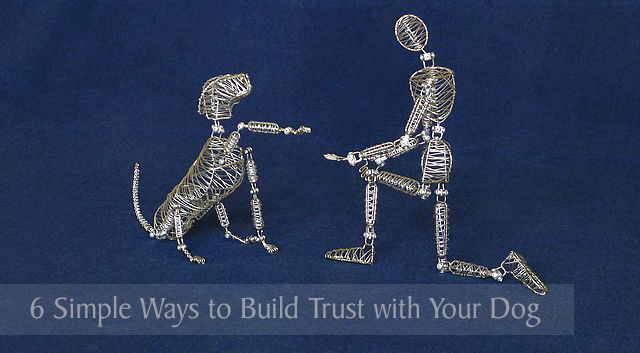
Bringing a new puppy into your home is a joyous occasion, filled with tiny paws, playful nips, and endless cuddles. But beneath the surface of all that cuteness lies a crucial task: building a strong foundation of trust. It's the cornerstone of a healthy, happy relationship between you and your furry friend, and it's something that takes time, patience, and a whole lot of understanding.
Have you ever felt frustrated when your puppy doesn't seem to listen, or perhaps even acts fearful or withdrawn? It's disheartening when your new companion seems unsure and hesitant around you. Maybe you've tried different training methods, only to feel like you're hitting a wall, struggling to connect with your puppy on a deeper level.
This post is all about establishing a loving and secure bond with your puppy through trust. We'll explore practical techniques, positive reinforcement strategies, and insights into canine behavior that will empower you to create a safe and nurturing environment where your puppy can thrive. We'll cover everything from understanding your puppy's body language to setting clear boundaries, ensuring a lasting and fulfilling relationship built on mutual respect and affection.
In summary, this guide delves into building trust with your puppy using positive reinforcement, understanding their communication, creating a safe environment, and consistently meeting their needs. Key elements include patience, consistency, and recognizing that trust is earned, not demanded. By focusing on these principles, you can establish a strong, loving bond with your new companion, setting the stage for a lifetime of happiness together. Building trust with a puppy, puppy training, positive reinforcement, canine behavior, puppy bonding, and creating a safe environment are all crucial aspects of this process.
The Importance of Early Socialization
Early socialization is truly the bedrock of trust-building. I remember when I brought my golden retriever, Gus, home. He was adorable, of course, but also incredibly timid. New sounds sent him scurrying, and he'd flatten himself to the ground whenever someone new approached. I knew I had to be proactive. So, armed with a pocket full of treats and a calm demeanor, I slowly introduced him to a variety of sights, sounds, and people. We started with quiet walks in the park, gradually increasing the exposure as he became more confident. I made sure every interaction was positive, pairing new experiences with praise and rewards. Over time, Gus blossomed. He went from a fearful puppy to a confident, well-adjusted dog, eager to explore the world. This early socialization wasn't just about exposing him to new things; it was about teaching him that I was a safe and reliable presence in those new experiences. By creating positive associations and providing a secure base, I fostered a sense of trust that allowed him to navigate the world with confidence.
Socialization isn't just about meeting other dogs; it's about exposing your puppy to a wide range of stimuli in a controlled and positive manner. This includes different people, places, sounds, and objects. The goal is to help your puppy learn that new experiences are not necessarily scary and that you are there to support them through it all. Exposing your puppy to different environments during their critical socialization period (typically between 3-16 weeks of age) helps prevent fear and anxiety later in life. It also helps them develop into well-rounded and confident adults. Remember, every puppy is different, so it's important to go at their pace and never force them into a situation that makes them uncomfortable. Gradual exposure, positive reinforcement, and a lot of patience are key to successful socialization.
Understanding Puppy Body Language
Decoding your puppy's body language is like learning a secret language. It unlocks a deeper understanding of their emotions and intentions, allowing you to respond appropriately and build a stronger bond. Imagine your puppy yawning repeatedly while you're trying to train them. You might think they're bored or disrespectful, but actually, they might be signaling that they're feeling stressed or overwhelmed. Similarly, a tucked tail doesn't always mean fear; it could also indicate submission or anxiety. Learning to differentiate between these subtle cues allows you to tailor your approach and create a more supportive environment. When you can accurately interpret your puppy's body language, you can anticipate their needs, avoid potentially stressful situations, and reinforce positive behaviors. This fosters a sense of security and trust, as your puppy learns that you understand and respect their feelings.
Understanding puppy body language is essential to building a strong bond with your furry friend. Pay close attention to their posture, facial expressions, tail wags, and ear positions. For example, a relaxed puppy will typically have a loose body posture, a wagging tail, and soft eyes. A fearful puppy may cower, tuck their tail, and avoid eye contact. A stressed puppy may pant excessively, lick their lips, or yawn frequently. By learning to recognize these subtle cues, you can better understand your puppy's emotional state and respond accordingly. This helps to build trust and allows you to create a safe and supportive environment where they feel comfortable and secure. Remember, consistent observation and careful interpretation are key to mastering the art of puppy body language.
Debunking Common Puppy Training Myths
The world of puppy training is often filled with well-intentioned advice, but unfortunately, some of it is based on outdated or inaccurate information. One common myth is that you need to "dominate" your puppy to establish yourself as the alpha.This approach is not only ineffective but can also damage your relationship with your puppy. Dominance-based training often relies on punishment and intimidation, which can lead to fear, anxiety, and aggression. Another myth is that you shouldn't comfort a scared puppy because it will reinforce their fear. On the contrary, providing comfort and reassurance can help your puppy feel safe and secure, which is essential for building trust. Instead of trying to dominate your puppy, focus on building a positive and loving relationship based on trust and respect.
Many outdated training methods are based on the misconception that dogs are trying to dominate humans. However, modern research has shown that dogs are social animals who thrive on cooperation and positive reinforcement. Punishment-based training methods can damage your relationship with your puppy, leading to fear, anxiety, and aggression. Instead, focus on using positive reinforcement techniques, such as rewarding desired behaviors with treats, praise, or toys. This will help your puppy learn what you want them to do while also building trust and strengthening your bond. Remember, patience and consistency are key to successful puppy training.
The Hidden Secret: Consistency is Key
The real secret to earning your puppy's trust isn't a magic trick or a specific training method; it's consistency. Imagine a world where the rules constantly change, and you never know what to expect. That's how inconsistency feels to your puppy. One day, jumping on the couch is allowed; the next, it's met with a stern scolding. One day, you're showering them with affection; the next, you're distant and preoccupied. This inconsistency creates confusion and anxiety, making it difficult for your puppy to understand what you expect of them and whether they can rely on you. Consistency, on the other hand, provides a sense of security and predictability. When your puppy knows what to expect from you, they can relax and trust that you will always be there to provide guidance and support.
Consistency is crucial in all aspects of puppy training and care. This includes setting clear and consistent rules, using the same commands, and providing a predictable routine. For example, if you don't want your puppy to beg for food at the table, never give them scraps from your plate. If you want them to sit before crossing the street, always use the same command and reward them when they comply. By being consistent, you help your puppy understand what you expect of them, which reduces confusion and anxiety. This allows them to feel more confident and secure in their environment, which strengthens your bond and builds trust. Remember, consistency is not about being rigid or inflexible; it's about providing a predictable and reliable framework for your puppy to thrive.
Recommended Training Tools
While trust is built through actions and understanding, the right tools can certainly make the journey smoother. I've found that a high-quality treat pouch is indispensable for positive reinforcement training. Having readily available treats allows you to reward good behavior instantly, creating a strong association between the action and the reward. A comfortable and well-fitting harness is also essential for walks, as it provides more control and reduces the risk of injury compared to a collar. Finally, a safe and cozy crate can become a valuable tool for providing your puppy with a secure den, where they can retreat when feeling overwhelmed or tired. These tools, combined with patience, consistency, and a lot of love, can help you build a strong and trusting relationship with your puppy.
Various training tools can aid in building trust with your puppy. A comfortable harness or collar and leash are essential for safe and enjoyable walks. Positive reinforcement tools, such as treats, clickers, and toys, can be used to reward desired behaviors and strengthen your bond. Puzzle toys can provide mental stimulation and prevent boredom, while also helping your puppy learn to problem-solve. A safe and comfortable crate can provide a secure den where your puppy can relax and feel safe. Remember, the key is to use these tools responsibly and ethically, always prioritizing your puppy's well-being and avoiding any methods that could cause fear or pain.
The Power of Positive Reinforcement
Positive reinforcement is the cornerstone of building a trusting relationship with your puppy. It's all about rewarding desired behaviors, making them more likely to be repeated in the future. Imagine teaching your puppy to sit. Instead of forcing them into the position or scolding them when they don't comply, you wait for them to naturally sit, and then immediately reward them with a treat and praise. This positive association makes them more likely to sit again in the future. Positive reinforcement is not just about training tricks; it's about creating a positive and enjoyable learning experience for your puppy. It strengthens your bond, builds their confidence, and encourages them to want to please you. By focusing on what your puppy is doing right, rather than what they're doing wrong, you create a win-win situation that fosters trust and mutual respect.
Positive reinforcement involves rewarding desired behaviors with treats, praise, or toys. This helps your puppy learn what you want them to do and motivates them to repeat those behaviors. Avoid using punishment-based training methods, as these can damage your relationship with your puppy and lead to fear and anxiety. Instead, focus on rewarding positive behaviors and ignoring or redirecting unwanted behaviors. For example, if your puppy is jumping on you, ignore them until they stop, and then reward them when they have all four paws on the ground. Positive reinforcement is a powerful tool for building trust and creating a strong bond with your puppy.
Tips for Building a Stronger Bond
Beyond the training techniques, it's the small, everyday moments that truly solidify your bond with your puppy. Regular playtime is crucial, not just for physical exercise but for mental stimulation and bonding. Engaging in activities your puppy enjoys, like fetch or tug-of-war, strengthens your connection and builds positive associations. Consistent grooming sessions, even if your puppy has short fur, provide an opportunity for gentle touch and relaxation. Talking to your puppy in a calm and soothing voice, even if you're just narrating your day, helps them feel secure and connected. And of course, never underestimate the power of a good cuddle session. These simple acts of affection and attention, repeated consistently, create a sense of security and trust that will last a lifetime.
Building a strong bond with your puppy requires consistent effort and dedication. Spend quality time with your puppy every day, engaging in activities they enjoy. This could include playing fetch, going for walks, or simply cuddling on the couch. Provide your puppy with plenty of opportunities for socialization and enrichment. Expose them to new people, places, and experiences in a safe and controlled environment. Be patient and understanding, and remember that every puppy learns at their own pace. Celebrate their successes and offer encouragement when they struggle. By consistently meeting their needs and providing a loving and supportive environment, you can build a strong and lasting bond with your puppy.
Creating a Safe Haven
Imagine your puppy's crate as their personal sanctuary, a place where they can retreat when feeling overwhelmed, tired, or simply in need of some alone time. To achieve this, it's crucial to introduce the crate in a positive and gradual manner. Never force your puppy into the crate or use it as punishment. Instead, make it a comfortable and inviting space by lining it with soft bedding, placing a favorite toy inside, and offering treats when your puppy enters voluntarily. Gradually increase the amount of time your puppy spends in the crate, always pairing it with positive experiences. A crate that is perceived as a safe haven can significantly reduce anxiety and stress, helping your puppy feel more secure and confident in their environment. This, in turn, contributes to a stronger sense of trust and well-being.
Creating a safe haven for your puppy is essential for their emotional well-being. This can be a crate, a bed, or any designated space where they feel comfortable and secure. Never use this space as punishment, and always allow your puppy to retreat there when they feel overwhelmed or stressed. Ensure that the space is comfortable and inviting, with soft bedding and favorite toys. This will help your puppy develop a sense of security and independence, which is crucial for building trust. Remember, a safe haven is a place where your puppy can always feel protected and loved.
Fun Facts About Puppy Behavior
Did you know that puppies have a highly developed sense of smell, far superior to that of humans? They use their noses to explore the world and gather information, which is why sniffing is such an important part of their behavior. Another fascinating fact is that puppies can experience REM sleep, just like humans, and may even dream! You might notice your puppy twitching or whimpering in their sleep, which is likely a sign that they're dreaming about chasing squirrels or playing with their favorite toy. Understanding these quirky aspects of puppy behavior can deepen your appreciation for your furry friend and help you connect with them on a more meaningful level.
Puppies exhibit a range of fascinating behaviors, some of which may seem puzzling to humans. For example, puppies often engage in "zoomies," sudden bursts of energy where they run around in circles or dash back and forth. This is a normal way for them to release pent-up energy and doesn't necessarily indicate a behavioral problem. Another common behavior is chewing, which is essential for teething puppies and helps them explore their environment. Providing appropriate chew toys can help redirect this behavior and prevent them from chewing on your furniture. Learning about these fun facts can help you better understand your puppy's needs and behaviors, leading to a stronger and more fulfilling relationship.
How to Handle Setbacks
It's inevitable: there will be moments when your puppy seems to regress, forgetting commands they once knew or exhibiting unwanted behaviors. It's important not to get discouraged or frustrated. Remember that puppy training is not a linear process; there will be ups and downs. Instead of dwelling on the setback, try to identify the underlying cause. Are they feeling stressed, anxious, or unwell? Have you been consistent with your training? Once you've identified the cause, you can adjust your approach and provide the necessary support. Patience and understanding are key to overcoming setbacks and maintaining a positive relationship with your puppy.
Setbacks are a normal part of puppy training, so don't be discouraged if your puppy doesn't always respond as expected. Instead of getting frustrated, try to identify the cause of the setback. Are they feeling overwhelmed or stressed? Have you been consistent with your training? Once you've identified the cause, you can adjust your approach and provide the necessary support. Remember, patience and understanding are key to overcoming setbacks and maintaining a positive relationship with your puppy.
What If My Puppy Is Fearful?
Dealing with a fearful puppy requires a gentle and patient approach. Never force your puppy into situations that scare them. Instead, focus on creating a safe and supportive environment where they feel comfortable exploring at their own pace. Use positive reinforcement to reward small steps forward, and never punish them for showing fear. If your puppy is severely fearful, consider seeking professional help from a certified dog trainer or behaviorist. They can provide guidance and support to help your puppy overcome their fears and build confidence.
If your puppy exhibits signs of fear or anxiety, it's crucial to address these issues promptly. Start by identifying the triggers that cause your puppy to feel fearful. Once you know what scares them, you can begin to desensitize them to these triggers. This involves gradually exposing your puppy to the trigger in a safe and controlled environment, pairing it with positive reinforcement. For example, if your puppy is afraid of loud noises, you can play recordings of these noises at a low volume while giving them treats. Gradually increase the volume as your puppy becomes more comfortable. If your puppy is severely fearful, it's best to consult with a professional dog trainer or behaviorist.
Top 5 Ways to Build Trust With Your Puppy: A Listicle
Here's a quick rundown of the top five ways to cultivate a trusting relationship with your new furry friend:
- Positive Reinforcement: Ditch the punishment and embrace rewards! Treats, praise, and toys are your best friends.
- Consistent Routines: Predictability is key. Set a schedule for feeding, walks, and playtime.
- Safe Spaces: Ensure your puppy has a cozy retreat where they feel secure and protected.
- Gentle Handling: Always approach and interact with your puppy in a calm and gentle manner.
- Listen to Their Signals: Pay attention to your puppy's body language and respect their boundaries.
These simple strategies, consistently applied, will lay the foundation for a lifetime of love and loyalty.
Building trust with your puppy is a journey, not a destination. By consistently applying these strategies and remaining patient and understanding, you can create a strong and loving bond that will last a lifetime. Remember, every puppy is unique, so it's important to tailor your approach to their individual needs and personality. With time, patience, and a lot of love, you can create a trusting and fulfilling relationship with your furry friend.
Question and Answer
Here are some frequently asked questions about building trust with a puppy:
Q: How long does it take to build trust with a puppy?
A: It varies depending on the puppy's personality and past experiences, but it generally takes several weeks to months to establish a solid foundation of trust. Patience and consistency are key.
Q: What if my puppy is scared of me?
A: Avoid approaching them directly. Instead, sit on the floor and offer treats or toys. Speak in a calm and soothing voice. Let them approach you at their own pace.
Q: How can I stop my puppy from biting?
A: Puppy biting is often a form of play. Redirect their biting onto appropriate chew toys. If they bite too hard, say "ouch" and stop playing. This teaches them bite inhibition.
Q: Is it okay to crate train my puppy?
A: Yes, crate training can be beneficial if done correctly. Make the crate a positive and comfortable space. Never use it as punishment. Gradually increase the time your puppy spends in the crate.
Conclusion of How to Build Trust With Your Puppy
Building trust with your puppy is a rewarding journey that strengthens your bond and creates a lasting relationship. By understanding their needs, using positive reinforcement, and providing a safe and supportive environment, you can create a foundation of trust that will allow your puppy to thrive. Remember that patience, consistency, and a lot of love are essential for success. Enjoy the process of getting to know your new furry friend, and cherish the special bond you create together.
0 Response to "How to Build Trust With Your Puppy"
Post a Comment